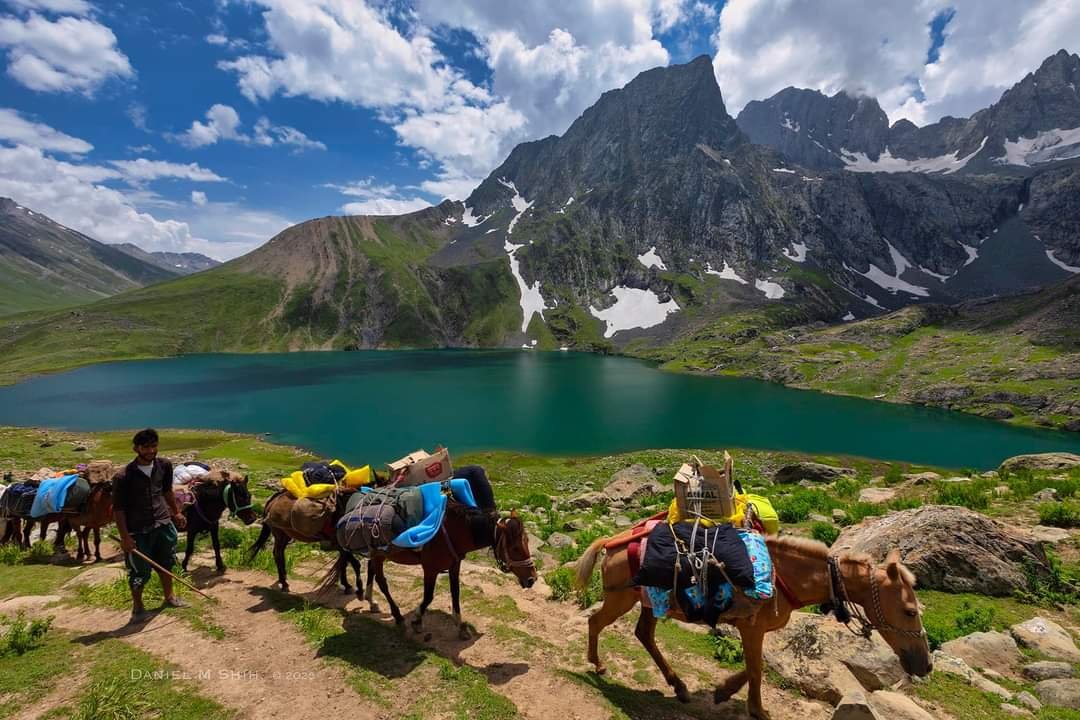
Leave the Noise Behind Find Your Pace with Us.
Your Trusted Trekking Partner for 34 Years
Guiding Over 25,000 Hikers Each Year to Explore Untouched Trails, Peaceful Landscapes, and Towering Snowy Summits

Guiding Over 25,000 Hikers Each Year to Explore Untouched Trails, Peaceful Landscapes, and Towering Snowy Summits
 Announcement: Fixed departure groups for Everest Base Camp and Kashmir Grate Lakes 2026 now open for Registration
Uttarakhand
Uttarakhand
Uttarakhand
Uttarakhand
Uttarakhand

Uttarakhand

Uttarakhand

Two Milestones
Uttarakhand

Himachal Pradesh
Uttarakhand
Uttarakhand

Uttarakhand

Himachal Pradesh

Himachal Pradesh

Uttarakhand


.webp)
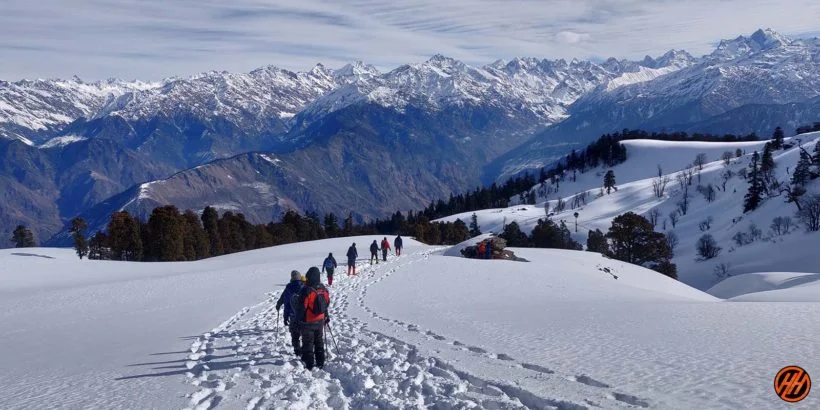
Kedarkantha Trek is one of the most popular winter treks in Uttarakhandand is especially known for its snow-covered trails, dense pine forests, and rewarding summit views. Because of its moderate difficulty and well-marked route, it is often recommended for beginners who want to experience Himalayan trekking for the first time. This guide covers everything you need to know about Kedarkantha Trek, including its location, altitude, best time to visit, difficulty level, route details, and weather conditions. What is Kedarkantha Trek? Kedarkantha Trek is a high-altitude Himalayan trek located in the Govind Wildlife Sanctuary region of Uttarakhand. The trek is famous for offering a complete mountain experience in a short duration — snow trekking, forest walks, campsites, and a panoramic summit. The summit of Kedarkantha provides 360-degree views of peaks like Swargarohini, Bandarpoonch, and Black Peak on clear days, making it one of the most scenic winter summits in India. Kedarkantha Trek Location & Altitude State: Uttarakhand Region: Govind Wildlife Sanctuary Base Village: Sankri Maximum Altitude: ~12,500 ft (3,810 m) Sankri village is located in Uttarkashi district and acts as the starting point for the Kedarkantha Trek. It is well connected by road from Dehradun. Kedarkantha Trek Best Time to Visit The best time to do Kedarkantha Trek depends on what kind of experience you are looking for. Winter (December to March) Heavy snowfall White forest trails Best season for snow trekking Most popular time for Kedarkantha Trek Spring (April) Melting snow Clear skies Rhododendron forests start blooming Autumn (November) Early snow possible Fewer crowds Clear mountain views December to February is considered the best time for Kedarkantha Trek if you want a true winter trekking experience. Kedarkantha Trek Difficulty Level Kedarkantha Trek is classified as easy to moderate. Why it is beginner-friendly: Gradual ascent Short trekking days Well-defined trail Good campsite spacing However, winter snow can make the summit day slightly challenging. Basic fitness preparation such as walking, stair climbing, or light jogging for 2–3 weeks is recommended. Kedarkantha Trek Route Map (Overview) Dehradun → Sankri (drive) Sankri → Juda Ka Talab Juda Ka Talab → Kedarkantha Base Camp Base Camp → Kedarkantha Summit → Descend Return to Sankri The trail passes through dense oak and pine forests, frozen lakes in winter, and open snowfields near the summit. Kedarkantha Trek Distance & Duration Total Trek Distance: ~20 km (round trip) Duration: 4 to 6 days Daily Walking: 4–6 hours on average The short duration makes Kedarkantha Trek ideal for people with limited time who still want a complete Himalayan experience. Kedarkantha Trek Weather (Month-wise Overview) Month Temperature (Day / Night) Conditions November 8°C to -2°C Cold, early snow December 5°C to -8°C Heavy snowfall January 3°C to -10°C Peak winter February 5°C to -8°C Snow and clearer days March 8°C to -4°C Snow melting April 10°C to 0°C Spring weather Winter nights can be extremely cold, so proper clothing and gear are essential. Why Kedarkantha Trek is So Popular One of the best winter treks in India Snow trekking even for beginners Beautiful forest trails Safe and well-marked route Stunning summit views in short duration Because of these reasons, Kedarkantha Trek is often recommended by experienced trekking organizations such as :contentReference[oaicite:0]{index=0} for first-time Himalayan trekkers. Kedarkantha Trek FAQs Is Kedarkantha Trek good for beginners? Yes, it is one of the best beginner-friendly winter treks in Uttarakhand. Does Kedarkantha Trek have snow every year? Snowfall usually starts from late November and lasts till March, depending on weather conditions. Is prior trekking experience required? No prior trekking experience is required, but basic fitness preparation is important. Is Kedarkantha Trek safe? Yes, when done with proper guidance, equipment, and weather awareness, it is considered a safe trek. Final Thoughts Kedarkantha Trek offers an ideal introduction to Himalayan winter trekking. With its manageable difficulty, scenic campsites, and rewarding summit views, it continues to be one of the most sought-after treks in Uttarakhand year after year. If you are planning your first snow trek or want a short Himalayan adventure, Kedarkantha Trek is a solid choice.

The Dayara Bugyal trek is one of Uttarakhand’s most scenic alpine meadows, which makes it perfect for beginners and nature lovers alike. Whether you’re chasing snow trails or walking through flower-filled pastures, timing your trek right can make all the difference. In this seasonal guide, we’ll walk you through the best time for Dayara Bugyal Trek, explore how the terrain changes through the year, and help you pick the season that suits your adventure style best. Summer (May–June): Rolling Meadows in Full Bloom If you’re drawn to wide-open green landscapes and crisp mountain air, summer is the best time for Dayara Bugyal Trek in summer. This is when the meadows are lush, the skies are clear, and the wildflowers begin to bloom. Highlights: Golden-green pastures and blossoming rhododendrons Warm days and cool evenings — perfect trekking weather Ideal for photography and beginners Day Temperature: 8°C – 15°C Crowd: Moderate (family trekkers and school groups often visit during this time) Winter (December–February): A Snow-Covered Wonderland For a magical snow trek experience, the best time for Dayara Bugyal trek in winter is from mid-December to early February. The trail transforms into a snowy wonderland, with powder-white landscapes and frozen forests. Highlights: A true winter trek with knee-deep snow Less crowded, serene trails Perfect for those seeking solitude and snow-play Day Temperature: -5°C to 10°C Crowd: Low to moderate — often fewer trekkers due to colder weatherAutumn (September–November): Clear Views and Golden Trails After the monsoon, Dayara Bugyal offers crystal-clear views of the Bandarpoonch and Draupadi Ka Danda peaks. The meadow turns golden brown, and the skies stay brilliantly blue. Highlights: Dry trails and cool, pleasant trekking conditions Fewer tourists makes it ideal for peaceful travel Excellent visibility for photography and stargazing Day Temperature: 5°C – 12°C Crowd: Low to moderate Monsoon (July–August): Best Avoided While the bugyals are at their greenest during the monsoon, the Dayara Bugyal trek during this time of year isn’t ideal for trekking. Heavy rainfall can make the trails slippery and risky, with frequent landslides and limited visibility. Dayara Bugyal Trek at a Glance Trek Duration: 4 Days – 3 Nights Trek Difficulty: Easy to Moderate Total Trek Distance: 30 km (round trip) Distance from Delhi to Dayara Bugyal Base Camp: 450 km Distance from Dehradun Airport to Dayara Bugyal Base Camp: 200 km Trek Starting Point: Raithal village (Dayara Bugyal Base Camp) How to Reach Dayara Bugyal From Delhi: Approx. 450 km via Rishikesh and Uttarkashi Nearest Airport: Jolly Grant Airport, Dehradun (200 km from Raithal) Trek Route: Dehradun → Raithal → Gui → Dayara Bugyal So, when is the best time for the Dayara Bugyal Trek? The ideal time to visit Dayara Bugyal trek depends on what you expect from this alpine trek: For lush green meadows and blooming beauty: May to June For a snowy fairytale trek: December to February\ For peaceful trails and mountain views: September to November No matter when you go, Dayara Bugyal delivers. Just choose your season, lace up your boots, and let the Himalayas take care of the rest.

Should You Do the Har Ki Dun Trek in 2025? What No One Tells You The mighty Himalayas have always called out to the adventurous soul. And among the hundreds of treks scattered across its vast folds, the Har Ki Dun Trek stands as one of the most serene, myth-rich, and soul-touching experiences in India. But in 2025, with changing trail regulations, rising eco-tourism, and an evolving trekking culture, many wanderers are asking — is it still worth it? Let us take you deep into the forests of Govind Pashu Vihar, to the riverside trails, through sleepy Himalayan villages — and help you decide if Har Ki Dun truly deserves a spot on your 2025 bucket list. What Makes Har Ki Dun Trek Special in 2025? Myths, Views & Real Trekker Insights 1. The Mythological Connection Still Breathes Here Har Ki Dun, literally meaning "Valley of the Gods," is believed to be the route taken by the Pandavas on their final journey to heaven. The village of Osla, perched on a mountain slope, even houses a Duryodhana temple — a rare devotion to the otherwise infamous Kaurava prince. For spiritual seekers and mythology lovers, trekking here is like walking through a living epic. 2. Forests, Rivers & Mountains — Nature’s Tranquil Trifecta In 2025, when most treks are getting crowded and commercial, Har Ki Dun still offers peaceful trails lined with pine forests, wildflowers, gurgling streams, and the mighty Swargarohini peaks always watching you. The valley opens up like a painting — untouched, unhurried, and deeply refreshing. 3. A Photographer’s and Birder’s Paradise Expect sightings of monals, barbets, and even Himalayan griffons. Mornings are golden, evenings are moody, and clouds play hide and seek with snow-capped peaks. Carry a good lens — the valley won’t disappoint. 4. Friendly for Beginners Yet Deeply Satisfying With a well-paced itinerary and moderate difficulty, this trek is perfect for those new to high-altitude hiking. But it also has the kind of depth — in views, stories, and silence — that even seasoned trekkers respect. 5. The Local Culture is Alive, Not Packaged In Osla and other villages en route, life flows in its ancient rhythm. Shepherds pass by with their flocks, women still wear traditional woollen dresses, and wooden homes stand strong against time. 2025 hasn’t dulled their authenticity yet.Pros & Cons – A Real Trekker’s Perspective Pros: Unmatched serenity and cultural richness Beginner-friendly terrain Myths & legends on every bend Stunning campsites (Seema, Har Ki Dun base, Kalkatti Dhar) Clean, forest-protected trails Cons: Long drive to base camp (Sankri takes 9–10 hours from Dehradun) Weak to no network after Purola Limited snow in peak winter compared to Kedarkantha Slightly longer duration (7–8 days) Final Verdict – Is It Worth It? If you’re looking for snow slides, heavy climbs, or Instagram reels — you may find other treks more thrilling. But if you seek something raw, spiritual, quiet, and profound — Har Ki Dun in 2025 is more than worth it. It’s not just a trek. It’s a gentle pilgrimage through the oldest myths of the Mahabharata, a walk through living Himalayan heritage, and a reminder that sometimes, the slower journeys are the ones that stay with us the longest. Book Har Ki Dun Trek with Trusted Experts Himalayan Hikers: Click Here

Overview When spring arrives in the Himalayan mountains, the forests begin to glow with a beautiful shade of red. This vibrant color comes from the Burans (Buransh) flower, which is often called the pride of the mountains and the smile of nature. This tree is commonly found in the mountainous regions of Uttarakhand, Himachal Pradesh, Sikkim, Nepal, and Bhutan. The scientific name of Burans is Rhododendron arboreum, and it is considered an important medicinal plant of the Himalayan region. It usually grows at an altitude of 1500 to 3000 meters above sea level. Its bright red flowers not only enhance the natural beauty of the mountains but are also valued in traditional medicine and modern scientific research. In recent years, scientists have studied the phytochemicals present in this plant and their potential health benefits. Research suggests that Burans contains several bioactive compounds that may contribute to its medicinal properties. Burans flowers are especially visible during spring in many Himalayan trekking routes. One of the popular places where trekkers can see forests filled with Burans trees is the Brahmatal Trek in Uttarakhand. During the trekking season, the trails around Brahmatal become colorful with blooming rhododendron flowers, making the landscape even more attractive for nature lovers and hikers. Botanical Information of Burans Burans is an evergreen tree that grows well in cold and mountainous environments. Its flowers are typically deep red, but they can also appear in pink or sometimes white. When these flowers bloom together, entire forests appear covered with a red blanket. Scientific details: Scientific Name: Rhododendron arboreum Family: Ericaceae Local Names: Burans, Buransh, Laligurans Habitat: Himalayan mountain regions The flowers, leaves, and bark of this plant contain various bioactive compounds, also known as secondary metabolites. Some of the major compounds found in the plant include: Flavonoids Phenolic compounds Tannins Saponins Alkaloids These compounds are believed to be responsible for the plant’s medicinal properties. Major Bioactive Compounds Scientific studies have identified several important active compounds in Burans flowers, including: Rutin Quercetin Catechin Epicatechin These compounds are known for their antioxidant and anti-inflammatory properties, which may help protect the body from various health problems. 1. Antioxidant Properties Burans flowers contain high levels of phenolic and flavonoid compounds that help reduce harmful free radicals in the body. Scientific research has shown that extracts from Burans flowers possess strong antioxidant activity, which may help reduce oxidative stress in the body. Antioxidants play an important role in protecting the body against several health conditions such as: Heart diseases Inflammation Cellular damage 2. Effects on Heart Health The flavonoids present in Burans flower extracts and juices are considered beneficial for heart health. These compounds may help protect the heart from oxidative stress and improve blood circulation, which can potentially reduce the risk of cardiovascular diseases and stroke. 3. Antibacterial Properties Laboratory studies have shown that Burans flower extracts exhibit antibacterial activity. They have been found effective against several harmful bacteria, including: Staphylococcus aureus Escherichia coli Aeromonas hydrophila This suggests that Burans may have potential applications in the development of natural antimicrobial medicines in the future. 4. Antidepressant and Adaptogenic Effects Some studies suggest that extracts of Rhododendron arboreum flowers may help the body cope with stress. The plant has shown potential antidepressant activity, which is believed to be linked to bioactive compounds such as flavonoids and terpenes. 5. Effects on Liver Health Recent research also indicates that the active compounds in Burans flowers may support liver health.These compounds may play a potential role in managing conditions such as Non-Alcoholic Fatty Liver Disease (NAFLD). Their effects are associated with several biological processes, including: Lipid metabolism Regulation of cell death Stress response mechanisms Traditional Uses of Burans For centuries, Burans has been used in traditional practices across the Himalayan region.Common uses include: Burans juice or syrup Burans jam or squash Traditional remedies for headaches and digestive problems Burans flower juice is especially popular in mountain regions. It has a mildly sweet and tangy flavor and is known to provide freshness and energy, especially during the summer season. Cultural and Traditional Importance Burans is not only a plant but also an important part of Himalayan culture. It appears in local folk songs, stories, and seasonal traditions. When Burans flowers bloom during spring, they symbolize happiness, renewal, and the richness of nature. During Himalayan trekking experiences such as the Brahmatal Trek, trekkers often witness large rhododendron forests in bloom. The sight of bright red Burans flowers along mountain trails adds to the beauty of the trekking journey and makes it a memorable experience for travelers. Products made from Burans flowers also provide an important source of income for local communities, as they are sold in markets in the form of juices, syrups, and other products. Conclusion Both traditional knowledge and scientific research suggest that Rhododendron arboreum (Burans) is more than just a beautiful Himalayan flower. It is a plant with significant medicinal potential. The presence of flavonoids, phenolic compounds, and other bioactive molecules gives it potential antioxidant, antibacterial, cardioprotective, and adaptogenic properties. However, more clinical and pharmacological studies are required to fully confirm its medicinal applications. Nevertheless, Burans remains a valuable gift of Himalayan nature—celebrated for its beauty, health benefits, cultural significance, and its stunning presence along Himalayan trekking routes such as the Brahmatal Trek.
Winter trek booking are now open! Avail our early bird discount and exciting group offers. Hurry up join our upcoming fix departure trek with team Himalayan Hikers and make your winter Trek truly unforgettable.


Video: Trek Leader from Team Himalayan Hikers
Himalayan Hikers Report: A massive wave of snowfall has officially transformed Kedarkantha, Dayara Bugyal, Kuari Pass, and Brahmatal into a winter paradise! From the heights of Pangarchula to the serene trails of Chopta, our trek leaders are reporting fresh powder and breathtaking whiteouts across all routes. The wait is over—the peak winter trekking season has arrived, and the Himalayas are calling


This category organizes trekking routes into different classifications to help trekkers find trails that suit their preferences, skills, and requirements. Whether you’re looking for a trek based on the season, duration, difficulty, region, or your trekking experience, this approach makes it easier to choose the perfect adventure for your needs.