
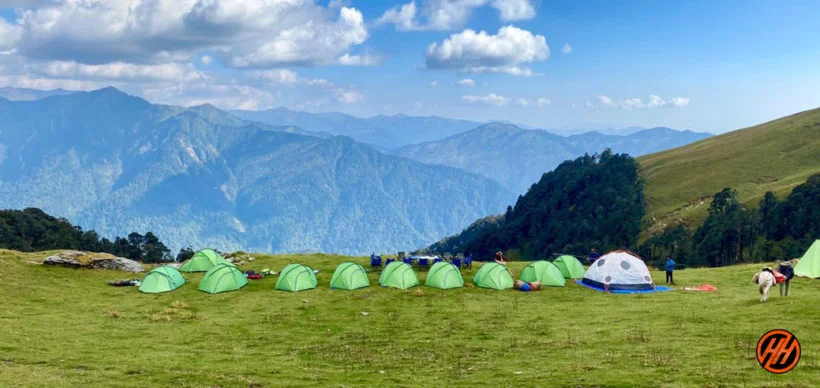


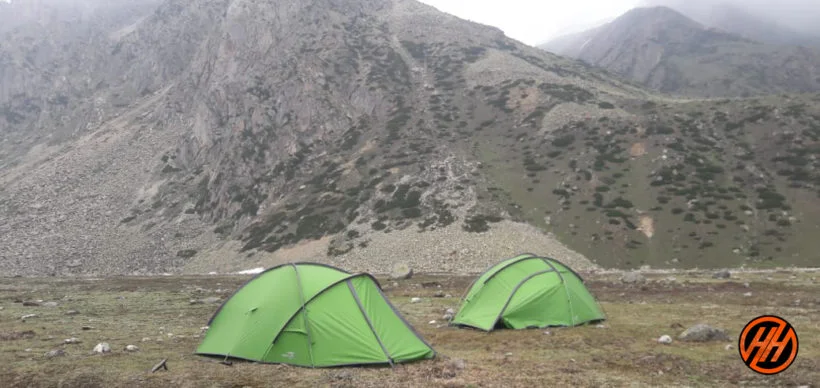
The overall experience is not just about reaching a destination, but about immersing yourself in nature’s untouched grandeur. Every step reveals a new perspective—whether it’s the sound of flowing water, the sight of distant peaks, or the silence that defines the high Himalayas. This trek is ideal for those who want to experience the Himalayas in their purest form.
Kyarkoti Lake Trek is a beautiful and very wonderful trek route, which is about 16 kilometers from Harsil. Attracts, Harsil valley track is an important trek route, people also go to Lamkhaga pass through this truck route. Which is considered to be one of the oldest trek route Harsil Trek approx from Dehradun to Dehradun it takes 5 nights and 6 days this track is a moderate trek whose height is 3480 meters this track is very easy for family and school and first timer trekker. There is a beautiful track, here the beautiful Bugyal Ghatiya river drains and beautiful flowers keep attracting them.Harsil, a small town that is a tourist attraction. The trail is steep from the start but the variety of landscapes is rewarding. It is not suggested for beginners because of its tough gradient but turns great for experienced trekkers and mountaineers.
The local people can also offer the opportunity to take large flocks of sheep to the grasslands for grazing. Most of them belong to name of Bagori village which is famous for woolen clothes. Stunning views of certain mountain ranges such as Mount Shrikant and many unnamed peaks will fill your heart from here are awesome.
What is this Trek?
The Kyarkoti–Harsil Trek is a moderate to challenging high-altitude trek that takes you to elevations of around 3,800–4,000 meters above sea level. It is not a commercial trek, which means infrastructure is minimal, and the experience is more raw and adventurous.
The trek typically begins from Harsil and follows a trail that gradually ascends through forests, river valleys, and alpine landscapes. Trekkers pass through scenic campsites, cross glacial streams, and walk along narrow mountain paths. The journey requires physical endurance and mental preparedness, especially due to the high altitude and changing weather conditions.
Unlike beginner-friendly treks, this route is better suited for trekkers who have some prior experience or are willing to push their limits. However, the effort is rewarded with unparalleled views and a sense of accomplishment that only remote treks can provide.
In essence, the Kyarkoti–Harsil Trek is an offbeat Himalayan expedition that combines adventure, exploration, and deep connection with nature.
Why is it so Famous?
Although not as widely known as Kedarkantha Trek or Valley of Flowers, the Kyarkoti–Harsil Trek has gained recognition among serious trekkers and nature enthusiasts for several compelling reasons.
Firstly, its offbeat nature makes it incredibly appealing. In a time when many trekking routes are overcrowded, Kyarkoti offers a rare chance to experience solitude in the Himalayas. You can walk for hours without encountering other groups, allowing for a more personal and immersive experience.
Secondly, the diversity of landscapes is remarkable. The trek seamlessly transitions from thick forests to open valleys and finally to alpine meadows. This constant change keeps the journey exciting and visually stunning.
Another reason for its growing popularity is the authentic Himalayan experience it offers. Since it is less commercialized, trekkers get a chance to witness nature in its untouched form, without the distractions of heavy tourism.
Lastly, the trek is known for its spectacular mountain views. The Gangotri range provides a dramatic backdrop throughout the journey, especially during sunrise and sunset when the peaks glow in golden hues.
About “Harsil” the base camp of Kyarkoti Harsil Trek
Harsil is a picturesque town located on the banks of River Bhagirathi en route to Gangotri. It is a hidden gem in the Himalayas offering a tranquil environment and is best for people in search of tranquility. This small hamlet has become famous because of its natural beauty which highlights this area.
The dense Deodar forests, gushing Bhagirathi River, chirping of birds, high standing peaks makes this place perfect among nature lovers and trekking enthusiasts. Two high altitude Himalayan Treks start from Harsil and Lamkhaga Pass and Dhumdar Kandi Pass and Kyarkoti Lake trek.
What Makes This Trek Unique?
The Kyarkoti–Harsil Trek stands out for several unique features that set it apart from other Himalayan treks.
One of the most defining aspects is the Kyarkoti Bugyal itself. This vast alpine meadow is incredibly pristine and untouched. During summer, it blooms with wildflowers, creating a colorful and vibrant landscape. The openness of the meadow, combined with the surrounding peaks, creates a surreal and almost dreamlike atmosphere.
Another unique element is the absence of crowds. While many treks have become tourist hotspots, Kyarkoti remains quiet and secluded. This allows trekkers to fully connect with nature, making the experience more meaningful and introspective.
The trek also features glacial streams and rivers that flow alongside the trail. These crystal-clear water sources not only enhance the beauty of the landscape but also add an adventurous element as trekkers navigate crossings.
Additionally, the region is rich in biodiversity. From rare Himalayan birds to unique plant species, the trail is a haven for nature lovers and photographers. The changing ecosystems along the route provide endless opportunities for exploration and discovery.
Finally, the cultural charm of Harsil adds a special touch to the trek. The village, with its wooden houses and apple orchards, offers a glimpse into the simple and peaceful lifestyle of the local people. This cultural connection makes the journey more than just a physical adventure.
Why choose Kyarkoti Harsil Trek?
Before heading towards the itinerary, it is really essential to perceive the reason behind choosing kyarkoti Trek trek.
- See firstly, the trekking distance is a total of by taxi 462 Km and on foot 35 km which is to be covered into 07 days. From Dehradun to Dehradun
- Kyarkoti trek is a low altitude mountain trek Altitudes is 3480 m
- The Starting trail is moderate as compare to other treks this is easy and moderate trek. So this is best option for first time trekkers, family, School
- Need proper gear & clothing for sub-zero temperature?
- You got to see so many heavenly bodies at one place like the panoramic view of the Himalayan ranges, you can see pine forests, different variety of flora and fauna surpassing through bona fide Garhwali heritage and culture.
- Beautiful landscapes so carry proper photo gear & Extra battery backup.
- The backpack should not exceed 12 kg only.
Why You Should Consider This Trek
If you are looking for a trekking experience that goes beyond the ordinary, the Kyarkoti–Harsil Trek is an excellent choice. It is perfect for those who crave adventure, solitude, and a deeper connection with nature.
One of the main reasons to consider this trek is the sense of exclusivity it offers. Unlike crowded trails, this trek allows you to explore the Himalayas at your own pace, without distractions. It is an ideal escape from the noise and stress of daily life.
The trek also provides a perfect balance of challenge and reward. While it requires physical effort and endurance, the breathtaking views and unique landscapes make every step worthwhile. The feeling of reaching Kyarkoti and witnessing its untouched beauty is truly unforgettable.
Moreover, this trek is a great opportunity for personal growth and reflection. The शांत and isolated environment encourages introspection and allows you to reconnect with yourself.
For photographers and nature enthusiasts, the trek is a visual paradise. From dense forests and flowing rivers to expansive meadows and towering peaks, every moment offers a picture-perfect scene.
In conclusion, the Kyarkoti–Harsil Trek is more than just a journey through the mountains—it is an experience that stays with you long after it ends. Whether you are an experienced trekker or someone looking to explore offbeat destinations, this trek promises adventure, beauty, and a sense of discovery that is truly rare in today’s world.
Kyarkoti Harsil Trek Complete Guide
Our mission has always been to ensure that no trekker steps into the Himalayas without the right perspective. A trek is not just a checklist of summits; it is a serious commitment to the outdoors. Having the right information is what separates a reckless climb from a soulful journey.
This section serves as your definitive manual for the Kyarkoti Harsil Trek. We have distilled years of mountain experience and real-time feedback into this guide to give you a clear, honest picture of the trail.
We provide this depth of information because we want you to be more than just a visitor—we want you to be a prepared, responsible trekker who respects the mountains as much as we do.
Day 1: Dehradun to Harsil
Distance: 231 km | Time: 8–9 Hours | Altitude: 2620 m
- Drive from Dehradun to Harsil via scenic mountain roads
- Pass through Rishikesh and Uttarkashi
- Enjoy views of rivers, forests, and valleys
- Reach Harsil by evening
- Stay: Hotel in Harsil
Day 2: Trek from Harsil to Lower Kyarkoti Camp
Distance: 8 km | Time: 5–6 Hours | Altitude: 3000 m
- Start trek from Harsil village
- Walk through dense forests and along river trails
- Gradual ascent with beautiful natural surroundings
- Reach Lower Kyarkoti campsite
- Stay: Camp
Day 3: Trek from Lower Kyarkoti to Upper Kyarkoti
Distance: 7 km | Time: 4–5 Hours | Altitude: 3480 m
- Ascend towards higher alpine meadows
- Witness stunning views of snow-capped peaks
- Explore the beautiful Kyarkoti Bugyal
- Reach Upper Kyarkoti campsite
- Stay: Camp
Day 4: Trek from Upper Kyarkoti to Lower Kyarkoti Camp
Distance: 7 km | Time: 3–4 Hours
- Descend back through the same scenic trail
- Enjoy views of valleys and meadows
- Reach Lower Kyarkoti campsite
- Stay: Camp
Day 5: Trek from Lower Kyarkoti to Harsil
Distance: 8 km | Time: 4–5 Hours
- Descend towards Harsil village
- Walk through forests and river paths
- Reach Harsil by afternoon
- Stay: Hotel
Day 6: Drive from Harsil to Dehradun
Distance: 231 km | Time: 8–9 Hours
- Drive back from Harsil to Dehradun
- End of trek with beautiful memories
Day 1
Day 2
Day 3
Day 4
Day 5
Day 6
Day 1: Dehradun to Harsil
Distance: 231 km | Time: 8–9 Hours | Altitude: 2620 m | Stay: Hotel in Harsil
The journey begins early in the morning from Dehradun. You will drive through the scenic route via Rishikesh and Uttarkashi, with winding mountain roads alongside rivers, waterfalls, and dense pine forests. Stop en route for refreshments or photographs. Upon arrival in Harsil by evening, check into the hotel, relax, and acclimatize to the altitude. Dinner will be served at the hotel.
Day 2: Harsil to Lower Kyarkoti Camp
Distance: 8 km | Time: 5–6 Hours | Altitude: 3000 m | Stay: Camp
After breakfast, the trek begins from Harsil village. The trail passes through dense forests, gentle streams, and serene meadows. Trekkers will enjoy spotting alpine flora and occasional wildlife. The ascent is gradual, allowing time to acclimatize. By afternoon, reach Lower Kyarkoti Camp. Settle into high-quality tents and enjoy a warm meal around the campfire.
Day 3: Lower Kyarkoti to Upper Kyarkoti
Distance: 7 km | Time: 4–5 Hours | Altitude: 3480 m | Stay: Camp
This day involves a steeper ascent towards Upper Kyarkoti. The trail offers panoramic views of snow-capped peaks and alpine meadows. Trekkers will witness rare Himalayan flowers and possibly small streams or patches of snow, depending on the season. Arrive at Upper Kyarkoti camp, set up tents, and enjoy sunset views over the mountains. Dinner and overnight stay in camp.
Day 4: Upper Kyarkoti to Lower Kyarkoti Camp
Distance: 7 km | Time: 3–4 Hours | Stay: Camp
Begin the descent back to Lower Kyarkoti. This day is less strenuous but still requires attention due to uneven terrain. Enjoy the morning mountain views and alpine scenery as you trek down. Reach Lower Kyarkoti camp in the afternoon, relax, and spend the evening enjoying the natural surroundings. Dinner and overnight stay in camp.
Day 5: Lower Kyarkoti to Harsil
Distance: 8 km | Time: 4–5 Hours | Stay: Hotel in Harsil
The final trekking day is a descent back to Harsil village. The trail winds through forests, riversides, and meadows. Enjoy the calm environment, take photographs, and reflect on the trek experience. Arrive at Harsil by afternoon, check into the hotel, and enjoy a warm meal. Evening is free to explore Harsil or rest before the drive back next day.
Day 6: Harsil to Dehradun
Distance: 231 km | Time: 8–9 Hours
After breakfast, begin the drive back to Dehradun. The route is the same scenic road along rivers, mountains, and small villages. This marks the end of the trek. Reach Dehradun by evening and conclude your journey with unforgettable memories of the Kyarkoti–Harsil Trek.
Difficulty Level of Kyarkoti–Harsil Trek
Kyarkoti Harsil trek is not difficult and not easy either, this trek comes in a moderate level, This trek is a bit moderate, but if your fitness is good and you have it in your mind that I want to trek then you can do it absolutely. Where help is needed, our guides will support you, you just have to be strong and capable of the trek. One thing is that all you can do is to have courage and I myself am passionate.
The Kyarkoti–Harsil Trek in Uttarakhand starting from Harshil is considered a moderate to difficult trek. It is not beginner-friendly due to its remote terrain, high altitude, and unpredictable weather conditions. Trekkers must be physically fit and mentally prepared to face multiple challenges during the journey.
Trail Conditions
The trails on this trek are raw, natural, and less defined compared to commercial treks. Since it is an offbeat route, you won’t find well-marked paths everywhere.
- Rocky Terrain: Many sections include uneven rocks and loose stones
- Narrow Paths: Some trails run along valleys or ridges, requiring careful walking
- Forest Trails: Dense forest areas may have muddy or slippery paths
- River Crossings: You may need to cross small glacial streams
These trail conditions demand good balance, stamina, and trekking experience.
Snow Chances & Snow Trails
Snow conditions depend on the season, but snow is quite common on this trek, especially in early summer (May–June) and late autumn.
- Snow Presence: Higher altitudes near Kyarkoti often have snow patches
- Winter Conditions: Heavy snow can completely cover trails
- Slippery Surface: Walking on snow requires proper grip and technique
Snow trekking increases difficulty because:
- Trails become hard to identify
- Risk of slipping and falling increases
- Walking becomes more tiring due to sinking feet
Weather Impact & Temperature Challenges
Weather in the Himalayas is highly unpredictable, especially at higher altitudes like Kyarkoti. Temperature plays a major role in increasing the trek’s difficulty.
- Day Temperature: Can be pleasant (10°C to 18°C)
- Night Temperature: Can drop to 0°C or below
- Sudden Changes: Weather can shift quickly from sunny to cloudy or snowy
Due to low temperatures:
- You may experience cold winds and chills
- Frostbite risk increases in extreme conditions
- Sleeping at night becomes challenging without proper gear
Altitude & Oxygen Difficulty
Since the trek reaches around 4,000 meters, high altitude is a major challenge.
- Low Oxygen Levels: Breathing becomes harder
- Acclimatization Needed: Body takes time to adjust
- AMS Risk: Acute Mountain Sickness can occur
Common symptoms include:
- Headache
- Dizziness
- Fatigue
- Shortness of breath
Weather-Related Difficulties
Weather conditions can directly affect the trail and overall trekking experience.
- Rain: Makes trails muddy and slippery
- Fog: Reduces visibility, making navigation difficult
- Snowfall: Can block trails completely
- Strong Winds: Increase cold and make walking harder
Trekkers must always be prepared for sudden weather changes.
Overall Challenges You May Face
- Physical Exhaustion: Long walking hours and steep ascents
- Remote Location: Limited medical and rescue facilities
- Navigation Issues: Less-marked trails
- Cold & Harsh Climate: Especially at night
- Technical Sections: Snow, rocks, and stream crossings
Best Time to Visit Kyarkoti–Harsil Trek
The Kyarkoti–Harsil Trek in Uttarakhand, and this can be done in different seasons, but the best time depends on what kind of experience you want—snow or clear green landscapes.
Summer Season (May to June) – Best Overall Time
This is considered the most ideal and popular time for the trek.
- Weather: Pleasant during the day (10°C to 18°C)
- Night Temperature: Can drop near 0°C
- Snow: Snow patches still remain at higher altitudes
- Views: Clear skies with beautiful mountain views
During this time, you get a perfect mix of snow and greenery, making it one of the most demanded seasons for this trek.
Post-Monsoon / Autumn (September to October) – Clear Views & Stability
This is another excellent time to do the trek.
- Weather: Stable and clear
- Temperature: Slightly colder than summer
- Snow: Very less or no snow (except peaks)
- Visibility: Best mountain views
This season is perfect if you want clear skies, dry trails, and less risk from weather issues.
Snow Season (Late October to April) – For Snow Lovers
If your goal is to experience heavy snow trekking, then winter months are suitable—but with challenges.
- Heavy Snowfall: Trails can be fully covered
- Temperature: Can drop below -5°C to -10°C
- Difficulty: Trek becomes very challenging
- Accessibility: Some routes may be blocked
This time is only recommended for experienced trekkers with proper snow gear and guidance.
Monsoon Season (July to August) – Not Recommended
Monsoon is generally not a good time for this trek.
- Heavy Rain: Trails become muddy and slippery
- Landslides: High risk in mountain areas
- Low Visibility: Clouds and fog block views
- River Levels: Streams become dangerous to cross
Because of safety concerns, most trekkers avoid this season.
When is Trek in Highest Demand?
- Peak Season: May–June (maximum demand)
- Second Peak: September–October
- Snow Demand: Late May (for snow patches)
Most trekkers prefer May–June because it offers the best balance of snow, weather, and accessibility.
How to Reach Kyarkoti–Harsil Trek
Reaching the Kyarkoti–Harsil Trek in Uttarakhand involves traveling to the base village Harsil, which is well-connected by road but requires a combination of transport modes like flight, train, and road journey.
By Air (Nearest Airport)
The nearest airport is Jolly Grant Airport, Dehradun in Dehradun, located around 220–230 km from Harsil.
- Flights: Regular flights from major cities like Delhi and Mumbai
- From Airport: Hire a taxi or take a bus to Harsil
- Travel Time: 7–9 hours by road
By Train (Nearest Railway Station)
The closest railway station is Dehradun Railway Station.
- Connectivity: Well connected to Delhi, Haridwar, and other major cities
- From Station: You can take a taxi or shared vehicle to Harsil
- Alternative Station: Rishikesh Railway Station (limited connectivity)
By Road (Most Common Route)
Harsil is best reached by road from major towns like Dehradun, Rishikesh, or Haridwar.
Common Route:
Dehradun → Rishikesh → Uttarkashi → Harsil
- Distance: ~220–250 km
- Travel Time: 8–10 hours
- Road Condition: Mountain roads with scenic views but sharp turns
You can travel by:
- Private Taxi: Most comfortable option
- Shared Jeeps: Budget-friendly and commonly available
- Government/Private Buses: Available till Uttarkashi, then taxi to Harsil
Final Stretch to Trek Start Point
Once you reach Harsil, the trek begins from here. No further vehicle travel is needed, as Kyarkoti is accessible only by foot.
- Starting Point: Harsil village
- Trek Mode: On foot with guide or trek group
Travel Tips
- Start Early: Begin your road journey early due to long mountain drives
- Acclimatization: Spend a night in Harsil before starting the trek
- Carry Essentials: Medicines, snacks, and warm clothing
- Book in Advance: Transport options can be limited during peak season
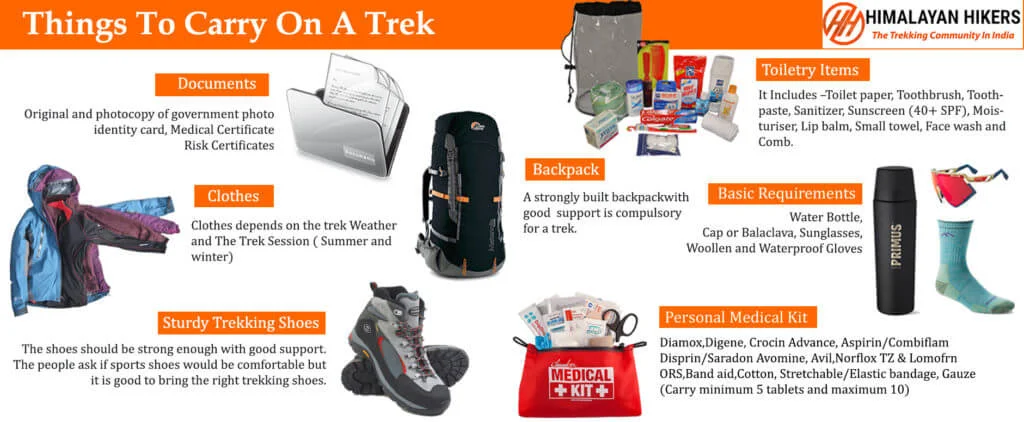
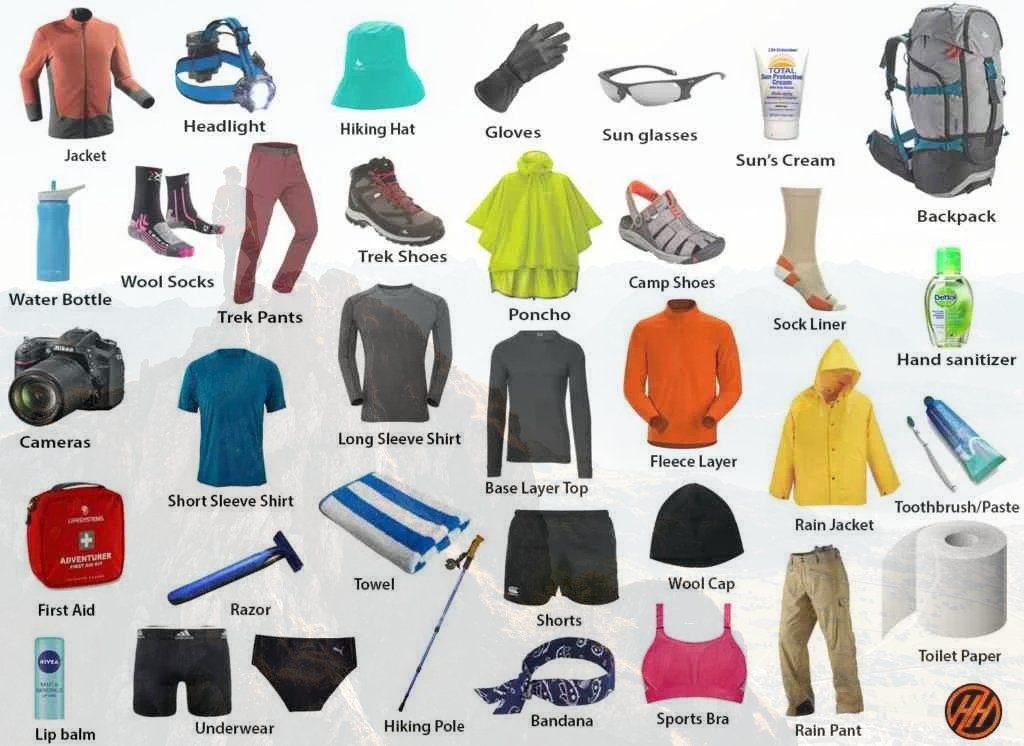
What to Pack for Kyarkoti–Harsil Trek
Packing the right gear for the Kyarkoti–Harsil Trek is extremely important due to its high altitude, unpredictable weather, and remote terrain. You should carry lightweight but high-quality essentials that ensure comfort, safety, and protection throughout the trek.
Backpack & Storage
- Backpack (50–60L): Good quality, waterproof or with rain cover
- Daypack (20–30L): For carrying daily essentials during trekking
- Dry Bags: 2–3 pieces to keep clothes and electronics safe from water
Clothing (Layering is Key)
- Thermal Innerwear: 2 sets (good quality, moisture-wicking)
- T-shirts (Quick Dry): 3–4 pieces (avoid cotton)
- Fleece Jacket: 1 (for insulation)
- Down Jacket: 1 (heavy quality for cold nights)
- Trekking Pants: 2–3 pairs (quick-dry, stretchable)
- Waterproof Jacket/Poncho: 1 (essential for rain/snow)
- Woolen Cap & Sun Cap: 1 each
- Gloves: 2 pairs (1 fleece + 1 waterproof)
- Socks: 4–5 pairs (wool + cotton mix)
Footwear
- Trekking Shoes: 1 pair (high-ankle, waterproof, strong grip)
- Flip-flops: 1 pair (for campsite use)
- Gaiters: 1 pair (useful in snow or mud)
Sleeping Essentials
- Sleeping Bag: Suitable for -5°C to -10°C
- Sleeping Mat: 1 (for insulation from cold ground)
Food & Hydration
- Water Bottles: 2 (1L each) or hydration pack
- Energy Snacks: Dry fruits, protein bars, chocolates (500g–1kg total)
- Electrolyte Powder: 5–6 sachets
Personal & Toiletry Items
- Sunscreen (SPF 50+): 1 (high UV protection)
- Lip Balm: 1 (with SPF)
- Toothbrush & Toothpaste: Travel size
- Wet Wipes/Tissues: 1–2 packs
- Hand Sanitizer: 1 small bottle
Medical Kit
- Basic Medicines: For headache, cold, fever
- Altitude Sickness Medicine: (consult doctor before use)
- Bandages & ORS: 4–5 sachets
- Pain Relief Spray: 1
Accessories & Gear
- Headlamp/Torch: 1 (with extra batteries)
- Trekking Poles: 1 pair (helps in balance)
- Sunglasses: UV-protected (important for snow)
- Power Bank: 1–2 (10000–20000 mAh)
- Multi-tool/Knife: Optional but useful
Important Documents
- ID Proof: Original + 2 photocopies
- Permits: If required for trekking area
Final Packing Tips
- Pack Light: Avoid unnecessary items
- Quality Matters: Invest in durable and weather-resistant gear
- Layer Smartly: Helps adjust to changing temperatures
- Waterproofing: Always protect your essentials from rain/snow
Weekly Fitness Plan for Kyarkoti–Harsil Trek
To prepare your body for the Kyarkoti–Harsil Trek, follow this 4-week structured fitness plan. This will help improve your stamina, strength, and endurance required for high-altitude trekking.
| Week | Focus | Workout Plan |
|---|---|---|
| Week 1 | Basic Stamina Building |
|
| Week 2 | Endurance & Strength |
|
| Week 3 | Advanced Stamina |
|
| Week 4 | Trek Simulation |
|
Tip: Stay consistent, hydrate well, and gradually increase intensity. This plan will help you build the stamina and strength needed for a safe and enjoyable trek.
Safety with Himalayan Hikers
When you trek with Himalayan Hikers, your safety is their top priority. The company ensures a secure and reliable experience by providing transparent payment systems, professional services, and on-ground safety support. Here’s how they keep you safe and worry-free:
Payment Safety
- Secure Payment Methods: All payments are processed through safe and verified channels
- Transparent Pricing: No hidden charges; all inclusions and exclusions are clearly mentioned
- Booking Confirmation: Instant confirmation after payment with proper receipt
- Flexible Policies: Clear cancellation and refund policies for customer convenience
Service Reliability
- Experienced Guides: Certified and trained trek leaders with Himalayan experience
- Support Staff: Skilled cooks, helpers, and porters for smooth operations
- Quality Equipment: Tents, sleeping bags, and gear are well-maintained and suitable for extreme conditions
- Planned Itinerary: Properly designed routes with acclimatization days
On-Trek Safety Measures
- First Aid Support: Well-equipped medical kits available during the trek
- Emergency Response: Guides trained to handle altitude sickness and emergencies
- Regular Health Checks: Monitoring of trekkers’ health at high altitudes
- Safe Campsites: Carefully selected camping locations
Customer Support & Communication
- Pre-Trek Guidance: Complete information about packing, fitness, and travel
- 24/7 Assistance: Support team available for queries before and during the trek
- Clear Communication: Regular updates and instructions from trek leaders
Why Choose Himalayan Hikers?
- Trusted Trekking Company: Known for safety and professionalism
- Customer Satisfaction: Focus on comfort and safety of trekkers
- End-to-End Support: From booking to trek completion
With Himalayan Hikers, you can focus on enjoying your trek while they take care of your safety, comfort, and overall experience.
What is Included in This Trek?
| Category | Inclusions |
|---|---|
| Transport | Dehradun to Dehradun transport facility |
| Permits & Fees | Forest permit and entrance fees |
| Accommodation | Twin-sharing tents during the trek |
| Meals | Breakfast, packed lunch, tea, coffee, snacks, soup, and dinner throughout the trek |
| Camping Equipment | High-quality tents, sleeping bags, mattress, liner, pillow |
| Camp Setup | Separate toilet tents (ladies & gents), dining tent, dining table |
| Support Staff | Porters, helpers, mules, and kitchen team |
| Guidance & Leadership | Experienced trek leader, professional guide, and technical guide |
| Safety & Communication | Medical kit, oxygen cylinders, radio walkie-talkie for communication |
| Trekking Gear | Crampons and gaiters (for snow conditions) |
What is Not Included in This Trek?
| Category | Exclusions |
|---|---|
| Insurance & Documents | Personal insurance, medical certificate |
| Personal Items | Personal toiletry items and personal medical kit |
| Meals (First Day) | Breakfast and lunch on the first day (en route to base camp) |
| Meals (Last Day) | Lunch and dinner on the last day (en route return) |
Important Note
Important Note
Carrying valid documents is mandatory for the Kyarkoti–Harsil Trek. Without proper identification and required paperwork, you may not be allowed to participate in the trek.
Mandatory Documents
- Government ID Proof: Aadhaar Card / Passport / Driving License (Original + 2 photocopies)
- Medical Certificate: Fitness certificate from a registered doctor (mandatory for high-altitude trek)
- Disclaimer Form: Signed participation/consent form (provided by trek organizer)
Important Points Related to Inclusions & Exclusions
- Check Inclusions Properly: Only the services mentioned in “Included” are covered in your package
- Extra Costs: Any service not listed (like personal expenses, extra meals, emergency evacuation) will be charged separately
- Transport Timing: Be on time at pickup point (Dehradun), delays can cause you to miss transport
- Meals Plan: First day breakfast/lunch and last day lunch/dinner are not included—plan accordingly
Packing & Personal Responsibility
- Carry Essentials Only: Do not overpack; follow the recommended packing list
- Personal Medicines: Must carry your own medicines (not included in package)
- Weather Preparedness: Carry proper warm clothes and rain protection
Trekking Guidelines
- Follow Trek Leader Instructions: Safety depends on discipline during the trek
- No Littering: Maintain cleanliness and respect nature
- Health Check: Inform guide immediately if you feel unwell
- Altitude Awareness: Take proper acclimatization seriously
Booking & Safety Notes
- Advance Booking: Confirm your slot in advance, especially in peak season
- Cancellation Policy: Read refund and cancellation rules carefully
- Insurance Recommended: Personal travel/trek insurance is advised (not included)
Note: Proper preparation, required documents, and following guidelines will ensure a safe and smooth trekking experience.
Map not available for this trek.
The trek is considered moderate to difficult due to its high altitude, uneven terrain, and changing weather conditions. Basic fitness and some trekking experience are recommended.
The best time is May to June for a mix of snow and greenery, and September to October for clear skies and stable weather.
It is not ideal for complete beginners. However, fit individuals with good stamina and preparation can attempt it.
Yes, snow can be found in early summer (May–June) and winter months. Snow conditions depend on the season and altitude.
You will stay in tents on a twin-sharing basis with proper camping arrangements including sleeping bags, mattresses, and dining tents.
Yes, all meals from dinner on Day 1 to breakfast on the last trekking day are included. However, first day breakfast/lunch and last day lunch/dinner are not included.
Yes, it is mandatory. A valid medical fitness certificate is required for participation in this high-altitude trek.
You must carry a government ID proof (original + copies), medical certificate, and signed disclaimer form.
Mobile network is limited or unavailable after Harsil. It is advised to inform family before starting the trek.
You should be able to walk 8–10 km daily and have good stamina. Regular cardio and strength training before the trek is recommended.
Yes, experienced trek leaders, guides, porters, and support staff are included for safety and assistance.
The team carries a medical kit, oxygen cylinders, and communication devices. In serious cases, evacuation support is arranged (extra cost may apply).
Basic camping gear is provided, but you must carry personal clothing, shoes, and essentials.
No, travel insurance is not included. It is recommended to get personal insurance for safety.
Charging facilities are not available during the trek. Carry a power bank for backup.
Inform your trek leader immediately. Proper rest, hydration, and medical support will be provided if needed.


.webp)


