


Rudranath Trek Story and Significance
Lord Shiva, on the other hand, was deeply affected by the bloodshed and refused to meet with the Pandavas. Lord Shiva hid in the Garhwal Himalayas in the form of a bull, and when he was caught by one of the Pandava brothers, the body of the bull submerged in the ground, only to later rapper in other forms, which is now popularly known as ‘Panch Kedar.’
The trek starts from Sagar Village, which is approximately 3 km away from Gopeshwar. The return route of this trek goes through the Anusuya Devi Temple. Rudranath should not be mistaken as any easy trek, hikers not accustomed to long journeys and altitudes might face some problems, hence it is generally advisable that trekkers practice a reasonable amount of physical fitness.
Some of the Trek Highlights
Before the trek starts, trekkers are subjected to beautiful vistas en route with stunning temples every few kilometers clearly stamping that yes, trekkers are indeed at the “Land of Gods, Uttarakhand”.
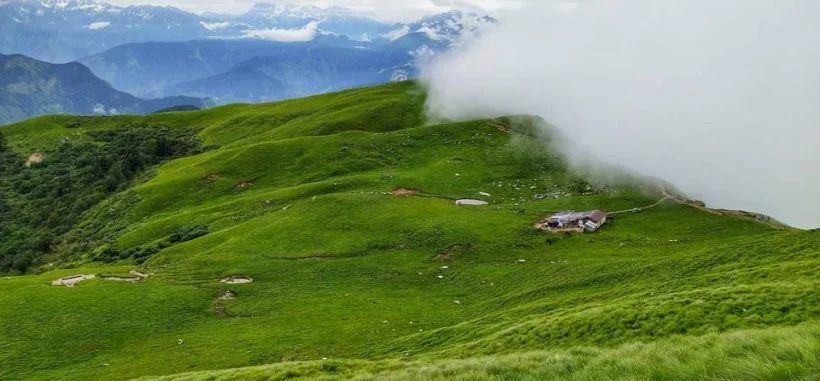
The trek officially begins in Sagar village and takes in a number of campsites along the way. The majestic meadows of Pun Bugyal and Punar Bugyal, with the Himalayan Mountains as a backdrop, are the closest thing to pure bliss. The trail to Rudranath is also covered in rhododendrons and changes in Himalayan vegetation after every few kilometers.
Devotees would chant and celebrate the trail for the duration of the journey. The reverberation of “Har Har Mahadev” imbues you with a powerful spiritual presence.
The final reach of Rudranath is enough to overwhelm devotees with the chants of “Mahadev”. The temple is covered in long ribbons of marigold garlands, long happy queues of devotees and the calmness of the Rudranath, everything about this place will capture you in its essence.
Things to look out for-
- Souviners from Rishikesh are great for memories.
- There are countless photogenic vistas, so we recommend that you prepare yourself for any aesthetic shoots. The best pictures are those taken under a blue sky with snow-covered peaks in the background.
- Explore the tranquility of this holy site and submerge yourself in “Neelkanth Mahadev” blessings.
- The route goes through a ‘Pitradhar’ ridge where trekkers can look out for awe-inspiring views of Chaukhamba peaks and Kedarnath.
The altitude covered in Rudranath Trek
- Rishikesh-340m
- Sagar village-1568m
- Pung Bugyal-2258m
- Rudranath-3600m
Views along the journey
Rishikesh to Sagar village- Beautiful routes covered in Himalayan vegetation, Temple dedicated to Sagar in Sagar village.
Sagar village to Punar Bugyal- Pun bugyal after the 2hr journey from Sagar village before reaching Punar Bugyal is beautiful grassland with hills covered in green pastures and strong confluences of distant mountains. Pitradhar ridge lying En route provides a spectacular view of Chaukhamba Peaks.
Nearby places to visit in Rudranath Trek
Visit the famous sagar temple in the Sagar village, the village is a great exploration point for a start and end stop of a trek.
While returning from the temple trekkers can opt for trek via Anusuya Devi temple to Mandal further from where teams can either walk or take a cab to Sagar Village. The temple of Anusuya Devi is dedicated to goddess Sati. Sati was believed to be the wife of Atri Muni, one of the great sages from Saptarishi.
Is it safe
Set amidst the high altitude ranges, concerns regarding Rudranath Trek safety are undeniably very valid questions. Yes the trek to Rudranath is indeed very safe and reliable, trails and much clearer safety protocols are sure to ease anyone’s concern.
Rudranath Trek Complete Guide
Our mission has always been to ensure that no trekker steps into the Himalayas without the right perspective. A trek is not just a checklist of summits; it is a serious commitment to the outdoors. Having the right information is what separates a reckless climb from a soulful journey.
This section serves as your definitive manual for the Rudranath Trek. We have distilled years of mountain experience and real-time feedback into this guide to give you a clear, honest picture of the trail.
We provide this depth of information because we want you to be more than just a visitor—we want you to be a prepared, responsible trekker who respects the mountains as much as we do.
Day 01: Pick up from Dehradun and drive to Sagar Village by tempo traveler (10–11 hours). Overnight stay at hotel/home stay.
Day 02: Trek from Sagar Village to Pung Bugyal (6 km, 4–5 hours, approx. 7,138 feet). Overnight stay in camp.
Day 03: Trek from Pung Bugyal to Panar Bugyal (6 km). Overnight stay in camp.
Day 04: Trek from Panar Bugyal to Rudranath (7 km, 5–6 hours, approx. 7,569 feet). Overnight stay in camp.
Day 05: Trek from Rudranath to Pung Bugyal (13 km, 6–7 hours). Overnight stay in camp.
Day 06: Trek from Pung Bugyal to Sagar Village (6 km, 4–5 hours). Overnight stay in camp.
Day 07: Drive from Sagar Village to Rishikesh/Dehradun (9–10 hours).
Day 1
Day 2
Day 3
Day 4
Day 5
Day 6
Day 7
Day 01: Pick up from Dehradun and drive to Sagar Village by tempo traveler (10–11 hours). Overnight stay at hotel/home stay.
Your journey begins with a pickup from Dehradun, followed by a long but scenic drive to Sagar Village, which takes around 10–11 hours. The route passes through beautiful mountain roads, rivers, and small villages, giving you a glimpse of the Himalayan landscape. After reaching Sagar Village, you will check into a hotel or homestay, relax, and prepare for the trek starting the next day.
Day 02: Trek from Sagar Village to Pung Bugyal (6 km, 4–5 hours, approx. 7,138 feet). Overnight stay in camp.
The trek begins from Sagar Village towards Pung Bugyal, covering a distance of around 6 km in 4–5 hours. The trail gradually ascends through dense forests and scenic landscapes, making it a refreshing start to the trek. As you gain height, you will experience beautiful views of the surrounding mountains. Upon reaching Pung Bugyal, a vast alpine meadow, you will rest and stay overnight in camps surrounded by nature.
Day 03: Trek from Pung Bugyal to Panar Bugyal (6 km). Overnight stay in camp.
On this day, you will trek from Pung Bugyal to Panar Bugyal, covering a distance of around 6 km. The trail continues through beautiful meadows and forest patches, offering peaceful surroundings and scenic mountain views. The gradual ascent may feel slightly challenging, but the open landscapes and fresh air make it enjoyable. After reaching Panar Bugyal, you will settle into the campsite and rest overnight amidst the serene Himalayan environment.
Day 04: Trek from Panar Bugyal to Rudranath (7 km, 5–6 hours, approx. 7,569 feet). Overnight stay in camp.
Today you will trek from Panar Bugyal to Rudranath, covering around 7 km in 5–6 hours. This is one of the most important and scenic days of the trek. The trail takes you through high-altitude meadows and rocky paths with stunning views of the Himalayan peaks. As you approach Rudranath, the spiritual atmosphere becomes more prominent. After reaching the temple area, you will rest and stay overnight at the campsite, surrounded by peaceful mountain surroundings.
Day 05: Trek from Rudranath to Pung Bugyal (13 km, 6–7 hours). Overnight stay in camp.
After visiting Rudranath in the morning, you will begin your return trek towards Pung Bugyal, covering a longer distance of around 13 km in 6–7 hours. The descent can be tiring on the knees, but the familiar trails and scenic views make the journey enjoyable. You will pass through the same beautiful meadows and landscapes before reaching Pung Bugyal, where you will stay overnight in camps and relax after a long day.
Day 06: Trek from Pung Bugyal to Sagar Village (6 km, 4–5 hours). Overnight stay in camp.
Today you will trek back from Pung Bugyal to Sagar Village, covering around 6 km in 4–5 hours. The trail is mostly downhill and passes through forests and scenic paths, making the descent easier compared to earlier days. After reaching Sagar Village, you can relax and unwind after completing the trekking portion of your journey. Overnight stay will be arranged at the campsite or homestay.
Day 07: Drive from Sagar Village to Rishikesh/Dehradun (9–10 hours).
On the final day, you will drive from Sagar Village back to Rishikesh or Dehradun, which takes around 9–10 hours. This marks the end of your trek journey. Enjoy the scenic drive through the mountains one last time as you head back, carrying memorable experiences of the Rudranath trek.
Rudranath Trek – Difficulty Level
The Rudranath Trek is considered a moderate to difficult trek. While it does not require technical climbing skills, it can still be physically demanding due to long distances, steep trails, and high altitude.
Why is it Moderate to Difficult?
- Long Distance: The trek covers around 20–25 km (one side), which requires good stamina and endurance.
- Steep Climbs & Descents: The route includes continuous uphill and downhill sections that can be tiring, especially for beginners.
- High Altitude: The trek reaches over 3,500 meters, where oxygen levels are lower and can make breathing more difficult.
- Remote Location: The trail is less crowded and has limited facilities, which adds to the challenge.
Who Can Do This Trek?
- Beginners with good fitness can attempt it with preparation
- Intermediate trekkers will find it manageable and enjoyable
- People with low fitness may find it very difficult
Fitness Required
You should be able to walk for 5–6 hours daily, handle steep climbs, and have good stamina through activities like running, cycling, or regular exercise.
The Rudranath Trek is not the hardest trek, but it is definitely not easy. It is best suited for people with basic fitness and some trekking experience who are ready for a challenging yet rewarding journey.
Best Time to Visit Rudranath Trek
The best time to do the Rudranath Trek is during May–June and September–October. These months provide safe weather conditions, clear trekking paths, and the most beautiful natural scenery, making your trekking experience enjoyable and comfortable.
May to June (Summer Season)
This is the ideal time for most trekkers, especially beginners. During this period, the snow starts melting, which opens up the trekking routes and makes them easier to walk on. The weather is pleasant—not too cold or too hot—allowing you to trek comfortably. The valleys and meadows are full of greenery and blooming flowers, which adds to the beauty of the journey. Because of stable weather and safe conditions, this season is highly recommended.
September to October (Post-Monsoon Season)
This season is perfect for those who want clear mountain views and a peaceful trekking experience. After the monsoon rains, the sky becomes crystal clear, offering stunning views of the Himalayan peaks. The surroundings look fresh and clean, and there are fewer crowds compared to summer. However, the temperature begins to drop slightly, so it is better suited for those comfortable with trekking.
Why Other Seasons Are Not Suitable
During the monsoon months (July–August), heavy rainfall makes the trails slippery and increases the risk of landslides, which can be dangerous. In winter (November–April), heavy snowfall blocks the trekking routes completely, and even the temple remains closed, making the trek inaccessible.
In simple terms, May–June is best for comfort and greenery, while September–October is best for clear views and fewer crowds. Choosing the right season ensures a safe, enjoyable, and memorable trekking experience.
How to Reach Rishikesh
If you are travelling from any metropolitan city in India or from outside India, getting to the capital city of Delhi may be the first and most important step. All major modes of transportation, such as air, road, and rail, can take you to Delhi.
Rishikesh is connected to most major cities in India via all chief modes of transportation. Trekkers could perhaps conduct extensive research for their direct mode of transportation to ensure a much smoother arrival.
How to reach Rishikesh from Delhi
By air– Jolly Grant Airport is the nearest airport to Rishikesh. It is well connected to Delhi and many chief cities with daily flights.
By road- Delhi has direct road routes to Rishikesh. Trekkers will have to book either a bus or private cabs. Prior booking for cabs and buses are easily available at various sites.
Delhi > Rishikesh > Sagar village
By railway– Nearest Railway station to Rishikesh will be Rishikesh Railway station. Since Rishikesh is connected to all major railway routes, trekkers can opt for a direct route or via Delhi. They can also opt for direct trains to Dehradun or Haridwar and then take a cab or bus to Rishikesh.
Some important points to note-
- Please note that we don’t provide timings schedules for transportation before Rishikesh. Subjected to various conditions the scheduled timings and availability of particular rides may differ. We recommend trekkers to reach out to our teams for any queries. You can drop an email or call us for an initial guided session.
- Our teams will be collecting trekkers at fixed points of airports, railway stations and bus stands. It is recommended that unless any delay arrives, trekkers are advised to reach the destinations at least 2 hours prior.
Packing and Gear List for Rudranath Trek
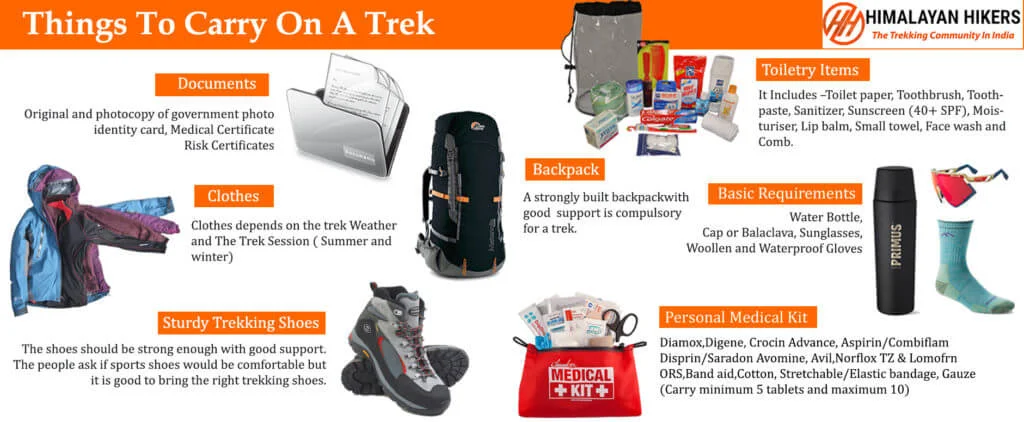
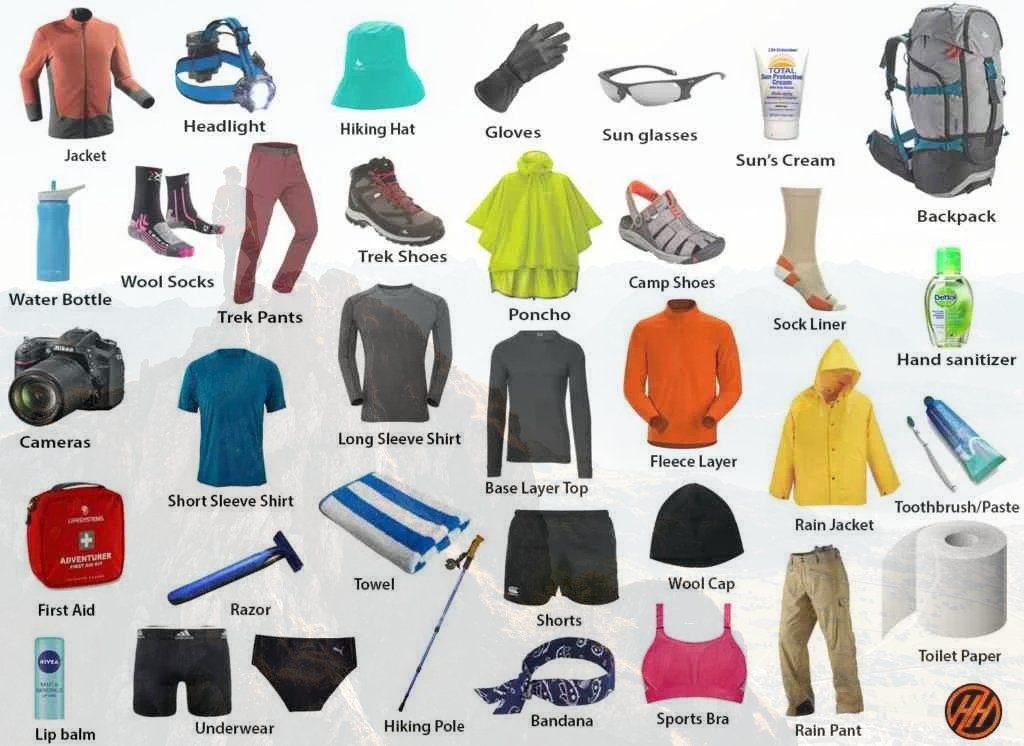
Packing the right gear is very important for a safe and comfortable Rudranath Trek. Since the trek involves long distances, changing weather, and high altitude, you should carry only essentials while keeping your backpack light.
Clothing
- Quick-dry T-shirts (2–3)
- Trekking pants (2 pairs)
- Warm jacket (fleece or down jacket)
- Thermal innerwear (top & bottom)
- Waterproof jacket or poncho
- Woolen cap and gloves
- Trekking socks (3–4 pairs)
Footwear
- Good quality trekking shoes with strong grip
- Extra slippers or sandals for campsite
Essentials
- Backpack (40–50L) with rain cover
- Trekking pole (optional but helpful)
- Water bottles (2 liters) or hydration pack
- Sunglasses (UV protection)
- Cap or hat for sun protection
Personal Items
- Sunscreen (SPF 30+)
- Lip balm
- Toothbrush, toothpaste, and small towel
- Hand sanitizer and wet wipes
Medical Kit
- Basic first aid kit
- Personal medicines
- Pain relief spray or tablets
- Band-aids and antiseptic cream
Other Important Items
- Headlamp or torch with extra batteries
- Power bank
- Snacks (energy bars, dry fruits)
- ID proof
Tips
Always pack light but smart. Avoid carrying unnecessary items, and make sure your backpack is well-organized. Proper packing will make your trek easier and more enjoyable.
How to Prepare for Rudranath Trek
Proper preparation is essential for completing the Rudranath Trek safely and comfortably. Since this trek is moderate to difficult, you need to focus on physical fitness, mental readiness, and proper planning before starting your journey.
Physical Fitness Preparation
Start preparing at least 3–4 weeks before the trek. Focus on improving your stamina and endurance.
- Jogging or running for 20–30 minutes daily
- Brisk walking or cycling
- Practice climbing stairs to build leg strength
- Do exercises like squats and lunges
Mental Preparation
Trekking in the mountains can be physically and mentally challenging. You may face long walking hours, changing weather, and basic facilities. Stay positive, patient, and mentally prepared for these conditions.
Packing Smartly
Carry only essential items to keep your backpack light. Make sure you have proper trekking gear, warm clothes, and rain protection. Avoid overpacking as it can slow you down during the trek.
Practice Trekking
If possible, go on short hikes or practice treks before your main journey. This helps your body adjust to walking on uneven terrain and prepares you for longer trekking days.
Acclimatization
Since the trek reaches high altitude, give your body time to adjust. Walk at a steady pace, stay hydrated, and avoid rushing. Proper acclimatization helps prevent altitude sickness.
Diet and Hydration
Eat a balanced diet and stay hydrated before and during the trek. Carry energy snacks like dry fruits and drink plenty of water to maintain energy levels.
- Start early each day to avoid trekking in the dark
- Check weather conditions before your trip
- Carry necessary permits and ID proof
- Trek with a guide if you are a beginner
With proper preparation, the Rudranath Trek becomes a safe and enjoyable experience. Focus on fitness, pack wisely, and stay mentally strong to fully enjoy the beauty of the Himalayas.
Safety with Himalayan Hikers
Trekking with an experienced organization like Himalayan Hikers ensures a safer and more organized Rudranath Trek experience. They follow proper safety protocols, provide trained staff, and manage risks effectively in high-altitude environments.
Experienced Guides
Professional and trained guides accompany trekkers throughout the journey. They are familiar with the route, weather conditions, and emergency procedures, which helps in handling any unexpected situations.
Proper Route Planning
The team carefully plans the trekking route, campsites, and daily schedule. This helps in avoiding risky areas and ensures proper acclimatization during the trek.
First Aid & Emergency Support
Himalayan Hikers provide basic first aid kits and have trained staff to handle minor injuries and altitude-related issues. In case of emergencies, they are prepared with evacuation plans.
Hygienic Food & Water
Nutritious and hygienic meals are provided during the trek, which helps maintain energy levels and prevents health issues. Clean drinking water is also arranged.
Safe Camping Arrangements
Campsites are selected carefully for safety and comfort. Quality tents and sleeping arrangements protect trekkers from harsh weather conditions.
Weather Monitoring
The team regularly monitors weather conditions and adjusts plans if needed to avoid dangerous situations like heavy rain or storms.
Choosing Himalayan Hikers adds an extra layer of safety to your trek. With experienced guides, proper planning, and emergency support, you can focus on enjoying the journey while staying secure in the mountains.
| Category | Details |
|---|---|
| Transport | Dehradun to Dehradun round-trip via Tempo Traveler (Pickup & Drop) |
| Permits & Entry | Forest Permit and Entrance Fees |
| Accommodation | Accommodation on Twin/Triple Sharing |
| Meals | Breakfast, Lunch, Tea, Coffee, Snacks, Soup, Dinner (All meals included) |
| Camping Gear | High-Quality Dome Tents, Sleeping Bags, Mattress, Liner |
| Sanitation Setup | Separate Toilet Tents (Ladies & Gents), Dining Tent, Dining Table, Camping Chair |
| Support Staff | Kitchen Team, Trek Helpers |
| Communication Tools | Radio Walkie-Talkie |
| Trek Guides | Experienced Trek Leader & Technical Guide |
| Safety Equipment | Medical Kit, Oxygen Cylinders, Pulse Oximeter |
| Trekking Equipment | Crampons, Gaiters |
| Category | Details |
|---|---|
| Meals (Not Included) | – Day 1: En route Breakfast & Lunch to base camp– Day 5: En route Lunch & Dinner (not included) |
| Insurance & Documents | – Personal Insurance– Medical Certificate (Mandatory for age 50 and above) |
| Personal Essentials | – Personal Toiletry Items– Personal Medical Kit |
| Porter Service | – Porter fee: ₹400 per day (to be paid directly at base camp)– Minimum bag weight for porter: 8 kg |
| Foreign Nationals | – ₹1600 extra for trekking permit– Passport and valid Visa required |
Important Note
Himalayan Hikers offers both online and offline booking options for their treks.
1. Online Booking:
- Website: Himalayan Hikers has an official website where trekkers can browse through different treks, check details (itineraries, costs, difficulty level, etc.), and make bookings. Payment gateways are integrated for secure online transactions.
- Third-Party Platforms: They might also be listed on various trekking or adventure booking platforms, where you can compare prices, read reviews, and make bookings.
- Email Communication: Trekkers can inquire about treks via email and complete the booking process online, following email communication and payment.
2. Offline Booking:
- Direct Office Visit: Himalayan Hikers has physical offices (especially in Uttarakhand), where trekkers can visit in person, discuss treks, and complete bookings directly.
- Phone Booking: You can also call their office to make a booking. Details about payment methods, trek dates, and other logistics can be confirmed over the phone.
Yes, Himalayan Hikers requires a 25% advance payment for booking treks, Via- Google pay or UPI, Directly Himalayan Hikers Account with the remaining amount to be paid in cash at basecamp before the trek starts. This payment structure is typical for ensuring that bookings are confirmed while allowing trekkers flexibility in completing the payment when they arrive.
Map not available for this trek.
The Rudranath Trek is considered moderate to difficult. It involves long distances, steep climbs, and high altitude, making it suitable for trekkers with good fitness.
The best time is from May to June and September to October, when the weather is pleasant and the trekking routes are safe and clear.
The trek is approximately 20–25 km one way, depending on the route taken.
Beginners can attempt it if they have good physical fitness and proper preparation, but some trekking experience is helpful.
Rudranath Temple is located at an altitude of around 3,500+ meters above sea level.
While not mandatory, it is highly recommended to trek with a guide or group for safety and better navigation.
Yes, accommodation is available in camps, homestays, or basic lodges along the route.
Mobile network is limited and unreliable in most parts of the trek.
You should carry warm clothes, trekking shoes, rain gear, a first aid kit, and essential personal items.
Yes, the trek is safe if done in the right season with proper preparation and precautions.


.webp)


