


The Mystery and Divinity of Om Parvat
Among the many wonders of this region, Om Parvat stands out as a true natural marvel. It is believed to be one of the few mountains in the world where the sacred Hindu symbol (Om) appears naturally formed on its surface by snow patterns. This rare phenomenon makes Om Parvat Uttarakhand a deeply revered site and a major highlight of the Kailash Yatra India experience.
Spiritual Significance of Adi Kailash
Adi Kailash, often referred to as “Chhota Kailash” holds immense importance in Hindu mythology. It is considered a sacred abode of Lord Shiva, making the Adi Kailash pilgrimage a powerful spiritual journey. Devotees undertake this yatra not just for darshan, but also to connect deeply with their inner selves. One of the most significant rituals here is the Parikrama of Adi Kailash, a circumambulation of the holy mountain. This sacred walk is both physically demanding and spiritually uplifting, making it a defining part of the Adi Kailash itinerary.
Scenic Beauty and Natural Landscapes
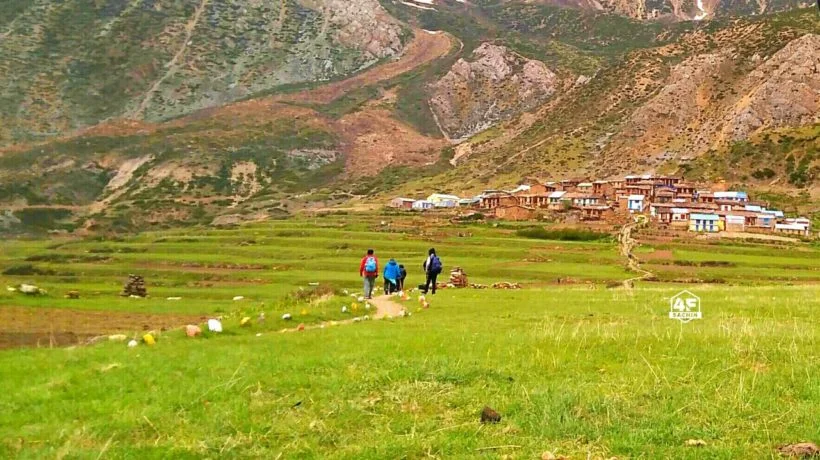
The Himalayan trek in the Uttarakhand route to Adi Kailash is filled with breathtaking views at every step. Trekkers pass through vibrant green valleys, dense forests, glacial rivers, and high-altitude meadows. The untouched beauty of this region makes it one of the most stunning offbeat trekking destinations India has to offer.
Kailash Kund and Sacred Stops
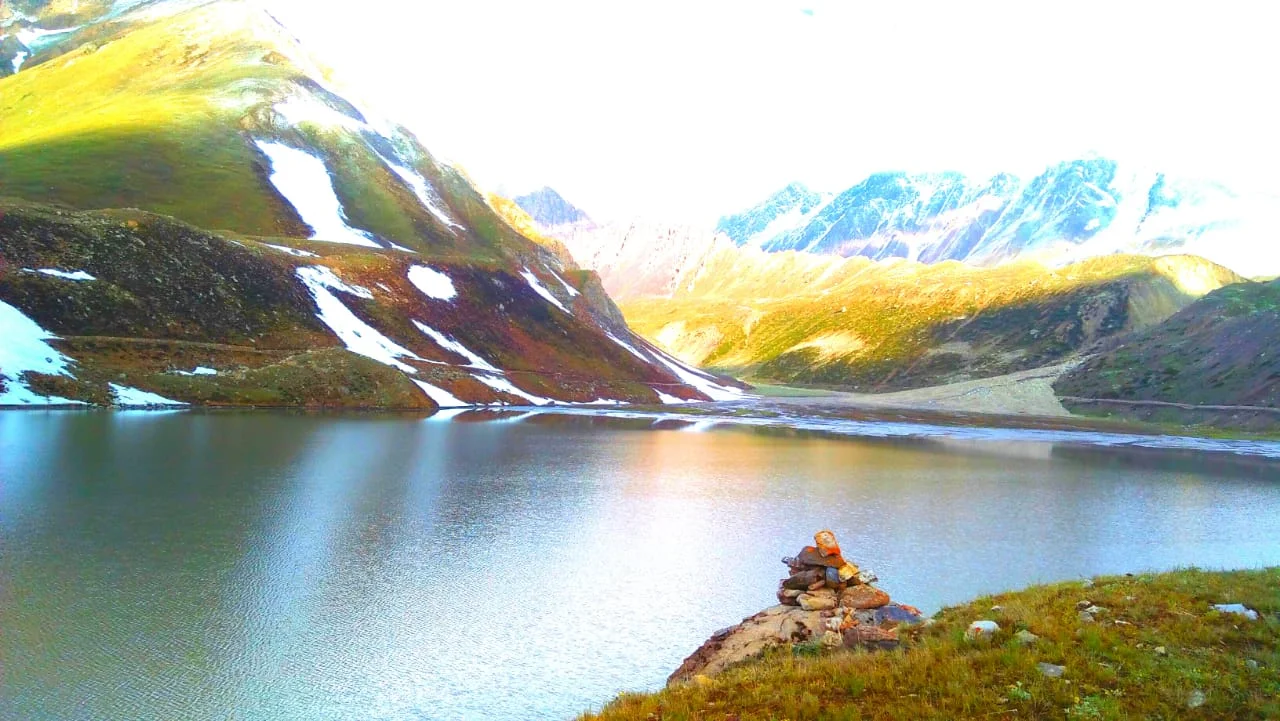
Another important highlight of the journey is Kailash Kund, a sacred lake where pilgrims perform rituals and take a holy dip in its icy waters. This spiritual stop adds depth to the overall Adi Kailash travel guide, making the journey not just adventurous but also deeply meaningful.
Adventure and Trekking Experience
The Adi Kailash trek difficulty level is considered moderate to challenging. As a high-altitude trek in India, it involves steep ascents, rocky terrain, and crossing glacial streams. Proper acclimatisation and physical fitness are essential for completing the trek safely.
For adventure seekers, this journey offers everything—from camping in Adi Kailash under star-lit skies to exploring remote Himalayan trails. It is truly one of the most challenging Himalayan treks that rewards you with unmatched experiences.
Culture and Local Life
Beyond nature and spirituality, the trek also offers a glimpse into the lives of local Himalayan communities. Interacting with locals adds richness to the Adi Kailash route, allowing travellers to experience traditional culture, simple living, and warm hospitality.
Only one of the 8 mountains with an Om symbol is discovered and that is – Om Parvat. Reason of its popularity is hard religious connect with a taste of jaw dropping adventure.
The Adi Kailash (also known as Om Parvat) trek is a challenging and spiritually significant trek in the Indian state of Uttarakhand. Here are some of the highlights of this trek:
- Scenic Beauty: The Adi Kailash trek takes you through stunning landscapes, including lush green valleys, dense forests, and picturesque meadows. The natural beauty of the region is awe-inspiring.
- Om Parvat: The trek is famous for the sacred Om Parvat, a mountain that naturally resembles the sacred Hindu symbol “Om” (ॐ). It is considered highly auspicious, and pilgrims visit this site to seek blessings.
- Religious Significance: Adi Kailash holds immense religious significance for Hindus, as it is believed to be the home of Lord Shiva. Pilgrims undertake this trek to seek the blessings of Lord Shiva and to perform the Parikrama (circumambulation) around Adi Kailash.
- Parikrama: The main highlight of the trek is the Parikrama or circumambulation of the Adi Kailash peak. This sacred ritual involves walking around the mountain as an act of devotion. The Parikrama route is quite challenging and requires physical and mental endurance.
- Kailash Kund: Kailash Kund is a holy lake located on the trek route. Pilgrims take a dip in its icy-cold waters as part of their religious rituals.
- Camping: The trek offers opportunities for camping in serene and remote locations. Spending nights under the starry sky and beside gurgling streams is a memorable experience.
- Flora and Fauna: The region is rich in biodiversity. Trekkers may come across various species of flora and fauna during the journey, including rare Himalayan birds and animals.
- Challenging Terrain: The Adi Kailash trek is not for the faint-hearted. It involves traversing steep and rocky paths, crossing glacial streams, and dealing with high-altitude conditions. Trekkers need to be physically fit and prepared for the challenges.
- Local Culture: Interact with the local people, who belong to various indigenous communities. Experience their unique culture, traditions, and hospitality.
- Adventure and Spirituality: The trek combines the thrill of adventure with the spiritual aspect of the journey. It offers a unique opportunity to connect with nature and deepen your spiritual practice.
Adi Kailash Om Parvat Trek, The best Monsoon Trek
Adi Kailash and Om Parvat trek is undisturbed and under explored which maintains its pristine beauty. The best time to do this trek is June to October, it is one of those rare treks which are best when done in Monsoon.
The Kailash Tribology of Adi Kailash Om Parvat Trek in the Himalayas
Nestled in the peaceful Himalayas of Uttarakhand Om Parvat is the oldest resting place of Shiva and is of great significance to Hindus. The Kailash trilogy are –Kailash Mansarovar, Adi Kailash and Kinnaur Kailash, according to the legends these are abodes of Lord Shiva, Parvat, Ganesha and Kartikeya.
Adi Kailash Om Parvat Trek Complete Guide
Our mission has always been to ensure that no trekker steps into the Himalayas without the right perspective. A trek is not just a checklist of summits; it is a serious commitment to the outdoors. Having the right information is what separates a reckless climb from a soulful journey.
This section serves as your definitive manual for the Adi Kailash Om Parvat Trek. We have distilled years of mountain experience and real-time feedback into this guide to give you a clear, honest picture of the trail.
We provide this depth of information because we want you to be more than just a visitor—we want you to be a prepared, responsible trekker who respects the mountains as much as we do.
Note: Pickup from the Bus station of Haldwani, drive to Dhar Chula by tempo travelers and Boleros.
Day 1: Pick up from Kathgodam Haldwani & drive to Dharchula
Pickup: 7:00 am Drive: 230 km (Approx: 7-8 hrs) | Altitude: 3,080 ft
Day 2: Passengers will be sent for a medical report to the government hospital for an inner line permit.
Day 3: Drive From Dharchula to Napalchu / Naavi Gaon
Drive: 80 km (Approx: 02-03 hrs) | Altitude: 12,300 ft
Day 4: Drive From Napalchu / Naavi Gaon to Nabhidhang
Drive: 20-25 km (Approx: 1-2 hrs) | Altitude: 14764 ft
Day 5: Drive From Nabhidhang to Jolingkong
Drive: 20-22 km (Approx: 2:30-3 hrs) | Altitude: 15200 ft
Day 6: Drive From Jolingkong to Dharchula
Drive: 110-120 km (Approx: 8-10 hrs) | Altitude: 3,080 ft
Day 7: Dharchula to Kathgodam, Haldwani
Drive: 230 km (Approx: 7-8 hrs) | Altitude: 1,699 ft
Day 1
Day 2
Day 3
Day 4
Day 5
Day 6
Day 7
Day 1: Pick up from Kathgodam, Haldwani & drive to Dharchula
Pickup: 7:00 am Drive: 230 km (Approx: 7-8 hrs) | Altitude: 3,080 ft
The journey will begin early in the morning, between 6:00 and 6:30 AM, from Kathgodam Bus Station, where passengers will be warmly welcomed, and the tour will start.
On the first day, the route will proceed towards Almora with a visit to the sacred Jageshwar Dham Temple, allowing travellers to begin their journey with divine blessings. En route, passengers will also have a darshan of several ancient temples, adding a spiritual and peaceful experience to the trip.
By evening, the group will reach Dharchula for an overnight stay at well-maintained Kumaon Mandal hotels, ensuring comfort, cleanliness, and proper hospitality. Pure vegetarian meals will be served throughout the journey, along with sweets after meals for a pleasant experience.
The journey will include visits to Jageshwar Dham Temple, Gurna Mandir, Mahadev Cave, Dhaula Devi Temple, and Dol Ashram, making it a spiritually enriching pilgrimage.
Day 2: Passengers will be sent for a medical report to the government hospital for an inner line permit.
After breakfast, all passengers will be taken to the Government Hospital in Dharchula for a mandatory medical check-up to ensure fitness for the high-altitude trek.
Once completed, travellers can explore Dharchula at their leisure, visit the local market, and enjoy scenic views. You may also cross the Dharchula Suspension Bridge over the Kali River to visit nearby Nepal and experience its local culture.
Lunch and dinner will be served at the hotel, ensuring a comfortable stay before the trek continues.
Day 3: Drive From Dharchula to Napalchu / Naavi Gaon
Drive: 80km (Approx: 02-03 hrs) | Altitude: 12,300 ft
After breakfast, the Adi Kailash Yatra begins from Dharchula, heading towards Napalchu via Malpa, Buddhi, Chialekh, Garbyang, and Siti, offering stunning Himalayan views along the way.
After lunch, enjoy local sightseeing around Napalchu and Gunji, including a visit to Manela, where natural formations resemble Lord Shiva and Lord Ganesha. The day also includes a visit to the sacred site linked to Ved Vyasa.
Lunch and dinner will be provided at the homestay for a comfortable overnight stay.
Day 4: Drive From Napalchu / Naavi Gaon to Nabhidhang
Drive: 20-25 km (Approx: 1-2 hrs) | Altitude: 14764 ft
After breakfast, travellers will proceed by jeep from Napalchu to Nabhidhang for high-altitude sightseeing, including the sacred Om Parvat. En route, visits will be made to Kalapani Temple, the cave of Ved Vyasa, and views of Sheshnag and Pandav Mountains, along with Parvati Mata’s formation.
Packed meals will be provided. Travellers will return to Napalchu by 5:00 PM, followed by dinner and an overnight stay at a homestay.
Day 5: Drive From Nabhidhang to Jolingkong
Drive: 20-22 km (Approx: 2:30-3 hrs) | Altitude: 15200 ft
After breakfast, passengers will be taken by jeep to Jollingkong for the Kailash Darshan. Pilgrims will have the opportunity to seek blessings and perform recitation at Adi Kailash, Gauri Kund, and Parvati Sarovar. The day is reserved for exploring the scenic beauty of Jollingkong, with ample time provided for sightseeing and photography.
Day 6: Drive From Jolingkong to Dharchula
Drive: 110-120 km (Approx: 8-10 hrs) | Altitude: 3,080 ft
After an early morning wake-up and breakfast, pilgrims will have darshan of Adi Kailash Ji. Following the darshan, they will proceed on their journey back to Dharchula.
The overnight stay will be arranged at the Kumaon Mandal Guest House.
Lunch and dinner will be served at the respective hotels where the travellers are accommodated.
Day 7: Dharchula to Kathgodam, Haldwani
Drive: 230km (Approx: 7-8 hrs) | Altitude: 1,699 ft
On this day, after breakfast, passengers will be transferred from Dharchula to Haldwani (Kathgodam).
This marks the final leg of the journey, as travellers proceed toward home with joyful memories and a heart full of happiness.
To conclude the trip on a warm note, passengers will be bid farewell in Haldwani (Kathgodam) with the traditional sweet of Uttarakhand, Bal Mithai. With heartfelt goodbyes and best wishes, the journey comes to a memorable end.
Difficulty level of the Adi Kailash & Om Parvat Trek
Not a simple walk, this trek involves high altitude travel, rough terrain, and long journeys. Suitable for fit beginners with preparation, but easier for experienced trekkers.
1. High Altitude Challenge
- The trek reaches elevations of around 4,500–5,000 meters (14,700–16,400 ft).
- Risk of altitude sickness (AMS) is real, so acclimatisation is very important.
- In high-altitude or technical sections, staying together is important for safety and quick assistance if needed.
- At higher altitudes, the body loses water faster through breathing, even if you don’t feel sweaty.
2. Mixed Terrain
- Includes rocky paths, steep climbs, river crossings, and rough mountain roads.
- Some sections are done by vehicle, but walking parts can still be demanding.
3. Weather Conditions
- Weather can change quickly, with cold winds, rain, and even snow in some seasons.
- Temperatures can drop below freezing at night.
4. Minimal Trekking Effort
- Short walks at places like Om Parvat viewpoint and Adi Kailash.
- No technical climbing, rope work, or glacier crossings.
- Suitable even for older travellers if medically fit.
5. Remote Location
- The region lies close to the Indo-Tibet border in Pithoragarh district.
- Limited medical facilities and network connectivity.
- Requires permits and medical fitness clearance.
6. Group Pace Issues
- Not everyone in the group has the same stamina or trekking experience, which naturally creates gaps in pace.
- Some trekkers need frequent rest stops, while others prefer fewer breaks, leading to a mismatched rhythm.
- Slower members may feel rushed or stressed trying to keep up, which can reduce enjoyment and increase fatigue.
- Faster trekkers might feel held back, especially on long trekking days.
- The group may unintentionally split into smaller sub-groups, which can be unsafe in remote areas.
- If the group spreads out too much, communication becomes difficult, especially in areas with no network.
7. Dehydration & Low Energy Issues During Trek
- Cold weather often suppresses thirst, so trekkers may not drink enough water.
- Continuous walking, climbing, and long trekking hours drain energy quickly if hydration isn’t maintained.
- Dehydration directly affects stamina, making you feel tired earlier than usual.
- Dehydration can reduce hunger, which further lowers energy levels.
- Cold winds combined with dehydration can cause cracked lips and dry skin.
- Lack of hydration can affect focus, decision-making, and overall mood.
Best Time to Visit Adi Kailash & Om Parvat Trek
The ideal time to visit Adi Kailash and Om Parvat is May to June and September to October, when the weather is relatively stable, mountain roads are open, and views of the Himalayas are clear. This region is a high-altitude border area, so accessibility is highly dependent on seasonal conditions.
April to June (Summer Season)
- Ideal Weather: Spring and early summer bring relatively stable weather with clear skies, making travel from Dharchula to Gunji and onward routes comfortable and scenic.
- Accessible Routes: Most road sections and high-altitude routes such as Tawaghat, Nabhi, and Jyolingkong become accessible after winter snow clears. This is the most popular time for pilgrimage and sightseeing.
- Scenic Beauty: Valleys along the Kali River, snow-capped peaks, and green patches at lower elevations create a striking contrast with the barren high-altitude terrain near Adi Kailash.
- Convenient Timing: This is the safest window for combined visits to both Adi Kailash viewpoint and Om Parvat viewpoint, as weather conditions are comparatively predictable and stable.
July–August (Monsoon Season)
- Landslides & Roadblocks: Heavy monsoon rains make the Dharchula–Tawaghat–Gunji route vulnerable to frequent landslides, road damage, and temporary closures.
- Dangerous Travel Conditions: Slippery roads, falling rocks, and swollen streams increase travel risks significantly in this border region.
- Restricted Accessibility: Although the region may still be open under supervision, travel plans are often delayed or cancelled due to unpredictable weather.
- Infrastructure Challenges: Limited emergency services and difficult rescue access make travel during this period generally unsafe and not recommended.
September to October (Post-Monsoon Season)
- Clear Views & Best Photography: This is one of the best periods for crystal-clear views of Adi Kailash, Om Parvat, and the surrounding Himalayan peaks.
- Stable Accessibility: Roads and trekking routes gradually stabilise after monsoon damage, making travel smoother and more reliable.
- Pleasant Conditions: Cool temperatures, fresh mountain air, and clear skies make long drives and short hikes more enjoyable.
- Ideal Pilgrimage Season: Many travellers prefer this window due to lower crowding compared to peak summer months and improved visibility of sacred sites.
November to March (Winter Season)
- Heavy Snowfall: High-altitude regions near Jyolingkong and Nabhidhang experience heavy snowfall, often blocking routes completely.
- Extreme Cold Conditions: Temperatures drop significantly, often below freezing, making outdoor travel and night stays very difficult.
- Road Closures: The Dharchula–Gunji route and onward paths may become partially or fully inaccessible due to snow and ice.
- Limited Facilities: Most local stays and support services reduce operations, and only essential travel is possible with difficulty and proper permits.
How to Plan Your Travel for the Adi Kailash & Om Parvat Trek
We strongly suggest reaching Kathgodam, Haldwani a day before your official journey begins. For example, if your yatra starts on 22nd September, plan your arrival for 21st September.
This extra day helps you:
- Recover from long travel
- Adjust to mountain conditions
- Complete permits and briefing (if required)
Your journey begins by reaching Uttarakhand, usually via Delhi or nearby cities.
The trek route leads toward the remote Himalayan region of Pithoragarh district, close to the Indo-Tibet border, where you can witness the divine peaks of Adi Kailash and the sacred natural formation of Om Parvat.
By Train
If you prefer trains, travel to:
- Kathgodam Railway Station (most common railhead from Delhi
- Trains are available from New Delhi / Anand Vihar Terminal
By Air
Nearest airport options:
- Pant Nagar Airport (closest workable airport)
From the airport:
- Hire a taxi or take a bus to Kathgodam/Haldwani
- Then continue toward Dharchula
By Road (Most Popular Option)
Road travel is the main and most scenic route for this yatra:
First, reach the ISBT Anand Vihar, and then you have lots of options for buses.
- Overnight buses run from Delhi to Kathgodam / Haldwani
- Travel time: 5–6 hours.
- Both government (UTC) and private Volvo buses are available
- From Kathgodam / Haldwani, your mountain journey truly begins.
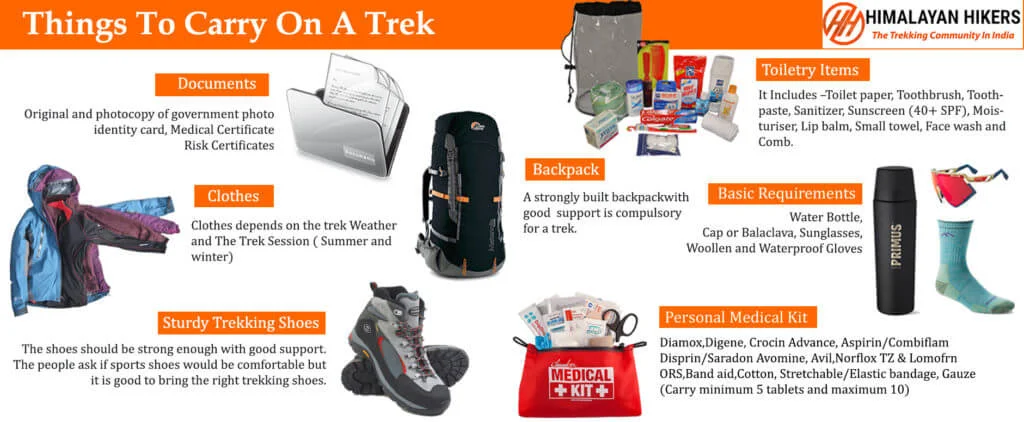
Necessary Items for trekkers
Mandatory Documents
Original and photocopy of government photo identity card- (Aadhar Card, Driving License, Voters ID, etc,)
Passport and Visa important to foreigners
Medical Certificate (First part should be filled by the Doctor and Second part by the Trekker)
Declaration Certificates
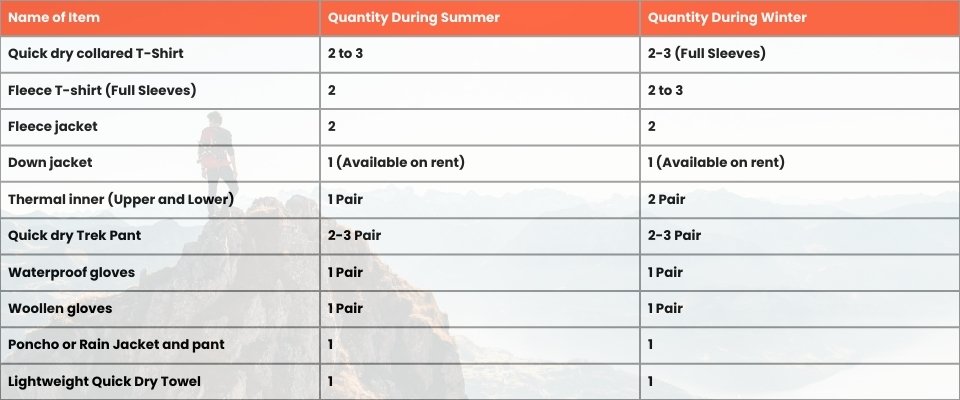
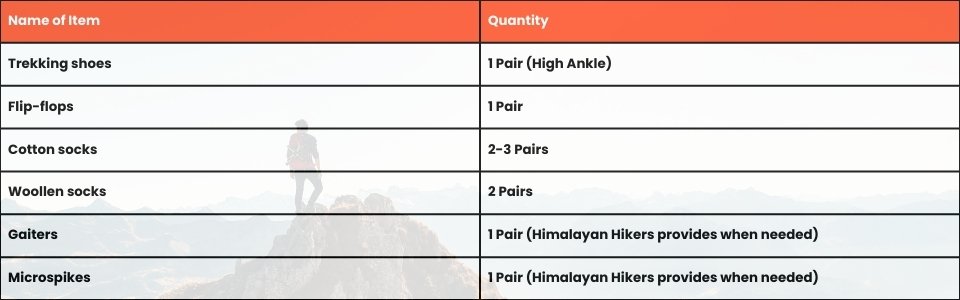
Note: – Many trekkers commit the same mistake of carrying unnecessary items on a trek which only makes the backpack heavy. It is important to know the right items to carry. It differs from season to season if you are trekking in summers then carry less layers of warm clothing and if you are trekking in winters carry enough layers to protect yourself against chilly cold.
Basic Trekking Gears
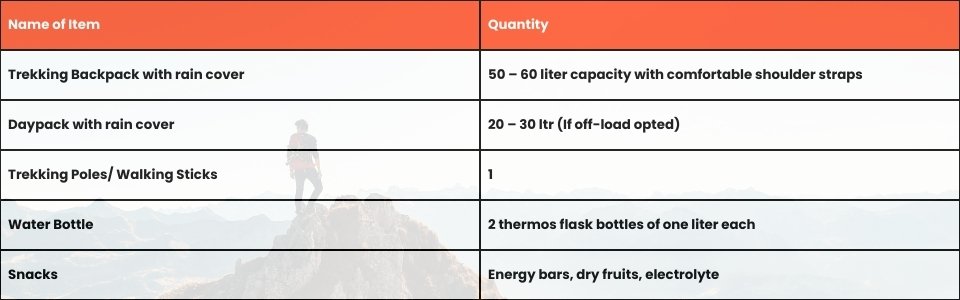
The Clothes You Should Bring On Satopanth Expedition
Head Gears

Foot Gears
Personal Care Essentials

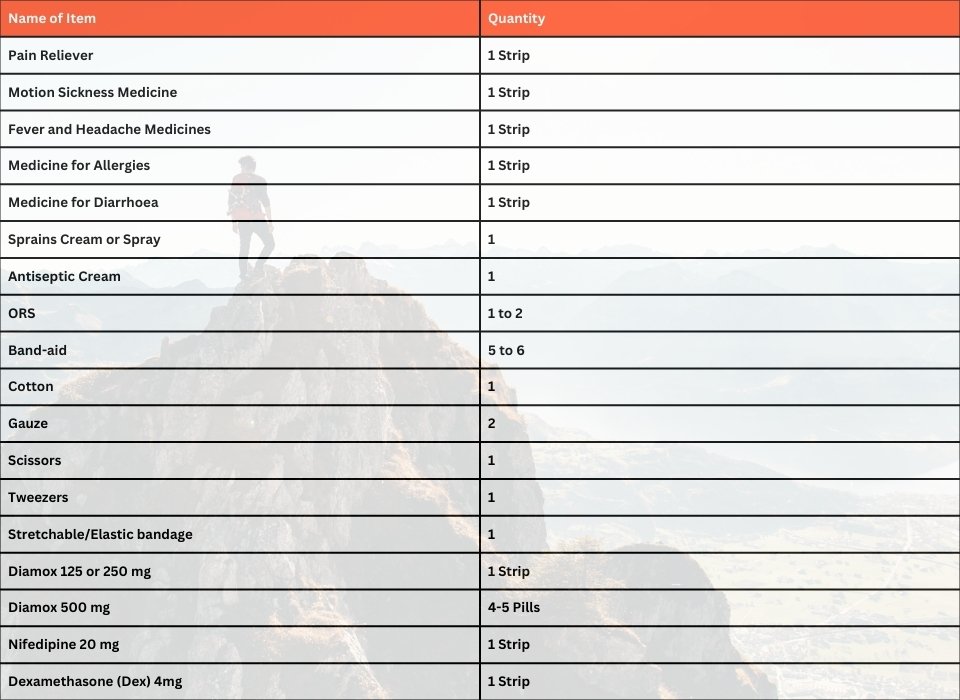
Carry a Personal Medical Kit
Are you Looking for Trekking Equipment on Rent?
If any trekker requires trekking equipment on rent, Himalayan Hikers offers the best-quality gear available for rental. Many individuals are in need of such equipment, and renting provides a cost-effective solution, allowing them to access high-quality gear at an affordable price without the need for a significant investment for short-term use.

Trek Equipment You can book directly on first day at the Base Camp.
Note:-
Please take all medicines only when prescribed by the doctor. In case you face any problem during your trek,
discuss and take advice from the Professional guide.
1. Cardio (Stamina is Key)
You’ll walk long distances at altitude, so endurance matters most.
Do 4–5 days/week:
- Brisk walking: 30–45 minutes
- Light jogging: 20–30 minutes
- Cycling (optional)
Goal: Walk 5–6 km comfortably
2. Leg Strength (Uphill Support)
Strong legs reduce fatigue in the mountains.
Do 3–4 days/week:
- Squats – 3 sets × 12 reps
- Lunges – 3 sets × 10 each leg
- Step-ups – 3 sets × 10
- Wall sit – 30–60 sec
Stair climbing practice is highly recommended
3. Breathing & High-Altitude Endurance
Important for thin air conditions.
- Deep breathing: 5–10 minutes daily
- Pranayama (Anulom Vilom helpful)
- Practice slow walking with controlled breathing
4. Practice with Backpack
You will carry essentials during the journey.
- Walk with a 3–6 kg backpack
- 20–30 minutes daily practice
5. Flexibility & Recovery
Helps prevent stiffness in cold terrain.
- Stretch after workouts
- Focus on calves, hamstrings, lower back
- Light yoga is beneficial
6. Realistic Terrain Practice (if possible)
If available:
- Hill climbs
- Forest trails
- Long staircases
This closely matches the Uttarakhand terrain conditions.
How Fit Do You Need to Be?
You are ready if you can:
- Walk 5–6 km without stopping
- Climb 12–15 floors comfortably
- Carry a light backpack without strain
Common Mistakes to Avoid
- Starting too fast on trekking days
- Not acclimatising properly
- Wearing new/unbroken shoes
- Ignoring hydration in cold weather
- Skipping warm-up stretches
Himalayan Hikers is a reputable trekking company that places a high priority on safety. Here are some of the safety measures they take to ensure the safety of their clients during the Trek:
Experienced Guides: Himalayan Hikers hires experienced and certified guides who are well-versed in the terrain, weather conditions, and local culture. These guides have first-hand knowledge of the routes and are equipped to handle any emergency situations that may arise.
Proper Gear: The company provides all the necessary gear and equipment to their clients to ensure comfort and safety during the trek.
Hygiene and Sanitation: Himalayan Hikers places great emphasis on hygiene and sanitation during the Trek. They provide clean drinking water, hand sanitizers, and toilet tents to ensure that their clients are healthy and comfortable.
Emergency Services: The company has a well-defined protocol for handling emergency situations. They have a team of trained medical professionals who are available 24/7 and can be quickly mobilized in case of an emergency.
Acclimatization: Himalayan Hikers follows a gradual acclimatization process during treks to ensure that their clients adjust to the high altitude gradually. They also monitor the health of their clients regularly and provide necessary medical attention if required.
Overall, Himalayan Hikers places a great emphasis on safety and takes all necessary measures to ensure the safety and well-being of their clients during treks.
No inclusions found.
No exclusions found.
Important Note
No important note.
Map not available for this trek.
In the Pithoragarh district of Uttarakhand, near the India–Tibet border.
Easy to moderate, but high altitude makes it challenging for beginners.
May–June and September–October for stable weather.
Yes, with basic fitness and acclimatisation.
Usually 7–10 days, including travel and sightseeing.
Very limited or no mobile network in higher regions.
Yes, mild AMS can happen, so acclimatisation is important.
Warm clothes, trekking shoes, rain gear, and basic medicines.
Yes, but only if you are medically fit and have been advised by a doctor.
The rare divine view of Adi Kailash and the sacred Om symbol on a mountain.


