
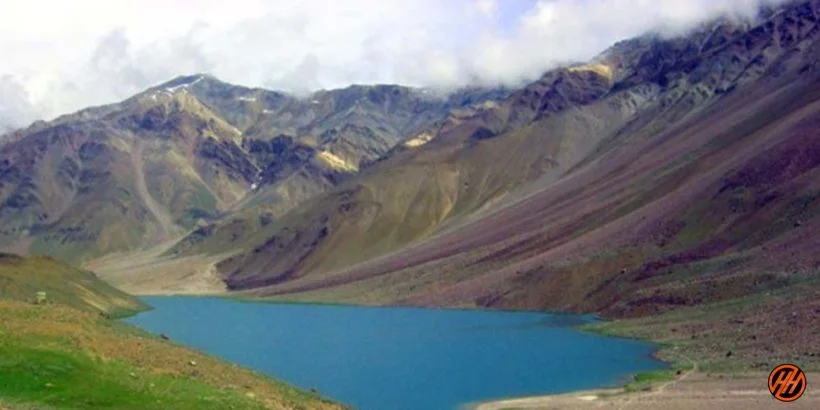


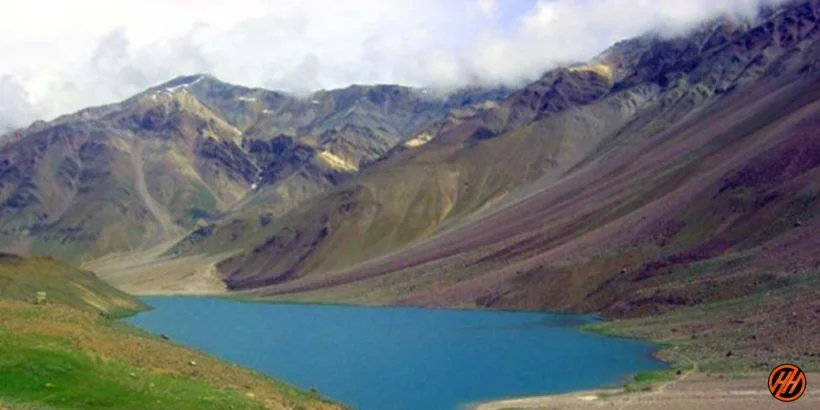
From Barshaini, you’ll trek alongside the gurgling Tosh River, covering about 3 km to reach Tosh Village (7,874 ft), a traditional Himachali hamlet known for its wooden houses, warm locals, and the ancient Jamadagni Rishi Temple. The Tosh Valley trek route offers breathtaking views of snow-clad peaks, deodar forests, and the lush green Kutla Meadows.
What makes this trek stand out is its perfect mix of natural splendor and cultural charm. Along the way, you’ll pass by scenic spots like the Tosh Waterfall, the quirky “Jurassic Park” viewpoint, and end the day at Buddha Ban Campsite (9,908 ft), where you can unwind under starlit skies in shared tents.
With a maximum altitude of around 9,908 ft and a total trek distance of 14 km, the Tosh Valley Trek difficulty level is graded easy, making it suitable for ages 12 to 62. It’s a low-altitude Himalayan trek that doesn’t compromise on beauty or experience.
Whether you’re exploring short treks in Himachal, planning a weekend trip from Kasol, or seeking a peaceful retreat into the mountains, the Tosh Valley Trek delivers a soul-soothing experience you won’t forget.
Who Can Do the Tosh Valley Trek?
Age Limit: This Trek is suitable for trekkers aged 12 to 62 years. Children above 12 years can do this trek with active supervision and fitness. Seniors up to 62 years can participate if they meet the fitness requirement and have no high-risk medical issues.
Trekking Experience: Tosh Valley is an ideal trek for beginners who want to do this trek without prior trekking experience.
Required Fitness Level: You should be in good physical health with no major medical conditions. Must be able to jog or brisk walk 5 km in 45 minutes comfortably.
Acclimatization Ability: The highest point of the Tosh Valley trek is only 9,908 ft, which makes it easy to trek without any big issues. However, basic acclimatization awareness is helpful.
Why should you do the Tosh Valley Trek?
The Tosh Valley Trek is one of the most accessible and scenic short treks in Himachal, offering an ideal introduction to trekking for beginners, solo travelers, and weekend explorers. Here’s why the Tosh Valley is worth every step:
- Breathtaking Scenery in Just 2 Days
In just a weekend, you’ll journey through pine forests, alpine meadows, and riverside trails with panoramic views of snow-capped peaks. The trail winds along the Tosh River, past waterfalls and a beautiful Tosh village that reflects a combination of modern and historic aesthetics, ending in a tranquil forest clearing at Buddha Ban Campsite.
- Low Effort, High Reward
With a total Tosh Valley trek distance of 14 km, a maximum altitude of 9,908 ft, and a rating of easy difficulty, this trek doesn’t require intense training or high-altitude acclimatization. You get all the rewards of a Himalayan adventure with minimal physical strain
- Cultural Glimpses
The charming village of Tosh offers a peek into Himachali culture, which is complemented by traditional wooden and modern homes and an ancient temple like the Jamadagni Rishi Temple. It’s an opportunity to experience mountain life up close.
- Perfect for a Weekend Getaway
Whether you’re coming from Delhi, Chandigarh, or Manali, the trek fits perfectly into a 2-day schedule. It’s an ideal break from city life that doesn’t require long leaves or logistics.
- Photographer’s Paradise
With golden meadows, mystical deodar forests, and dramatic mountain skylines, every turn on the trail is a photo opportunity.
If You Like Tosh Valley Trek, You Might Also Like…
If you loved the serene trails and scenic beauty of the Tosh Valley Trek, here are a few more exciting treks in Himachal that offer similar charm, culture, and captivating landscapes.
1. Kheerganga Trek
- Trek Duration: 2 days
- Trek Distance: 24 km
- Trek Difficulty: Easy
- Best Time: April to June & September to November
- Who Can Do It: Beginners, solo travelers, families
Tucked deep in the Parvati Valley, the Kheerganga Trek is one of the most popular short treks near Kasol. The trail leads you through dense pine forests, gushing waterfalls, and charming Himachali villages, ending in the surreal open meadow of Kheerganga. The highlight? A natural hot water spring where trekkers soak in warm bliss under the Himalayan sky. With panoramic views of the snow-capped mountains, this trek blends adventure, mythology, and serenity. This trek is perfect for first-time trekkers and spiritual seekers.
2. Sar Pass Trek
- Trek Duration: 5 Days – 4 Nights
- Trek Distance: 37 Km
- Trek Difficulty: Moderate
- Best Time: May to mid-June
- Who Can Do It: Fit beginners, intermediate trekkers
The Sar Pass Trek offers a dramatic mix of alpine forests, meadows, snowy trails, and a stunning glacial lake. Beginning from Kasol, the trail winds through picturesque campsites like Grahan and Nagaru before culminating in a thrilling snow slide from the top of Sar Pass. It’s perfect for those wanting to experience snow without venturing into high-altitude technical climbs. This trek offers postcard-worthy scenery every step of the way, making it a favorite among photographers and thrill-seekers.
3. Beas Kund Trek
- Trek Duration: 4 Days – 3 Nights
- Trek Distance: 27 km
- Trek Difficulty: Easy to Moderate
- Best Time: May to October
- Who Can Do It: Beginners with basic fitness, nature lovers
Though a little farther from Kasol, the Beas Kund Trek is worth every step. Starting from Solang Valley near Manali, this trek leads you to the glacial source of the Beas River, set against the backdrop of mighty peaks like Hanuman Tibba and Friendship Peak. It’s a short, high-altitude trek that packs in glaciers, alpine lakes, and grand mountain views in just a few days. A must-do for those wanting a taste of big mountains without long durations.
4. Chanderkhani Pass Trek
- Trek Duration: 5 Days – 4 Nights
- Trek Distance: 26 km
- Trek Difficulty: Moderate
- Best Time: May to October
- Who Can Do It: Intermediate trekkers, culture seekers
The Chanderkhani Pass Trek is a hidden gem that offers stunning views of the Deo Tibba and Pir Panjal ranges. Kasol market is the starting point of the Chanderkhani Pass Trek, the trail passes through ancient villages, oak forests, and wildflower-covered meadows. As you ascend the 11,975 ft pass, the panoramic vistas will leave you breathless both figuratively and literally. It’s a culturally rich trek too, as the route touches old temples and folk legend sites, making it perfect for those who love both nature and history.
5. Bhrigu Lake Trek
- Trek Duration: 3 Days – 2 Nights
- Trek Distance: 22 Km
- Trek Difficulty: Moderate
- Best Time: June to September
- Who Can Do It: Fit beginners, photographers, spiritual seekers
Located near Manali, the Bhrigu Lake Trek is famous for its alpine lake that changes color with the sky. Legend says Sage Bhrigu meditated here, adding a mystical charm to the trek. The trail climbs steeply through oak forests and opens into sweeping grasslands, with the lake sitting in a high bowl-like meadow at 14,100 ft. This trek offers high-altitude views and surreal landscapes in just a few days, perfect for weekend adventurers.
Tosh Valley Trek Complete Guide
Our mission has always been to ensure that no trekker steps into the Himalayas without the right perspective. A trek is not just a checklist of summits; it is a serious commitment to the outdoors. Having the right information is what separates a reckless climb from a soulful journey.
This section serves as your definitive manual for the Tosh Valley Trek. We have distilled years of mountain experience and real-time feedback into this guide to give you a clear, honest picture of the trail.
We provide this depth of information because we want you to be more than just a visitor—we want you to be a prepared, responsible trekker who respects the mountains as much as we do.
Day 1: Drive from Kasol bus stand to Barshaini | Trek to Buddha Ban campsite via Tosh village
Trek Altitude: 7,874 ft | Drive Distance: 20 km | Drive Duration: 1.5 hours | Trek Distance: 7 km | Trek Duration: 2 to 3 hours | Trek Difficulty: Easy | Overnight Stay: Shared Tents | Pick-up Point: Kasol Bus Stand
Scenic Drive Route from Kasol to Barshaini
Kasol → Gurudwara Sahib Manikaran → Barshaini → Parbati-2 HEP Dam → Barshaini Bus Stand
Barshaini to Tosh Valley Trek Route
Barshaini Bus Stand → Tosh Village → Kutla Meadow → Tosh Waterfall → Buddha Ban Campsite
Spend the day soaking in the stunning Himalayan vistas as you trek through charming villages and lush meadows. Reach Buddha Ban by late afternoon and relax at your campsite or homestay surrounded by towering peaks and tranquil pine forests.
Day 2: Tosh to Barshaini | Drive Back to Kasol
Altitude: 7,874ft | Trek Distance: 7 km | Trek Duration: 1 to 2 hours | Trek Difficulty: Easy | Drive Distance: 20 km | Drive Duration: 1.5 hours | Drop-off Point: Kasol Bus Stand
Trek Route (Descent):
Buddha Ban Campsite → Tosh Waterfall → Kutla Meadow → Tosh Village → Barshaini Bus Stand
From Barshaini, you’ll be driven back to Kasol, retracing the scenic mountain roads you arrived on. The trek concludes with memories of quiet trails, cascading waterfalls, and the raw beauty of the Tosh Valley.
Day 1
Day 2
Day 1: Drive from Kasol bus stand to Barshaini | Trek to Buddha Ban campsite via Tosh village
Trek Altitude: 7,874 ft | Drive Distance: 20 km | Drive Duration: 1.5 hours | Trek Distance: 7 km | Trek Duration: 2 to 3 hours | Trek Difficulty: Easy | Overnight Stay: Shared Tents | Pick-up Point: Kasol Bus Stand
Scenic Drive Route from Kasol to Barshaini
Kasol → Gurudwara Sahib Manikaran → Barshaini → Parbati-2 HEP Dam → Barshaini Bus Stand
Barshaini to Tosh Valley Trek Route
Barshaini Bus Stand → Tosh Village → Kutla Meadow → Tosh Waterfall → Buddha Ban Campsite
Spend the day soaking in the stunning Himalayan vistas as you trek through charming villages and lush meadows. Reach Buddha Ban by late afternoon and relax at your campsite or homestay surrounded by towering peaks and tranquil pine forests.
Day 2: Tosh to Barshaini | Drive Back to Kasol
Altitude: 7,874ft | Trek Distance: 7 km | Trek Duration: 1 to 2 hours | Trek Difficulty: Easy | Drive Distance: 20 km | Drive Duration: 1.5 hours | Drop-off Point: Kasol Bus Stand
Trek Route (Descent):
Buddha Ban Campsite → Tosh Waterfall → Kutla Meadow → Tosh Village → Barshaini Bus Stand
From Barshaini, you’ll be driven back to Kasol, retracing the scenic mountain roads you arrived on. The trek concludes with memories of quiet trails, cascading waterfalls, and the raw beauty of the Tosh Valley.
The Tosh Valley Trek Difficulty is graded as easy, making it an excellent choice for beginners, families, and anyone looking for a short Himalayan adventure without strenuous climbs. The trek covers a total distance of around 14 kilometers in two days and reaches a maximum trek altitude of 9,908 ft, making it accessible for most fitness levels. Despite being a high-altitude trek, Tosh valley has a gradual ascent and doesn’t involve any steep or technical climbs that require prior trekking experience. The relatively low elevation gain per day allows the body to adjust easily to the environment, which makes the trek manageable even for first-timers.
Key Difficulty Factors of Tosh Valley Trek
- Steep sections: There are brief uphill climbs, especially near Kutla and the final stretch before the Buddha Ban Campsite.
- Rocky and uneven terrain: Some parts of the trail have loose stones or uneven footing, which can be tiring on ankles and knees.
- Slippery paths in monsoon or early winter: Wet or frosty weather can make the trail slick, increasing the risk of slips and falls.
- Extended walking duration: Trekkers should be comfortable walking for 2 to 3 hours at a stretch, often on mildly rugged forest and riverside trails.
- Rapid weather changes: Mountain conditions can shift quickly, and sunshine may turn into rain or fog, and evenings can get cold, especially in late autumn. So, make sure to carry proper clothing and a poncho to protect yourself from rain.
Is the Tosh Valley Trek safe for me?
Yes, the Tosh Valley Trek is generally considered safe for healthy individuals. There are no extreme altitude zones, dangerous ridgelines, or technical sections. If you are trekking with basic physical fitness and you don’t have serious respiratory or cardiac issues, then you will have no trouble completing the Tosh Valley trek route. However, as with all Himalayan treks, consulting your doctor if you have existing health concerns is highly recommended. Plus, keep your body hydrated, dress in layers, and follow your trek leader’s instructions to ensure a safe and enjoyable trekking experience in Himachal.
Emergency Exit Options on the Tosh Valley Trek
Tosh Valley Trek remains close to roads and inhabited areas, offering reliable exit routes in case of emergency. The main descent path from Buddha Ban to Barshaini can be covered within 2 hours on foot, and from Barshaini, vehicles are readily available to transport trekkers back to Kasol or Kullu. The proximity to motorable roads ensures that trekkers can exit the trail quickly in case of injury, altitude sickness, or weather-related concerns. Local villagers are also familiar with the routes and often assist in emergencies.
Nearest Hospitals to the Tosh Valley Trek
The closest medical support is available at the Primary Health Centre in Kasol, located around 20 kilometers from Tosh. For more advanced health care, the Regional Hospital in Kullu is approximately 45 kilometers away. A smaller Civil Hospital is also located in Manikaran, about 15 kilometers from Tosh Village. While these facilities can handle most general medical needs, serious emergencies would require transfer to a larger city like Mandi or Chandigarh.
How do we ensure your safety in the Tosh Valley trek?
Safety is a top priority on the Tosh Valley Trek, especially for beginner-friendly treks like this one. Here’s how trek operators, such as Himalayan Hikers, ensure a safe and well-managed experience for all participants:
Experienced Trek Leaders & Guides
All groups are led by trained professionals with experience in
high-altitude trekking and high-altitude
first aid. They know the terrain, weather patterns, and how to respond
to emergencies.
Carefully Planned Tosh Valley Trek Itinerary with
Acclimatization Time
Even though the Tosh Valley Trek altitude doesn’t reach
its extreme, the itinerary allows your body to gradually adjust to the
elevation, reducing the risk of altitude-related issues.
Daily Health Monitoring & Medical Kits
Basic health checks are conducted daily, and guides carry first aid kits,
including medications for common ailments and portable oxygen for emergencies.
Emergency Evacuation Backup
Exit routes are pre-planned, and transport is arranged nearby in Barshaini
in case a trekker needs to return early due to fatigue, illness, or injury.
Pre-Trek Briefings & Gear Checks
Before the trek begins, you’ll receive a safety briefing and gear check to
ensure you’re well-prepared with the right clothing, shoes, and supplies for
mountain conditions.
Weather Monitoring & Route Flexibility
Leaders stay updated on local weather forecasts. If needed, routes or
campsites are adjusted for safety, avoiding areas at risk of landslides or
extreme weather.
Small Group Sizes for Better Supervision
Groups are kept small to ensure every trekker gets individual attention,
better guidance, and a quick response in case someone needs help.
The Tosh Valley Trek is technically open year-round, but the best time to visit Tosh Valley trek is from April to October when the weather is more stable and the trails are safer and scenic. Here’s a season-wise detailed breakdown with Tosh Valley Trek Highlights:
Summer (April to June)
- Weather: Clear skies, blooming flora, and lush green meadows.
- Temperatures: 12°C to 5°C
- Difficulty: Easy
- Warm Layers Needed: Light fleece or jacket for evenings; breathable layers for daytime.
Why Do Tosh Valley Trek in Summer?
Summer is perfect for first-time trekkers. The snow has mostly melted, revealing scenic trails lined with wildflowers. The meadows around Kutla and Buddha Ban are lush, and the visibility is excellent for photography and mountain views.
Monsoon (July to August)
- Weather: Frequent rain, overcast skies, and misty mountain air.
- Temperatures: 20°C to 10°C
- Difficulty: Moderate (due to slippery and unpredictable conditions)
- Warm Layers Needed: Waterproof gear, quick-dry layers, and a light fleece for evenings.
Why Do Tosh Valley Trek in Monsoon?
Monsoon transforms the valley into a dramatic green paradise with roaring waterfalls. However, only experienced trekkers should attempt it due to muddy trails, leeches, and a higher risk of landslides. Go with a local guide and proper rain protection.
Autumn (September to October)
- Weather: Clear, dry, and cool with stunning post-monsoon freshness.
- Temperatures: 15°C to 2°C
- Difficulty: Easy
- Warm Layers Needed: Light thermals and a good jacket for cold nights.
Why Do Tosh Valley Trek in Autumn?
Autumn is the most ideal season—pleasant daytime weather, golden meadows, and crystal-clear mountain views. Fewer crowds, stable trails, and magical sunsets make this the peak trekking season for both beginners and photographers.
Winter (November to February)
- Weather: Cold, snowy conditions with frost and occasional snowfall.
- Temperatures: -3°C to -10°C
- Difficulty: Moderate (due to snow and icy patches)
- Warm Layers Needed: Heavy insulation: thermals, fleece, padded jackets, gloves, and snow proof boots.
Why Do Tosh Valley Trek in Winter?
For those seeking a snowy Himalayan experience, winter is pure magic. Tosh turns into a fairytale village blanketed in snow, and trails near Buddha Ban offer breathtaking white panoramas. Only recommended for experienced trekkers or those trekking with a guide, as some trails may be closed or difficult to access.
The Tosh Valley Trek covers a total distance of around 14 km (round trip) and begins from the scenic village of Barshaini, near Kasol, Himachal Pradesh. To begin your trek smoothly, you’ll need to reach Kasol Bus Stand by 7:00 AM, where the Himalayan Hikers team will receive you and drive you to the Barshaini Bus Stand, the official Tosh Valley trek starting point.
Tosh Valley Trek Pickup Location
Kasol is a well-known base for several popular treks in the Parvati Valley, including Kheerganga, Rasol, and Tosh Valley. Known as the backpacker hub of Himachal, it offers beautiful riverside views, cafes, and plenty of pre-trek accommodations.
Drive from Kasol to Reach Tosh Village
Once you arrive at the Kasol pickup point, a 1.5-hour scenic drive (around 20 km) will take you to Barshaini via Manikaran. From Barshaini, you begin the 7 km uphill trek to Tosh Village, which then continues through Kutla Meadows, Tosh Waterfall, and finally reaches Buddha Ban Campsite.
How to Reach Kasol Base Camp from Delhi
Reaching Kasol from Delhi is easy and well-connected through air, rail, and road. Here are your options:
By Air
The nearest airport is Bhuntar Airport (Kullu-Manali Airport), located about 30 km from Kasol. From the airport, you can hire a taxi or take a local bus to Kasol. There are regular flights from Delhi and Chandigarh operated by airlines like Alliance Air.
By Train
The nearest major railway station is Joginder Nagar Railway Station, around 145 km from Kasol. However, this station is not well-connected for long-distance travelers. Alternatively, you can take a train to Chandigarh or Pathankot, then continue by road to Kasol.
By Road
Kasol is well-connected by road from major cities:
- From Delhi: Take a Volvo or private bus to Bhuntar, then a local taxi or bus to Kasol (approximately 12–14 hours total).
- From Chandigarh: Approx. 8 to 9 hours by road via Mandi and Bhuntar.
- Private Taxi/Car: You can self-drive or hire a private taxi to Kasol. Roads are scenic but winding, so drive cautiously, especially at night.
Mobile Connectivity and ATMs for Tosh Valley Trek
Before heading out on the Tosh Valley Trek, it’s important to understand the limitations in mobile coverage and banking facilities in this remote region of Himachal Pradesh. While Kasol offers basic urban amenities, connectivity becomes sparse as you ascend toward Tosh and beyond.
Mobile Connectivity
Kasol has decent network coverage for Jio, Airtel, and BSNL, with 4G availability in most parts of the village. However, the signal can be patchy during bad weather or high tourist seasons.
Once you leave Kasol and begin your drive toward Barshaini and then trek toward Tosh Village, mobile signal begins to weaken significantly.
- In Tosh Village, BSNL may offer limited 2G/3G connectivity in certain spots, but it is not reliable.
- Beyond Tosh, including Kutla, Tosh Waterfall, and Buddha Ban Campsite, mobile networks generally do not work at all.
Pro Tip: Inform your contacts before the trek and avoid relying on mobile data for maps, communication, or bookings during the trek. Download offline maps and keep key info saved on your device.
ATMs Availability
There are no ATMs in Tosh Village or along the trek route.
- The nearest reliable ATMs are located in Kasol, Manikaran, and Bhuntar.
- During tourist rush or weekends, ATMs in Kasol and Manikaran may run out of cash or not work, so carry sufficient cash from your home city or Bhuntar.
Pro Tip: You can withdraw cash in Kullu or Bhuntar before heading to Kasol to avoid any last-minute inconvenience.
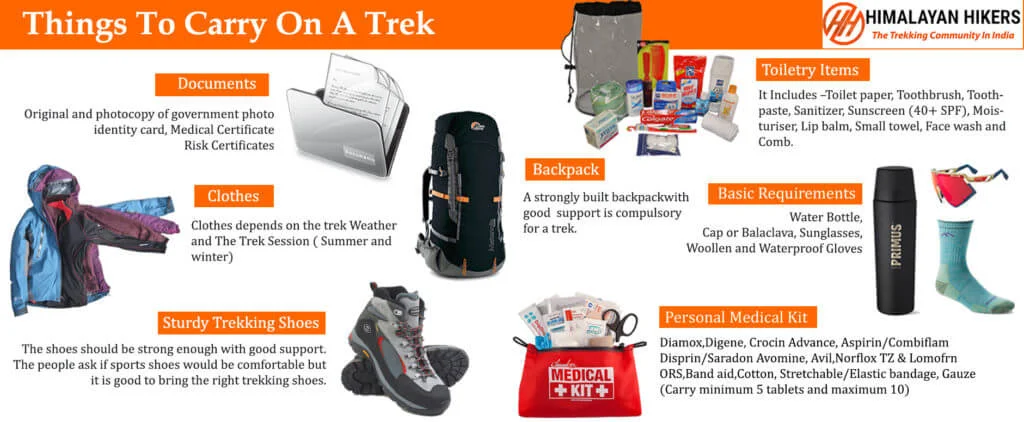
Necessary Items for trekkers
Mandatory Documents
Original and photocopy of government photo identity card- (Aadhar Card, Driving License, Voters ID, etc,)
Passport and Visa important to foreigners
Medical Certificate (First part should be filled by the Doctor and Second part by the Trekker)
Declaration Certificates
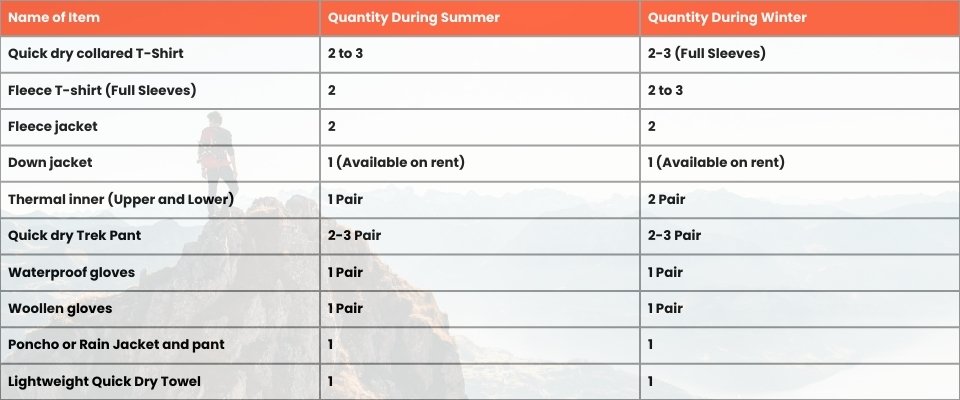
Note: – Many trekkers commit the same mistake of carrying unnecessary items on a trek which only makes the backpack heavy. It is important to know the right items to carry. It differs from season to season if you are trekking in summers then carry less layers of warm clothing and if you are trekking in winters carry enough layers to protect yourself against chilly cold.
Basic Trekking Gears
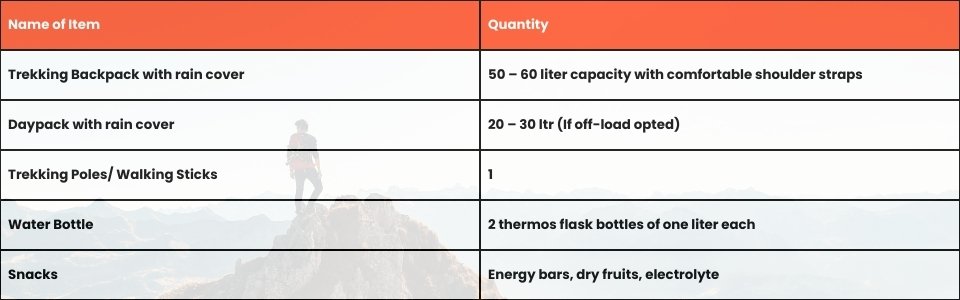
The Clothes You Should Bring On Satopanth Expedition
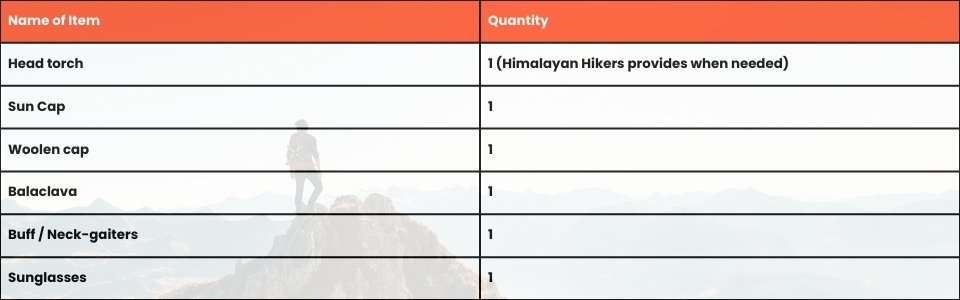
Head Gears
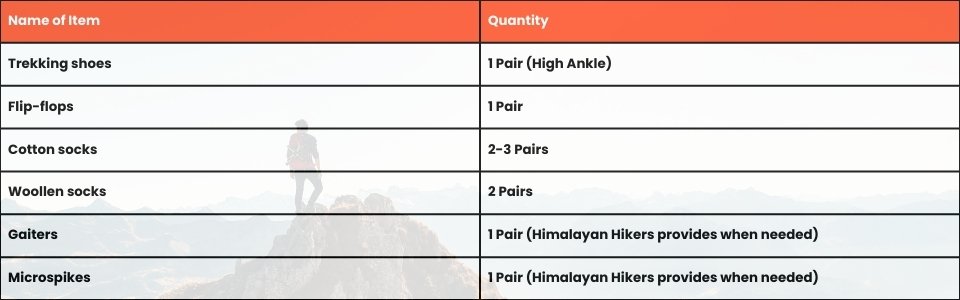
Foot Gears
Personal Care Essentials

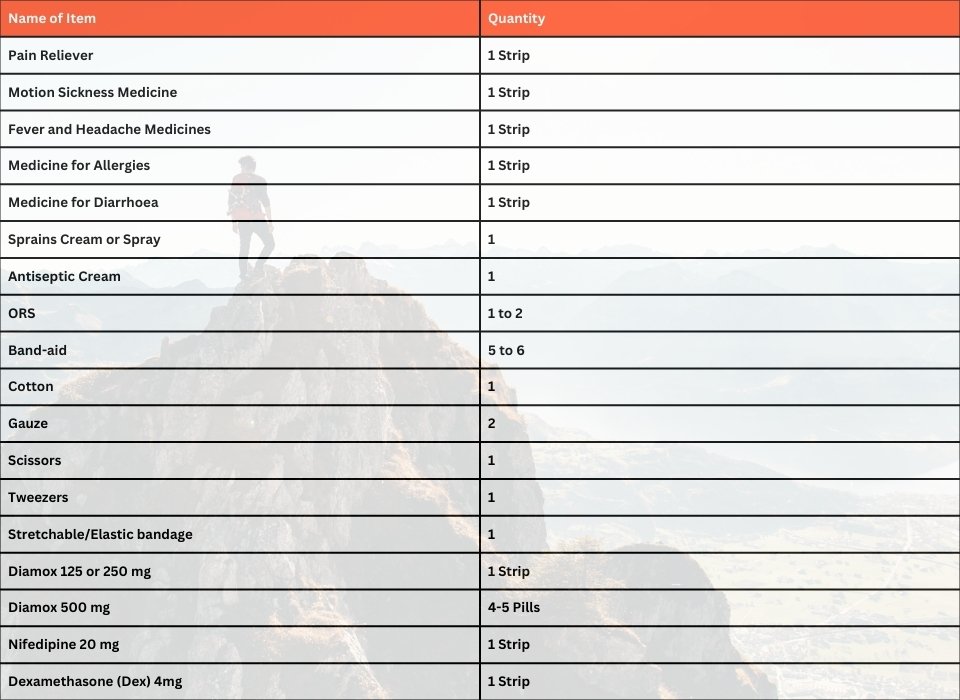
Carry a Personal Medical Kit
Are you Looking for Trekking Equipment on Rent?
If any trekker requires trekking equipment on rent, Himalayan Hikers offers the best-quality gear available for rental. Many individuals are in need of such equipment, and renting provides a cost-effective solution, allowing them to access high-quality gear at an affordable price without the need for a significant investment for short-term use.
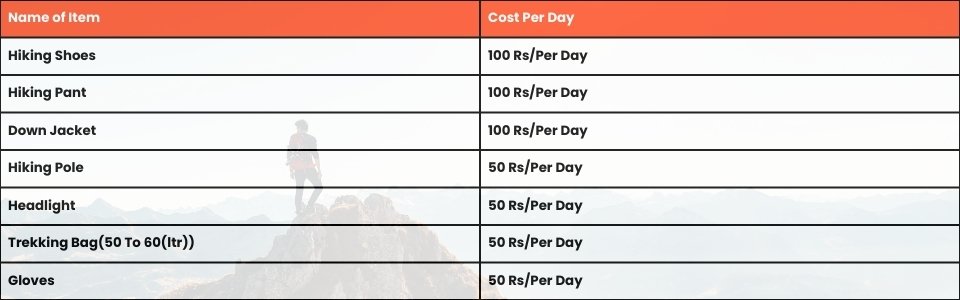
Trek Equipment You can book directly on first day at the Base Camp.
Note:-
Please take all medicines only when prescribed by the doctor. In case you face any problem during your trek,
discuss and take advice from the Professional guide.
The Trek is one of the most popular treks in Uttarakhand, Himachal,Kashmir,Laddakh,Sikkim,Nepal, requiring both physical preparation and mental readiness. Although it is categorized as a moderate trek, reaches an elevation of over 12,720 feet and traverses remote Himalayan terrain, which can be physically and mentally challenging. Here's how you can prepare yourself for a safe and successful accomplishment of the Trek:
Physical Fitness
Building a good fitness base is essential for every trekker. The Trek itinerary involves 5 to 6 hours of walking every day. Though the trails are well-marked, they are often bumpy and include steep uphill sections, which may affect your stamina. You can overcome your physical limitation with a 6-week training program that you can begin about 2 months before your Trek. Your 6-week fitness routine should include

Pro Tip: If you have time, you can skip the Sunday training and go for a long-distance walk or mini day-hike (7–10 km) with a loaded backpack to simulate real trekking conditions. A short 1-day hike around your city/town can help a lot.
Mental Preparation
Physical strength is only half the journey, the other half is mental resilience. The trail takes you through remote clearings, steep climbs, cold starry nights, and no mobile connectivity. Be prepared to:
(I) - Detach from the digital world.
(II) - Embrace basic mountain living (camping, toilet tents, limited electricity).
(III) - Push through moments of fatigue, weather discomfort, or altitude effects.
A positive mindset, patience, and the ability to adapt will carry you farther than muscle ever could.Himalayan Hikers is a reputable trekking company that places a high priority on safety. Here are some of the safety measures they take to ensure the safety of their clients during the Trek:
Experienced Guides: Himalayan Hikers hires experienced and certified guides who are well-versed in the terrain, weather conditions, and local culture. These guides have first-hand knowledge of the routes and are equipped to handle any emergency situations that may arise.
Proper Gear: The company provides all the necessary gear and equipment to their clients to ensure comfort and safety during the trek.
Hygiene and Sanitation: Himalayan Hikers places great emphasis on hygiene and sanitation during the Trek. They provide clean drinking water, hand sanitizers, and toilet tents to ensure that their clients are healthy and comfortable.
Emergency Services: The company has a well-defined protocol for handling emergency situations. They have a team of trained medical professionals who are available 24/7 and can be quickly mobilized in case of an emergency.
Acclimatization: Himalayan Hikers follows a gradual acclimatization process during treks to ensure that their clients adjust to the high altitude gradually. They also monitor the health of their clients regularly and provide necessary medical attention if required.
Overall, Himalayan Hikers places a great emphasis on safety and takes all necessary measures to ensure the safety and well-being of their clients during treks.
Transport Facility Kasol To Kasol
Forest Permit and entrance fee
Accommodation in tents on twin share basis
All meals: breakfast, packed lunch, tea, coffee, snacks, soup and dinner
(All camping gears)
High quality tents
Sleeping bags
Mattress
Liner
Pillow
Separate Toilet tents – Ladies and Gents
Dining Tent
Dining Table
Porters
Helper
Mules
Kitchen team
Radio Walkie Talkie for Communication
Good Experience Trek Leader guide and Technical guide
Medical Kit
Oxygen Cylinders
Crampons and Gaiters
Personal Insurance
Medical Certificate
Personal toiletry Items and Personal Medicine kit
On first day En Route to base camp the Breakfast and Lunch are Not Included
Last Day En Route Lunch and Dinner are Not Included
Important Note
No important note.
Map not available for this trek.
The Tosh Valley Trek is located in the Parvati Valley of Himachal Pradesh, near the village of Tosh, about 20 km from Kasol.
Tosh Valley is known for its scenic mountain landscapes, traditional Himachali village culture, lush meadows, waterfalls, and the starting point for several treks including Kheerganga and Kutla.
The round-trip trek distance is approximately 14 km, typically completed over 2 days.
The Tosh Valley Trek is considered easy, suitable for beginners and families with basic fitness levels.
The best time is April to June and September to November for pleasant weather and safe trail conditions.
Yes, Tosh experiences snowfall from December to February, turning the village and trail into a winter wonderland.
Yes, you can drive up to Tosh Village via Barshaini, though the road is narrow and steep.
Mobile network and internet are limited in Tosh. BSNL and Jio may work in some spots, but connectivity is unreliable.
No, there are no ATMs in Tosh Village. The nearest ATMs are in Kasol, Manikaran, and Bhuntar.
The Kheerganga Trek is the most popular trek near Tosh, offering hot springs and panoramic views.


