


Tso Moriri Trek Overview
The interesting story behind Tso Moriri’s name is that a Chomo (Buddhist nun) woman was riding a Yak and somehow got carried into the lake. The Yak started drowning in the water and the scared woman cried “Ri Ri” for help until she drowned. The lake then got its name “Chomoriri”.
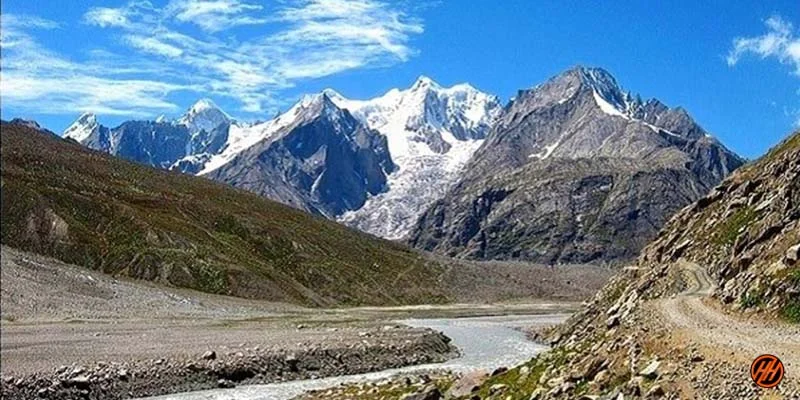
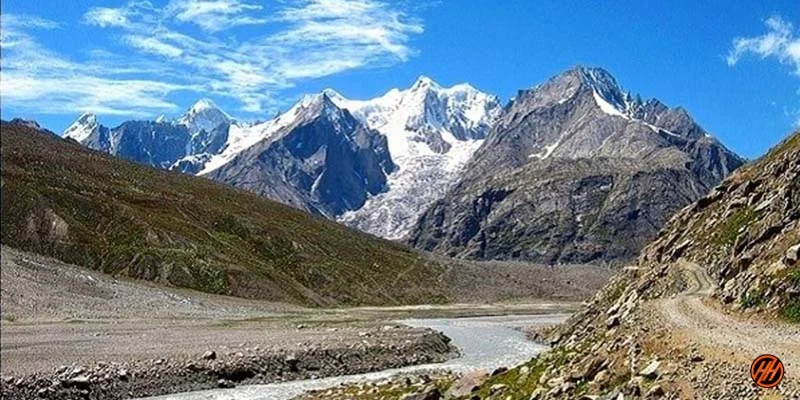
The Rumtse to Tso Moriri Trek is one of the most breathtaking and offbeat high-altitude treks in Ladakh, located in the Jammu and Kashmir region. This trek takes you deep into the remote Changthang Plateau, a vast high-altitude desert known for its dramatic landscapes, rolling plains, and pristine lakes. It is a perfect journey for trekkers seeking solitude, raw Himalayan beauty, and cultural exploration.
A fascinating legend surrounds the name of Tso Moriri Lake. It is believed that a Chomo (Buddhist nun) once rode a yak that wandered into the lake. As the yak began to drown, she cried “Ri Ri” for help until she too disappeared into the waters. Since then, the lake has been known as “Chomoriri”, adding a mystical charm to this already stunning destination.
The trek is known for crossing several high mountain passes such as Kyamar La, Mandachalan La, Shibuk La, Kyamayaru La, and Yarlung Nyau La, each offering panoramic views of the surrounding Himalayan ranges. Trekkers are rewarded with mesmerizing views of two iconic high-altitude lakes—Tso Kar and Tso Moriri—both famous for their crystal-clear waters and serene environment.
Along the trail, you will encounter diverse Himalayan wildlife, including Brahmini ducks, black-necked cranes, ibex, marmots, and the wild Tibetan ass known as kiang. The trek also offers a unique cultural experience as you pass through the settlements of Changpa nomads, who live with their herds of yaks, goats, and sheep in these harsh conditions.
A major highlight of the trek is reaching Karzok village, situated at an altitude of 4,572 meters. It is one of the highest inhabited villages in the world and home to a 500-year-old monastery, historically located along the ancient trade route between Ladakh and Spiti.
Highlights of Rumtse to Tso Moriri Trek
- Cross high passes on Tso Moriri trek, including Kyamar La, Madachalan La, Shibuk La, Kyamayaru La, and Yarlung Nyau La.
- Enjoy the sight of two high-altitude lakes: Tso Kar and Tso Moriri.
- Spot Himalayan wildlife such as Brahmini ducks, necked cranes, ibex, marmots, and kiang.
- Come across nomad families, including Chanpa with their goats, sheep, and yaks.
- Visit Karzok, India’s highest altitude village (4572 m), which houses a 500-year-old ancient monastery along the trading route between Ladakh and Spiti.
Key Points of Rumtse to Tso Moriri Trek
- Level: Difficult
- Proper conditioning & training of the body required
- Need proper gear & clothing for sub-zero temperatures
- Shoes: The single most important equipment
- High altitude requires proper acclimatization
- Beautiful landscapes – carry good photo gear and extra battery backup
- Travel light
- Backpack should not exceed 10 kgs
Rumtse to Tso Moriri Trek Complete Guide
Our mission has always been to ensure that no trekker steps into the Himalayas without the right perspective. A trek is not just a checklist of summits; it is a serious commitment to the outdoors. Having the right information is what separates a reckless climb from a soulful journey.
This section serves as your definitive manual for the Rumtse to Tso Moriri Trek. We have distilled years of mountain experience and real-time feedback into this guide to give you a clear, honest picture of the trail.
We provide this depth of information because we want you to be more than just a visitor—we want you to be a prepared, responsible trekker who respects the mountains as much as we do.
Day 1 – Rumtse to Kyamar | Distance: 10 km | Time Taken: 4 hours
Day 2 – Kyamar – Kyamar La – Mandalchan La – Tisaling | Distance: 13 km | Time Taken: 6–7 hours
Day 3 – Tisaling to Shibuk La – Ponganagu | Distance: 14 km | Time Taken: 6–7 hours
Day 4 – Ponganagu to Nuruchan | Distance: 17.8 km | Time Taken: 5–6 hours
Day 5 – Nuruchan to Kyamayuri La and Gyamar Barma | Distance: 19 km | Time Taken: 7–8 hours
Day 6 – Gyamar Barma to Kartse La and Gyamar | Distance: 5.7 km | Time Taken: 3 hours
Day 7 – Gyamar to Yalung Nyau La and Karzok | Distance: 16 km
Day 1
Day 2
Day 3
Day 4
Day 5
Day 6
Day 7
Day 1 – Rumtse to Kyamar | Distance: 10 km | Time Taken: 4 hours
Begin your trek from Rumtse towards Kyamar, covering a distance of approximately 10 km. The trail passes through scenic valleys with views of rugged Himalayan peaks. The trek is moderate and takes around 4 hours. Along the way, enjoy the serene landscapes, occasional streams, and the first glimpses of Tso Moriri in the distance. Reach Kyamar by afternoon, set up camp, and rest. Overnight stay in Kyamar.
Day 2 – Kyamar – Kyamar La – Mandalchan La – Tisaling | Distance: 13 km | Time Taken: 6–7 hours
Start early from Kyamar to cross the high passes of Kyamar La and Mandalchan La en route to Tisaling. This day covers 13 km and takes around 6–7 hours. The ascent is steep at parts but offers panoramic views of the surrounding valleys. Enjoy sightings of Himalayan wildlife such as marmots and ibex. Reach Tisaling in the evening, interact with local nomads if possible, and set up camp for an overnight stay.
Day 3 – Tisaling to Shibuk La – Ponganagu | Distance: 14 km | Time Taken: 6–7 hours
The trek continues from Tisaling to Shibuk La, one of the notable high passes, before descending to Ponganagu. Cover a distance of 14 km over 6–7 hours. The trail offers beautiful alpine meadows, rocky ridges, and the chance to spot local wildlife including kiang (Tibetan wild ass) and birds. Enjoy the tranquility of the region before reaching Ponganagu for camping and overnight stay.
Day 4 – Ponganagu to Nuruchan | Distance: 17.8 km | Time Taken: 5–6 hours
Begin your trek from Ponganagu to Nuruchan, a distance of 17.8 km which takes approximately 5–6 hours. This section is relatively easier with gradual ascents and descents. The landscape features vast open valleys, grazing yaks, and occasional nomad settlements. Take time to capture the stunning views and interact with locals before reaching Nuruchan to rest and camp overnight.
Day 5 – Nuruchan to Kyamayuri La and Gyamar Barma | Distance: 19 km | Time Taken: 7–8 hours
Today’s trek is one of the most challenging yet rewarding, covering 19 km over 7–8 hours. Ascend the high pass of Kyamayuri La and descend towards Gyamar Barma. Trekkers are rewarded with spectacular views of surrounding peaks, high-altitude lakes, and sweeping valleys. Watch for Brahmini ducks and Himalayan birds along the way. Arrive at Gyamar Barma in the evening, set up camp, and enjoy a well-deserved rest.
Day 6 – Gyamar Barma to Kartse La and Gyamar | Distance: 5.7 km | Time Taken: 3 hours
Start early for a short but steep trek of 5.7 km to cross Kartse La and descend to Gyamar, taking around 3 hours. The terrain is rugged with rocky paths and occasional snow patches. Enjoy breathtaking views of the Tso Moriri region and spot wildlife such as ibex and marmots. Reach Gyamar in the afternoon, set up camp, and rest in preparation for the final leg of the trek.
Day 7 – Gyamar to Yalung Nyau La and Karzok | Distance: 16 km
On the last day, trek from Gyamar across the Yalung Nyau La pass towards Karzok, covering 16 km in 5–6 hours. This final stretch offers mesmerizing views of Tso Moriri lake, the highest settlements, and the surrounding Himalayan landscape. Arrive at Karzok, India’s highest village (4572 m), and explore its 500-year-old monastery. Celebrate the successful completion of the trek and overnight stay in Karzok.
Difficulty Level of Rumtse to Tso Moriri Trek
The Rumtse to Tso Moriri Trek is classified as a difficult high-altitude trek. It is best suited for experienced trekkers due to its long duration, multiple high passes, and extreme altitude conditions in Ladakh.
Why is this Trek Difficult?
- High Altitude: The trek involves crossing altitudes above 5,000 meters, where oxygen levels are low, increasing the risk of Acute Mountain Sickness (AMS). Proper acclimatization is essential.
- Multiple High Passes: Trekkers must cross several challenging passes such as Kyamar La, Mandachalan La, Shibuk La, Kyamayaru La, and Yarlung Nyau La, requiring stamina and endurance.
- Long Trekking Days: Daily trekking distances are long and demanding, often across rugged and remote terrain.
- Extreme Weather Conditions: Temperatures can drop below freezing, with strong winds and sudden weather changes making the trek more challenging.
- Remote & Isolated Region: The trek passes through the isolated Changthang Plateau, with limited connectivity and facilities, requiring self-sufficiency.
- Physical & Mental Fitness: Strong endurance, proper training, and mental resilience are required to complete this trek successfully.
Who Should Attempt This Trek?
This trek is recommended for experienced trekkers who have prior high-altitude trekking experience and are physically fit. Beginners should avoid this trek unless they have undergone proper training and acclimatization.
Best Time to Visit – Rumtse to Tso Moriri Trek
The best time to undertake the Rumtse to Tso Moriri Trek is during the summer months when the weather in Ladakh is relatively stable and the high mountain passes are accessible. Due to extreme winter conditions, this trek is only possible for a limited period each year.
Ideal Months
- June to September: This is the most suitable time for the trek. The snow has mostly melted, trails are clear, and the weather remains stable.
- July to August: Best for witnessing lush high-altitude meadows and vibrant landscapes in the Changthang region.
- September: Offers clear skies, crisp mountain views, and excellent photography opportunities.
Weather Conditions
- Day Temperature: 10°C to 20°C (pleasant for trekking)
- Night Temperature: Can drop below 0°C, especially at higher camps
- Wind Conditions: Strong winds are common in high-altitude passes
When to Avoid
- October to May: Heavy snowfall blocks the passes, and temperatures drop drastically, making trekking extremely difficult and unsafe.
- Monsoon Season: Though Ladakh receives less rainfall, travel routes may be affected by landslides.
How to Reach – Rumtse to Tso Moriri Trek
The starting point of the Rumtse to Tso Moriri Trek is Rumtse village, located near Leh in Ladakh. Leh serves as the main gateway to this trek and is well connected by air and road.
By Air
- The nearest airport is Kushok Bakula Rimpochee Airport (Leh), which is well connected to major cities like Delhi, Mumbai, and Srinagar.
- From the airport, you can take a taxi to reach your hotel in Leh.
By Road
- Manali to Leh Highway: A scenic route open from June to September, passing through high mountain passes.
- Srinagar to Leh Highway: Another popular route offering gradual altitude gain and beautiful landscapes.
Leh to Rumtse
- Distance: Approximately 75 km from Leh
- Travel Time: 2–3 hours by road
- Rumtse is easily accessible by taxi or private vehicle from Leh.
Important Tips
- Spend at least 1–2 days in Leh for proper acclimatization before starting the trek.
- Book flights in advance during peak trekking season.
- Carry valid ID proof for permits and check local travel advisories.
What to Pack (Things to Carry) – Rumtse to Tso Moriri Trek
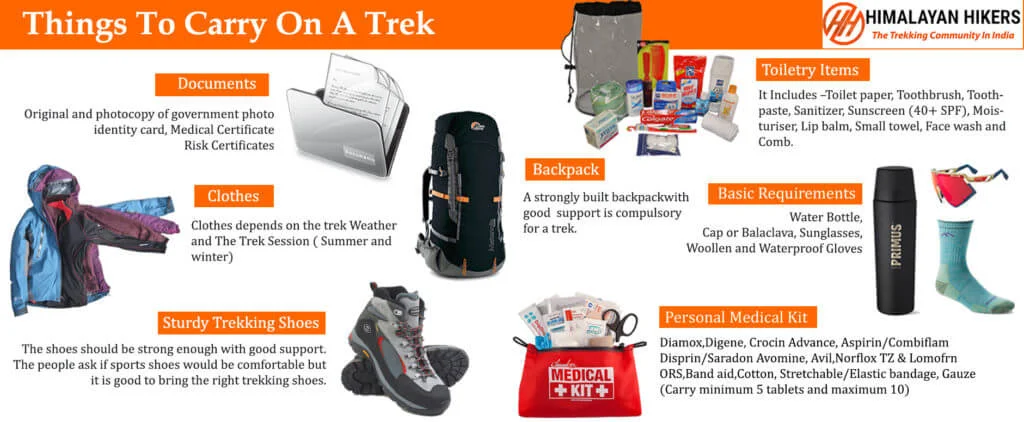
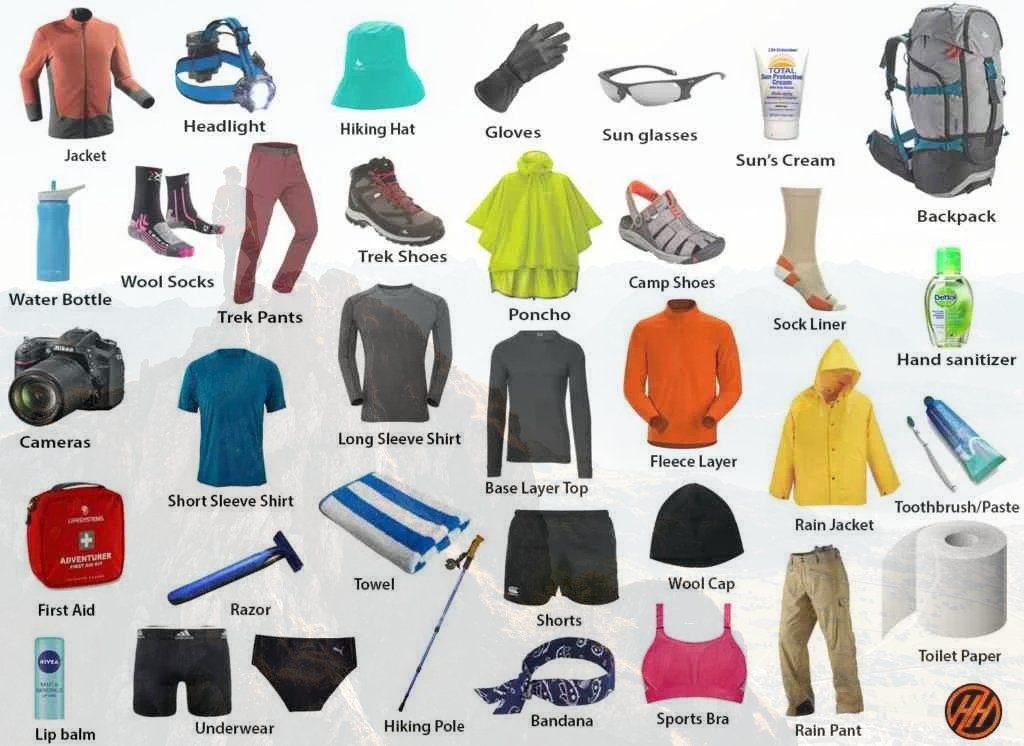
Packing the right gear is essential for a successful Rumtse to Tso Moriri Trek. Since this is a high-altitude trek in Ladakh, trekkers must be prepared for sub-zero temperatures, strong winds, and remote conditions. It is recommended to travel light while carrying all essential items.
Clothing
- Thermal innerwear (top & bottom)
- Fleece jacket or warm layers
- Down jacket (for sub-zero temperatures)
- Waterproof & windproof jacket
- Trekking pants (2–3 pairs)
- Woolen cap, sun cap, and balaclava
- Gloves (inner + waterproof outer)
- Woolen socks (3–4 pairs)
Footwear
- High-quality trekking shoes with good grip (most important)
- Extra pair of comfortable shoes or sandals
- Gaiters (for snow or dusty trails)
Backpack & Gear
- Backpack (50–60 liters) with rain cover
- Daypack (20–30 liters)
- Trekking poles
- Headlamp/torch with extra batteries
- Sunglasses (UV protection)
Personal Essentials
- Water bottles or hydration pack
- Energy bars, dry fruits, and snacks
- Sunscreen (SPF 50+), lip balm, moisturizer
- Personal toiletries (toothbrush, tissues, wet wipes)
Medical & Safety
- Personal first-aid kit
- Basic medicines (for headache, cold, AMS, etc.)
- Hand sanitizer and face mask
Documents & Miscellaneous
- Valid ID proof
- Permits (if required)
- Camera with extra batteries (cold drains battery fast)
- Power bank
Packing Tips
- Keep your backpack weight under 10–12 kg
- Pack in layers for easy access
- Use waterproof bags to keep items dry
How to Prepare for the Trek – Rumtse to Tso Moriri Trek
Preparing for the Rumtse to Tso Moriri Trek is essential due to its high altitude, long trekking days, and challenging terrain in Ladakh. Proper physical training, mental readiness, and the right gear will ensure a safe and enjoyable trekking experience.
Physical Preparation
- Cardio Training: Practice running, cycling, or swimming for at least 30–45 minutes daily to build stamina.
- Strength Training: Focus on legs, core, and back exercises such as squats, lunges, and planks.
- Practice Hikes: Go for regular hikes with a loaded backpack to simulate trekking conditions.
- Endurance: Aim to comfortably walk 8–10 km in a day before the trek.
Acclimatization
- Spend at least 2 days in Leh before starting the trek.
- Ascend gradually and avoid rapid altitude gain.
- Stay hydrated and listen to your body for any symptoms of altitude sickness.
Mental Preparation
- Be prepared for long trekking days and basic living conditions.
- Stay positive and mentally strong to handle challenges like weather changes and fatigue.
- Focus on enjoying the journey rather than just the destination.
Gear Preparation
- Invest in good quality trekking shoes and clothing.
- Carry layered clothing suitable for sub-zero temperatures.
- Ensure your backpack is well-organized and lightweight.
Health & Safety Tips
- Consult a doctor before the trek if you have any medical conditions.
- Avoid alcohol and smoking before and during the trek.
- Maintain proper hydration and nutrition.
- Carry personal medications and a basic first-aid kit.
Safety with Himalayan Hikers – Rumtse to Tso Moriri Trek
Your safety is our top priority on the Rumtse to Tso Moriri Trek. Trekking in the remote high-altitude region of Ladakh requires careful planning, experienced guidance, and strict safety protocols. Himalayan Hikers ensures a secure and well-managed trekking experience for every participant.
Experienced Guides & Support Team
- Certified Guides: Experienced and trained guides with in-depth knowledge of the terrain and high-altitude conditions.
- Support Staff: Dedicated team including cooks, porters, and helpers to assist throughout the trek.
- Small Group Size: Limited group size ensures better attention and safety for each trekker.
Health & Acclimatization
- Proper Acclimatization: Scheduled acclimatization days to help your body adjust to high altitude.
- Health Monitoring: Regular checks for signs of altitude sickness (AMS).
- Hydration & Nutrition: Guidance on maintaining proper hydration and diet during the trek.
Safety Equipment
- First-Aid Kit: Well-stocked medical kits available at all times.
- Oxygen Support: Oxygen cylinders available for emergency situations.
- Communication: Walkie-talkies used in areas with no mobile network.
Emergency Protocols
- Pre-planned evacuation procedures in case of emergencies.
- Quick response to altitude sickness or injuries.
- Flexible itinerary to adjust according to weather and trekker condition.
Guidelines for Trekkers
- Follow instructions given by guides at all times.
- Avoid alcohol and smoking during the trek.
- Do not push beyond your physical limits.
- Report any discomfort or health issues immediately.
Rumtse to Tso Moriri Trek – Inclusions
| Category | Details |
|---|---|
| Transport | Transport Facility from Rumtse to Rumtse |
| Permits | Forest Permit and Entrance Fee |
| Accommodation | Accommodation in tents on twin share basis |
| Meals | All meals: breakfast, packed lunch, tea, coffee, snacks, soup and dinner |
| Camping Gear | All camping gears including high quality tents, sleeping bags, mattress, liner, and pillow |
| Toilet Facilities | Separate toilet tents for ladies and gents |
| Dining Setup | Dining tent and dining table |
| Support Staff | Porters, helper, mules, and kitchen team |
| Guides | Experienced trek leader guide and technical guide |
| Communication | Radio walkie-talkie for communication |
| Safety Equipment | Medical kit, oxygen cylinders, crampons, and gaiters |
Rumtse to Tso Moriri Trek – Exclusions
| Category | Details |
|---|---|
| Insurance | Personal insurance is not included |
| Medical Requirements | Medical certificate is not included |
| Personal Items | Personal toiletry items and personal medicine kit are not included |
| Meals (First Day) | Breakfast and lunch on the first day en route to the base camp are not included |
| Meals (Last Day) | Lunch and dinner on the last day en route are not included |
Important Note
Important Note – Rumtse to Tso Moriri Trek
Please read the following important points carefully before planning your Rumtse to Tso Moriri Trek to ensure a safe and smooth trekking experience.
- Weather Conditions: Weather in the mountains can change rapidly. Be prepared for sudden rain, snowfall, or temperature drops.
- Physical Fitness: This is a moderate to difficult trek. Proper physical fitness and stamina are required.
- Acclimatization: Spend at least one day in Srinagar or Pahalgam before starting the trek to adjust to the altitude.
- Medical Fitness: Carry a valid medical certificate and inform the team about any existing health issues.
- Packing: Carry only essential items. Your backpack should not exceed 8–10 kg.
- Trekking Gear: Proper trekking shoes, warm clothing, and rain protection are mandatory.
- Follow Instructions: Always follow the instructions given by the trek leader and guides for your safety.
- Environmental Responsibility: Maintain cleanliness and follow Leave No Trace principles. Do not litter.
- Mobile Network: Network connectivity is limited after Pahalgam. Inform family in advance.
- Delays: Delays due to weather, road conditions, or unforeseen circumstances are possible. Keep buffer days in your travel plan.
- Insurance: Personal travel insurance is recommended but not included in the package.
Map not available for this trek.
The Gangabal Lake Trek is a moderate-level trek, suitable for trekkers with basic experience and good physical fitness.
The best time to do this trek is from June to September, when the weather is stable and the meadows are lush green.
The trek reaches a maximum altitude of around 3570 meters (11,700 feet).
The trek usually takes around 3 to 4 days, depending on the itinerary and pace.
Prior experience is helpful, but fit beginners can also complete the trek with proper preparation.
Yes, it is recommended to spend at least one day in Srinagar before starting the trek.
Accommodation is generally in tents on a twin-sharing basis during the trek.
Carry warm clothes, trekking shoes, rain gear, sunglasses, sunscreen, and personal medicines.
Yes, the trek is safe when done with experienced guides and proper safety measures.
Yes, most trek packages include breakfast, lunch, snacks, and dinner.
Mobile network is available in Naranag, but limited or unavailable during the trek.
The trek is famous for its beautiful alpine lakes, scenic meadows, and views of Mount Harmukh.


