
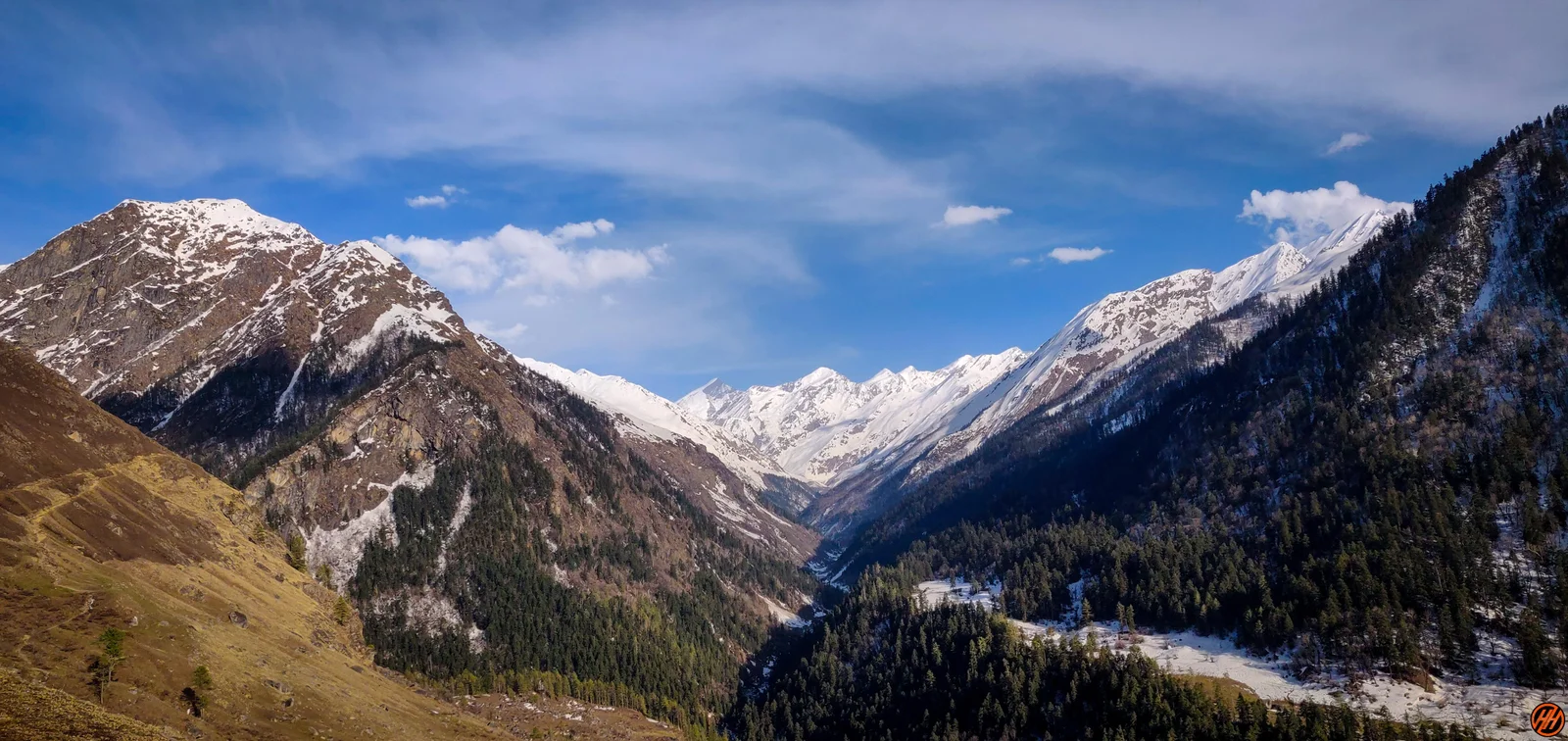


What makes Khaliya Top special is its raw, untouchedbeauty. The scenery unfolds slowly — first the forests, then the meadows,and finally the grand Himalayan panorama showcasing Panchachuli, Hardeol,Rajrambha, Nanda Devi East, and several other majestic peaks.
This trek is easy enough for beginners yet rewardingenough to amaze even seasoned trekkers.
Khaliya Top – Where the Meadows Meet the Sky
The trail itself is a journey of discovery. You walkthrough dense oak and rhododendron forests filled with birdsong and crispmountain air. Gradually, the trail opens into the vast, serene KhaliyaBugyal, one of Kumaon’s most beautiful high-altitude meadows.
- Winter: The meadow transforms into a white wonderland with crystal-clear views of the Panchachuli peaks.
- Summer: The slopes burst into color with wildflowers and lush green meadows.
At the summit, a commanding 360° panoramic view ofsnow-clad Himalayan ranges awaits. Discover the Charming Culture of Munsiyari Your journey begins in Munsiyari, a vibrantHimalayan town known for its culture, warm hospitality, and clear mountainviews. Home to the Johari tribe, Munsiyari reflects rich traditions andmountain life.
Here, you can experience:
- Authentic Kumaoni cuisine
- Local markets offering handwoven wool and handicrafts
- The beautiful Birthi Waterfall
- Mesmerizing views of the Panchachuli Peaks
Munsiyari is not just a basecamp — it is a destination ofstories, culture, and Himalayan magic.
Top 3 Reasons to Love the Khaliya Top Trek
1. Spectacular Views of Panchachuli Peaks
From Khaliya Top, the Panchachuli range feelsunbelievably close. Sunrise and sunset here create dramatic colors on the snowpeaks — an unforgettable experience.
2. One of the Most Beautiful Bugyals of Kumaon
Khaliya Bugyal is a vast expanse of lushsummer grasslands and glittering winter snowfields. The peace, silence, andopenness are unmatched.
3. Perfect for Beginners Yet Amazingly Rewarding
The trek is easy to moderate, suitable forbeginners, families, and children. Yet the final view feels grand and majestic— making it a rare gem.
Khaliya Top Trek Complete Guide
Our mission has always been to ensure that no trekker steps into the Himalayas without the right perspective. A trek is not just a checklist of summits; it is a serious commitment to the outdoors. Having the right information is what separates a reckless climb from a soulful journey.
This section serves as your definitive manual for the Khaliya Top Trek. We have distilled years of mountain experience and real-time feedback into this guide to give you a clear, honest picture of the trail.
We provide this depth of information because we want you to be more than just a visitor—we want you to be a prepared, responsible trekker who respects the mountains as much as we do.
Day 1: Kathgodam → Munsiyari (Basecamp)
Day 2: Munsiyari → Bhujani Campsite
Day 3: Bhujani → Khaliya Top → Return to Bhujani → Munsiyari
Day 4: Munsiyari → Kathgodam
Day 1
Day 2
Day 3
Day 4
Day 1: Kathgodam → Munsiyari (Basecamp)
- Altitude: 7,200 ft
- Drive: 280 km | 10–12 hours
Begin your journey with a scenic drive through Almora, Bageshwar, Thal, and lush valleys. Enjoy your first glimpse of the Panchachuli peaks upon arriving in Munsiyari.
Highlights:
- Birthi Waterfall
- Sunset on Panchachuli
- Evening stroll in Munsiyari market
Day 2: Munsiyari → Bhujani Campsite
- Altitude: 7,200 ft to 9,500 ft
- Trek Distance: 5 km | 3–4 hours
Your trek starts through dense oak, pine, and rhododendron forests. As you approach Bhujani, the meadow views begin to open.
Highlights:
- Lush forest trails
- Scenic campsite
- First Himalayan glimpses
Day 3: Bhujani → Khaliya Top → Return to Bhujani → Munsiyari
- Altitude: 9,500 ft to 11,500 ft
- Trek Distance: 9 km | 6–7 hours
This is your summit day. The trail gradually opens into Khaliya Bugyal and leads to the summit with breathtaking 360° Himalayan views.
Peaks Visible: Panchachuli, Nanda Devi East, Hardeol, Rajrambha, Milam Valley ranges
Highlights:
- 360° Himalayan panorama
- Vast high-altitude meadow
- Stunning photo points
Return to Munsiyari by evening.
Day 4: Munsiyari → Kathgodam
Depart after breakfast with memories of a lifetime.
During winters, the difficulty level may increase due to snow, but overall this trek is a perfect Himalayan start for beginners.
Khaliya Top Trek is an easy to moderate level trek, but it does involve some challenges that require trekkers to be mentally and physically prepared.
1. High Altitude Difficulty
The trek reaches approximately 11,500–12,000 ft, where oxygen levels are lower. Because of this, you may experience breathing issues, headaches, or dizziness.
2. Continuous Uphill Trek
The trail is not very technical, but due to the continuous ascent, beginners may feel tired during the climb.
3. Weather Challenges
Weather in the mountains is unpredictable. Cold, rain, and fog can make trekking more difficult.
4. Snow Trekking (Winter)
In winter, the trail is covered with snow, making it slippery and more challenging to walk on.
5. Limited Facilities
Due to the remote location, network, medical facilities, and shops are limited, so proper preparation is important.
Overall, Khaliya Top Trek is suitable for beginners, as long as you have basic fitness and proper planning.
- Difficulty Level: Easy to Moderate
- Best For: Beginners & Nature Lovers
- Preparation: Basic Fitness Required
Weather & Best Season
Khaliya Top is a year-round trek, and each season has its charm.
Best Time to Visit
- March to June (Spring–Summer)
- October to February (Autumn–Winter)
Season Highlights
Spring (Mar–Apr): Rhododendrons, melting snow, pleasant weather
Summer (May–Jun): Clear skies, green meadows, perfect for families
Autumn (Oct–Nov): Sharp Mountain views, best photography
Winter (Dec–Feb): Snow-covered landscape, magical scenery
Winter vs Summer – Which Is Better?
summer (Green Khaliya Bugyal)
- Golden-green grasslands
- Clear views
- Ideal for families & beginners
- Mild temperature
winter (Snow Khaliya Top)
- Snow-covered meadows
- Crystal-clear sunrise views
- Magical photography
- Slightly more challenging
Both seasons offer unique and unforgettable beauty.
How to Reach Khaliya Top Trek
Khaliya Top Trek is located in the Munsiyari region of Uttarakhand. The base village of this trek is Munsiyari, which can be reached by road, rail, and air.
By Air
The nearest airport is Pantnagar Airport, located approximately 250 km from Munsiyari. From the airport, you can hire a taxi or take a shared cab to reach Munsiyari.
By Train
The nearest railway station is Kathgodam Railway Station (approx. 275 km). From Kathgodam, you can take a bus or taxi to reach Munsiyari.
By Road
Munsiyari is well-connected to major cities like Delhi, Haldwani, and Almora. You can travel by bus or private vehicle.
- Delhi to Munsiyari: ~600 km (10–12 hours)
- Kathgodam to Munsiyari: ~275 km (9–10 hours)
- Pantnagar to Munsiyari: ~250 km (8–9 hours)
Last Stretch
The trek to Khaliya Top starts from Munsiyari. From the base, it is approximately a 5–6 km hike, which takes around 4–5 hours to complete.
What to Pack for Khaliya Top Trek
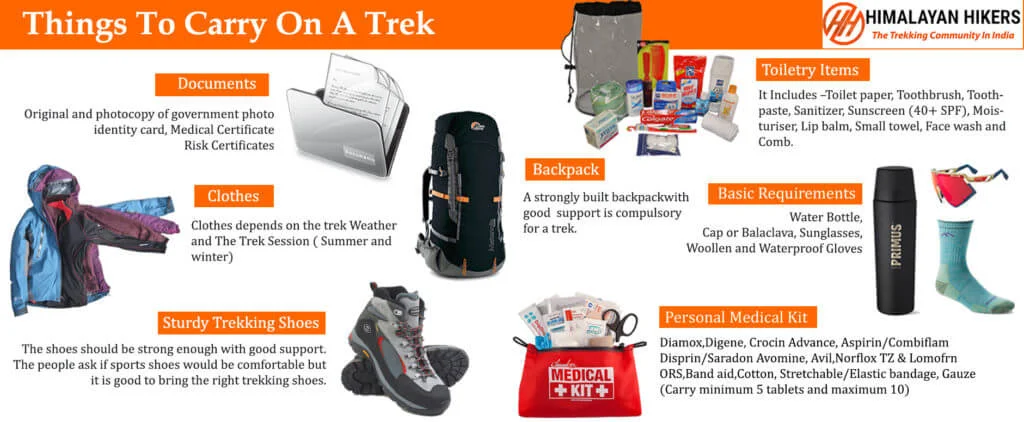
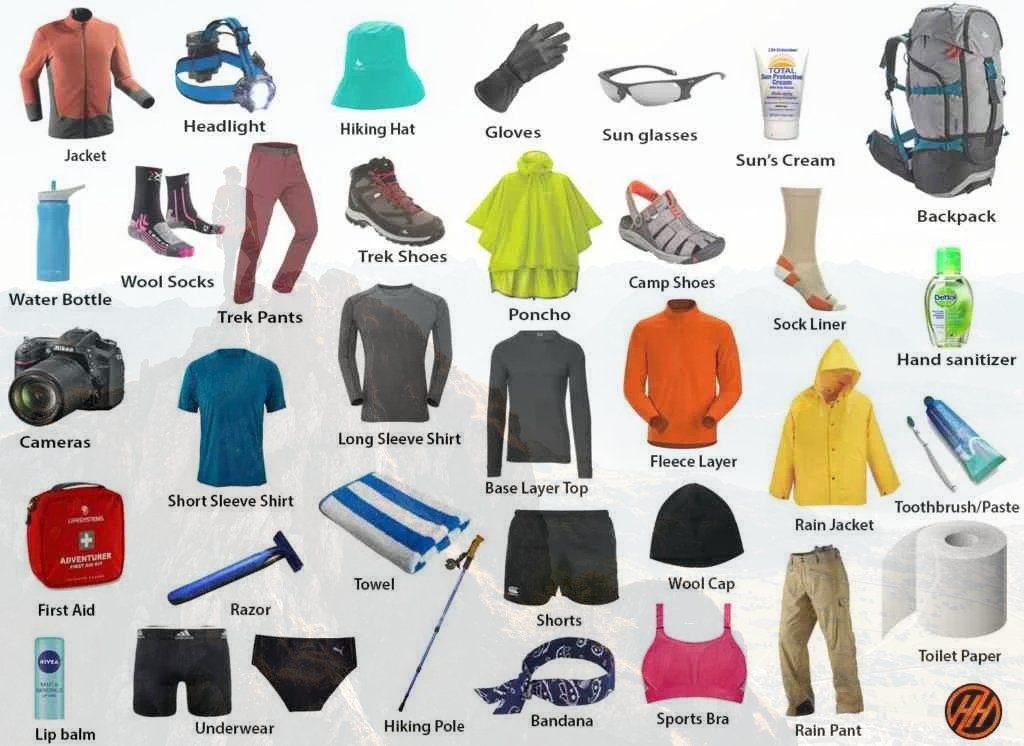
Packing the right items for the Khaliya Top Trek is very important for a safe and comfortable journey. Since weather conditions can change quickly in the mountains, you should carry all essential items.
1. Clothing Essentials
- Warm Jacket: Necessary to protect against cold weather
- Thermal Wear: Useful as inner layers
- Trekking Pants: Comfortable and quick-drying
- Woolen Cap & Gloves: For protection from cold
- Extra Socks: Carry at least 2–3 pairs
2. Footwear
- Trekking Shoes: Should have good grip and preferably be waterproof
- Slippers: For use at the campsite
3. Personal Essentials
- Water Bottle: Stay hydrated (1–2 litres)
- Sunglasses: Protection from sun and snow glare
- Sunscreen: SPF 30+ recommended
- Lip Balm: Prevents dryness
4. Trekking Gear
- Backpack (30–40L): Lightweight and comfortable
- Trekking Pole: Helps with balance
- Headlamp/Torch: Useful for night
- Raincoat/Poncho: Protection from sudden rain
5. Medical & Safety
- First Aid Kit: Basic medicines and bandages
- Personal Medicines: As prescribed
- Sanitizer & Wet Wipes: For hygiene
Tip: Pack only what is necessary and keep your backpack light for a better trekking experience.
How to Prepare for Khaliya Top Trek
Preparing well for the Khaliya Top Trek is essential, especially for beginners. With the right preparation, you can make your trekking experience safe, comfortable, and enjoyable.
1. Improve Physical Fitness
Focus on building your stamina and strength before the trek. Regular exercise will help your body adjust to long walking hours.
- Walking/Running: Practice 3–5 km daily
- Stair Climbing: Helps with uphill trekking
- Breathing Exercises: Improves lung capacity
2. Mental Preparation
Trekking also requires mental strength. Be prepared for long walks, changing weather, and basic living conditions.
3. Acclimatization
Your body needs time to adjust to high altitude. Ensure proper rest and hydration to avoid altitude sickness.
4. Pack Smartly
Carry only essential items and keep your backpack light. Proper packing makes trekking easier and more comfortable.
5. Check Weather Conditions
Always check the weather forecast before starting your trek. Be ready for sudden rain, snow, or cold weather.
6. Choose the Right Season
The best time for this trek is during spring (March–May) and autumn (September–November), when the weather is more stable.
Good preparation ensures that your Khaliya Top Trek is safe, enjoyable, and memorable. Proper fitness, planning, and the right gear are key to a successful trek.
How to Prepare for Khaliya Top Trek
Khaliya Top Trek requires proper preparation, especially if you are a beginner. A little planning and practice can make your trek easy and enjoyable.
1. Physical Fitness
Before the trek, work on improving your stamina and strength. Daily walking, jogging, or light exercise can be very helpful.
- Walking/Running: 3–5 km daily
- Stair Practice: Helpful for uphill training
- Breathing Exercises: Improves oxygen control
2. Mental Preparation
Trekking is not just physical; it also requires mental strength. Be prepared for long walks and changing conditions.
3. Acclimatization
It is important for your body to adjust to high altitude. Maintain proper rest and hydration to avoid altitude sickness.
4. Packing Smartly
Carry only essential items. Keep your backpack lightweight to make trekking easier.
5. Check Weather Conditions
Always check the weather forecast before your trek. Be prepared for rain, snow, or extreme cold.
6. Choose the Right Time
For the best experience, plan your trek during spring (March–May) or autumn (September–November).
Good preparation will make your Khaliya Top Trek safe, comfortable, and memorable. Fitness, planning, and the right gear are the most important factors.
Inclusions for Khaliya Top Trek
The following services are usually included in the Khaliya Top Trek package:
| Category | Details |
|---|---|
| Accommodation | Tents or guesthouse stay during the trek |
| Meals | Veg meals (breakfast, lunch, dinner) during the trek |
| Trek Guide | Experienced trek leader and local guides |
| Camping Equipment | Tents, sleeping bags, and basic camping gear |
| Permits | Forest permits and entry fees |
| First Aid | Basic medical kit and support |
Exclusions for Khaliya Top Trek
The following services are usually not included in the trek package:
| Category | Details |
|---|---|
| Transportation | Travel to and from Munsiyari (base location) |
| Personal Expenses | Snacks, beverages, shopping, etc. |
| Porter/Mule Service | Charges for carrying personal luggage |
| Insurance | Travel or medical insurance |
| Emergency Costs | Expenses due to weather delays, evacuation, or emergencies |
| Personal Gear | Trekking shoes, clothes, and other personal equipment |
Important Note
Please read the following important guidelines carefully before planning your Khaliya Top Trek:
- Weather Conditions: Weather in the mountains is unpredictable and may change suddenly. Trek schedules can be adjusted for safety reasons.
- Physical Fitness: A basic level of fitness is required. Participants should be prepared for long walks and uphill climbs.
- Altitude Awareness: The trek reaches high altitude, so proper acclimatization and hydration are important to avoid altitude sickness.
- Carry Valid ID: All trekkers must carry a valid government ID for permits and verification.
- Follow Trek Leader Instructions: Always follow the instructions given by the trek leader for your safety.
- No Littering: Keep the mountains clean. Do not leave any waste behind during the trek.
- Network Connectivity: Mobile network may not be available in remote areas.
- Personal Responsibility: Each trekker is responsible for their own belongings and safety during the trek.
Note: Following these guidelines will help ensure a safe, smooth, and enjoyable trekking experience.
Map not available for this trek.
Yes, it is one of the most beginner-friendly Himalayan treks.
Easy to Moderate.
From December to March, sometimes till early April.
Recommended for 10–60 years.
Washrooms are available in Munsiyari; on the trek, dry toilets are used.
BSNL works in Munsiyari. Network weakens during the trek.
Yes, with a registered guide or trekking group.
October, November, March, and April provide the sharpest mountain visibility.


.webp)


