


Key Highlights: Why It's Special
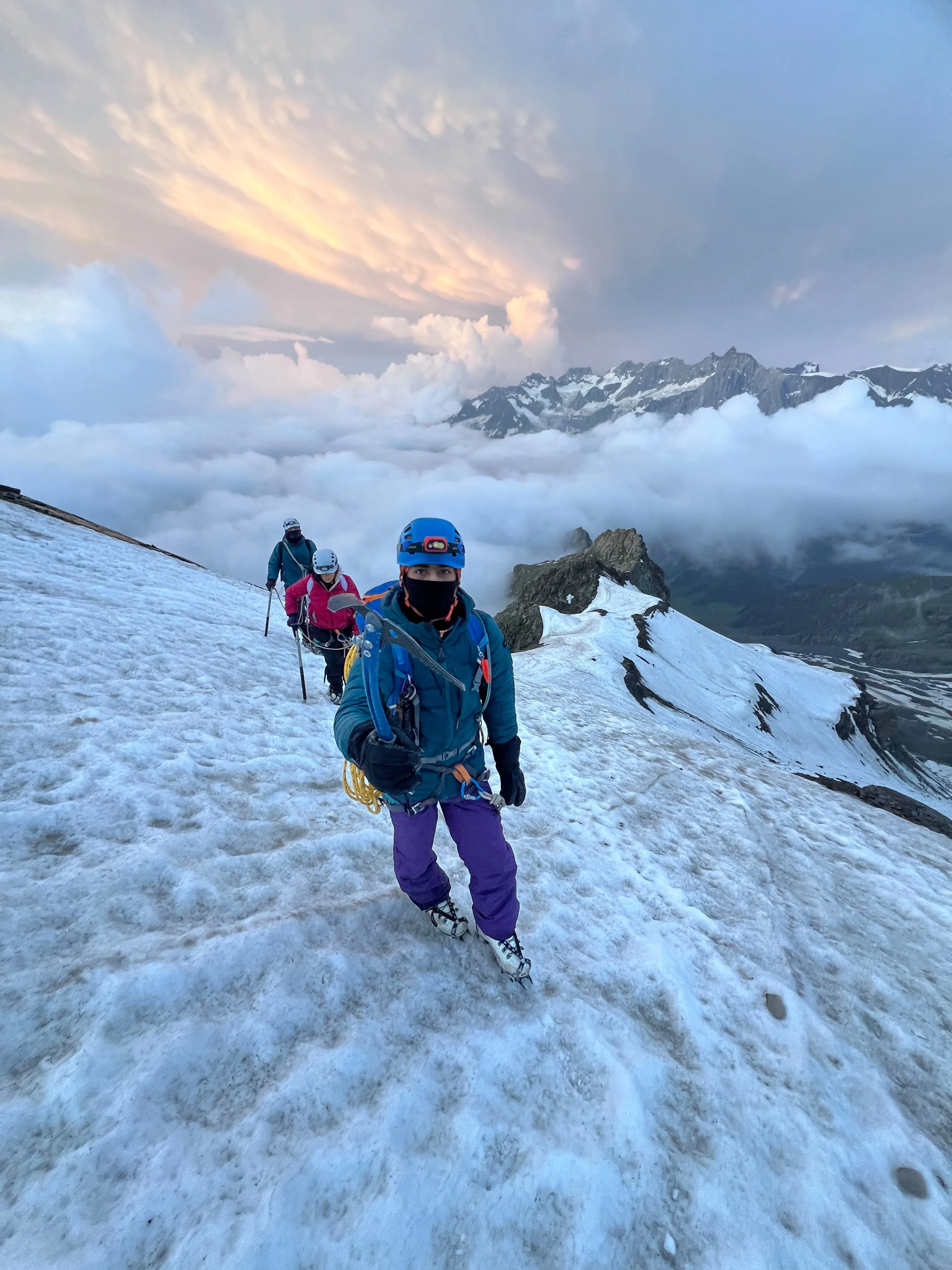
True Mountaineering Experience: Unlike standard high-altitude treks, this expedition introduces you to technical climbing. You will experience the thrill of navigating through glaciers, steep snow slopes, and rocky moraines using professional gear like ice axes, crampons, and ropes.
The Midnight Summit Push: Gearing up with headlamps in the freezing dark of midnight to climb an icy trail gives you the authentic, exhilarating feeling of being a professional mountaineer.
Why the Friendship Peak Expedition is a Must-Do
1. The Gateway to Technical Mountaineering
Unlike traditional high-altitude treks where you simply walk on dirt trails, Friendship Peak offers a genuine mountaineering experience. Under the expert supervision ofHimalayan Hikers, you will learn how to strap on crampons, wield an ice axe, and navigate tricky glacial crevasses, steep snow walls, and rocky moraines.
2. The Exhilarating Midnight Summit Push
One of the most thrilling highlights of this expedition is starting the final ascent at midnight. Gearing up in freezing sub-zero temperatures, switching on your headlamps, and cutting through a silent, icy slope under a glittering canopy of stars gives you an authentic adrenaline rush that commercial treks simply cannot match.
3. A Breathtaking Sunrise Over 6,000-Meter Peaks
Reaching the summit right as dawn breaks rewards you with one of the most stunning sights on Earth. From the top, you get a 360-degree panoramic view of majestic giants likeDeo Tibba, Indrasan, Shitidhar, and Hanuman Tibba, all glowing in vibrant shades of gold and pink as the morning sun hits the snow.
4. Diverse Landscapes in Just a Few Days
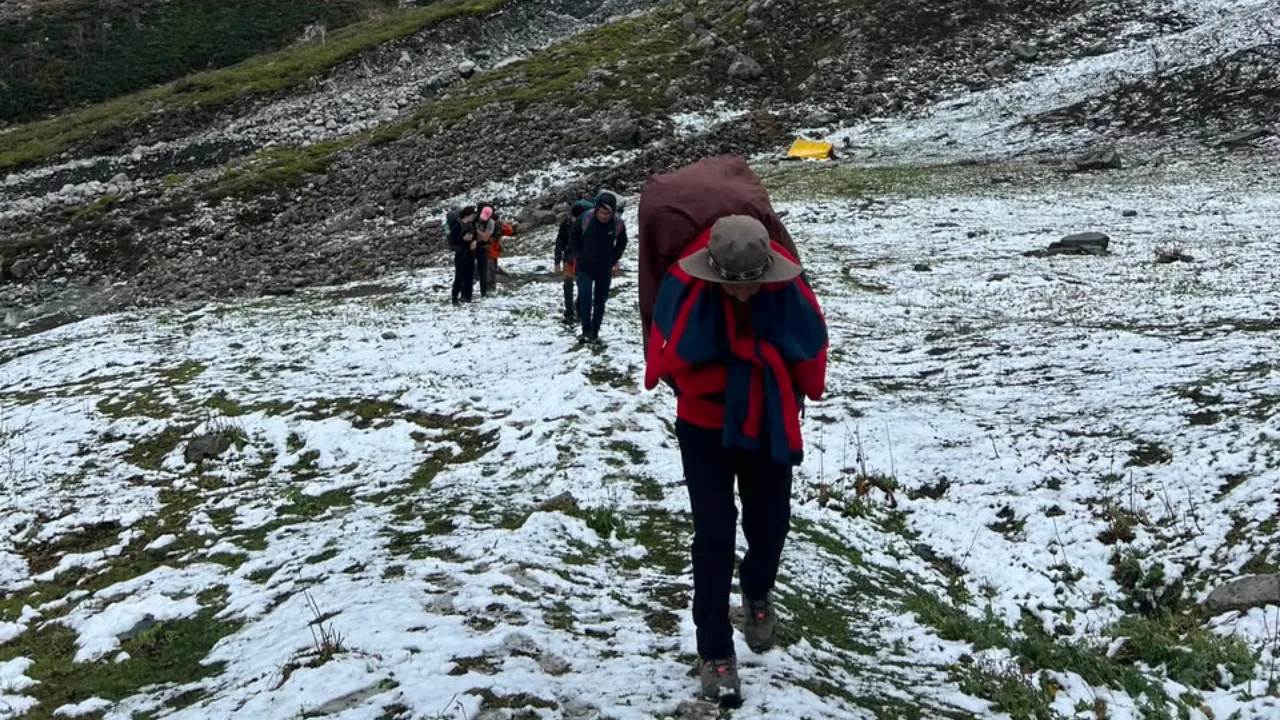
The trail withHimalayan Hikersis visually dynamic. Within a week, you transition through lush green pine forests, roaring riverbanks along the Beas River, vibrant alpine meadows like Bakarthatch, raw boulder fields, and finally, vast stretches of pristine snow fields.
5. Absolute Solitude and Serenity
Away from the chaotic tourist crowds, the Friendship Peak route offers untouched wilderness. The absolute peace of the mountains, broken only by the crunch of ice beneath your boots and the whistle of mountain winds, offers a deeply meditative escape.
Major Altitude Markers:
Manali (Base Hub):2,050 meters (6,730 feet)
Dhundi (Trek Starting Point):3,140 meters (10,300 feet)
Bakarthatch (Campsite):3,300m to 3,650 meters (10,800 to 12,000 feet)
Lady Leg (High Altitude Base Camp):3,900m to 4,300 meters (12,800 to 14,100 feet)
Friendship Peak Summit:5,289 meters (17,352 feet)
Friendship Peak Expedition Complete Guide
Our mission has always been to ensure that no trekker steps into the Himalayas without the right perspective. A trek is not just a checklist of summits; it is a serious commitment to the outdoors. Having the right information is what separates a reckless climb from a soulful journey.
This section serves as your definitive manual for the Friendship Peak Expedition. We have distilled years of mountain experience and real-time feedback into this guide to give you a clear, honest picture of the trail.
We provide this depth of information because we want you to be more than just a visitor—we want you to be a prepared, responsible trekker who respects the mountains as much as we do.
Day 1: Arrival in Manali & Briefing
Altitude: 2,050 m (6,725 ft)
Stay: Hotel in Manali
Highlights: Arrive at the base camp hotel in Manali. Meet the trek leaders and fellow climbers, complete document verification, and undergo a medical checkup and expedition briefing.
Day 2: Manali to Dhundi (Drive) & Trek to Bakarthach
Drive: 21 km (approx. 1 hour)
Trek Distance: 4 km (3 to 4 hours)
Altitude: Dhundi (3,140 m) to Bakarthach (3,300 m / 10,826 ft)
Stay: Tents at Bakarthach
Route: Drive past Solang Valley to Dhundi. Begin trekking alongside the roaring Beas River, gradually walking above the tree line through vibrant alpine meadows to reach Bakarthach campsite.
Day 3: Bakarthach to Base Camp (Lady Leg)
Trek Distance: 3 km (3 to 4 hours)
Altitude: 3,900 m (12,795 ft)
Stay: Base Camp Tents (Lady Leg)
Route: A steady ascent over rocky moraines and ridgelines. Lady Leg serves as the ideal natural base camp surrounded by towering peaks like Shitidhar and Ladakhi. Afternoon session for technical training on snow and ice craft (using crampons and ice axes).
Day 4: Acclimatization Walk & Load Ferry
Trek Distance: 3 to 4 km (4 hours)
Altitude: Up to ~4,400 m (14,435 ft) and back
Stay: Base Camp (Lady Leg)
Route: Trek higher toward the summit camp zone to drop off climbing equipment, tents, and rations. Spend time acclimatizing to the thin air before descending back to Lady Leg for a restful sleep.
Day 5: Move from Base Camp to Summit Camp
Trek Distance: 2 km (2 to 3 hours)
Altitude: ~4,750 m (15,580 ft)
Stay: High Altitude Summit Camp
Route: Climb back up with your primary backpacks to establish the high-altitude camp closer to the snowline. Early dinner, final gear check, and an early sleep for the summit push.
Day 6: Summit Attempt & Return to Base Camp
Trek Distance: 7 to 8 km (8 to 10 hours)
Altitude: Friendship Peak (5,289 m / 17,352 ft)
Stay: Base Camp (Lady Leg)
Route: Wake up around midnight. Navigate steep, frozen snow slopes, narrow ridges, and a technical final push under the stars. Catch a breathtaking sunrise view from the summit ridge overlooking the greater Himalayas, then carefully descend all the way back down to Lady Leg.
Day 7: Base Camp to Dhundi Trek & Drive to Manali
Trek Distance: 7 km (3 to 4 hours)
Drive: 21 km (1 hour)
Altitude: Descend to 3,140 m (Dhundi) and back to 2,050 m (Manali)
Route: Pack up the campsite and retrace your steps down to Dhundi via Bakarthach. Board vehicles back to Manali by afternoon, followed by a certificate distribution ceremony and expedition wrap-up.
(Note: An extra buffer day is recommended to account for unpredictable weather changes in the high Himalayas.)
Day 1
Day 2
Day 3
Day 4
Day 5
Day 6
Day 7
Day 1: Arrival, Briefing, and Medical Checks
Location: Manali
Altitude: 2,050 m (6,725 ft)
Stay: Base Camp Hotel, Manali
Log & Route Details:
What to Expect: Arrival at the base camp hotel, meeting expedition leaders, mountain guides, and fellow climbers.
Activities: Document verification, medical check-ups (checking oxygen levels and blood pressure), technical gear distribution (crampons, ice axes, harnesses, helmets), and a detailed briefing on high-altitude safety, weather patterns, and mountain ethics.
Highlights: Exploring the lively Manali market in the evening, enjoying the cool mountain breeze, and getting pumped up for the upcoming adventure.
Day 2: Manali to Dhundi (Drive) & Trek to Bakarthach
Drive: 21 km (approx. 1 hour) | Trek: 4 km (3 to 4 hours)
Altitude: Dhundi (3,140 m) to Bakarthach (3,300 m / 10,826 ft)
Stay: Tents at Bakarthach Campsite
Log & Route Details:
Route: Drive from Manali past the scenic Solang Valley and the Atal Tunnel south portal approach to reach Dhundi. From Dhundi, start trekking gently alongside the roaring Beas River.
Terrain: Gradual ascent, moving past wooden bridges and crossing the tree line into sprawling alpine meadows.
Highlights:
Mesmerizing views of the Solang valley floor shrinking behind you.
Walking right next to the crystal-clear, gushing Beas River.
Spotting horses grazing in the lush green meadows of Bakarthach with distant water streams cutting through the valley.
Day 3: Bakarthach to Base Camp (Lady Leg)
Trek Distance: 3 km (3 to 4 hours)
Altitude: 3,900 m (12,795 ft)
Stay: Base Camp Tents (Lady Leg)
Log & Route Details:
Route: A steady, steep climb moving away from the meadows and entering harsh terrain.
Terrain: Navigating over loose rocky moraines, boulder fields, and narrow ridge paths.
Highlights:
Reaching Lady Leg, a unique, natural ridge-like plateau that acts as the ultimate safe haven for high-altitude campers. Spectacular, up-close views of majestic surrounding peaks like Shitidhar, Ladakhi, and Hanuman Tibba.
Afternoon Technical Training: A crucial session on snowcraft where guides teach you how to properly walk with crampons, self-arrest with an ice axe if you slip, and manage climbing ropes.
Day 4: Acclimatization Walk & Load Ferry
Trek Distance: 3 to 4 km round trip (4 hours)
Altitude Reached: Up to ~4,400 m (14,435 ft) and back
Stay: Base Camp (Lady Leg)
Log & Route Details:
Route: Trekking higher up toward the snowline and the advanced camp zone, dropping off heavy gear, and returning to base camp to sleep low.
Terrain: Loose scree, steep moraine slopes, and patches of hard snow.
Highlights:
Load Ferry Benefits: Lightens your backpack for the actual move day while helping your red blood cells adapt to the thinning oxygen.
Incredible bird's-eye view of the entire Beas Kund valley from 4,400 meters.
Catching a stunning golden hour and sunset casting orange hues over the Pir Panjal mountain range.
Day 5: Move from Base Camp to Summit Camp
Trek Distance: 2 km (2 to 3 hours)
Altitude: 4,750 m (15,580 ft)
Stay: High Altitude Summit Camp
Log & Route Details:
Route: Trekking back up past the acclimatization route with your primary backpacks to establish tents closer to the snowline.
Terrain: Snow patches, rocky ledges, and glacial moraines.
Highlights:
Setting up tents right on the edge of the snowfield under expert supervision.
Melting snow over stoves for drinking water—an essential high-altitude camp experience.
An early dinner followed by an early bedtime while watching a breathtaking star-studded night sky with zero light pollution.
Day 6: Summit Attempt & Return to Base Camp
Trek Distance: 7 to 8 km total (8 to 10 hours)
Altitude: Friendship Peak Summit at 5,289 m (17,352 ft)
Stay: Base Camp (Lady Leg)
Log & Route Details:
Route: The big push! Starting around midnight under headlamps, navigating steep frozen snow slopes, traversing narrow ridges, and handling technical final sections using ropes.
Terrain: Hard-packed snow, ice walls, rocky outcrops, and a final knife-edge summit ridge.
Highlights:
Climbing under a magnificent canopy of stars with the glow of distant valley lights below.
The Sunrise View: Watching the first rays of the sun paint the entire Greater Himalayas in brilliant shades of gold and pink from the summit ridge.
Summit Panorama: A 360-degree view of massive peaks including Hanuman Tibba, the Indrasen group, Deo Tibba, and the Lahaul & Spiti ranges.
The euphoric feeling of standing on top of Friendship Peak at 5,289 meters, followed by a careful descent back down to Lady Leg for celebratory food and deep rest.
Day 7: Base Camp to Dhundi Trek & Drive to Manali
Trek Distance: 7 km (3 to 4 hours) | Drive: 21 km (1 hour)
Altitude: Descend to 3,140 m (Dhundi) and back to 2,050 m (Manali)
Stay: Hotel in Manali
Log & Route Details:
Route: Striking camp, cleaning up the campsite completely (leave no trace policy), and retracing steps down via Bakarthach to Dhundi. Boarding transport back to Manali.
Terrain: Descending rocky moraines back into green alpine meadows and dirt trails.
Highlights:
Breathing thick, oxygen-rich air as you drop lower in altitude.
Reaching Manali by afternoon, shedding heavy boots, and relishing a warm, comfortable shower.
Evening Celebration: Certificate distribution ceremony, sharing summit stories with the team, and a hearty wrap-up dinner.
Note: An extra buffer day is highly recommended in your schedule to handle unexpected weather changes, heavy snowfall, or additional acclimatization needs.
No difficulty level available.
Best Time to Do Friendship Peak Expedition
Choosing the right season with Himalayan Hikers depends on the kind of challenge you want to face:
1. Pre-Monsoon Season (May to June)
Terrain: Covered in heavy, thick layers of snow (2 to 4 feet deep).
Why Choose It: Perfect if you love a pure winter-wonderland aesthetic, softer climbing snow, and relatively pleasant daytime temperatures. It is widely preferred by first-time high-altitude climbers.
2. Post-Monsoon Season (September to October)
Terrain: Snow melts away significantly, revealing a more technical mix of hard blue ice, rocks, and moraine ridges.
Why Choose It: This window offers the clearest skies and sharpest visibility of the year, making it an absolute paradise for photography and stable weather conditions.
Note: Monsoon months (July-August) and deep winter (November-March) are strictly avoided due to heavy landslides, extreme avalanche risks, and sub-zero survival conditions.
No How to Reach the Base Camp available.
Necessary Items for trekkers
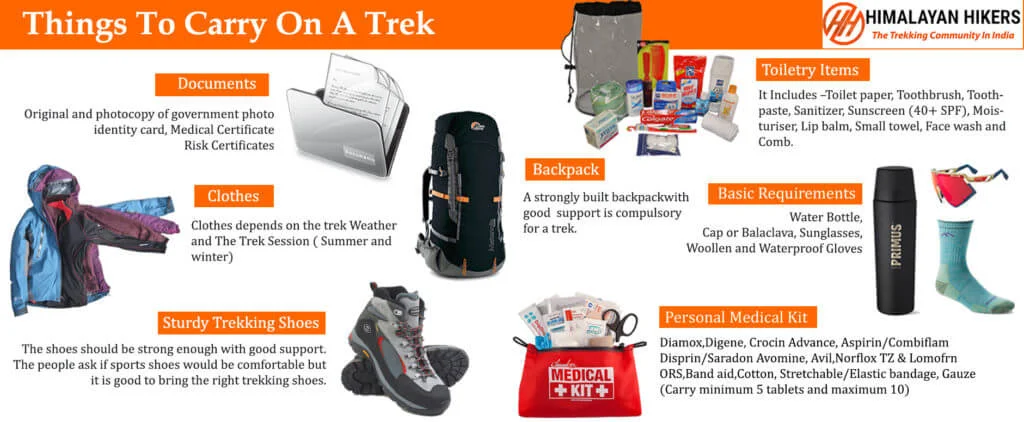
Mandatory Documents
Original and photocopy of government photo identity card- (Aadhar Card, Driving License, Voters ID, etc,)
Passport and Visa important to foreigners
Medical Certificate (First part should be filled by the Doctor and Second part by the Trekker)
Declaration Certificates
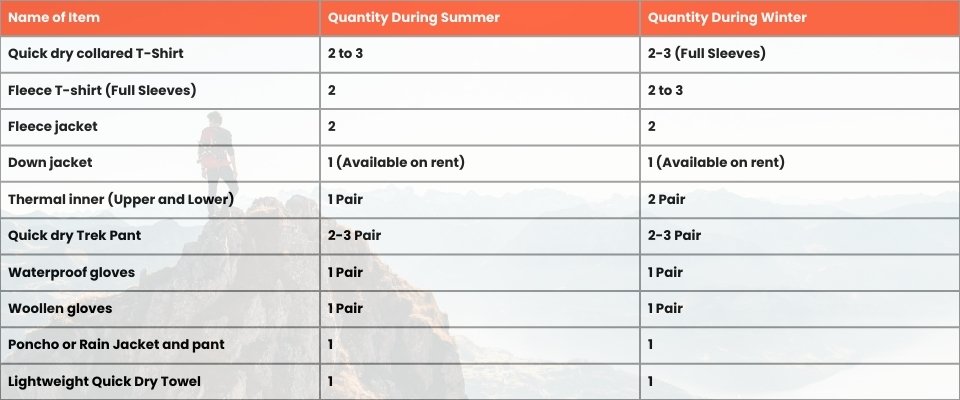
Note: – Many trekkers commit the same mistake of carrying unnecessary items on a trek which only makes the backpack heavy. It is important to know the right items to carry. It differs from season to season if you are trekking in summers then carry less layers of warm clothing and if you are trekking in winters carry enough layers to protect yourself against chilly cold.
Basic Trekking Gears
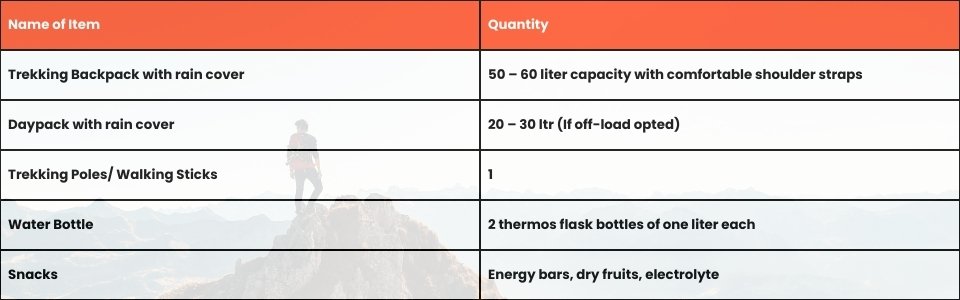
The Clothes You Should Bring On Satopanth Expedition
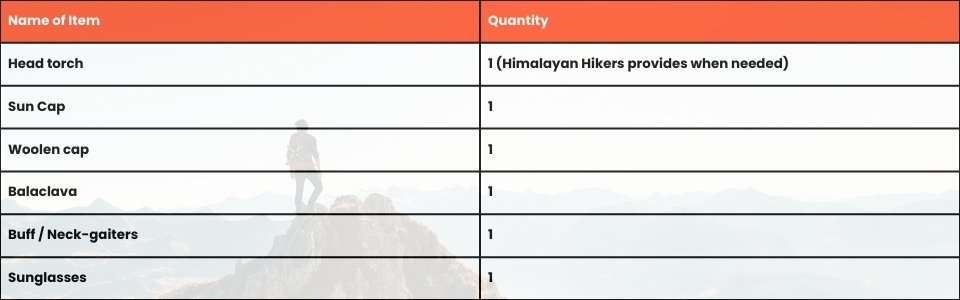
Head Gears
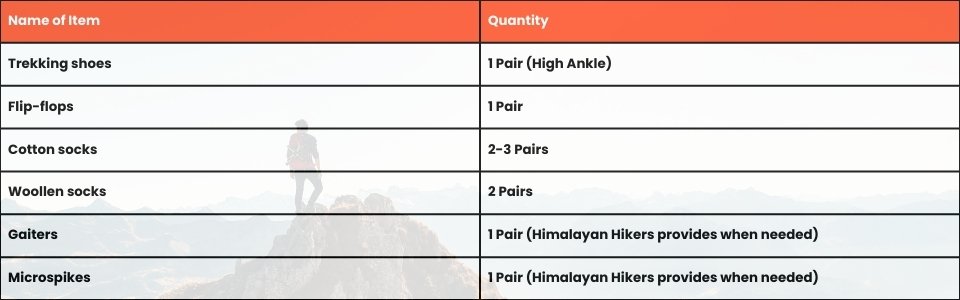
Foot Gears
Personal Care Essentials

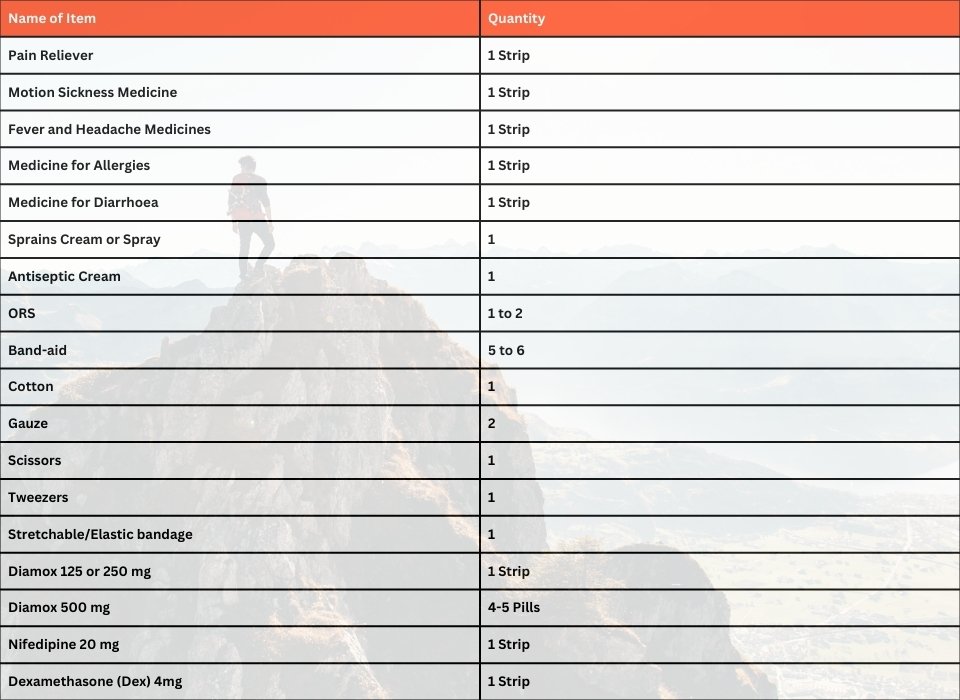
Carry a Personal Medical Kit
Are you Looking for Trekking Equipment on Rent?
If any trekker requires trekking equipment on rent, Himalayan Hikers offers the best-quality gear available for rental. Many individuals are in need of such equipment, and renting provides a cost-effective solution, allowing them to access high-quality gear at an affordable price without the need for a significant investment for short-term use.
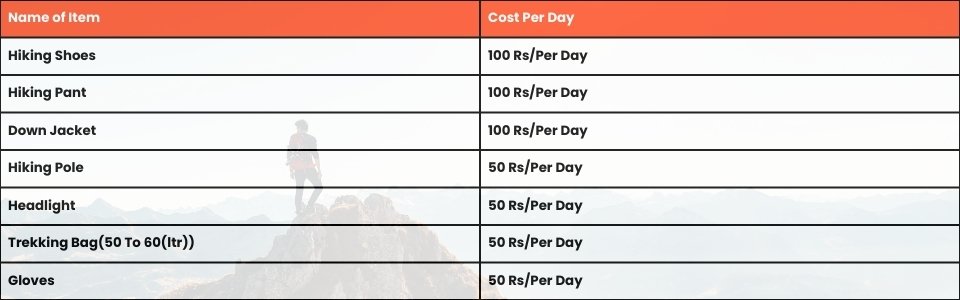
Trek Equipment You can book directly on first day at the Base Camp.
Note:-
Please take all medicines only when prescribed by the doctor. In case you face any problem during your trek,
discuss and take advice from the Professional guide.
The Trek is one of the most popular treks in Uttarakhand, Himachal,Kashmir,Laddakh,Sikkim,Nepal, requiring both physical preparation and mental readiness. Although it is categorized as a moderate trek, reaches an elevation of over 12,720 feet and traverses remote Himalayan terrain, which can be physically and mentally challenging. Here's how you can prepare yourself for a safe and successful accomplishment of the Trek:
Physical Fitness
Building a good fitness base is essential for every trekker. The Trek itinerary involves 5 to 6 hours of walking every day. Though the trails are well-marked, they are often bumpy and include steep uphill sections, which may affect your stamina. You can overcome your physical limitation with a 6-week training program that you can begin about 2 months before your Trek. Your 6-week fitness routine should include

Pro Tip: If you have time, you can skip the Sunday training and go for a long-distance walk or mini day-hike (7–10 km) with a loaded backpack to simulate real trekking conditions. A short 1-day hike around your city/town can help a lot.
Mental Preparation
Physical strength is only half the journey, the other half is mental resilience. The trail takes you through remote clearings, steep climbs, cold starry nights, and no mobile connectivity. Be prepared to:
(I) - Detach from the digital world.
(II) - Embrace basic mountain living (camping, toilet tents, limited electricity).
(III) - Push through moments of fatigue, weather discomfort, or altitude effects.
A positive mindset, patience, and the ability to adapt will carry you farther than muscle ever could.
Why Choose Himalayan Hikers?
Certified Mountain Guides: Professional leadership with extensive experience in rescue and technical high-altitude terrain.
Top-Tier Safety Equipment: Provision of verified high-altitude tents, microspikes, crampons, ice axes, and medical oxygen cylinders.
Nutritious Meal Plans: Hygienic, calorie-dense, and hot meals freshly prepared by our mountain chefs to keep your energy levels soaring at high altitudes.
| Category | Details |
|---|---|
| Transport | Transport from Manali To Manali traveller & taxi |
| Permits & Entry | Forest Permit and Entrance Fees |
| Accommodation | Tented Accommodation on Twin / triple Sharing |
| Meals | Breakfast, Lunch, Tea, Coffee, Snacks, Soup, Dinner (All meals included) |
| Camping Gear | High-Quality Dome Tents, Sleeping Bags, Mattress, Liner |
| Sanitation Setup | Separate Toilet Tents (Ladies & Gents), Dining Tent, Dining Table, Camping Chair |
| Support Staff | Kitchen Team, Trek Helpers |
| Communication Tools | Radio Walkie-Talkie |
| Trek Guides | Experienced Trek Leader & Technical Guide |
| Safety Equipment | Medical Kit, Oxygen Cylinders, Pulse Oximeter |
| Trekking Equipment | Crampons, Gaiters, Ice ax |
Note:Please bring your own lunch box for the hot lunch.
| Category | Details |
|---|---|
| Meals (Not Included) | –Day 1:En route Breakfast to base camp–Day 7:En route Lunch & Dinner (not included) |
| Personal Essentials | – Personal Toiletry Items– Personal Medical Kit |
| Porter Service | –The porter fee for the entire trek is ₹2,500.(to be paid directly at Manali base camp)– Minimum bag weight for porter:8 kg |
| Foreign Nationals | – ₹1600 extra for trekking permit–Passportand validVisarequired |
Important Note
Himalayan Hikers offers both online and offline booking options for their treks. Here’s a breakdown of both options:
1. Online Booking:
- Website: Himalayan Hikers has an official website where trekkers can browse through different treks, check details (itineraries, costs, difficulty level, etc.), and make bookings. Payment gateways are integrated for secure online transactions.
- Third-Party Platforms: They might also be listed on various trekking or adventure booking platforms, where you can compare prices, read reviews, and make bookings.
- Email Communication: Trekkers can inquire about treks via email and complete the booking process online, following email communication and payment.
2. Offline Booking:
- Direct Office Visit: Himalayan Hikers has physical offices (especially in Uttarakhand), where trekkers can visit in person, discuss treks, and complete bookings directly.
- Phone Booking: You can also call their office to make a booking. Details about payment methods, trek dates, and other logistics can be confirmed over the phone.
Yes, Himalayan Hikers requires a 25% advance payment for booking treks, Via- Google pay or UPI, Directly Himalayan Hikers Account with the remaining amount to be paid in cash at their branch office in Manalibefore the trek starts.
Map not available for this trek.
No FAQs available for this trek.


