


The Seek for Penance: After the Great War of Kurukshetra, the Pandavas were burdened with the guilt of Gotra Hatya (killing their own kin) and Brahmana Hatya (killing teachers and priests). To seek purification, they went in search of Lord Shiva to seek his blessings and forgiveness.
The Divine Disguise: Lord Shiva, deeply saddened by the carnage of the war, wanted to avoid the Pandavas. He took the form of a bull (Nandi) and hid in the Garhwal Himalayas (specifically in Guptkashi).
The Confrontation: When the Pandavas tracked him down, Bhima (the strongest brother) tried to catch the bull. As Bhima lunged, the bull began to sink into the earth to escape.
The Emergence of Five Parts: The bull’s body reappeared in five different locations, which are now worshipped as the Panch Kedar:
- Kedarnath: The hump (the most famous site).
- Tungnath: The arms.
- Rudranath: The face.
- Kalpeshwar: The matted hair (Jata).
- Madmaheshwar: The navel and stomach (the middle part).
The word 'Mad' or 'Madhya' means "middle." In Vedic philosophy, the navel is considered the center of life and energy in the body. Therefore, worshipping the navel of Lord Shiva at Madmaheshwar is believed to bring a deep sense of balance and spiritual awakening to the devotee.
Spiritual & Natural Significance
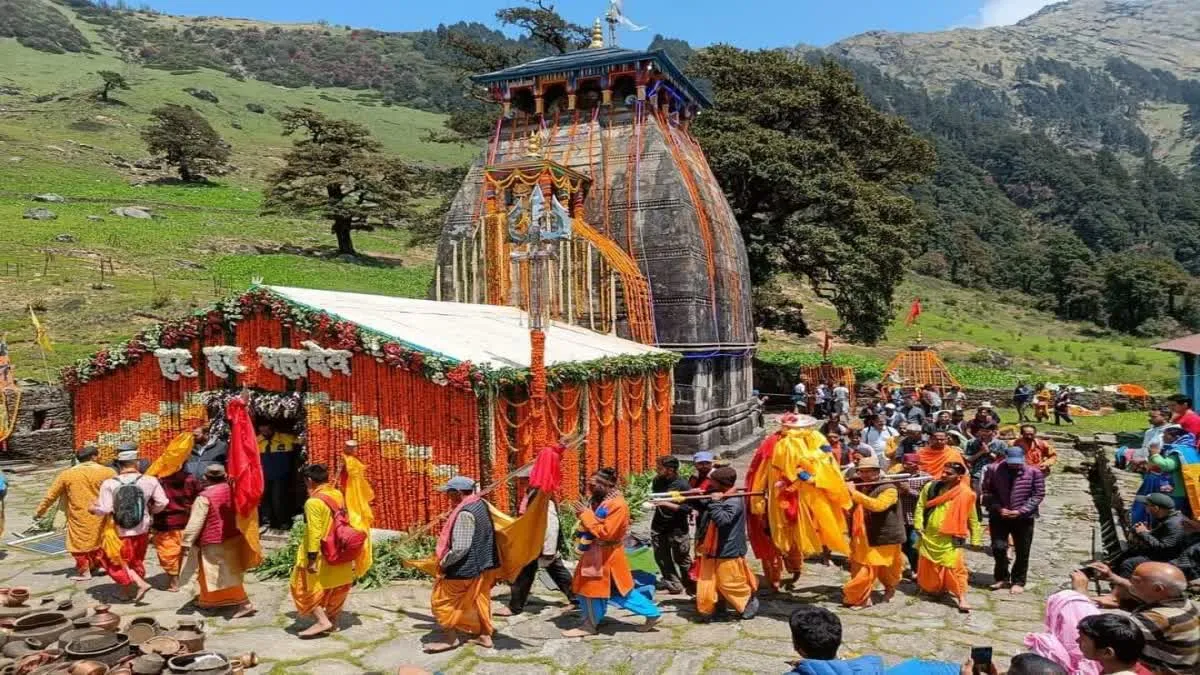
- The Legend: According to the Mahabharata, the Pandavas built this temple. It is believed that the middle part of the bull (Lord Shiva’s avatar) emerged here.
- The Meadows: The "Madmaheshwar Bugyal" is a vast, velvet-green expanse surrounding the temple, offering a peaceful environment that is less crowded than Kedarnath.
- The Peaks: From the top of Buda Madmaheshwar, you can see a crystal-clear reflection of the Chaukhamba Group of Peaks in small glacial ponds. You also get stunning views of Kedarnath, Neelkanth, and Mandani peaks.
Essential Travel Information (2026)
- Registration: Mandatory biometric registration via the Uttarakhand Tourism portal (Char Dham/Panch Kedar category).
- Connectivity: Mobile signals (Airtel/Jio) are largely unavailable after Ransi. BSNL may work occasionally, but do not rely on it for data.
- Physical Fitness: The stretch from Bantoli to the Temple is a continuous steep climb of nearly 2,000 meters in elevation. High cardio endurance is recommended.
- Weather: Even in June, nighttime temperatures can drop near 0°C to 5°C. Heavy woolens and waterproof gear are mandatory.
- Accommodation: Basic homestays and forest rest houses are available at Goundar, Nanu, and the Temple site. Local dhabas provide simple, nutritious Garhwali meals.
Madmaheshwar Trek Complete Guide
Our mission has always been to ensure that no trekker steps into the Himalayas without the right perspective. A trek is not just a checklist of summits; it is a serious commitment to the outdoors. Having the right information is what separates a reckless climb from a soulful journey.
This section serves as your definitive manual for the Madmaheshwar Trek. We have distilled years of mountain experience and real-time feedback into this guide to give you a clear, honest picture of the trail.
We provide this depth of information because we want you to be more than just a visitor—we want you to be a prepared, responsible trekker who respects the mountains as much as we do.
Day 01: Drive from Haridwar/Rishikesh to Ransi Village
- Distance: 236 km (Approx. 9–10 hours)
- Route: Haridwar/Rishikesh → Devprayag → Rudraprayag → Ukhimath → Ransi.
- Highlights: Witness the holy confluence of rivers at Devprayag and Rudraprayag.
- Stay: Overnight in a local Homestay at Ransi.
Day 02: Trek from Ransi to Gaundhar
- Distance: 06 km Trek | Duration: 4–5 Hours
- Altitude: 1,800 m / 5,900 ft
- Vibe: A gentle trek through lush green forests and small Himalayan hamlets.
- Stay: Overnight in a Homestay at Gaundhar.
Day 03: Trek from Gaundhar to Madhyamaheshwar Temple
- Distance: 10 km Trek | Duration: 7–8 Hours
- Altitude: 3,200 m / 10,500 ft
- Challenge: A steep uphill climb, especially the latter half.
- Highlight: Attending the evening Aarti at the 4th Kedar (Madhyamaheshwar Temple).
- Option: Visit Budha Madhyamaheshwar (2 km further up) for a panoramic 360-degree view of the Chaukhamba peaks.
- Stay: Overnight in Temple Guest House or Camps.
Day 04: Trek Down to Ransi & Drive to Chopta
- Trek: 16 km (Downhill) | Duration: 6–7 Hours
- Drive: 45 km (Approx. 2 hours) to Chopta.
- Schedule: Start early from the temple (around 6:00 AM) to reach Ransi by early afternoon. After a short rest, drive to Chopta—the "Mini Switzerland of India."
- Stay: Overnight in Camps or Swiss Tents at Chopta.
Day 05: Drive from Chopta to Rishikesh/Haridwar
- Distance: 170 km | Duration: 8–9 Hours
- Route: Chopta → Ukhimath → Rudraprayag → Rishikesh.
- End of Service: You will be dropped off at the Rishikesh or Haridwar Railway Station/Hotel.
Day 1
Day 2
Day 3
Day 4
Day 5
Day 01: Haridwar/Rishikesh to Ransi Village (The Scenic Drive)
- Holy Confluences (Sangam): On your way, you will witness Devprayag (where the Alaknanda and Bhagirathi rivers meet to form the Ganga) and Rudraprayag (the meeting point of the Alaknanda and Mandakini). Both spots are deeply sacred and visually stunning.
- Mountain Roads: Throughout the journey, the Alaknanda and Mandakini rivers will accompany you as you wind through the mountains.
- Village Life: Upon reaching Ransi, you’ll get your first glimpse of authentic Garhwali culture and beautiful, traditional wooden houses.
Day 02: Ransi to Gaundhar (The Nature Walk)
- Rivers & Bridges: This day involves walking alongside the Madhyamaheshwar Ganga river, crossing several charming, rustic wooden bridges along the way.
- Flora & Fauna: You will trek through dense forests filled with Buransh (Rhododendron) trees, accompanied by the peaceful chirping of Himalayan birds.
- Peaceful Hamlets: Experience the simple, heartwarming lifestyle of the mountain people in the tiny villages of Bantoli and Gaundhar.
Day 03: Gaundhar to Madhyamaheshwar Temple (The Spiritual Ascent)
- Chaukhamba Peaks: As you climb higher, the majestic Chaukhamba I, II, III, and IV peaks will begin to reveal themselves in all their glory.
- The Temple: Attending the Evening Aarti (prayer) at the temple offers a unique, powerful energy. The architecture of the temple is a reminder of the Pandava era.
- Budha Madhyamaheshwar: If you trek 2 km further up, you will find a small pond that captures the reflection of the Chaukhamba peaks—this is arguably the most iconic view of the entire trip.
Day 04: Madhyamaheshwar to Ransi & Drive to Chopta (The Alpine Meadows)
- Sunrise: Watching the first rays of the sun hit the snow-capped peaks behind the temple is a spiritual experience in itself.
- Meadows of Chopta: Upon arriving in Chopta, you will be greeted by vast alpine meadows known as Bugyals. This region is famously called the "Mini Switzerland of India."
- Stargazing: Due to the zero pollution in Chopta, the night sky is a canopy of stars. If the sky is clear, you can easily spot the Milky Way.
Day 05: Chopta to Rishikesh/Haridwar (The Farewell)
- Morning Views: Enjoy the crisp morning air and the dense Deodar forests of Chopta. If time permits, you can visit the base of the Tungnath trek.
- Kedar Valley Views: On your way back via Ukhimath, take one last look at the stunning landscape of the Kedar Valley.
- Rishikesh Vibes: Your journey concludes as you reach Rishikesh in the evening, greeted by the divine sound of temple bells and the Ganga Aarti.
No difficulty level available.
No best time available.
How to Reach Haridwar/Rishikesh & Onward to Madhyamaheshwar (Ransi)
If you are planning the Madhyamaheshwar Trek, Haridwar and Rishikesh serve as your primary gateways. Since the trek starts from the remote village of Ransi, here is the complete transportation guide:
1. Reaching Haridwar or Rishikesh from Major Cities
-
By Air: The nearest airport is Jolly Grant Airport (Dehradun).
-
From Delhi/Mumbai/Bangalore: Frequent flights are available.
-
From Airport: Hire a taxi to Rishikesh (35 km / 1 hour) or Haridwar (55 km / 1.5 hours).
-
-
By Train: Haridwar Junction (HW) is the most well-connected station.
-
From Delhi: Shatabdi, Jan Shatabdi, and Nanda Devi Express are the fastest.
-
From Other Cities: Direct trains run from Mumbai, Kolkata, Chennai, and Jaipur.
-
-
By Road: * Regular Volvo and State Transport (UTC) buses run from Delhi (ISBT Kashmiri Gate). The journey takes 5-7 hours via the Delhi-Meerut Expressway.
2. How to Reach Ransi from Haridwar/Rishikesh
Once you reach the foothills, you must travel deep into the Garhwal Himalayas to reach Ransi, the starting point of the 16 km trek to Madhyamaheshwar.
-
Total Distance: Approximately 210 km from Rishikesh and 235 km from Haridwar.
-
Travel Time: 8 to 10 hours depending on road conditions.
Transport Options:
-
Private Taxi: Hiring a dedicated cab from Rishikesh/Haridwar is the most comfortable and time-saving option.
-
Public Bus: Take an early morning bus (5:00 AM – 7:00 AM) heading towards Ukhimath or Guptkashi. From Ukhimath, you will need to take a local shared jeep to Ransi (approx. 30 km).
-
Shared Jeeps: Shared jeeps are available from Rishikesh to Rudraprayag, then change for Ukhimath, and finally for Ransi.
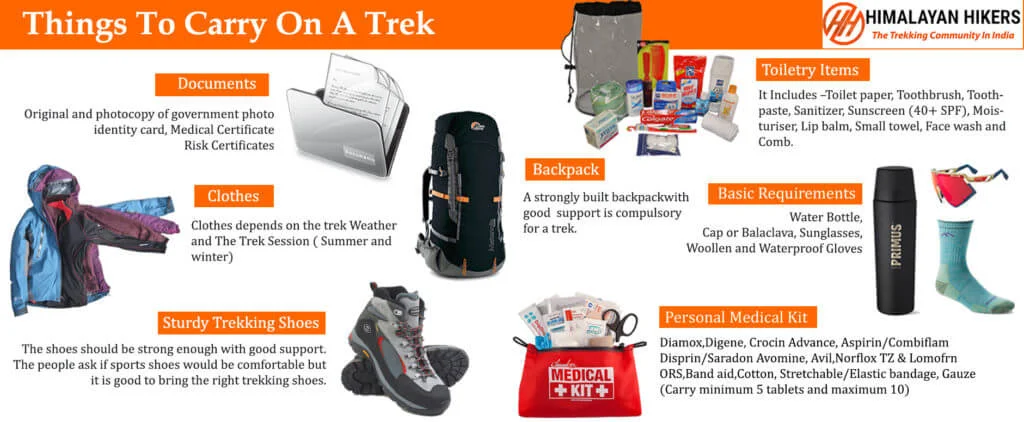
Necessary Items for trekkers
Mandatory Documents
Original and photocopy of government photo identity card- (Aadhar Card, Driving License, Voters ID, etc,)
Passport and Visa important to foreigners
Medical Certificate (First part should be filled by the Doctor and Second part by the Trekker)
Declaration Certificates
Note: – Many trekkers commit the same mistake of carrying unnecessary items on a trek which only makes the backpack heavy. It is important to know the right items to carry. It differs from season to season if you are trekking in summers then carry less layers of warm clothing and if you are trekking in winters carry enough layers to protect yourself against chilly cold.
Basic Trekking Gears
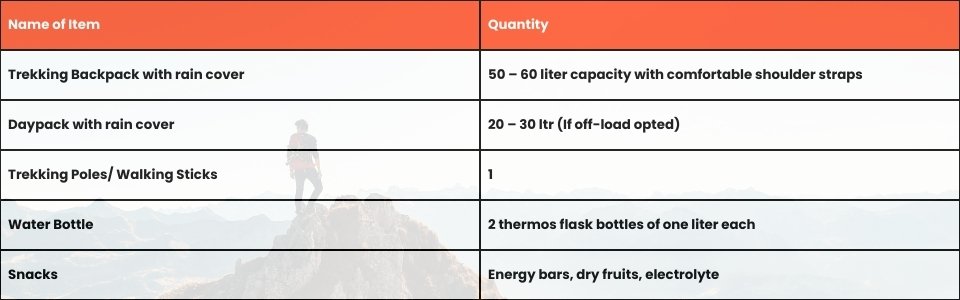
The Clothes You Should Bring On Satopanth Expedition
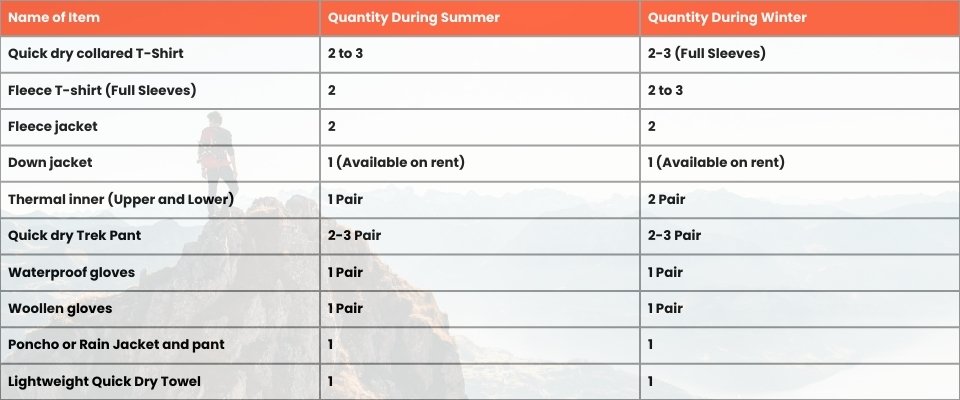
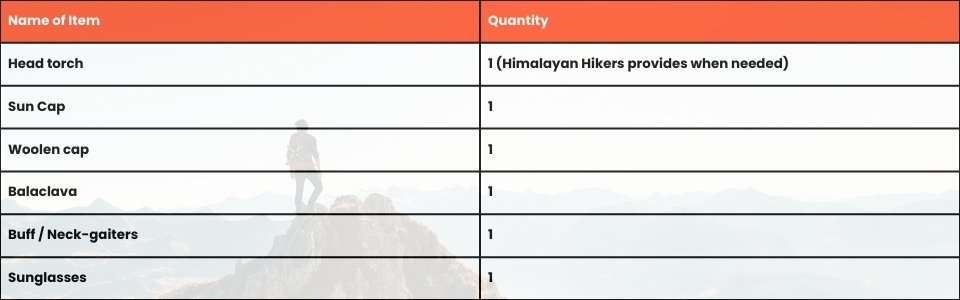
Head Gears
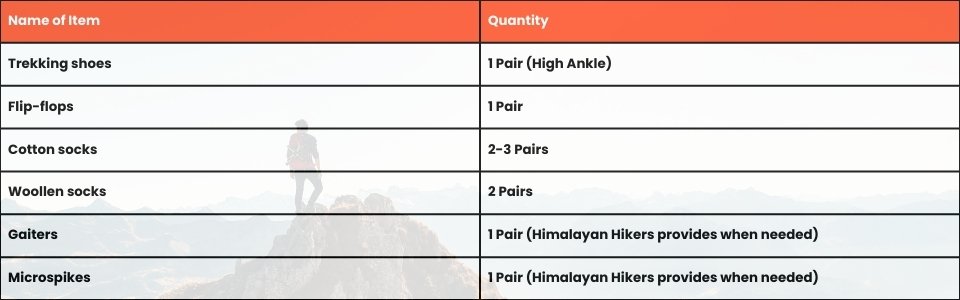
Foot Gears
Personal Care Essentials

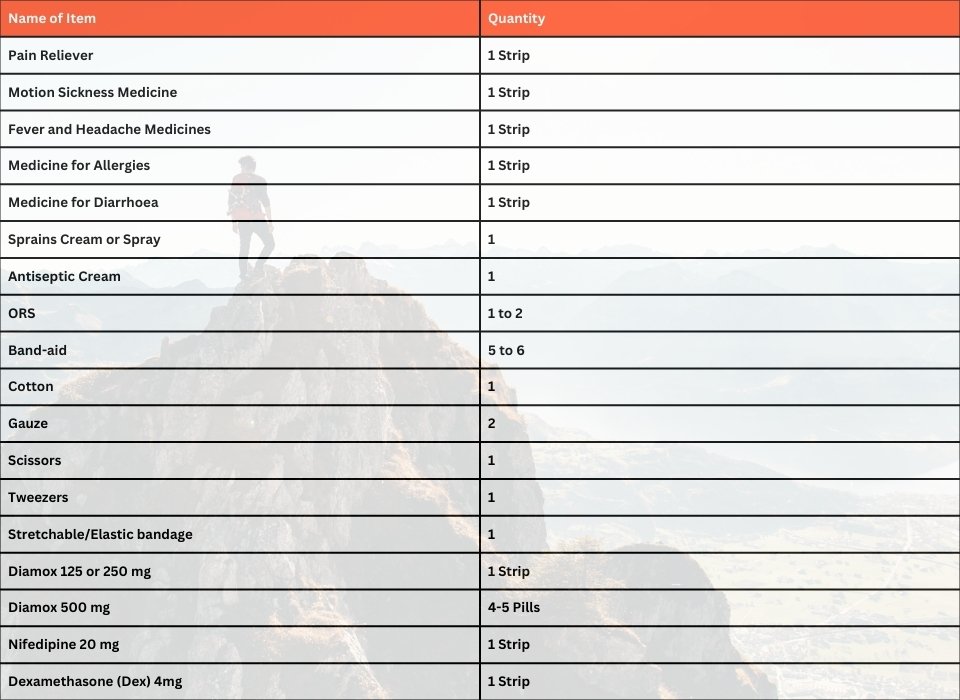
Carry a Personal Medical Kit
Are you Looking for Trekking Equipment on Rent?
If any trekker requires trekking equipment on rent, Himalayan Hikers offers the best-quality gear available for rental. Many individuals are in need of such equipment, and renting provides a cost-effective solution, allowing them to access high-quality gear at an affordable price without the need for a significant investment for short-term use.
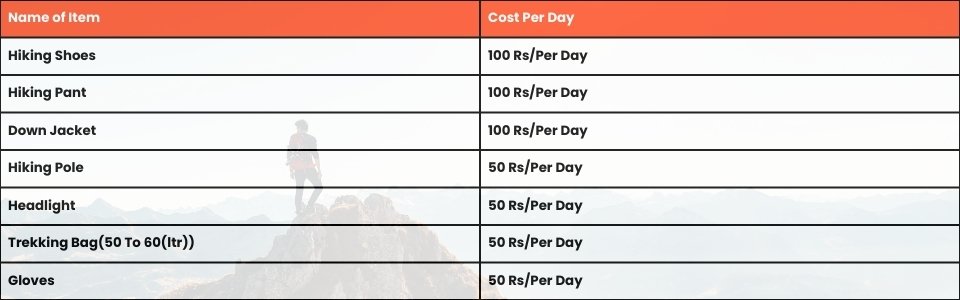
Trek Equipment You can book directly on first day at the Base Camp.
Note:-
Please take all medicines only when prescribed by the doctor. In case you face any problem during your trek,
discuss and take advice from the Professional guide.
The Trek is one of the most popular treks in Uttarakhand, Himachal,Kashmir,Laddakh,Sikkim,Nepal, requiring both physical preparation and mental readiness. Although it is categorized as a moderate trek, reaches an elevation of over 12,720 feet and traverses remote Himalayan terrain, which can be physically and mentally challenging. Here's how you can prepare yourself for a safe and successful accomplishment of the Trek:
Physical Fitness
Building a good fitness base is essential for every trekker. The Trek itinerary involves 5 to 6 hours of walking every day. Though the trails are well-marked, they are often bumpy and include steep uphill sections, which may affect your stamina. You can overcome your physical limitation with a 6-week training program that you can begin about 2 months before your Trek. Your 6-week fitness routine should include

Pro Tip: If you have time, you can skip the Sunday training and go for a long-distance walk or mini day-hike (7–10 km) with a loaded backpack to simulate real trekking conditions. A short 1-day hike around your city/town can help a lot.
Mental Preparation
Physical strength is only half the journey, the other half is mental resilience. The trail takes you through remote clearings, steep climbs, cold starry nights, and no mobile connectivity. Be prepared to:
(I) - Detach from the digital world.
(II) - Embrace basic mountain living (camping, toilet tents, limited electricity).
(III) - Push through moments of fatigue, weather discomfort, or altitude effects.
A positive mindset, patience, and the ability to adapt will carry you farther than muscle ever could.Himalayan Hikers is a reputable trekking company that places a high priority on safety. Here are some of the safety measures they take to ensure the safety of their clients during the Trek:
Experienced Guides: Himalayan Hikers hires experienced and certified guides who are well-versed in the terrain, weather conditions, and local culture. These guides have first-hand knowledge of the routes and are equipped to handle any emergency situations that may arise.
Proper Gear: The company provides all the necessary gear and equipment to their clients to ensure comfort and safety during the trek.
Hygiene and Sanitation: Himalayan Hikers places great emphasis on hygiene and sanitation during the Trek. They provide clean drinking water, hand sanitizers, and toilet tents to ensure that their clients are healthy and comfortable.
Emergency Services: The company has a well-defined protocol for handling emergency situations. They have a team of trained medical professionals who are available 24/7 and can be quickly mobilized in case of an emergency.
Acclimatization: Himalayan Hikers follows a gradual acclimatization process during treks to ensure that their clients adjust to the high altitude gradually. They also monitor the health of their clients regularly and provide necessary medical attention if required.
Overall, Himalayan Hikers places a great emphasis on safety and takes all necessary measures to ensure the safety and well-being of their clients during treks.
| Category | Details |
|---|---|
| Transport | Transport from Rishikesh To Rishikesh Traveler & Taxi |
| Permits & Entry | Forest Permit and Entrance Fees |
| Accommodation | Tented Accommodation on quad sharing |
| Meals | Breakfast, Lunch, Tea, Coffee, Snacks, Soup, Dinner (All meals included) |
| Camping Gear | High-Quality Dome Tents, Sleeping Bags, Mattress, Liner |
| Sanitation Setup | Separate Toilet Tents (Ladies & Gents), Dining Tent, Dining Table, Camping Chair |
| Support Staff | Kitchen Team, Trek Helpers |
| Communication Tools | Radio Walkie-Talkie |
| Trek Guides | Experienced Trek Leader & Technical Guide |
| Safety Equipment | Medical Kit, Oxygen Cylinders, Pulse Oximeter |
| Trekking Equipment | Crampons, Gaiters, Ice ax |
| Category | Details |
|---|---|
| Meals (Not Included) | – Day 1: En route Breakfast & Lunch to base camp– Day 3: En route Lunch & Dinner (not included) |
| Insurance & Documents | – Personal Insurance– Medical Certificate (Mandatory for age 50 and above) |
| Personal Essentials | – Personal Toiletry Items– Personal Medical Kit |
| Porter Service | – Porter fee: ₹400 per day (to be paid directly at Ransi Village)– Minimum bag weight for porter: 8 kg |
| Foreign Nationals | – ₹800 extra for trekking permit– Passport and valid Visa required |
Important Note
Himalayan Hikers offers both online and offline booking options for their treks. Here’s a breakdown of both options:
1. Online Booking:
- Website: Himalayan Hikers has an official website where trekkers can browse through different treks, check details (itineraries, costs, difficulty level, etc.), and make bookings. Payment gateways are integrated for secure online transactions.
- Third-Party Platforms: They might also be listed on various trekking or adventure booking platforms, where you can compare prices, read reviews, and make bookings.
- Email Communication: Trekkers can inquire about treks via email and complete the booking process online, following email communication and payment.
2. Offline Booking:
- Direct Office Visit: Himalayan Hikers has physical offices (especially in Uttarakhand), where trekkers can visit in person, discuss treks, and complete bookings directly.
- Phone Booking: You can also call their office to make a booking. Details about payment methods, trek dates, and other logistics can be confirmed over the phone.
Yes, Himalayan Hikers requires a 25% advance payment for booking treks, Via- Google pay or UPI, Directly Himalayan Hikers Account with the remaining amount to be paid in cash at their Ransi Village Base Camp before the trek starts. This payment structure is typical for ensuring that bookings are confirmed while allowing trekkers flexibility in completing the payment when they arrive.
Map not available for this trek.
On the Madmaheshwar Trek route, ATMs are not available after the lower towns. The nearest reliable ATM facilities are in Uttarkashi or nearby market towns before the trek begins, so it is strongly advised to carry sufficient cash before starting the journey.
Trek guides on the Madmaheshwar route carry first-aid kits and monitor trekkers’ health throughout the journey. In case of serious illness or injury, evacuation is arranged to nearby villages and then to medical facilities in Rudraprayag or higher hospitals depending on severity.
Mobile network on the Madmaheshwar Trek is very limited. Jio and BSNL may work in some lower sections, but connectivity becomes weak or disappears in forest and higher altitude zones.
Difficulty: The Madmaheshwar Trek is moderate, with gradual but continuous ascent through forests and villages.
Fitness level: Basic fitness is required. You should be able to walk
long distances comfortably, as the trek involves several hours of uphill hiking
each day.
Yes, the Madmaheshwar Trek is generally safe for solo female travellers when done with registered guides or trekking groups. Local villagers are helpful, and accommodation is usually arranged in safe homestays or camps.
It is possible, but not ideal. You should prepare by walking or jogging regularly before the trek, as the continuous uphill climb can be tiring without basic stamina and leg strength.
The best time for the Madmaheshwar Trek is April to June and September to November. The monsoon season should be avoided due to slippery trails and landslide risks.
Electricity is limited on the trek route. Some villages may have solar or basic power supply, but charging facilities are not guaranteed, so carrying a power bank is essential.
Pack warm clothes, trekking shoes, rain protection, torch, personal medicines, and a power bank. Weather can change quickly in the Himalayas, so light but smart packing is recommended.


.webp)


