


A Scenic Yet Refreshing Trail
The journey begins from the quaint Ranachatti Village, a small Himalayan settlement that introduces trekkers to traditional pahadi life. Early in the trek, you pass by the serene Someshwar Temple, dedicated to Lord Shiva, adding a spiritual charm to the start of your journey.
As the trail progresses, it winds through dense forests of oak and rhododendron, especially vibrant during spring when Buransh flowers bloom in shades of red and pink. The route is gentle yet engaging, with a mix of gradual ascents and open sections that keep the experience dynamic and enjoyable.
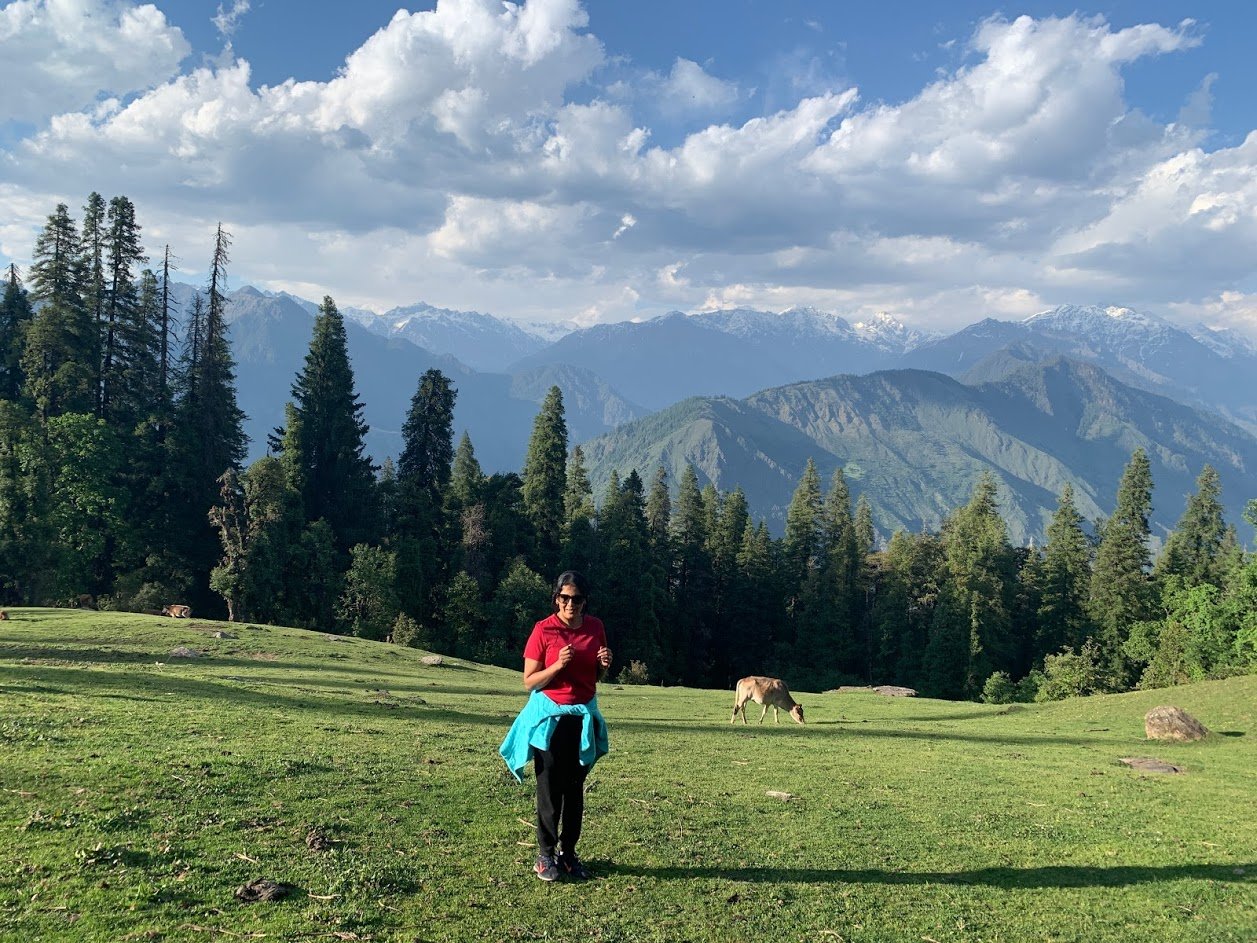
Soon, the forest opens into the beautiful Dinnala Bugyal, a vast meadow where the landscape transforms dramatically. Surrounded by grazing sheep and flowing streams, this section offers stunning views of Himalayan peaks like Bandarpunch, Swargarohini, Kedarnath Peak, and Phulara Ridge.
The Joy of Ridge Walking
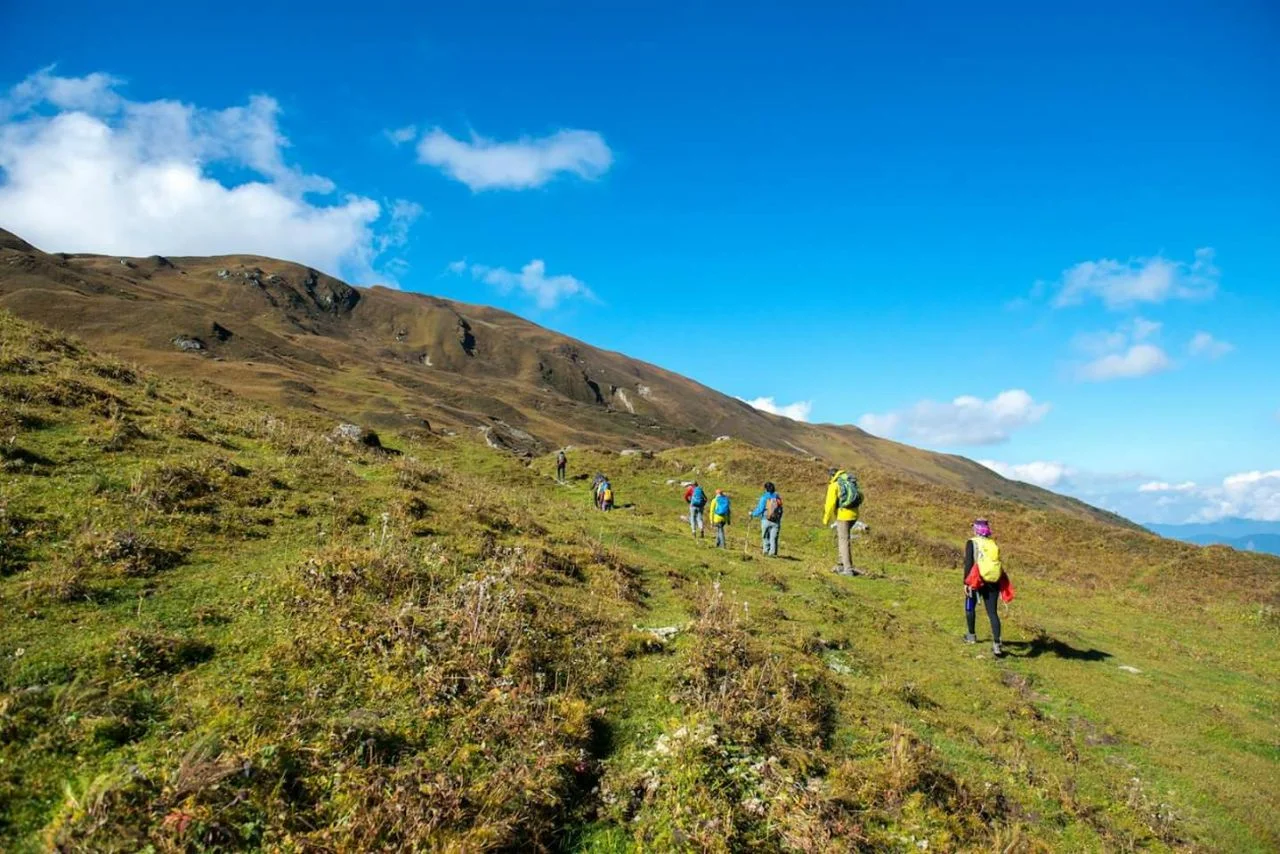
One of the most captivating aspects of the Aancha Top Trek is its long and scenic ridgeline walk. As you gain altitude, the trail narrows and stretches along the mountain ridge, offering uninterrupted views of valleys and peaks on both sides.
This section feels like walking above the clouds, with the vastness of the Himalayas unfolding at every step. It is both exhilarating and peaceful, making it a highlight for trekkers of all experience levels.
Natural Beauty and Mountain Life
The trek is rich in natural beauty, from dense forests to wide meadows and high-altitude landscapes. Along the way, you may encounter local shepherds and their traditional huts, known as channis, especially near the Bamsingh Campsite.
The region is alive with bird calls, fresh mountain air, and seasonal changes that transform the trail throughout the year, lush green in summer, colourful in spring, golden in autumn, and snow-covered in winter.
A Touch of Spiritual Calm
Being close to the sacred Yamunotri region, the trek carries a quiet spiritual energy. The presence of ancient temples, forest silence, and untouched surroundings creates a calming and meditative atmosphere.
For many trekkers, this journey becomes more than just a physical adventure it turns into a chance to disconnect from routine life and reconnect with nature.
Why Choose Aancha Top Trek?
What makes the Aancha Top Trek truly special is its offbeat and uncrowded nature. Unlike popular Himalayan trails, this route allows you to explore raw landscapes in solitude.
From forest trails and alpine meadows to panoramic ridge walks and a 360-degree summit view, every part of the trek offers something unique. It is also accessible to beginners with good fitness, making it a perfect introduction to Himalayan trekking.
Aancha Top Trek Complete Guide
Our mission has always been to ensure that no trekker steps into the Himalayas without the right perspective. A trek is not just a checklist of summits; it is a serious commitment to the outdoors. Having the right information is what separates a reckless climb from a soulful journey.
This section serves as your definitive manual for the Aancha Top Trek . We have distilled years of mountain experience and real-time feedback into this guide to give you a clear, honest picture of the trail.
We provide this depth of information because we want you to be more than just a visitor—we want you to be a prepared, responsible trekker who respects the mountains as much as we do.
Day 1- Pickup from Dehradun and Drive to Ranachatti - Gateway to the Yamuna Valley
Pickup: 6:00-6:30 am Drive: 173km (Approx: 6-7 hrs) | Altitude: 7,000 ft
Day 2- Trek from Ranachatti Village to Bamsingh Camp
Trek: 4 km (Approx: 3-4 hrs) | Altitude: 9,200 ft to 9,250 ft
Day 3 -Trek from Bamsingh to Dinnala Camp
Trek: 4 km (Approx: 4/5 hrs) | Altitude: 10,750 ft
Day 4 -Trek from Dinnala to Aancha Camp via Aancha Top Summit Day
Trek: 8 km (Approx: 7 hrs) | Altitude: 10,750 ft to 12,500 ft (summit), descending to 11,400 ft
Day 5 Trek from Aancha to Ranachatti Village
Trek: 6 km (Approx: 5 hrs) | Altitude: 11,400 ft to 7,000 ft
Day 6- Drive from Ranachatti to Dehradun
Drive: 160 km (Approx: 7-8 hrs)
Day 1
Day 2
Day 3
Day 4
Day 5
Day 6
Day 1- Pickup from Dehradun and Drive to Ranachatti - Gateway to the Yamuna Valley
Pickup: 6:00-6:30 am Drive: 173km (Approx: 6-7 hrs) | Altitude: 7,000 ft
Your journey to the Aancha Top Trek starts before sunrise from Dehradun, when the city is still wrapped in a soft, sleepy silence. Backpacks loaded and spirits high, you leave behind the last traces of the plains and begin ascending into the Garhwal Himalayas. With every turn of the road, the air grows crisper, carrying that unmistakable scent of pine and mountain earth.
The route winds upward through Mussoorie, the famed “Queen of Hills,” where clouds drift lazily across the road, and glimpses of the Doon Valley appear between the mist. But the bustle of Mussoorie is only a passing chapter. Soon, the road dips and stretches onward toward quieter terrain, leading you deeper into the heart of the mountains via Barkot.
As the journey continues, the landscape begins to feel rawer and more untouched. Thick forests of pine and deodar close in around the road, small hillside villages appear like hidden pockets of life, and the outside world starts to fade into the background. Along the way, the Yamuna River reveals itself again, sometimes a distant ribbon glistening under the sun, sometimes a roaring presence carving its way through the valley. Its steady flow feels almost like a guide, leading you toward the deeper Himalayas.
By late afternoon, you reach Ranachatti, a quiet riverside settlement that feels far removed from the rush of everyday life. Surrounded by forested slopes and distant ridgelines, this peaceful hamlet serves as the perfect base for the adventure ahead. The stillness here isn’t empty, it's calming, grounding, and quietly powerful.
After settling into a cosy guesthouse, the evening unfolds at an easy pace. As the sun dips behind the mountains, your trek leader gathers everyone for a detailed briefing, walking you through the trail, sharing safety essentials, and ensuring every piece of gear is ready for the days ahead. There’s a shared sense of anticipation in the air; strangers slowly begin to feel like teammates.
Dinner is served early, simple yet comforting, and soon the village slips into silence under a sky full of stars. With the sound of the river flowing nearby, you turn in for the night, resting up, knowing that this was just the beginning. Tomorrow, the real journey begins on foot.
Day 2- Trek from Ranachatti Village to Bamsingh Camp
Trek: 4 km (Approx: 3-4 hrs) | Altitude: 9,200 ft to 9,250 ft
The first morning on the trail begins calmly at Ranachatti. After a warm breakfast and a final gear check, you step onto a path that feels older than the trek itself, a route shaped not by tourism, but by generations of shepherds who once guided their flocks through these mountains.
The climb starts gently, easing you into the rhythm of walking. The trail slips into dense oak forests, where towering trees form a natural canopy overhead. Sunlight trickles through in soft patches, dancing across the forest floor as you move. There’s a quiet stillness here, broken only by the crunch of footsteps and the occasional rustle of leaves.
Water is never far away on this stretch. Small streams weave across the path, their clear, cold flow offering moments to pause, refill, and simply take it all in. The sound of these streams’ blends with distant birdsong, creating a kind of natural soundtrack that follows you throughout the day. Scattered along the route, you’ll notice traditional stone shelters, simple, weathered structures that speak of the region’s deep-rooted pastoral life.
As the trail gradually gains height, the forest begins to open in places. Through these natural windows, the mountains reveal themselves most notably the towering Bandarpunch Peak, rising sharply against the horizon. On clear days, you may also catch sight of the distant slopes leading toward Aancha Top, quietly reminding you of the journey ahead.
By early afternoon, you reach Bamsingh, a peaceful clearing tucked within the forest, not far from the steady flow of the Yamuna River. The campsite feels both remote and comforting, surrounded by tall oaks and the subtle sounds of the wild.
The rest of the day is intentionally unhurried. Some wander through nearby forest patches, others rest by the riverside, letting the cool mountain air do its work. It’s a short day on paper, but an important one, giving your body time to adjust, and your mind space to settle into the slower rhythm of the mountains.
Day 3 -Trek from Bamsingh to Dinnala Camp
Trek: 4 km (Approx: 4/5 hrs) | Altitude: 10,750 ft
Day three feels like stepping into a completely new world. As you leave the dense oak forests behind, the trail begins to breathe, opening out into wider spaces where the sky suddenly feels closer and the mountains more present. The shift is gradual but unmistakable; the enclosed woodland gives way to a more open, alpine landscape.
The climb continues at a steady, comfortable pace, now weaving through forests of pine and birch. The air feels lighter, cooler, and every few steps reveal a broader view than before. Beside you, the gentle flow of Daloti Gad keeps you company, its clear waters cutting through the terrain and offering a quiet sense of continuity along the route.
As you move higher, the horizon begins to stretch in all directions. Peaks that were once hidden now rise into view, one after another. The towering presence of Bandarpunch Peak dominates the skyline, while the majestic Swargarohini adds depth to the distant ranges. You might also spot the familiar silhouette of Kedarkantha Peak and the sweeping ridgeline of Phulara Ridge. Each turn of the trail feels like a reveal, making the journey as rewarding as the destination itself.
By afternoon, you arrive at Dinnala Camp, a wide, open meadow cradled by rolling hills and distant mountain ridges. After days of walking through forests, the openness here feels almost surreal. There are no barriers to your view, just endless stretches of land meeting sky.
The stillness at Dinnala is something you notice immediately. It’s not silence in the usual sense, but a deep, natural quite broken only by the wind brushing through grass and the occasional call of birds echoing across the valley.
As evening sets in, the landscape transforms once again. The peaks catch the last light of the day, glowing in soft shades of gold and pink. It’s the kind of moment that slows everything down, inviting you to sit and watch.
Dinner comes early, warm and comforting after the day’s walk. Soon after, there’s a briefing for the next day, the much-awaited push toward Aancha Top. With the night sky stretching endlessly above, you turn in, carrying both excitement and quiet anticipation for what lies ahead.
Day 4 -Trek from Dinnala to Aancha Camp via Aancha Top Summit Day
Trek: 8 km (Approx: 7 hrs) | Altitude: 10,750 ft to 12,500 ft (summit), descending to 11,400 ft
You leave Dinnala Camp before the sun fully settles into the valleys, carrying only the essentials, lighter packs, steady legs, and a quiet sense of anticipation. The air feels sharper today, as if the mountains themselves are guiding the pace.
The trail rises gently at first through wide alpine meadows, where grass bends softly under the morning wind. In spring, these slopes come alive with rhododendron blooms, scattering patches of red and pink across the green landscape. It feels less like a climb and more like walking through a living painting that slowly unfolds with each step.
As altitude builds, the terrain shifts again. Meadows begin to thin, and the path narrows into a ridge walk, one of the defining experiences of this section of the Aancha Top route. On either side, the land drops away gently, opening uninterrupted views of layered mountains stretching into the distance.
Midway through the ascent, the landscape suddenly softens again, revealing the first of three alpine lakes. This largest glacial lake sits still and glassy, reflecting the sky and surrounding peaks with striking clarity. It becomes a natural pause point, one of those rare places where even the journey seems to stop for a moment.
From here, the final push begins. The climb toward Aancha Top is steady and continuous, not technically difficult but demanding in its altitude and exposure. Each step brings thinner air and wider horizons, until suddenly the terrain levels out and you arrive.
At 12,500 feet, the summit opens like a reward earned in silence.
To one side, the vast sweep of the Gangotri region unfolds—peaks such as Gangotri III, the Jogin range, and the distant grandeur of the Kedarnath massif, with meadows like Dayara and Gidara spreading below like green basins carved into stone. To the other side, the Yamunotri range rises sharply, where Bandarpunch and the dramatic silhouettes of Swargarohini dominate the skyline.
There’s a different kind of quiet here, not emptiness, but fullness. The kind that makes sound feel unnecessary.
After spending time at the summit, taking in the scale and stillness, you begin the descent. The trail leads down toward Aancha Camp, nestled beside the flowing waters of Jajar Gad. Wide meadows return, skies open again, and the pace slows into reflection.
By the time you reach camp, the day already feels larger than words. The mountains don’t celebrate your arrival, but they let you pass through, and somehow, that feels like the real reward.
Day 5 Trek from Aancha to Ranachatti Village
Trek: 6 km (Approx: 5 hrs) | Altitude: 11,400 ft to 7,000 ft
The return begins with a different kind of energy. From Aancha Camp, the descent feels almost effortless compared to the climb, your body moving with familiarity, your mind a little more open, a little more reflective. The trail you once looked up at is now something you move through from above, and the mountains seem to shift their perspective with you.
Each step downward carries a sense of ease. What once felt like effort now feels like flow. The vast alpine stretches slowly fold back into rolling slopes, and the open silence of high altitude gives way to the softer sounds of the lower valleys. It’s the same route, yet everything feels subtly changed, lighter, calmer, more personal.
As you descend further, the landscape begins its gentle transformation. Meadows give way to dense forests again, and the crisp alpine wind is replaced by the familiar stillness of trees. The return of oak and pine feels almost like a welcome, as if the mountains are guiding you back rather than sending you away.
The presence of water becomes stronger as well. Streams that were once distant or quiet now grow louder and more frequent, threading through the forest and accompanying your footsteps. The air warms gradually, signalling the slow transition from high-altitude wilderness back toward human settlements.
With every bend, the wilderness softens. Birds return in greater numbers, forest light thickens, and the trail feels more grounded—less about altitude now, more about memory. It becomes a journey inward as much as outward.
By the time you arrive at Ranachatti, the mountains feel both closer and farther away at the same time. The trek officially ends here, but the experience lingers in a quieter form.
There’s no grand celebration, just a deep, steady sense of completion. A feeling that you’ve not only crossed terrain but also moved through something within yourself.
Day 6- Drive from Ranachatti to Dehradun
Drive: 160 km (Approx: 7-8 hrs)
After breakfast, the return drive begins from Ranachatti, marking the final leg of the journey. The vehicle rolls out quietly, tracing the same mountain roads that once felt full of anticipation, now carrying a calmer, more reflective silence.
The route winds back through the Yamuna River valley, where the landscape feels both familiar and transformed. Villages pass by like soft memories, small clusters of life nestled between forests and slopes that now feel more intimate after days spent within them.
As the descent continues, the rhythm of the journey changes once again. The cool mountain air slowly warms, dense forests begin to thin, and the towering ridgelines gradually step back into the horizon. What once felt vast and overwhelming now appears gentle, almost comforting, as if the mountains are quietly releasing you.
Familiar stretches of road through Mussoorie appear again in passing, a brief reminder of how far you’ve come in such a short span of time. From there, the final stretch leads down toward Dehradun, where the plains begin to reemerge, and the pace of life slowly returns.
By the time you arrive, the trek feels less like something that ended and more like something that settled within you. The Aancha Top trek doesn’t conclude at the road, it lingers quietly in perspective, in breath, in memory.
Difficulty level of the Aancha Top Trek
- Terrain: The Aancha Top Trek is a moderate-to-challenging Himalayan trek that moves through a wide variety of landscapes, dense oak and pine forests, alpine meadows, ridge walks, small glacial lakes, and open high-altitude grasslands. Early sections are forest-heavy and well-shaded, while higher sections become exposed, windy, and alpine in nature, especially near Dinnala Meadows and the summit approach to Aancha Top.
- Slope: The trek involves gradual to moderately steep ascents throughout most days. The initial forest trails are well-defined and manageable, but the climb becomes more sustained after Bamsingh and especially beyond Dinnala Camp. The final summit day includes long ridge walks and a steady uphill push to Aancha Top, where altitude and exposure make the effort more demanding. Descents are generally easier but can feel tiring on the knees due to continuous downhill sections.
- Altitude: This is a high-altitude trek reaching approximately 12,500 ft at Aancha Top. While not extremely technical in altitude gain, there is still a moderate risk of Acute Mountain Sickness (AMS), especially for beginners. Proper acclimatisation across camps like Bamsingh and Dinnala is important for a comfortable experience.
- Accessibility: The trek typically begins after a road journey from Dehradun to the Yamuna Valley region, after which the trail is completely on foot. Key base points like Ranachatti serve as entry gateways into the trek. Beyond these points, the region is remote with limited infrastructure, and guided support is strongly recommended for navigation and safety.
Important Notes:
- Alternative Path: The Aancha Top Trek is a fully trekking-based Himalayan route with no road support after the starting point. The journey progresses through camps such as Ranachatti, Bamsingh, Dinnala, alpine lakes, and the summit ridge, with gradual altitude gain designed for safe acclimatisation.
- Connection: This trek offers a balanced Himalayan experience—combining forest walking, alpine meadows, ridge traverses, and panoramic summit views. It provides close visual access to peaks like Bandarpunch Peak and the surrounding Yamunotri range landscapes, making it ideal for trekkers seeking a scenic but less commercial route.
- Preparation: The trek requires good physical fitness, especially stamina for long walking days and altitude gain. Essential gear includes layered clothing, rain protection, trekking poles, and sturdy shoes with good grip. While not highly technical, awareness of altitude effects, hydration discipline, and guided trekking support are important for a safe and enjoyable experience.
Best Time to Visit Aancha Top Trek
The ideal time to undertake the Aancha Top Trek is April to June and September to November, when weather conditions are stable, trails are open, and the Himalayan views are at their clearest. Since this is a high-altitude alpine trek in the Yamuna Valley region, seasonal changes have a strong impact on trial conditions and visibility.
April to June (Summer / Early Season)
- Pleasant Weather: Temperatures are moderate, making long trekking days comfortable, especially in forest and meadow sections.
- Open Trails: Snow from higher reaches begins to melt, gradually making ridge routes and summit approaches to Aancha Top accessible.
- Blooming Landscapes: Forests of oak, pine, and rhododendron come alive, while alpine meadows turn lush green, creating a vibrant contrast across the trail.
- Ideal Trek Window: One of the best seasons for trekkers who want stable conditions, safer paths, and clear mountain views without extreme cold.
July–August (Monsoon Season)
- Heavy Rainfall: The entire Yamuna Valley experiences frequent and sometimes intense rainfall, making trails wet and slippery.
- Landslide Risk: Mountain roads leading toward Ranachatti and the surrounding regions can face blockages due to landslides.
- Low Visibility: Clouds and mist often cover the peaks, limiting views of Bandarpunch and the surrounding ranges.
- Not Recommended: Due to safety concerns, unstable trails, and poor visibility, this season is generally avoided for trekking.
September to November (Post-Monsoon Season)
- Crystal Clear Views: Skies open after the rains, offering some of the best panoramic Himalayan views of the year.
- Stable Conditions: Trails dry out and become firm, making walking safer and more enjoyable.
- Fresh Atmosphere: The air feels crisp and clean, with excellent visibility across ridgelines and valleys.
- Best Photography Season: Ideal for capturing golden meadows, clear peaks, and dramatic mountain light across the trek route.
December to March (Winter Season)
- Heavy Snowfall: Higher sections around Aancha Top receive significant snow, covering trails and ridges.
- Extreme Cold: Temperatures drop sharply, especially at night, making camping conditions challenging.
- Limited Accessibility: Many sections become difficult to navigate without snow gear and advanced experience.
- For Experienced Trekkers Only: Winter trekking is possible but suitable only for well-equipped, experienced groups with technical preparedness.
How to Plan Your Travel for the Aancha Top Trek
We strongly recommend arriving in Dehradun at least a day before your official trek begins.
For example, if your trek starts on 10th June, plan to reach on 9th June.
Your adventure officially begins from Dehradun, the main gateway to the Garhwal Himalayas. From here, the route gradually moves toward the Yamuna Valley, eventually leading into remote trekking zones via places like Ranachatti and onward into alpine camps such as Bamsingh and Dinnala before reaching Aancha Top.
By Train
If you prefer travelling by train, the nearest major railhead is:
- Dehradun Railway Station
- Well-connected from Delhi, UP, and other major Indian cities
By Air
Nearest airport option:
- Jolly Grant Airport (closest airport)
From the airport:
- Hire a taxi or take a shared cab to Dehradun city
- From Dehradun, continue the road journey toward the trek starting point
By Road (Most Popular Option)
Road travel is the most scenic and commonly used way to begin this trek:
First, reach Dehradun, which is well connected to Delhi and nearby cities.
- Overnight buses and taxis run from Delhi (ISBT Kashmiri Gate) to Dehradun
- Travel time: approx. 6–8 hours
- Private taxis and Volvo buses are easily available
Necessary Items for trekkers
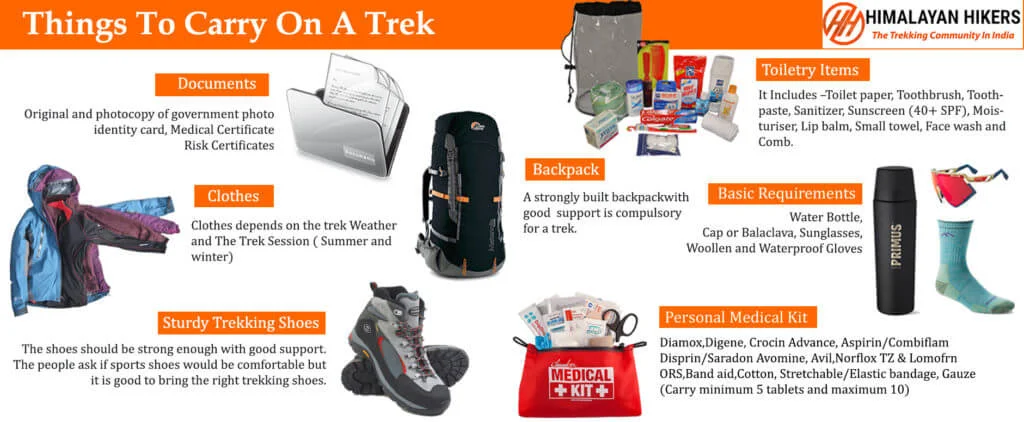
Mandatory Documents
Original and photocopy of government photo identity card- (Aadhar Card, Driving License, Voters ID, etc,)
Passport and Visa important to foreigners
Medical Certificate (First part should be filled by the Doctor and Second part by the Trekker)
Declaration Certificates
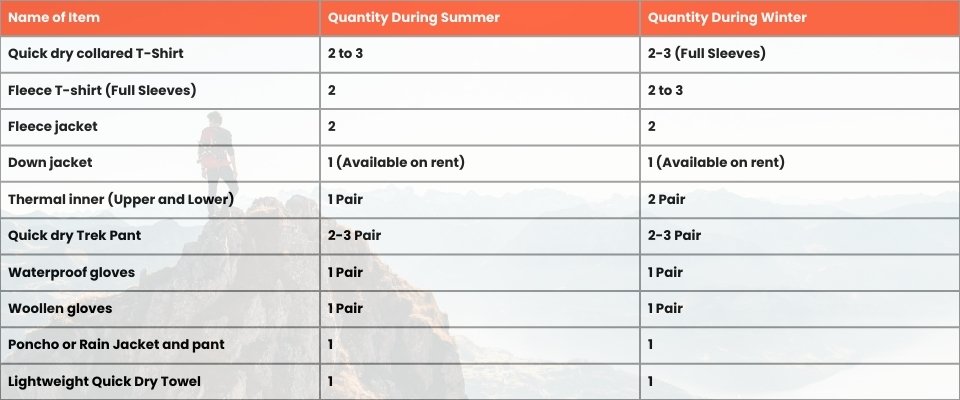
Note: – Many trekkers commit the same mistake of carrying unnecessary items on a trek which only makes the backpack heavy. It is important to know the right items to carry. It differs from season to season if you are trekking in summers then carry less layers of warm clothing and if you are trekking in winters carry enough layers to protect yourself against chilly cold.
Basic Trekking Gears
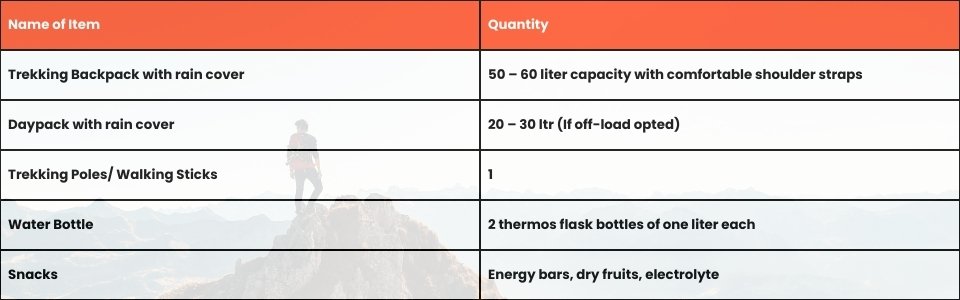
The Clothes You Should Bring On Satopanth Expedition
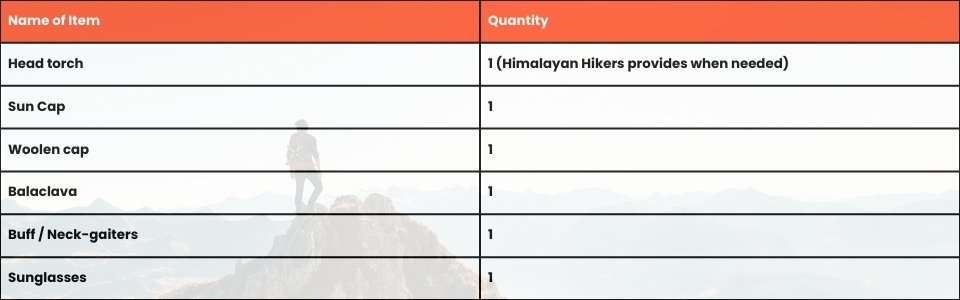
Head Gears
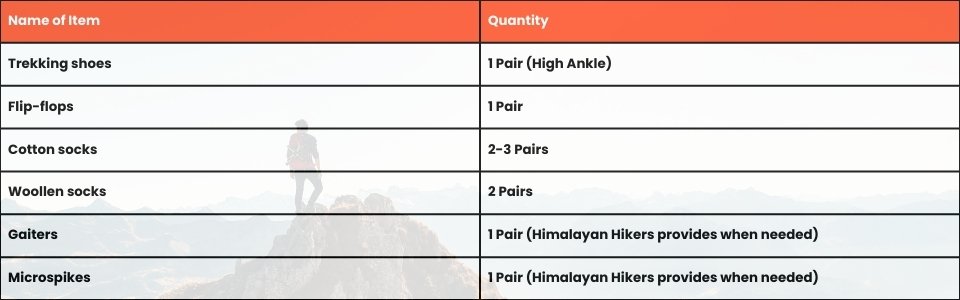
Foot Gears
Personal Care Essentials

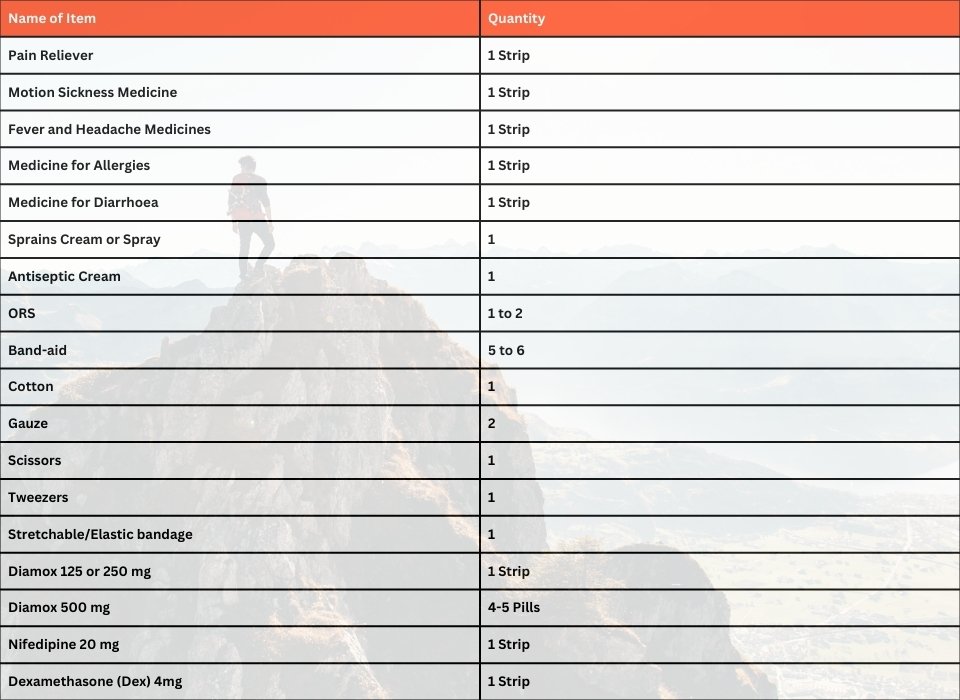
Carry a Personal Medical Kit
Are you Looking for Trekking Equipment on Rent?
If any trekker requires trekking equipment on rent, Himalayan Hikers offers the best-quality gear available for rental. Many individuals are in need of such equipment, and renting provides a cost-effective solution, allowing them to access high-quality gear at an affordable price without the need for a significant investment for short-term use.
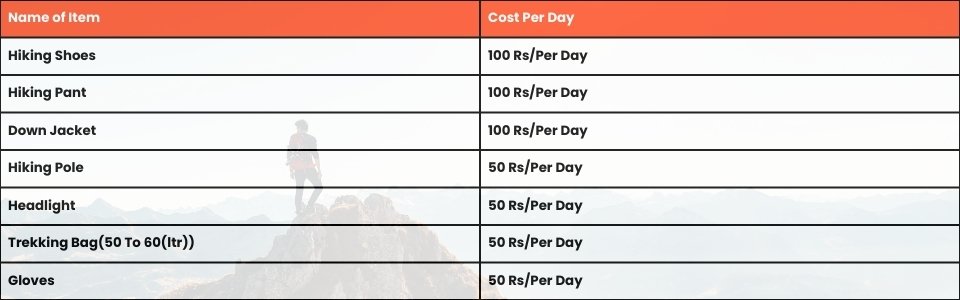
Trek Equipment You can book directly on first day at the Base Camp.
Note:-
Please take all medicines only when prescribed by the doctor. In case you face any problem during your trek,
discuss and take advice from the Professional guide.
The Trek is one of the most popular treks in Uttarakhand, Himachal,Kashmir,Laddakh,Sikkim,Nepal, requiring both physical preparation and mental readiness. Although it is categorized as a moderate trek, reaches an elevation of over 12,720 feet and traverses remote Himalayan terrain, which can be physically and mentally challenging. Here's how you can prepare yourself for a safe and successful accomplishment of the Trek:
Physical Fitness
Building a good fitness base is essential for every trekker. The Trek itinerary involves 5 to 6 hours of walking every day. Though the trails are well-marked, they are often bumpy and include steep uphill sections, which may affect your stamina. You can overcome your physical limitation with a 6-week training program that you can begin about 2 months before your Trek. Your 6-week fitness routine should include

Pro Tip: If you have time, you can skip the Sunday training and go for a long-distance walk or mini day-hike (7–10 km) with a loaded backpack to simulate real trekking conditions. A short 1-day hike around your city/town can help a lot.
Mental Preparation
Physical strength is only half the journey, the other half is mental resilience. The trail takes you through remote clearings, steep climbs, cold starry nights, and no mobile connectivity. Be prepared to:
(I) - Detach from the digital world.
(II) - Embrace basic mountain living (camping, toilet tents, limited electricity).
(III) - Push through moments of fatigue, weather discomfort, or altitude effects.
A positive mindset, patience, and the ability to adapt will carry you farther than muscle ever could.Himalayan Hikers is a reputable trekking company that places a high priority on safety. Here are some of the safety measures they take to ensure the safety of their clients during the Trek:
Experienced Guides: Himalayan Hikers hires experienced and certified guides who are well-versed in the terrain, weather conditions, and local culture. These guides have first-hand knowledge of the routes and are equipped to handle any emergency situations that may arise.
Proper Gear: The company provides all the necessary gear and equipment to their clients to ensure comfort and safety during the trek.
Hygiene and Sanitation: Himalayan Hikers places great emphasis on hygiene and sanitation during the Trek. They provide clean drinking water, hand sanitizers, and toilet tents to ensure that their clients are healthy and comfortable.
Emergency Services: The company has a well-defined protocol for handling emergency situations. They have a team of trained medical professionals who are available 24/7 and can be quickly mobilized in case of an emergency.
Acclimatization: Himalayan Hikers follows a gradual acclimatization process during treks to ensure that their clients adjust to the high altitude gradually. They also monitor the health of their clients regularly and provide necessary medical attention if required.
Overall, Himalayan Hikers places a great emphasis on safety and takes all necessary measures to ensure the safety and well-being of their clients during treks.
| Category | Details |
|---|---|
| Transport | Dehradun to Dehradun round-trip via Tempo Traveller (Pickup & Drop) |
| Permits & Entry | Forest Permit and Entrance Fees |
| Accommodation | Homestay Tented Accommodation on Twin/Triple Sharing |
| Meals | Breakfast, Lunch, Tea, Coffee, Snacks, Soup, Dinner (All meals included) |
| Camping Gear | High-Quality Dome Tents, Sleeping Bags, Mattress, Liner |
| Sanitation Setup | Separate Toilet Tents (Ladies & Gents), Dining Tent, Dining Table, Camping Chair |
| Support Staff | Kitchen Team, Trek Helpers |
| Communication Tools | Radio Walkie-Talkie |
| Trek Guides | Experienced Trek Leader & Technical Guide |
| Safety Equipment | Medical Kit, Oxygen Cylinders, Pulse Oximeter (Pulse Ox) |
| Trekking Equipment | Crampons, Gaiters |
| Category | Details |
|---|---|
| Meals (Not Included) | – Day 1: En route Breakfast & Lunch to base camp– Day 5: En route Lunch & Dinner (not included) |
| Insurance & Documents | – Personal Insurance– Medical Certificate (Mandatory for age 50 and above) |
| Personal Essentials | – Personal Toiletry Items– Personal Medical Kit |
| Porter Service | – Porter fee: ₹400 per day (to be paid directly at Sankri base camp)– Minimum bag weight for porter: 8 kg |
| Foreign Nationals | – ₹1600 extra for trekking permit– Passport and valid Visa required |
Important Note
Himalayan Hikers offers both online and offline booking options for their treks. Here’s a breakdown of both options:
1. Online Booking:
- Website: Himalayan Hikers has an official website where trekkers can browse through different treks, check details (itineraries, costs, difficulty level, etc.), and make bookings. Payment gateways are integrated for secure online transactions.
- Third-Party Platforms: They might also be listed on various trekking or adventure booking platforms, where you can compare prices, read reviews, and make bookings.
- Email Communication: Trekkers can inquire about treks via email and complete the booking process online, following email communication and payment.
2. Offline Booking:
- Direct Office Visit: Himalayan Hikers has physical offices (especially in Uttarakhand), where trekkers can visit in person, discuss treks, and complete bookings directly.
- Phone Booking: You can also call their office to make a booking. Details about payment methods, trek dates, and other logistics can be confirmed over the phone.
Yes, Himalayan Hikers requires a 30% advance payment for booking treks, Via- Google pay or UPI, Directly Himalayan Hikers Account with the remaining amount to be paid in cash at their branch office in Basecamp before the trek starts. This payment structure is typical for ensuring that bookings are confirmed while allowing trekkers flexibility in completing the payment when they arrive.
Map not available for this trek.
In the Aancha Top region of Uttarakhand, surrounded by dense forests and Himalayan views.
Easy to moderate, with gradual ascents but some steep sections.
April–June and September–November for clear views and pleasant weather.
Yes, beginners can do it with decent fitness and proper guidance.
Typically, 6 days, including trekking, camping and travelling.
Limited connectivity may be available at base villages, but not on the top.
Not very common, but slight discomfort can occur due to moderate altitude.
Warm layers, trekking shoes, rain protection, water bottles, and essential medicines.
Yes, if they are fit and comfortable with walking on uneven terrain.
It's peaceful offbeat trails, dense oak and rhododendron forests, and stunning panoramic Himalayan views away from crowded trekking routes.


.webp)


