


Thajiwas Glacier Trek – Most Scenic and Beginner-Friendly Trek
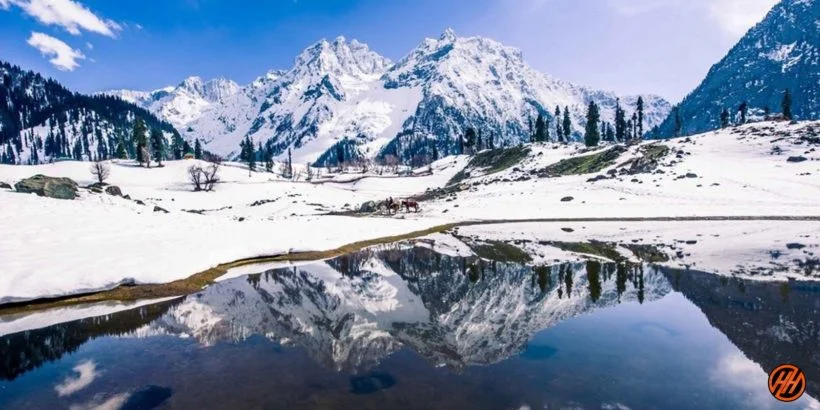
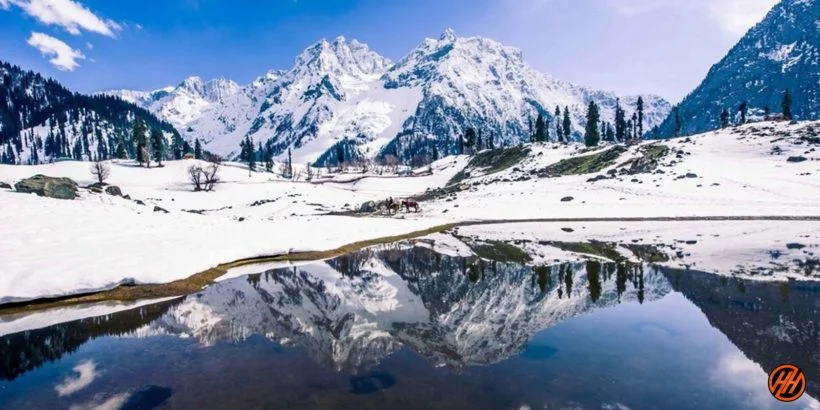
The Thajiwas Glacier Trek is one of the most scenic and beginner-friendly treks in the Kashmir Himalayas, located near the picturesque town of Sonamarg, also known as the “Meadow of Gold.” Just 3 kilometers from Sonamarg, this trek offers an incredible opportunity to witness a glacier up close without the need for long-distance trekking or technical mountaineering skills.
Nestled at an altitude of around 3000 meters, the Thajiwas Glacier is surrounded by snow-clad peaks, lush alpine meadows, dense pine forests, and flowing mountain streams. This unique combination of landscapes makes it one of the most beautiful and easily accessible glacier experiences in the entire region of Jammu & Kashmir.
Why Thajiwas Glacier Trek is Special
Unlike most Himalayan treks that demand high endurance and multiple days of trekking, the Thajiwas Glacier Trek is a short and refreshing escape suitable for all age groups. It is especially popular among beginners, families, photographers, and nature lovers who want to explore the Himalayas without facing extreme challenges.
- Short Distance: Only 3 km trek, making it easy and accessible.
- Glacier Experience: One of the few places where you can reach a glacier with minimal effort.
- Scenic Beauty: Stunning views of mountains, valleys, and snowfields.
- Family-Friendly: Perfect for kids, beginners, and elderly travelers.
Trail Experience
The journey begins from Sonamarg, where trekkers walk through green meadows, grazing lands, and pine-covered slopes. The trail gradually ascends, offering breathtaking views of the Sindh Valley and surrounding peaks.
As you move closer to the glacier, the terrain changes from grassy paths to rocky patches and snow-covered trails. The final stretch rewards trekkers with mesmerizing views of the Thajiwas Glacier, where snow remains even during the summer months.
Trekkers can enjoy activities such as snow sliding, photography, and exploring nearby streams, making the journey both adventurous and relaxing.
Perfect Trek for Beginners
The Thajiwas Glacier Trek is widely regarded as an ideal beginner trek. It does not require any prior trekking experience or technical skills. Even those with basic fitness can complete the trek comfortably within a few hours.
For those who prefer not to walk, pony rides are also available, making the glacier accessible to almost everyone.
Natural Beauty and Landscape
This trek showcases the true beauty of Kashmir with its diverse landscapes:
- Alpine Meadows: Lush green fields filled with wildflowers during summer.
- Pine Forests: Dense forests adding freshness and shade along the trail.
- Snowfields: Year-round snow near the glacier.
- Mountain Streams: Crystal-clear water flowing alongside the trail.
The area is also rich in flora and fauna, making it a great destination for nature enthusiasts and wildlife lovers.
Best Time and Weather Conditions
The best time to visit the Thajiwas Glacier Trek is from April to October. During this period, the weather remains pleasant, and the trail is safe for trekking.
- Day Temperature: 20°C to 30°C
- Night Temperature: 0°C to 10°C
Even in summer, the glacier retains snow, offering a unique experience of walking on snow while enjoying comfortable weather conditions.
Accessibility and Convenience
One of the biggest advantages of this trek is its easy accessibility. Starting from Srinagar, travelers can reach Sonamarg by road in just a few hours. From there, the glacier is only a short trek away.
This makes the Thajiwas Glacier Trek an excellent choice for travelers with limited time who still want to experience the magic of the Himalayas.
Photography and Experience
The trek is a paradise for photographers and content creators. From snow-covered peaks and flowing rivers to colorful meadows and dramatic skies, every frame captures the essence of Kashmir’s natural beauty.
Whether you are looking for adventure, relaxation, or a quick mountain getaway, the Thajiwas Glacier Trek offers a complete Himalayan experience in a short duration.
Thajiwas Glacier Trek Complete Guide
Our mission has always been to ensure that no trekker steps into the Himalayas without the right perspective. A trek is not just a checklist of summits; it is a serious commitment to the outdoors. Having the right information is what separates a reckless climb from a soulful journey.
This section serves as your definitive manual for the Thajiwas Glacier Trek. We have distilled years of mountain experience and real-time feedback into this guide to give you a clear, honest picture of the trail.
We provide this depth of information because we want you to be more than just a visitor—we want you to be a prepared, responsible trekker who respects the mountains as much as we do.
Day 1 – Srinagar (1585 m) to Sonamarg (2800 m) via Ganderbal
Distance: ~80–88 km | Duration: 2–3 hours by road | Altitude Gain: 1,215 m
Day 2 – Sonamarg to Thajiwas Glacier (3000 m) – 3 km Trek
Trek Distance: 3 km one-way | Duration: 2–4 hours | Altitude: 2,800–3,000 m
Day 3 – Thajiwas Glacier to Sonamarg and Drive Back to Srinagar
Trek Distance: 3 km return | Road Distance: 80–88 km | Duration: 2–3 hours drive
Day 1
Day 2
Day 3
Day 1 – Srinagar (1585 m) to Sonamarg (2800 m) via Ganderbal
Distance: ~80–88 km | Duration: 2–3 hours by road | Altitude Gain: 1,215 m
Activities & Highlights:
- Depart from Srinagar early morning to Sonamarg, passing through scenic Ganderbal.
- Drive along the Sindh River with views of terraced fields and snow-capped mountains.
- Stop en route for photography, tea, or local snacks.
- Arrive at Sonamarg, check-in at camp or hotel, and rest to acclimatize at this higher altitude.
- Evening short walks in the meadows near Sonamarg to explore surroundings.
- Meals: Breakfast at Srinagar, packed lunch en route, dinner at the campsite.
Tip: Stay hydrated, avoid heavy activity, and take short walks to acclimatize.
Day 2 – Sonamarg to Thajiwas Glacier (3000 m) – 3 km Trek
Trek Distance: 3 km one-way | Duration: 2–4 hours | Altitude: 2,800–3,000 m
Trail Highlights:
- Start after breakfast at the camp.
- Trek through lush alpine meadows, streams, and gentle inclines.
- Experience breathtaking views of snow-covered peaks and the glacier ahead.
- Explore Thajiwas Glacier, walk on snow, and enjoy snow activities like snowball fights or sledging in winter.
- Capture panoramic photographs of the glacier, surrounding peaks, and Sindh River valley.
- Return to Sonamarg base for overnight stay or optional camping under the stars.
- Meals: Breakfast at camp, packed lunch during the trek, dinner back at Sonamarg.
Tip: Wear sturdy boots, carry sunglasses, sunscreen, and water. Pace yourself to enjoy the scenery and avoid altitude discomfort.
Day 3 – Thajiwas Glacier to Sonamarg and Drive Back to Srinagar
Trek Distance: 3 km return | Road Distance: 80–88 km | Duration: 2–3 hours drive
Activities & Highlights:
- Early morning short trek or stroll near Thajiwas Glacier if staying overnight in the area.
- Return trek back to Sonamarg, retracing the scenic trail through meadows and streams.
- Depart for Srinagar by road.
- Stop en route for photography and refreshments.
- Arrive in Srinagar by afternoon/evening, marking the end of the trek.
- Meals: Breakfast at camp, lunch en route or in Srinagar, dinner optional.
Tip: Keep cameras ready for last scenic shots on the drive back.
Difficulty Level – Thajiwas Glacier Trek
The Thajiwas Glacier Trek is classified as an Easy to Moderate trek, making it one of the most accessible glacier treks in the Indian Himalayas. It is ideal for beginners, families, and travelers who want to experience snow and alpine landscapes without undertaking a challenging high-altitude expedition.
1. Trail Difficulty
- The trail is relatively short, around 3 km one-way from Sonamarg to the glacier.
- It involves gradual ascents through meadows, streams, and light rocky patches.
- No technical climbing or mountaineering skills are required.
2. Physical Effort
- Suitable for beginners with basic fitness.
- Requires walking for 2–4 hours depending on pace and stops.
- Can be completed comfortably with light endurance and stamina.
3. Altitude Factor
- The trek reaches an altitude of around 3000 meters (9,800 feet).
- Most trekkers do not face major altitude issues, but mild breathlessness can occur.
- Basic acclimatization at Sonamarg is recommended.
4. Terrain Conditions
- Includes alpine meadows, dirt trails, and snow patches near the glacier.
- During summer, trails are mostly dry and easy to walk.
- In winter or early spring, snow-covered paths can make trekking slightly more challenging.
5. Weather Impact
- Weather can change quickly in the mountains, affecting trail conditions.
- Rain or snowfall may make paths slippery and cold.
- Proper clothing and footwear are essential to stay comfortable.
6. Who Can Attempt This Trek?
- Beginners: Ideal as a first Himalayan trek.
- Families & Kids: Safe and manageable with supervision.
- Intermediate Trekkers: Easy and relaxing experience.
- Non-trekkers: Pony rides are available for those who prefer not to walk.
Best Time to Visit Thajiwas Glacier Trek
The best time to undertake the Thajiwas Glacier Trek is from April to October, when the weather remains stable and the trail is easily accessible for trekkers of all experience levels.
1. Spring to Early Summer (April to June)
- Snow begins to melt, revealing lush green meadows and flowing streams.
- Perfect mix of snow patches and greenery, making the landscape highly scenic.
- Ideal for beginners and photographers.
2. Summer Season (July to September)
- Most popular trekking season with pleasant daytime temperatures.
- Clear skies offer stunning views of surrounding peaks and glacier.
- Meadows are fully bloomed with alpine flowers.
3. Early Autumn (September to October)
- Cool and crisp weather with fewer crowds.
- Excellent visibility and peaceful trekking experience.
Weather Conditions
- Day Temperature: 20°C to 30°C (pleasant for trekking)
- Night Temperature: 0°C to 10°C (cold, requires warm clothing)
- Nights can be chilly, especially at higher altitudes near the glacier.
Important Note
Avoid heavy rainfall days during monsoon, as trails may become slippery and less safe. Proper planning and weather checks ensure a comfortable and enjoyable trekking experience.
Must Read – Thajiwas Glacier Trek
- Duration: 3 Days (Srinagar to Srinagar)
- Best Time: April to October
- Difficulty Level: Easy
- Highest Point: 3000 meters
- Weather: Nights are cold and daytime temperatures remain pleasant during the trekking season.
- Temperature: Day (20°C to 30°C) | Night (0°C to 10°C)
- Starting Point: Srinagar
How to Reach Thajiwas Glacier Trek
The Thajiwas Glacier Trek starts from Sonamarg, a beautiful hill station in Jammu & Kashmir. To reach Sonamarg, travelers must first reach Srinagar, which serves as the main gateway to the region.
1. By Air
The nearest airport is Srinagar International Airport, which is well connected to major Indian cities like Delhi, Mumbai, and Bangalore.
- From the airport, hire a taxi to reach Sonamarg (approx. 80–88 km).
- The drive takes around 2–3 hours and offers scenic views of mountains and rivers.
2. By Train
The nearest major railway station is Jammu Tawi Railway Station.
- From Jammu, travel to Srinagar by taxi or bus (approx. 8–10 hours).
- From Srinagar, continue the journey to Sonamarg by road.
3. By Road
- Srinagar is well connected to Jammu via National Highway NH44.
- From Srinagar, Sonamarg is about 80 km away.
- Regular taxis, shared cabs, and private vehicles are available.
- The route follows the scenic Sindh River, offering breathtaking views.
4. From Sonamarg to Thajiwas Glacier
- The trek begins from Sonamarg.
- The glacier is approximately 3 km from Sonamarg.
- It can be reached by trekking (2–4 hours) or by hiring ponies.
5. Travel Tips
- Reach Srinagar at least one day before the trek for rest and preparation.
- Check weather and road conditions before traveling, especially during monsoon.
- Book transport in advance during peak season to avoid last-minute issues.
What to Pack (Things to Carry) – Thajiwas Glacier Trek
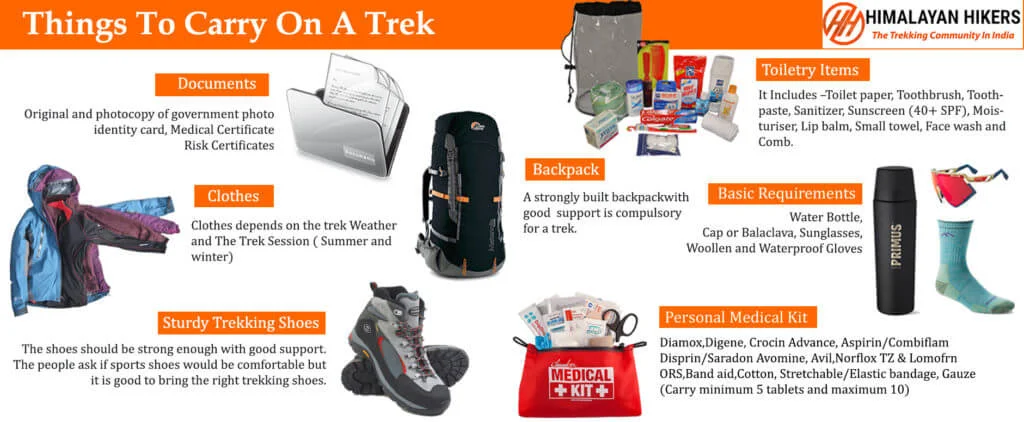
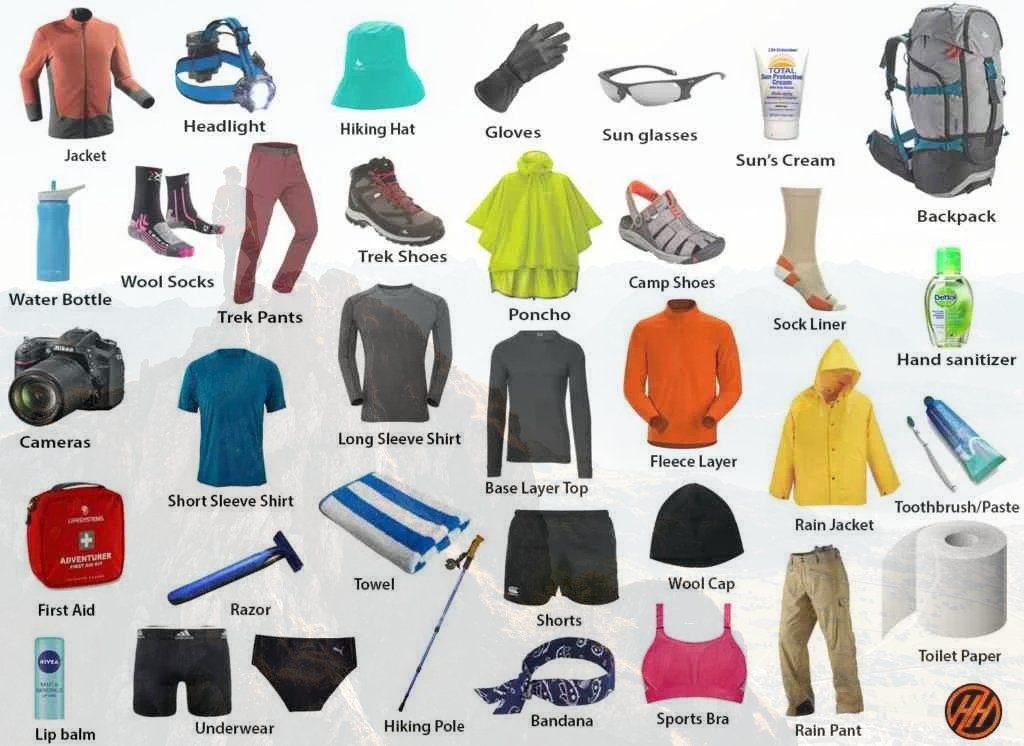
Packing the right gear is essential for a safe and comfortable experience on the Thajiwas Glacier Trek. Since the trek involves varying weather conditions, it is important to carry items that keep you warm, dry, and energized.
1. Clothing
- Layered Clothing: Thermal innerwear, fleece jacket, and a waterproof outer layer.
- Trekking Pants: Quick-dry and comfortable pants for easy movement.
- Warm Accessories: Gloves, woolen cap, scarf or buff for cold weather.
- Socks: Carry 2–3 pairs of moisture-wicking socks.
- Rain Protection: Poncho or rain jacket in case of sudden showers.
2. Footwear
- Trekking Shoes: Comfortable, waterproof shoes with good grip.
- Extra Footwear: Slippers or sandals for campsite use.
3. Trekking Gear
- Backpack: 20–30 liters for day trek essentials.
- Trekking Pole: Helps maintain balance on uneven or snowy terrain.
- Sunglasses: UV-protected to shield eyes from snow glare.
- Water Bottle: At least 1–2 liters capacity.
4. Personal Essentials
- Toiletries: Toothbrush, toothpaste, tissue paper, hand sanitizer.
- Sunscreen & Lip Balm: SPF 30+ to protect from sunburn.
- Personal Medicines: Basic first-aid kit and prescribed medicines.
- Snacks: Energy bars, dry fruits, chocolates for quick energy.
5. Electronics & Accessories
- Mobile/Camera: To capture scenic views.
- Power Bank: No charging facilities on the trek.
- Headlamp/Flashlight: Useful during early morning or evening.
6. Optional Items
- Binoculars for mountain views.
- Lightweight umbrella.
- Notebook or journal for documenting your journey.
Tips
- Pack light but ensure all essentials are included.
- Use waterproof covers or dry bags to protect your belongings.
- Carry reusable items to reduce environmental impact.
How to Prepare for the Thajiwas Glacier Trek
Proper preparation is key to enjoying a safe and memorable experience on the Thajiwas Glacier Trek. Although the trek is classified as easy, it still requires basic fitness, proper planning, and the right mindset.
1. Physical Preparation
- Build Stamina: Engage in activities like walking, jogging, cycling, or swimming at least 2–3 weeks before the trek.
- Strength Training: Focus on leg and core exercises such as squats, lunges, and planks.
- Practice Walking: Try short hikes or long walks (3–5 km) to prepare your body.
- Flexibility: Include stretching or yoga to improve balance and prevent injuries.
2. Acclimatization
- The trek reaches an altitude of around 3000 meters, so acclimatization is important.
- Spend a day in Srinagar or Sonamarg before starting the trek.
- Stay hydrated and avoid alcohol before and during the trek.
3. Gear Preparation
- Carry proper trekking shoes, warm clothing, and rain protection.
- Use a lightweight backpack with only essential items.
- Keep your belongings in waterproof covers to protect from rain or snow.
4. Mental Preparation
- Be ready for long walks and changing weather conditions.
- Stay positive and patient during the trek.
- Enjoy the journey rather than rushing to the destination.
5. Health & Safety
- Carry a basic first-aid kit and personal medicines.
- Consult a doctor if you have any medical conditions.
- Be aware of signs like fatigue, breathlessness, or dizziness.
6. Planning & Travel Preparation
- Plan your travel to Srinagar in advance.
- Reach at least one day before the trek begins.
- Check weather conditions and road accessibility before departure.
Safety with Himalayan Hikers – Thajiwas Glacier Trek
Your safety is the top priority while trekking with Himalayan Hikers. Even though the Thajiwas Glacier Trek is considered easy, proper safety measures, trained staff, and reliable equipment ensure a smooth and secure trekking experience.
1. Experienced Trek Leaders
- Certified and experienced trek leaders and guides accompany every group.
- They are well-trained in navigation, high-altitude safety, and emergency response.
- Guides ensure trekkers follow the correct route and maintain group discipline.
2. Medical Support
- Every trek group carries a well-equipped first-aid kit.
- Oxygen cylinders are available for emergency situations.
- Leaders are trained to handle altitude sickness and basic medical issues.
3. Communication System
- Use of radio and walkie-talkies for communication between team members.
- Ensures quick coordination during emergencies or route changes.
4. Quality Equipment
- High-quality tents, sleeping bags, and camping gear are provided.
- Equipment is regularly checked for safety and reliability.
- Proper gear reduces risk from cold weather and terrain conditions.
5. Support Staff
- Dedicated porters, helpers, and kitchen team assist throughout the trek.
- This support system allows trekkers to focus on the experience without unnecessary strain.
6. Safety Briefing
- Pre-trek briefing is conducted to explain dos and don’ts.
- Guidance on trail behavior, weather precautions, and equipment usage.
7. Emergency Protocols
- Well-defined evacuation plans in case of injury or illness.
- Coordination with local authorities for quick assistance if required.
8. Environmental & Group Safety
- Trekkers are advised to stay with the group at all times.
- Strict adherence to Leave No Trace principles.
- Focus on both personal safety and environmental protection.
What is Included In This Trek?
| Category | Details |
|---|---|
| Transport | Transport Facility from Srinagar to Srinagar |
| Permits | Forest Permit and Entrance Fee |
| Accommodation | Accommodation in tents on twin share basis |
| Meals | All meals: breakfast, packed lunch, tea, coffee, snacks, soup and dinner |
| Camping Gear | All camping gears, high quality tents, sleeping bags, mattress, liner, pillow |
| Toilet Facilities | Separate toilet tents for ladies and gents |
| Dining Setup | Dining tent and dining table |
| Support Staff | Porters, helper, mules, kitchen team |
| Guides | Experienced trek leader guide and technical guide |
| Communication | Radio walkie-talkie for communication |
| Safety Equipment | Medical kit, oxygen cylinders, crampons and gaiters |
What is Not Included In This Trek?
| Category | Details |
|---|---|
| Insurance | Personal insurance is not included |
| Medical Requirements | Medical certificate is not included |
| Personal Items | Personal toiletry items and personal medicine kit are not included |
| Meals (First Day) | Breakfast and lunch on the first day en route to base camp are not included |
| Meals (Last Day) | Lunch and dinner on the last day en route are not included |
Important Note
No important note.
Map not available for this trek.
The Thajiwas Glacier Trek is an easy-level trek, suitable for beginners, families, and even first-time trekkers. It does not require any technical skills or prior trekking experience.
The best time to visit is from April to October, when the weather is pleasant and the trail is easily accessible. Snow can still be experienced near the glacier even during summer months.
The trek is approximately 3 km one way from Sonamarg to Thajiwas Glacier, making it a short and comfortable trek that can be completed within a few hours.
No, prior trekking experience is not required. This trek is ideal for beginners and families who want to experience the Himalayas without long or difficult hikes.
The highest point of the trek is around 3000 meters (9,800 feet) above sea level.
Although the altitude is moderate, it is recommended to spend a day in Srinagar or Sonamarg to adjust to the altitude and avoid any discomfort.
Accommodation is usually provided in tents on a twin-sharing basis or nearby hotels/guesthouses in Sonamarg, depending on the trek package.
You should carry warm clothing, trekking shoes, sunglasses, sunscreen, personal medicines, and a light backpack. Proper gear ensures a comfortable trekking experience.
Yes, the trek is generally safe. With experienced guides, proper equipment, and basic precautions, it is suitable even for beginners. Always follow instructions given by trek leaders.
Yes, most trek packages include meals such as breakfast, lunch, snacks, and dinner. However, it is advisable to carry extra snacks and water for personal use.
Yes, this trek is family-friendly and suitable for children and elderly people, as it is short and easy.
Yes, pony rides are available from Sonamarg to Thajiwas Glacier for those who prefer not to walk.
Mobile network is available in Sonamarg, but connectivity may be weak or unavailable near the glacier area.
The Thajiwas Glacier Trek is special because it offers a chance to experience a Himalayan glacier, snowfields, and alpine meadows with minimal effort, making it one of the most accessible treks in Kashmir.


