
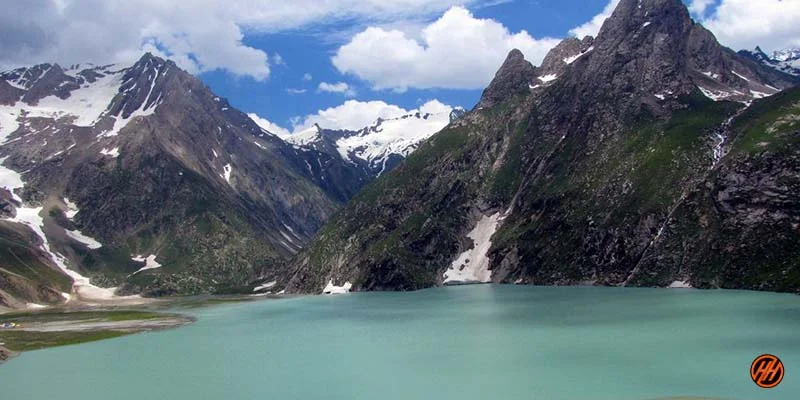


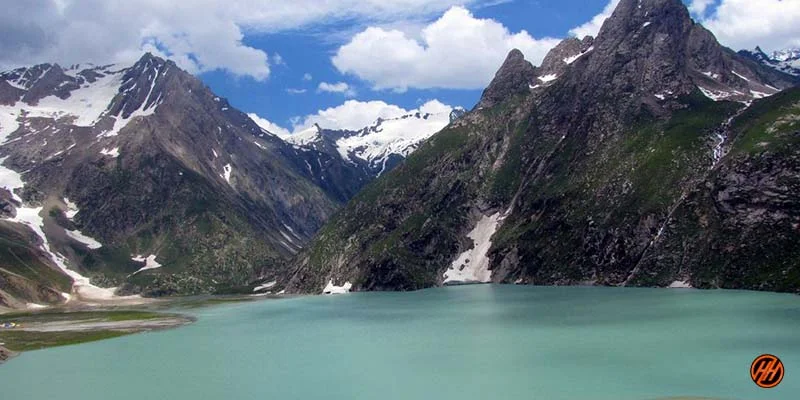
Hindu Mythology “Abode of Sheshnag”
Meaning of Sheshnag is “The King of Snakes”. According to the legends, Sheshnag himself dug this lake and it is believed that it is his abode.
The trek to it is extremely scenic, with breathtaking views of the surrounding mountain terrain and vast grassland terrain. The lake is linked to numerous mythological legends, one of which claims that it belongs to Sheshnag, Lord of the Snakes himself. According to legend, Lord Sheshnag dug this lake, which is now thought to be his abode.
The trails to these lakes are usually crowded with Hindu pilgrims en route to the holy site of Amarnath cave. Amarnath cave, which is generally covered in snow on all sides, is only open for a short period of time during the summers, when many devotees are permitted to visit. The Sheshnag Lake trek is a low-to-moderate-intensity hike with stunning views of the trail and the destination. Trekkers of all levels are encouraged to traverse its paths and marvel at its enthralling beauty.
A Must Do Short Trek in Kashmir
The lush green meadow surrounds Sheshnag Lake and makes the site more interesting. It is of great significance to Hindus because of the mythological beliefs.
It is a must visit place, easily accessible but remains inaccessible during heavy snowfall. Pass through Pahalgam and Chandanwari valley to reach this sacred site.
Key Points of Sheshnag Lake Trek
- Level:Moderate
- Proper conditioning & training of body required
Need proper gear & clothing for sub-zero temperature
- Shoes are the single most important equipment.
- High Altitude requires proper acclimatization.
- Winter & Post monsoon or pre-monsoon is the best time.
- During rains the region is prone to landslides.
- Travel light
- The backpack should not exceed 10 KGS
Sheshnag Lake Trek Complete Guide
Our mission has always been to ensure that no trekker steps into the Himalayas without the right perspective. A trek is not just a checklist of summits; it is a serious commitment to the outdoors. Having the right information is what separates a reckless climb from a soulful journey.
This section serves as your definitive manual for the Sheshnag Lake Trek. We have distilled years of mountain experience and real-time feedback into this guide to give you a clear, honest picture of the trail.
We provide this depth of information because we want you to be more than just a visitor—we want you to be a prepared, responsible trekker who respects the mountains as much as we do.
Day 1 – Srinagar to Pahalgam
Activity: Pickup from Srinagar to Pahalgam by taxi.
Accommodation: Overnight stay at camp or home stay.
Day 2 – Trek to Sheshnag Lake
Route: Pahalgam to Chandanwari, then trek to Sheshnag Lake.
Activity: Enjoy scenic views and prepare for the trekking experience.
Day 3 – Return Trek and Drive
Route: Sheshnag Lake back to Chandanwari and Pahalgam.
Activity: Drive back to Srinagar after completing the trek.
Day 1
Day 2
Day 3
Day 1 :Srinagar to Pahalgam
The transport will be arranged from Srinagar and the drive will be to Pahalgam which lays 100 kms away from Srinagar. You can reach Pahalgam through two routes, Bijbehra is the famous tourist route, and the drive is a beautiful one through rural area of Kashmir
Day 2 : Pahalgam to Chandanwari and trek to Sheshnag Lake
Post breakfast head towards Chandanwari, the trail makes its way through the dense maple and fine forests along Ladder River. After a long hike, enter the exotic Chandanwari valley.
Have lunch in middle of the way. Afterwards ascend initially to Pissu top which offers jaw dropping sight. Now, the trail to Sheshnag Lake is steep.
Reach the 1 km long Sheshnag Lake, its deep blue waters looks gorgeous. Setup your camp nearby and settle for the day.
Day 3 :Sheshnag Lake to Chandanwari and Pahalgam. Drive to Srinagar
After spending a good night at the bank of Sheshnag Lake, descend to Pahalgam by retracing your steps. Reach Chandanwari, halt for a while and again start trekking through the dense maple forest.
Follow the same trail and reach Pahalgam. Rest there, then leave for Srinagar.
Sheshnag Lake Trek – Difficulty Level
Overall Difficulty
The Sheshnag Lake Trek is considered moderate to moderately difficult. It is suitable for trekkers with some prior experience, good fitness, and stamina. Beginners can attempt it if prepared physically and mentally.
Factors Affecting Difficulty
- Distance: The trek is approximately 10–12 km one way from the base (typically Pahalgam or Aru Valley).
- Elevation: Starts around 2,130 m at Pahalgam/2,400 m at Aru and ascends to about 3,650 m at Sheshnag Lake.
- Terrain: Rocky paths, steep ascents, occasional snow patches, and streams to cross.
- Weather: Cold mornings and evenings, unpredictable mountain weather can add to difficulty.
- Fitness Requirement: Moderate fitness needed; trekking poles recommended for steep or slippery sections.
Tips for Trekkers
- Start early to allow enough daylight for return or camping.
- Acclimatize properly to avoid altitude sickness.
- Carry warm clothing, rain gear, and sufficient water and snacks.
- Hire a local guide for safety and easier navigation.
Best Time to Visit Sheshnag Lake Trek
Ideal Months
- May to September: This is the most popular period for the trek. Weather is pleasant, snow has melted on most trails, and the meadows around the lake are lush and green.
- June to August: Peak summer months. Clear skies, mild temperatures, and ideal for camping near the lake.
- September: Early autumn offers clear skies, fewer crowds, and colorful landscapes.
Months to Avoid
- October to April: Trails may be covered with snow, and the weather can be harsh. Trekking is challenging and requires specialized gear.
- July – August (Heavy Rainfalls): Monsoon can cause slippery trails, landslides, and stream swelling, so extra caution is needed.
Tips
- Always check weather forecasts before starting the trek.
- Start early in the day to make the most of daylight hours.
- Peak summer months (June–August) are best for beginners or those preferring safer, snow-free trails.
How to Reach Sheshnag Lake Trek
1. Nearest Airport
The closest airport is Srinagar International Airport (SXR), approximately 100 km from Pahalgam, the main base for the trek. From the airport, you can hire a taxi or take a bus to Pahalgam.
2. Nearest Railway Station
The nearest railway station is Srinagar Railway Station, around 100 km from Pahalgam. From the station, taxis or shared cabs are available to reach the base.
3. By Road
- From Srinagar: Pahalgam is about 2–3 hours by road. Regular taxis, private cabs, and buses operate on this route.
- Local Transport: From Pahalgam or Aru, you start the trek to Sheshnag Lake. Aru Valley is the most common starting point for the trek.
4. Trek Starting Points
- Aru Valley: Most trekkers start from Aru, which has accommodations and facilities. Trek distance to Sheshnag Lake is about 12 km one way.
- Pahalgam: Another starting point for experienced trekkers, though the distance is slightly longer and requires better stamina.
Tips
- Hire a local guide from Aru or Pahalgam for a safer trek and better navigation.
- Ensure you have proper transport arranged in advance, especially during peak season.
- Carry enough water and snacks from the base before starting the trek.
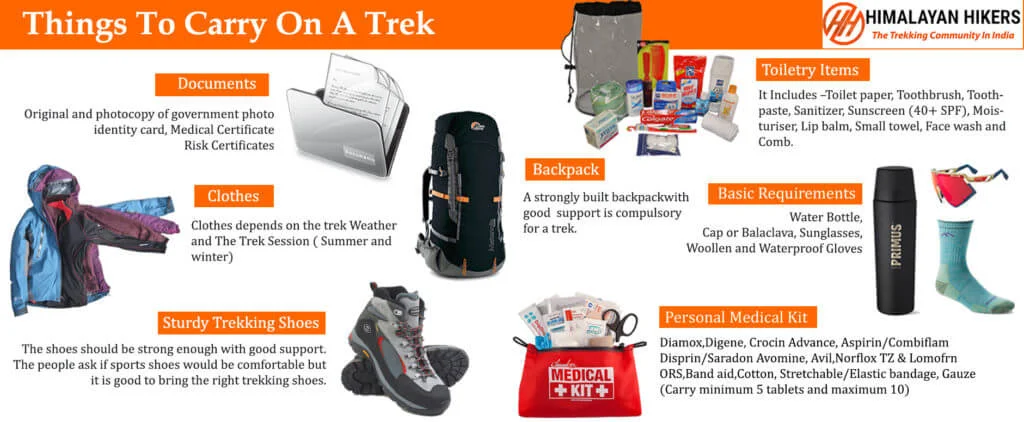
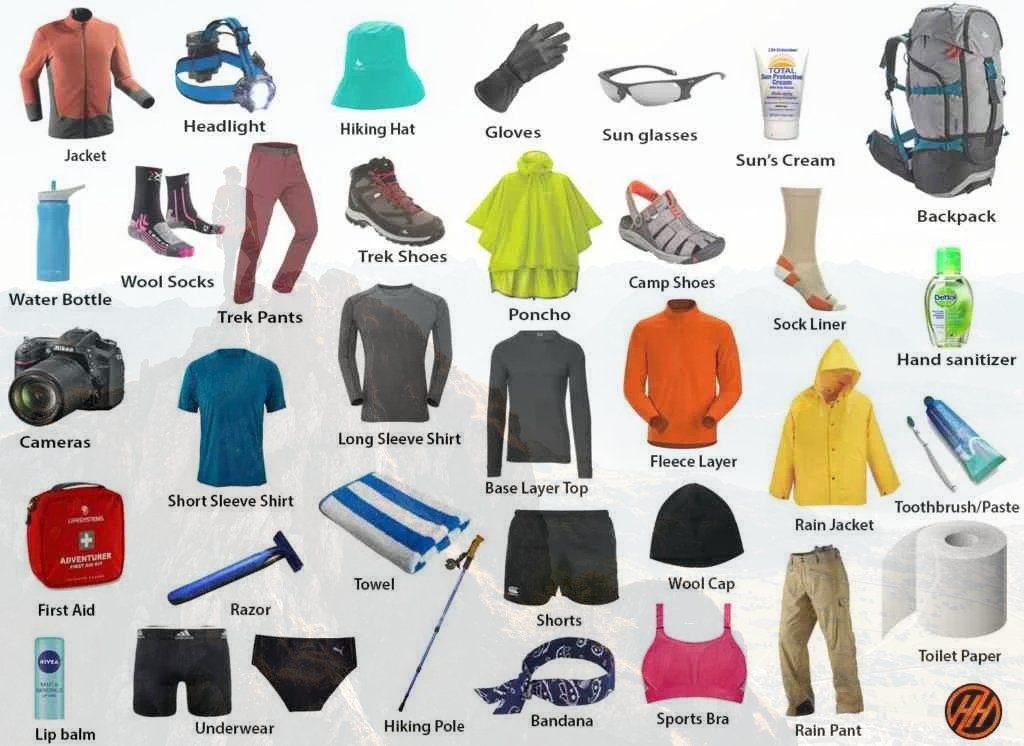
What to Pack for Sheshnag Lake Trek
Clothing
- Layered clothing: T-shirts, long-sleeve shirts, fleece or insulated jacket for cold mornings and evenings.
- Waterproof jacket or poncho: Essential for sudden rain or snow.
- Trekking pants: Comfortable, quick-dry, and flexible.
- Socks: Extra pairs, preferably moisture-wicking to prevent blisters.
- Gloves and woolen cap: For cold weather, especially at high altitude.
Footwear
- Trekking shoes: Sturdy, waterproof, with good grip for rocky and slippery trails.
- Sandals/flip-flops: For campsite use or relaxing after the trek.
Gear & Accessories
- Backpack: 20–30 L capacity with rain cover.
- Water bottle or hydration pack: Stay hydrated during the trek.
- Snacks: Energy bars, dry fruits, and nuts for quick energy.
- Hat/cap and sunglasses: For sun protection.
- Trekking poles: Helpful for steep or uneven terrain.
Safety & Essentials
- First aid kit: Include band-aids, antiseptic, painkillers, and personal medicines.
- Headlamp or torch: With extra batteries for night use or camping.
- Sunblock & lip balm: High SPF to prevent sunburn and dry lips.
- Trash bag: Carry your waste to keep the environment clean.
Optional Items
- Camera or smartphone: Capture scenic landscapes and memories.
- Notebook & pen: To jot down your trekking experience.
How to Prepare for Sheshnag Lake Trek
1. Physical Preparation
- Cardio exercises: Jogging, cycling, or swimming 3–4 times a week to build stamina for long trekking hours.
- Leg strength: Squats, lunges, and stair climbing to handle uphill and uneven terrain.
- Flexibility: Stretching exercises to prevent injuries and improve endurance.
2. Gear & Equipment Prep
- Trekking shoes: Break them in before the trek to avoid blisters.
- Backpack: Pack light, keep essentials accessible, and include a rain cover.
- Clothing layers: Practice layering to adjust to changing weather during the trek.
3. Acclimatization
Spend a day at a higher altitude if possible to acclimatize and prevent altitude sickness, as Sheshnag Lake is at approximately 3,658 meters.
4. Knowledge & Planning
- Route study: Learn about the trail, distance, elevation, and emergency exit points.
- Weather check: Always monitor forecasts to avoid rain, snow, or storms.
- Local guidance: Hire a guide or join a trekking group for safety and navigation help.
5. Nutrition & Hydration
- Hydrate well: Drink sufficient water before and during the trek.
- Balanced meals: Include carbohydrates, proteins, and fruits to maintain energy.
- Energy snacks: Carry dry fruits, nuts, and energy bars for quick energy boosts.
6. Mental Preparation
Be prepared for long hours of trekking, steep climbs, and changing weather. Stay positive, pace yourself, and enjoy the scenic beauty along the way.
Safety Tips with Himalayan Hikers – Sheshnag Lake Trek
1. Trek with Experienced Guides
Always hire local guides or Himalayan trekking groups who know the terrain, altitude changes, and weather patterns. They can navigate tricky sections and manage emergencies.
2. Travel in Groups
Trekking in a group increases safety. In case of injuries, sudden weather changes, or getting lost, fellow trekkers provide support.
3. Inform Someone About Your Plans
Before starting the trek, inform friends, family, or your guide about your planned route, expected start time, and return time.
4. Check Weather and Terrain
Always monitor weather forecasts before and during the trek. Avoid trekking during heavy rain, snowstorms, or landslide-prone conditions.
5. Carry Safety Essentials
- First aid kit with personal medicines
- Emergency whistle or signaling device
- Headlamp or torch with extra batteries
- Extra warm clothing and waterproof layers
6. Follow Trekking Rules
Stick to marked trails, avoid shortcuts, respect local wildlife and the environment, and practice Leave No Trace principles.
7. Emergency Contacts
Keep a list of local emergency numbers, rescue teams, and nearby hospital contacts handy in your phone or on paper.
What is Include In This Trek?
| Category | Included Items | Notes / Details |
|---|---|---|
| Permits & Fees | Forest Permit, Entrance Fee | Required official permissions for the trek |
| Accommodation | Tents on twin share basis | Shared tents, comfortable for 2 people |
| Meals & Food | Breakfast, Packed Lunch, Tea, Coffee, Snacks, Soup, Dinner | All meals provided throughout the trek |
| Camping Gear | High-quality tents, Sleeping bags, Mattress liner, Pillow | Comfortable and safe camping equipment |
| Toilet Facilities | Separate toilet tents – Ladies & Gents | Hygienic, gender-separated facilities |
| Dining Facilities | Dining tent, Dining table | Designated area for meals |
| Support Staff | Porters, Helpers, Kitchen Team | Staff to assist with trekking and meals |
| Communication & Safety | Radio Walkie Talkie, Medical kit, Oxygen cylinders | Ensures safety and emergency communication |
| Guides & Leadership | Trek leader guide, Technical guide | Professional guides for navigation and technical support |
| Trekking Equipment | Crampons, Gaiters | Essential gear for difficult terrains / snow |
| Experience | Good experience | Overall trekking experience and support |
What is Not Include In This Trek?
| Not Included Items | Notes / Details | |
|---|---|---|
| Transport | Transport Facility | Travel to/from base camp not included |
| Insurance & Health | Personal Insurance, Medical Certificate | Trekkers are responsible for their own insurance and medical clearance |
| Personal Items | Personal Toiletry Items, Personal Medicine Kit | Bring your own hygiene and medical supplies |
| Meals | First Day: Breakfast & Lunch en route to base camp Last Day: Lunch & Dinner en route from base camp |
Meals provided only after arrival at base camp Meals not included after trek completion |
Important Note
Important Notes for the Trek
- Altitude & Weather: Trek conditions can be extreme; weather may change suddenly. Carry warm and waterproof clothing.
- Physical Fitness: Ensure you are physically fit. The trek involves long walks and climbing steep terrain.
- Permits & Documents: Carry valid ID proof and any required permits. Missing documents may prevent participation.
- Health Precautions: Inform guides about any pre-existing medical conditions. Carry personal medicines.
- Luggage: Keep personal luggage light. Porters carry limited weight; extra baggage may not be accommodated.
- Safety: Follow trek leaders’ instructions. Avoid wandering off marked trails.
- Meals: First and last day meals en route are not included; plan accordingly.
- Environment: Respect local flora, fauna, and communities. Carry back your trash.
- Insurance: Personal travel/medical insurance is recommended but not included.
Map not available for this trek.
The ideal months are May to September when the weather is pleasant and the trails are mostly snow-free.
The trek is considered moderate to moderately difficult. Suitable for trekkers with some prior experience or good fitness levels.
The trek is approximately 10–12 km one way from Aru or Pahalgam, taking around 5–6 hours depending on pace and acclimatization.
Hiring a local guide or trekking group is recommended for safety, navigation, and local insights.
Essentials include layered clothing, trekking shoes, water, snacks, first aid kit, headlamp, and rain gear.
Yes, Aru and Pahalgam offer guesthouses, campsites, and homestays for overnight stays.
Monsoon (July–August) can make trails slippery and risky. It is not recommended to trek during heavy rains.
Yes, beginners can attempt the trek with proper preparation, pacing, and guidance from a local guide.
Practice cardio exercises, leg strengthening, and stretching a few weeks before the trek to build stamina.
Trekking alone is not recommended. Always trek in a group or with a guide for safety.


