


Overview of Rohil Basmai Valley Trek, Kashmir
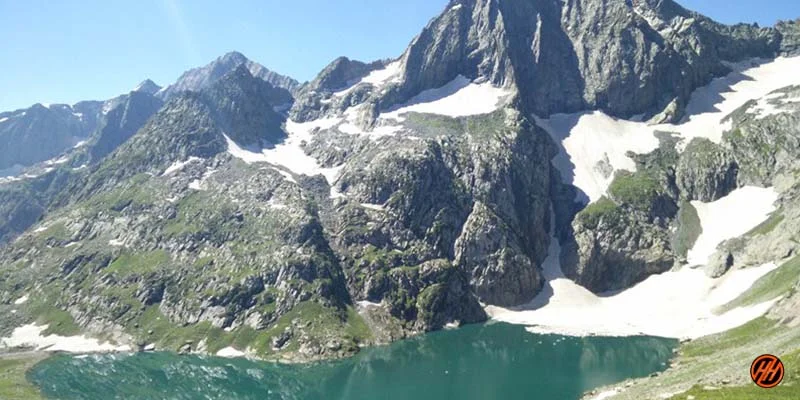
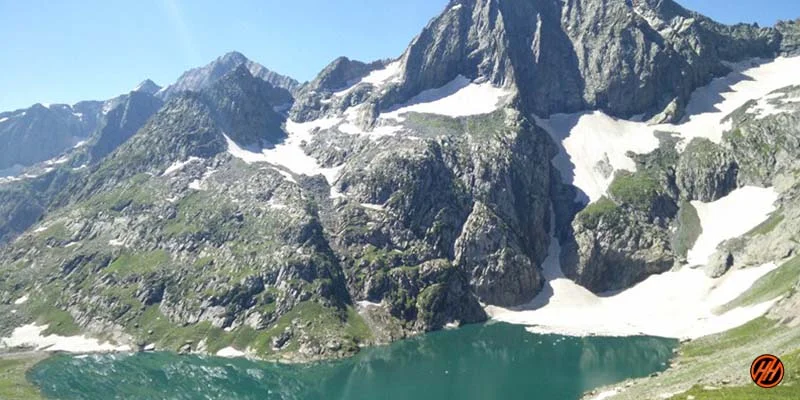
The Rohil Basmai Valley Trek is one of the most scenic and offbeat trekking experiences in Kashmir. The Rohil Valley is wide and expansive, offering vast open landscapes, while the Basmai Valley is narrower and more intimate. Despite their contrasting terrain, both valleys are equally breathtaking and rich in natural beauty.
This trek takes you through wide grasslands, lush alpine meadows, and dense mountain forests, creating a perfect blend of adventure and serenity. Throughout the journey, trekkers are rewarded with mesmerizing views of snow-covered peaks dominating the northern horizon. Crystal-clear streams flow down from glaciers, gradually merging to form beautiful rivers that enhance the charm of the trail.
Wide Grasslands and Natural Beauty
The Rohil Basmai Valley Trek is known for its broad green meadows and rolling valleys, making it a visual delight for nature lovers and photographers. Tall trees line the mountain slopes, while open grasslands stretch endlessly, offering peaceful walking trails and ideal camping spots.
As you progress, you will encounter multiple water crossings and glacial streams, adding excitement to the trek. The untouched landscapes and fresh mountain air make this trek a perfect escape from crowded tourist routes.
Highlights of Rohil Basmai Valley Trek
- Experience trekking in Kashmir’s pristine valleys and alpine grasslands
- Witness multiple streams emerging directly from glaciers
- Explore traditional Gujjar and Bhatwari huts and local mountain life
- Enjoy panoramic views of snow-clad Himalayan peaks
- Perfect for photography, nature lovers, and adventure seekers
Key Points to Know Before the Trek
- Difficulty Level: Moderate
- Proper physical conditioning and training are required
- Carry appropriate gear and clothing for sub-zero temperatures
- Trekking shoes are the most important piece of equipment
- High altitude requires proper acclimatization
- Best seasons are winter and post-monsoon or pre-monsoon
- Avoid trekking during heavy rains due to landslide risks
- Carry good photography gear with extra battery backup
- Travel light backpack weight should not exceed 10 kg
Rohil Basmai Valley Trek Complete Guide
Our mission has always been to ensure that no trekker steps into the Himalayas without the right perspective. A trek is not just a checklist of summits; it is a serious commitment to the outdoors. Having the right information is what separates a reckless climb from a soulful journey.
This section serves as your definitive manual for the Rohil Basmai Valley Trek. We have distilled years of mountain experience and real-time feedback into this guide to give you a clear, honest picture of the trail.
We provide this depth of information because we want you to be more than just a visitor—we want you to be a prepared, responsible trekker who respects the mountains as much as we do.
Day 1 – Srinagar to Aru (7958 feet) via Pahalgam (112 km) (4 hours)
Day 2 – Aru to Lidderwat (9131 feet) (10 km) (5/6 hours)
Day 3 – Lidderwat to Satlunjan (10,500 feet) (5 km) (4/5 hours)
Day 4 – Satlunjan to Sonasar Lake / Basmai Lake (12,450 feet) (4.5 km) (4/5 hours)
Day 5 – Sonasar Lake to Handilsar Lake (12,103 feet) (7.5 km) (5/6 hours)
Day 6 – Handilsar Lake to Rohil Top (13,000 feet) and back to Satlunjan (10,500 feet) (6.5 km) (5/6 hours)
Day 7 – Satlunjan to Aru (7958 feet) (14 km) (5/6 hours)
Day 8 – Aru to Srinagar (112 km) (4 hours)
Day 1
Day 2
Day 3
Day 4
Day 5
Day 6
Day 7
Day 8
Day 1 : Srinagar to Aru (7958 feet) via Pahalgam (112 km) (4 hours)
The vehicle will be arranged from Srinagar and the journey to Aru is 112 km long which can be covered in 4 hours. The drive is via Pahalgam, it is a well-known place near Srinagar.
Aru is a famous tourist destination located in Anantnag district of Jammu & Kashmir. From there get spectacular views of green pasturelands and Katrinag mountains in the background.
Setup your camps there and enjoy the overnight stay in tents.
Day 2 : Aru to Lidderwat (9131 feet) (10 km) (5/6 hours)
Start the trek from Aru and head towards Lidderwat valley, the ascent is steep through fir forest with some Gujjar settlements. Follow the Lidder River’s course and walk past the big land of agricultural fence. From here entire Aru village is clearly visible from a height.
Walk through thick forest of firs and come across a small clearing Dalla. Now the trail eases and the steep climb turns to pleasant walk towards Nandkei, Gujjar settlements are present in every part of the valley.
From Nandkei the trail bifurcates, walk down the bridge and reach the Lidderwat, observe beauty of this valley and witness the streams flowing across meadows. Setup your camps in the desired area and settle for the day.
Day 3 : Lidderwat to Satlunjan (10,500 feet) (5 km) (4/5 hours)
Leave Lidderwat and after a 20 minutes hike see 5–6 Gujjar huts. Walk on the flat terrain with some inclines and reach Trun Khalan. Now, the trail changes to rocky. Enjoy crossing streams and walking past Gujjar huts.
Khalan, the bigger village now emerges on the river’s left side. Other side of this village is Susrin. Ascend to the village’s top and revel in the beauty of Susrin Lake.
Walk through the boulders along the river from Khalan to Satlunjan. It is a Gujjar village with 15 huts. Reach the valley top and settle for the day.
Day 4 : Satlunjan to Sonasar Lake / Basmai Lake (12,450 feet) (4.5 km) (4/5 hours)
Today the climb is moderately steep right after you start trekking. Ascend towards Basmai valley and after few minutes come across Bakarwal huts present towards the left.
After 2 hours of hiking up, reach the boulder section and the wide Basmai valley unfolds itself. Some Bakarwal huts are present near the river, descend towards them and climb gently from the river’s right to the boulder patch.
Get to the other side of the river and start climbing to Sonasar Lake. This beautiful alpine lake has tranquil beauty. Setup your camps on its banks and retire for the night.
Day 5 : Sonasar Lake to Handilsar Lake (12,103 feet) (7.5 km) (5/6 hours)
Today leave from Sonasar Lake to Handilsar Lake. Retrace your steps and get back to Satlunjan, reaching there will take 2.5 hours. Take the trail diverging to Rohil Top.
A gradual climb will take you to the first lake. Reach there after a 45 minutes hike from Satlunjan. After the next half an hour walk from Tsangsar Lake to Sunpatri.
From Tsangsar Lake, ascend to Handilsar Lake. Setup your camps and retire for the night.
Day 6 : Handilsar Lake to Rohil Top (13,000 feet) and back to Satlunjan (10,500 feet) (6.5 km) (5/6 hours)
Climb to Rohil Top via Hapatsar Lake. After a 45 minutes hike reach the lake, it lies at an altitude of 12,800 feet. Above Hapatsar, snow patches look beautiful and feed this lake.
The ascent to Rohil Top is moderate and this is the highest altitude of the trek. The views offered from here are exotic and the trail follows Rohil Nalla to the left.
The picturesque Rohil Valley is narrower compared to Basmai Valley. From the top witness the splendid scenery, retrace your steps, and return to Satlunjan.
Day 7 : Satlunjan to Aru (7958 feet) (14 km) (5/6 hours)
Today the total trekking distance is 14 km and it is the longest day of the trek. Pass through lush grasslands and wide valleys surrounded by trees.
There are multiple mountain streams along the way. Take short breaks and gradually lose altitude as the downhill trek is relatively easy. After 5/6 hours of hiking, reach Aru by evening.
Day 8: to Srinagar (112 km) (4 hours)
Board vehicle from Aru and reach Srinagar, the distance to be covered is 112 km.
Rohil Basmai Valley Trek – Detailed Overview
The Rohil Basmai Valley Trek is classified as a Moderate-level trek, making it suitable for trekkers who have basic trekking experience and are in good physical fitness. It is an excellent introduction for beginners aiming to experience high-altitude trekking while also offering rewarding challenges for intermediate trekkers.
Trek Difficulty and Terrain
The trek involves:
- Long walking hours across wide valleys, open grasslands, and gentle slopes.
- Sections that require crossing streams and navigating rocky or uneven terrain, which can be physically demanding.
- Scenic landscapes of alpine meadows, pristine valleys, and panoramic mountain views.
Altitude Considerations
The trek reaches elevations of up to 13,000 feet (≈3960 meters). At these altitudes:
- Proper acclimatization is crucial to prevent altitude-related issues such as headaches, nausea, or fatigue.
- Trekkers should ascend gradually and take rest breaks as advised by the guides.
Fitness and Preparation
Trekkers should focus on:
- Endurance: Ability to walk for several hours daily carrying a backpack.
- Physical conditioning: Prior trekking, long walks, or aerobic exercises to build stamina.
- Gear readiness: Proper trekking shoes, warm clothing, trekking poles, and essential gear.
- Mental preparedness: Patience and persistence are important, especially on longer walking days.
Who Is This Trek Suitable For?
- Fit beginners looking for a high-altitude trekking experience.
- Intermediate trekkers seeking a moderately challenging trek with rewarding natural beauty.
Additional Information
With the right preparation, gear, and guidance, the Rohil Basmai Valley Trek is achievable, safe, and immensely rewarding, offering trekkers breathtaking views, peaceful alpine landscapes, and an enriching outdoor experience.
Best Time to Undertake the Rohil Basmai Valley Trek
The Rohil Basmai Valley Trek is best undertaken between March and October, when weather conditions are stable and trekking is safe. Each period within this range offers unique experiences, making seasonal understanding important for planning.
1. Spring (March to Early June)
During early spring:
- Snow and Meadows: Higher trails still have melting snow, while valleys and meadows start turning green, creating a stunning contrast of white snow and vibrant greenery.
- Flora & Wildlife: Alpine flowers bloom, and wildlife emerges after winter. Streams swell with snowmelt, so caution is needed during crossings.
- Trekking Conditions: Daytime temperatures range between 10–15°C, while nights can be cold (0–3°C). Trekking poles, gaiters, and waterproof shoes are recommended due to slippery snow patches.
- Best For: Trekkers who enjoy photography, blooming valleys, and snow-meadow contrasts.
2. Summer (July to September)
Summer months offer:
- Temperature: Pleasant daytime temperatures (17–20°C) with cooler nights (3–4°C).
- Trail Conditions: Most snow has melted, revealing wide grassy meadows, clear river crossings, and well-defined trails, making trekking safer and easier.
- Scenery: Clear skies, green valleys, and visible mountain peaks provide the classic Himalayan trekking experience.
- Best For: Trekkers seeking pleasant weather, scenic views, and easier navigation.
3. Post-Monsoon (Late September to October)
Post-monsoon trekking:
- Climate: Reduced rainfall makes trails more stable. Vegetation remains green, rivers are clear, and the air is crisp.
- Cautions: Occasional minor landslides may occur, so following guides carefully is important. Nights and early mornings can be cold (0–5°C).
- Advantages: Less crowded trails and pristine landscapes make this an excellent time for photography and peaceful trekking.
4. Other Considerations
- Avoid Monsoon: Heavy rainfall can make trails slippery, increase landslide risk, and obscure mountain views.
- Altitude Adaptation: The trek reaches up to 13,000 feet; proper acclimatization is crucial to prevent altitude sickness.
- Gear Recommendations: Layered clothing, waterproof jackets, trekking boots, gloves, and sun protection are essential. Nights remain cold even in summer.
Summary of Trekking Seasons
- Spring (Mar–Jun): Snow-melt and blooming meadows; temperatures 0–15°C; trails may be slippery.
- Summer (Jul–Sep): Clear skies, green valleys; temperatures 17–20°C (day), 3–4°C (night); easy navigation.
- Post-Monsoon (Late Sep–Oct): Pristine scenery, crisp air; temperatures 0–15°C; fewer crowds but minor landslide caution required.
By trekking during these recommended months and following proper preparation, gear, and acclimatization, you can enjoy a safe, comfortable, and highly rewarding Rohil Basmai Valley Trek.
How to Reach the Rohil Basmai Valley Trek Starting Point
The trek starts from Srinagar, Jammu & Kashmir. Planning your arrival carefully ensures a smooth start to the trek. It is recommended to arrive at least one day before the trek to rest, acclimatize, and prepare.
1. By Air
The easiest and fastest way to reach Srinagar is by air:
- Srinagar Airport (Sheikh-ul-Alam Airport) is well connected with major cities like Delhi, Mumbai, and Bangalore.
- From the airport, trekkers can hire taxis or pre-arranged transfers to reach their hotel or the trek meeting point.
- Advantages: Quickest mode of travel, reduces travel fatigue, and allows extra time for acclimatization and preparation.
- Tip: Book flights in advance, especially during peak trekking season (March–October).
2. By Train
The nearest major railway station is Jammu Tawi Railway Station:
- From Jammu, Srinagar can be reached by road via taxi, private cab, or bus.
- The road journey takes roughly 8–10 hours, depending on traffic and weather conditions.
- Scenic Route: The Jammu–Srinagar highway passes through mountains, valleys, and rivers, offering breathtaking views.
- Considerations: Mountain roads have hairpin bends; night travel is not recommended due to safety risks.
3. By Road
Srinagar is well connected by road via National Highway 44 (NH44):
- Regular buses and shared taxis are available from Jammu and nearby regions.
- Self-drive is an option for experienced drivers, but road and weather conditions should be checked in advance.
- Advantages: Flexible schedule and opportunity to stop for sightseeing along the way.
- Cautions: Roads can be slippery or blocked during heavy rains or snow; drive carefully.
4. Arrival Recommendations
- Reach Srinagar at least one day prior to the trek to rest and acclimatize.
- Use this time to check trekking gear, purchase supplies, and meet the trek team.
- Stay in local hotels, guesthouses, or homestays; booking in advance is recommended during peak season.
5. Summary Table
- Air: Fastest; Srinagar Airport is closest; taxi to trek start – 1–2 hours.
- Train + Road: Scenic route via Jammu Tawi; 8–10 hours by road from Jammu.
- Road: Buses, shared taxis, or self-drive via NH44; check road and weather conditions.
What to Pack for the Rohil Basmai Valley Trek
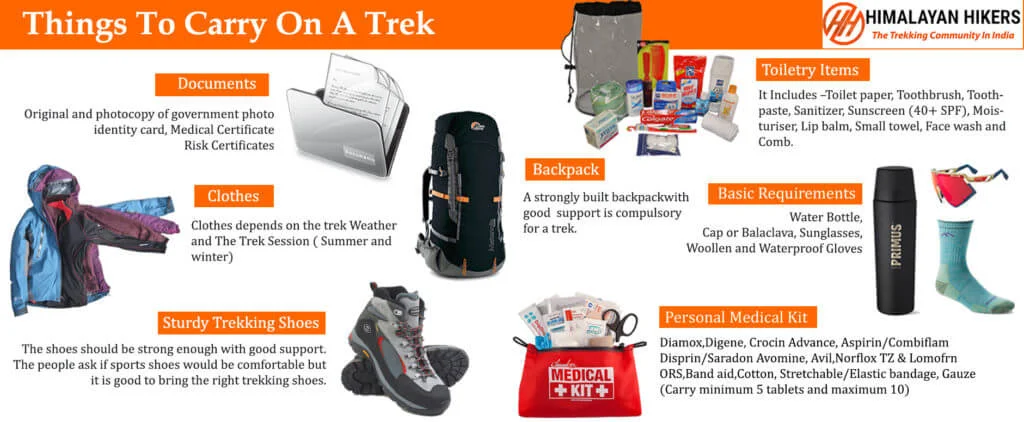
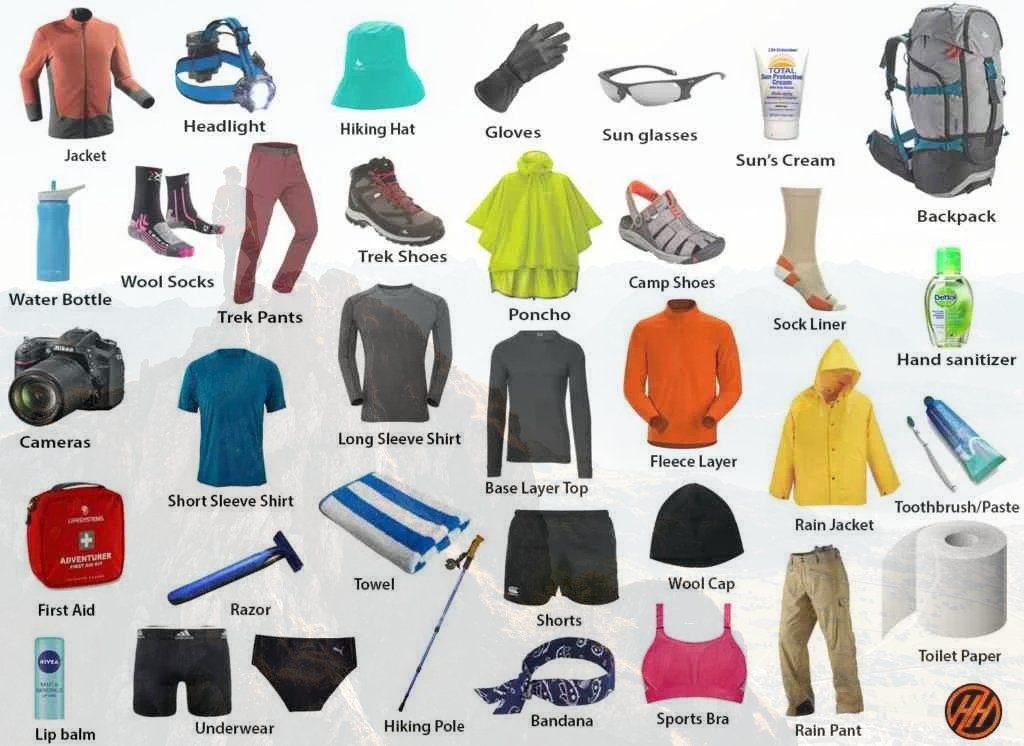
Packing appropriately is crucial for comfort, safety, and enjoyment. Consider the following categories when preparing for the trek:
1. Clothing
- Layered clothing: Base layer (moisture-wicking t-shirts, thermal wear), mid layer (fleece jacket/wool sweater), outer layer (waterproof and windproof jacket & pants).
- Trekking pants and shorts for daytime.
- Warm gloves, hat, and scarf.
- Trekking socks (preferably wool) and thermal underwear for cold nights.
- Rain poncho or waterproof cover.
2. Footwear
- Trekking boots: Sturdy, waterproof, and well-broken-in.
- Camp shoes or sandals for evenings.
- Gaiters to protect from snow or mud.
3. Camping & Sleeping Gear
- Sleeping bag suitable for sub-zero temperatures.
- Sleeping liner for hygiene.
- Small pillow (optional) and trekking mat if not provided.
4. Personal Essentials
- Backpack (40–50 L) and daypack for short excursions.
- Water bottles or hydration bladder.
- Snacks: energy bars, dry fruits.
- Sunglasses with UV protection.
- Sunscreen and lip balm.
- Personal toiletries: toothbrush, toothpaste, soap, hand sanitizer.
- Personal medicine kit (painkillers, motion sickness medicine, prescription meds).
- Tissues or wet wipes.
5. Trekking Gear & Safety
- Trekking poles.
- Headlamp or flashlight with extra batteries.
- Compass or GPS (optional).
- First aid kit.
- Crampons if trekking on snow.
- Oxygen cylinder (optional but recommended at high altitudes).
6. Electronics
- Camera or GoPro.
- Mobile phone with power bank.
- Travel adapter if required.
7. Optional / Miscellaneous.
- Plastic bags for wet or dirty clothes.
- Trekking permits / ID cards.
- Cash for small purchases.
Tip: Pack light, prioritize essential gear, and always consider the high-altitude weather conditions when selecting clothing and equipment.
How to Prepare for the Rohil Basmai Valley Trek
1. Physical Preparation
- Cardiovascular Fitness: Engage in brisk walking, jogging, cycling, or swimming 6–8 weeks before the trek.
- Strength Training: Focus on legs, core, and back muscles with squats, lunges, step-ups, and planks.
- Endurance Training: Practice day hikes with a loaded backpack, gradually increasing distance and elevation.
- Flexibility & Balance: Yoga or stretching helps prevent injuries and improves stability on uneven terrain.
2. Gear & Equipment Familiarization
- Break-in Trekking Boots: Wear during practice hikes to avoid blisters.
- Test Your Gear: Try jackets, backpacks, and trekking poles in advance for comfort.
- Pack Smart: Carry only essentials to minimize weight.
3. Mental Preparation
- Positive Mindset: Stay patient and maintain a positive attitude during challenging sections.
- Group Coordination: Follow the trek leader and communicate effectively with the group.
- Stress Management: Practice meditation or breathing exercises to manage fatigue and altitude-related stress.
4. Acclimatization
- Arrive in Srinagar at least one day prior to the trek to adjust to altitude.
- Follow a gradual ascent plan as advised by guides to prevent altitude sickness.
- Stay hydrated and maintain a diet rich in carbohydrates and proteins.
5. Health & Safety
- Medical check-up to ensure fitness for trekking.
- Carry personal medications and consult your doctor regarding vaccines or prophylactics.
- Familiarize yourself with basic first aid, use trekking poles correctly, and follow safety protocols.
6. Trekking Practice
- Practice short local hikes to condition your body.
- Train with a backpack weighing 5–8 kg to simulate trek conditions.
- Walk on uneven surfaces, stairs, or hilly terrain to prepare joints and muscles.
Tip: A combination of physical fitness, mental preparation, proper gear, and acclimatization ensures a safe and rewarding trekking experience.
Safety with Himalayan Hikers on the Rohil Basmai Valley Trek
Himalayan Hikers prioritizes the safety and well-being of every trekker. Here’s what you need to know to stay safe during your trek:
1. Professional Guides
- Experienced Trek Leaders & Technical Guides: Trained in high-altitude trekking, navigation, and emergency procedures.
- Trail Knowledge: Guides know the local terrain, weather patterns, and safe routes to avoid risks.
- Group Management: Guides monitor pace, rest stops, and trekkers’ physical conditions.
2. Medical & Emergency Support
- Medical Kit & Oxygen Cylinders: Comprehensive kits are available on all treks.
- First Aid Trained Staff: Team members are trained in first aid and emergency response.
- Evacuation Plan: Established protocols for evacuation in case of severe illness, injury, or unexpected weather.
3. Communication
- Radio & Walkie-Talkies: Guides maintain continuous communication with support staff and emergency contacts.
- Regular Check-ins: Trekkers are checked at intervals to ensure no one is left behind or facing issues.
4. Camping & Equipment Safety
- High-Quality Tents: Durable tents for all weather conditions, with separate toilet tents for men and women.
- Proper Gear: Trekking poles, crampons, gaiters, sleeping bags, and mats ensure safety and comfort.
- Hygiene Measures: Dining tents, hand sanitizers, and clean food preparation practices reduce health risks.
5. Trek Preparation & Precautions
- Pre-Trek Briefing: Guidance on trail, altitude sickness symptoms, and safety protocols.
- Acclimatization: Gradual altitude gain, hydration, and rest to prevent sickness.
- Buddy System: Trekkers stick together in pairs or small groups for mutual support.
6. Environmental Safety
- Trail Awareness: Avoid wandering off marked paths to prevent injuries.
- Respect Local Wildlife: Guidance on safe interaction with animals and plants.
- Weather Monitoring: Guides adjust trek plans based on real-time weather forecasts.
Following Himalayan Hikers’ instructions, carrying recommended gear, and being prepared ensures a safe and enjoyable Rohil Basmai Valley Trek.
What is Included in the Rohil Basmai Valley Trek
The trek package covers everything needed for a comfortable and safe trekking experience:
1. Permits & Fees
- Forest Permit and Entrance Fee: All official permits required for the trek are included.
2. Accommodation
- Tents: Accommodation in high-quality tents on a twin-share basis.
- Sleeping bags, mattress, liner, and pillow are provided for comfort.
3. Meals & Dining
- All meals included: breakfast, packed lunch, tea, coffee, snacks, soup, and dinner.
- Dining tent with tables provided at the campsite.
4. Camping Gear & Equipment
- High-quality tents and all camping gear.
- Separate toilet tents for ladies and gents.
- Dining tent and dining table.
5. Support Staff
- Porters, helpers, and mules to carry luggage and supplies.
- Kitchen team for meal preparation.
6. Communication & Guidance
- Radio and walkie-talkie communication for safety and coordination.
- Experienced trek leader and technical guide to lead the group.
7. Safety & Medical Support
- Medical kit for emergencies.
- Oxygen cylinders for high-altitude support.
- Crampons and gaiters provided when required.
Note: All items above are included to ensure a safe, comfortable, and enjoyable trekking experience with Himalayan Hikers.
What is Not Included in the Rohil Basmai Valley Trek
The following items are not included in the trek package and need to be arranged by the trekkers:
1. Transportation
- Transport facility to and from the trek starting point.
2. Personal Documents & Insurance
- Personal insurance coverage.
- Medical certificate for fitness (required for participation).
3. Personal Items & Medicines
- Personal toiletry items such as soap, shampoo, toothpaste, etc.
- Personal medicine kit and prescription medications.
4. Meals Not Covered
- On the first day en route to the base camp, breakfast and lunch are not included.
- On the last day en route from the trek, lunch and dinner are not included.
Note: Trekkers should plan and arrange these items in advance to ensure a smooth and comfortable trek.
Important Note
Important Notes for the Rohil Basmai Valley Trek
- Arrival: Trekkers should reach Srinagar at least one day before the trek for rest, acclimatization, and final preparations.
- Weather Conditions: Himalayan weather can be unpredictable. Carry layered clothing, waterproof gear, and proper trekking shoes.
- Altitude Awareness: The trek reaches up to 13,000 feet. Acclimatization, hydration, and gradual ascent are critical to avoid altitude sickness.
- Personal Responsibility: Ensure you carry all personal items, medicines, and necessary documents.
- Trail Conduct: Follow instructions from guides, stay with the group, and respect nature and local communities.
- Flexibility: Trek schedules may change due to weather, road conditions, or unforeseen circumstances. Always follow guide instructions.
- Emergency Protocols: Familiarize yourself with emergency contacts, medical kits, and evacuation plans provided by Himalayan Hikers.
Map not available for this trek.
The trek is classified as Moderate, suitable for trekkers with basic trekking experience and good physical fitness. Long walking hours, gradual ascents, and some uneven terrain require endurance.
The best time is March to October.
- Spring (Mar–Jun): Snow melting, blooming meadows, scenic views.
- Summer (Jul–Sep): Pleasant weather, clear skies, easier navigation.
- Post-Monsoon (Late Sep–Oct): Crisp air, pristine scenery, fewer crowds.
- By Air: Fly to Srinagar Airport, then taxi to the trek meeting point.
- By Train: Jammu Tawi Railway Station, followed by 8–10 hours road journey.
- By Road: Buses, shared taxis, or self-drive via NH44.
- Forest permit and entrance fee
- Accommodation in twin-share tents
- All meals: breakfast, packed lunch, tea, coffee, snacks, soup, and dinner
- High-quality camping gear, sleeping bags, mats, and pillows
- Dining tents and separate toilet tents
- Porters, kitchen team, mules, trek leaders, technical guides
- Medical kit, oxygen cylinders, communication devices, crampons, and gaiters
- Transport to and from the trek starting point
- Personal insurance and medical certificate
- Personal toiletries and medicines
- Meals on the first and last days en route (as specified)
- Layered clothing, trekking boots, gloves, hats, and socks
- Sleeping gear, personal toiletries, snacks, water bottles
- Trekking poles, crampons, gaiters, and emergency medical items
- Electronics (camera, mobile, power bank) and optional items like binoculars
- Cardiovascular exercises: jogging, cycling, swimming
- Strength training for legs, core, and back
- Practice hikes with loaded backpack
- Flexibility and balance exercises, yoga, or stretching
Yes, the trek reaches up to 13,000 feet. Proper acclimatization, hydration, and gradual ascent are essential to prevent altitude sickness.
Yes. The trek includes experienced guides, trained support staff, medical kits, oxygen cylinders, walkie-talkies, and emergency protocols to ensure safety at every stage.
Yes, fit beginners with basic trekking experience can attempt the trek, provided they prepare physically, follow guide instructions, and carry the recommended gear.


