


Ranthan Kharak Trek Overview
The Ranthan Kharak trek distance spans about 38 kilometers, making it an ideal 7 days – 6 nights adventure for both beginners with basic fitness and experienced trekkers who are looking for solitude. The Ranthan Kharak trek difficulty level is moderate, which includes gradual ascents and well-defined trails, though certain sections require steady endurance.
Wondering about the best time to visit Ranthan Kharak trek? The ideal months are May to June and September to October, when the skies are clear, the meadows are lush, and the mountain vistas are at their best. During these periods, you’ll experience the full beauty of the region without harsh weather conditions.
Planning the Ranthan Kharak trek from Delhi is straightforward for those starting their journey in the capital. It is accessible via Kathgodam. The Ranthan Kharak trek offers well-organized packages that include transportation from Kathgodam to Kathgodam, accommodation, guides, food, and camping gear.
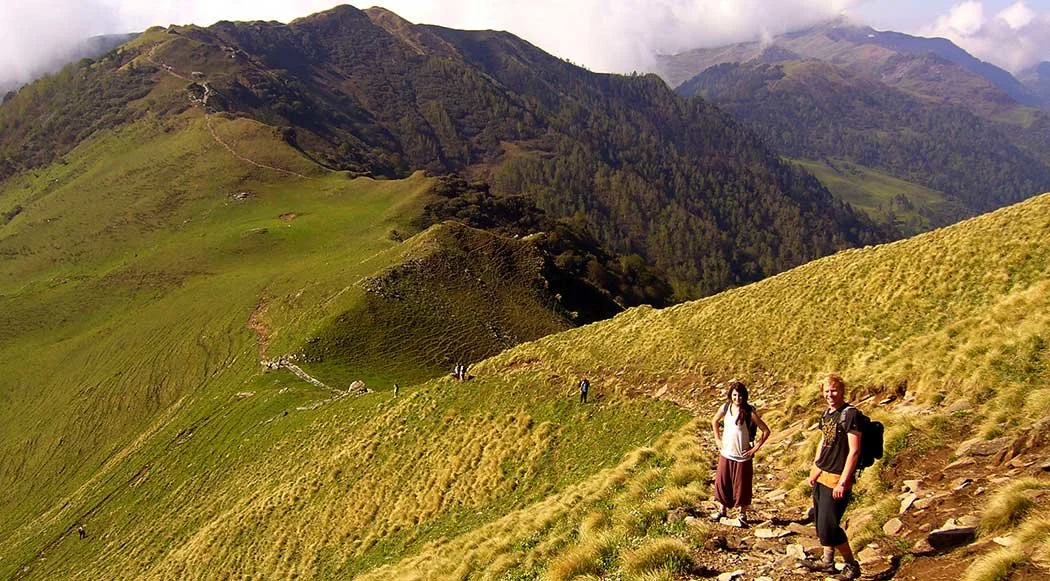
Whether you love trekking through dense forests, walking across open meadows, or admiring towering mountains, the Ranthan Kharak trek provides breathtaking scenery at every turn.
Who Can Do the Ranthan Kharak Trek?
- Age Limit: This Trek is suitable for trekkers aged 12 to 62 years. Children above 12 years can do this trek with active supervision and fitness. Seniors up to 62 years can participate if they meet the fitness requirement and have no high-risk medical issues.
- Trekking Experience: Ranthan Kharak is an ideal trek for beginners with some trekking experience.
- Required Fitness Level: You should be in good physical health with no major medical conditions. Must be able to jog or brisk walk 5 km in 45 minutes comfortably.
- Mental Readiness: Be prepared for 4–5 hours of trekking daily over moderate terrain. You should be comfortable staying in tents, with basic amenities, and cold weather.
- Acclimatization Ability: Although Ranthan Kharak is a moderate trek, it reaches altitudes of 12,887 ft, so basic acclimatization awareness is helpful.
Why should you do the Ranthan Kharak Trek?
1. Ridge Walks
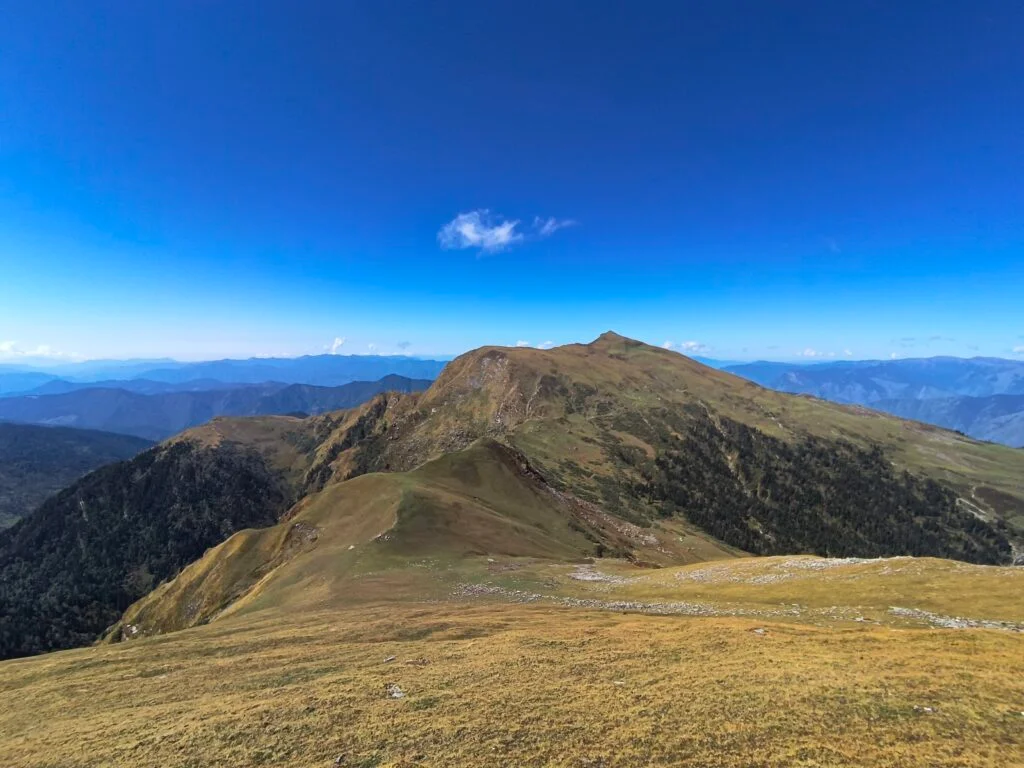
The Ranthan Kharak Trek is a fantastic adventure that takes you on some of the most beautiful ridge walks in Uttarakhand. As you traverse the high-altitude spine of the Himalayas, you’re gifted with unobstructed, panoramic views of snow-draped peaks like Nanda Devi, Trishul, and Maiktoli. Walking along these sky-high trails feels like stepping into a Himalayan dream, where the clouds float below your feet.
2. Thrill of Crossing Ramganga Suspension Bridge
Early in this trek, you can experience the thrill of crossing the Ramganga Suspension Bridge that stretches above the river’s sparkling waters and lush forest on both sides, and marks the beginning of your departure from civilization into wild Himalayan terrain.
3. Rhododendron Blooms
In spring (April to early June), the forest trails burst into color with rhododendron blooms in vibrant shades of red and pink. This floral spectacle is unique to the Himalayan trekking season, which creates a surreal and photogenic landscape, especially around the lower camps and forest ridges.
4. Ranthan Top
At nearly 12,887 ft, Ranthan Top is the trek’s crowning moment. From this viewpoint, trekkers are rewarded with an awe-inspiring 360-degree Himalayan panorama of Nanda Devi, Nanda Kot, Panchachuli, Mriguthuni, and Dang Thayal, which is the result of your strong willpower. It’s the kind of place that stays etched in memory long after the descent.
5. Cultural Immersion
The trail passes through traditional Kumaoni villages like Gogina and Namik, where you can interact with locals, experience authentic mountain hospitality, and glimpse the region’s agrarian lifestyle. This cultural immersion adds depth and warmth to your Ranthan Kharak trek, making it more than just a physical journey.
6. Kharak (Meadow Clearings)
The word ‘Kharak’ means meadow or clearing in Kumaoni language, and you’ll encounter several of these stunning grasslands along the trail. Ideal for camping, these alpine pastures offer open skies, grazing mules, and a sense of vastness that brings peace to every weary trekker’s soul.
7. Balchan Kund
Balchan Kund is a serene, high-altitude lake nestled amid rocky ridges in the Ranthan Kharak trek. Sacred to locals, its clear waters reflect the vast sky, creating a peaceful atmosphere. Surrounded by silence and sweeping views, it offers trekkers a rare moment of stillness and spiritual connection on the Ranthan Kharak trail.
This place is an inspiring legend about a local villager named Balchan who helped the village in a devastating water crisis. He created this water kund (pond) and searched for other hidden sources. Honored for his selfless act, he is worshipped today as Balchan Devta, the guardian who restored life to a dying land.
8. Flora and Fauna
This trail is a haven for biodiversity. Dense forests are home to Himalayan langurs, barking deer, and a variety of bird species. You may even spot Monals, the vibrant state bird of Uttarakhand. The changing elevation zones introduce trekkers to a rich variety of Himalayan flora, from ferns and mosses to medicinal herbs and conifers.
Post-Trek Travel Guide: Ranthan Kharak Trek
After completing the Ranthan Kharak Trek, you’ll be driven back to Kathgodam Railway Station, the drop-off location of the Ranthan Kharak Trek. Our services end here.
Kathgodam train station is the main transit hub for trekkers returning to Delhi, Dehradun, or continuing their journey through Uttarakhand. While your body may be tired, your spirit will still be buzzing with mountain magic, and if you’re not in a rush, there are many ways to relax, explore, and extend your Himalayan adventure.
Ranthan Kharak Trek Drop Point: Kathgodam Railway Station
- Delhi (overnight trains or buses)
- Haldwani (10 mins away, with more lodging and dining options)
- Nainital, Bhimtal, or Mukteshwar for leisure travel or mountain getaways
Things You Can Do After the Ranthan Kharak Trek (from Kathgodam drop point)
- Relax in Bhimtal or Naukuchiatal (30–45 mins away): Unwind by the serene lakes, stay in a cozy guesthouse, or take a boat ride.
- Enjoy a comfort meal in Haldwani or Kathgodam: Reward yourself with fresh North Indian or Kumaoni food before your onward train.
- Visit Mukteshwar (2.5 hrs away): A peaceful ridge town known for orchards, sunrise views, and the Mukteshwar Dham Temple.
- Visit Shri Neeb Karori Baba Ashram, Kainchi Dham (1.5 hrs drive): The most renowned spiritual destination in Nainital attracts devotees from around the world. It is celebrated for its peace and divine energy, and has been visited by notable figures including Steve Jobs, Mark Zuckerberg, and Virat Kohli.
- Stop for shopping in the Haldwani markets: Pick up local sweets, woollens, or souvenirs to take home.
- Spend a day in Nainital (1.5 hrs drive): You can explore the famous Naini Lake, Nainital Mall road, and the ropeway which offers a gentle re-entry into civilization.
Ranthan Kharak Trek Complete Guide
Our mission has always been to ensure that no trekker steps into the Himalayas without the right perspective. A trek is not just a checklist of summits; it is a serious commitment to the outdoors. Having the right information is what separates a reckless climb from a soulful journey.
This section serves as your definitive manual for the Ranthan Kharak Trek. We have distilled years of mountain experience and real-time feedback into this guide to give you a clear, honest picture of the trail.
We provide this depth of information because we want you to be more than just a visitor—we want you to be a prepared, responsible trekker who respects the mountains as much as we do.
Day 1: Drive from Kathgodam Railway Station to Gogina Base Camp
Altitude Gain: 1,818 ft to 6,415 ft | Drive Distance: 235 km | Drive Duration: 10 to 11 hours | Overnight Stay: Homestay/Tents | Pick-up point for Himalayan Hikers trekkers: Kathgodam Railway Station at 6:00 am | Route: Kathgodam → Almora → Bageshwar → Kapkot → Gogina
Reach the Ranthan Kharak Trek Pickup Location, Kathgodam Railway Station, at 6:00 am. The Himalayan Hikers team will receive you there and brief you about the trek. Then the journey begins with a scenic drive from Kathgodam through the Kumaon hills to reach Gogina village, which serves as our base camp for the Ranthan Kharak.
Day 2: Trek from Gogina to Namik Campsite
Altitude loss and gain: 6,415 ft to 5,938 ft to 7,390 ft | Trek distance: 6.5 km | Duration: 6 hours | Trek Difficulty: Easy-moderate | Overnight Stay: Tents, Namik Campsite
The first day of trekking features a sharp descent from Gogina to Ramganga river, followed by a steep ascent through forests to reach Namik village. This day gives trekkers a taste of the varied terrain that characterizes the Ranthan Kharak trek.
Day 3: Trek from Namik Campsite to Bajimanian Kharak
Altitude gain: 7,390 ft to 9,690 ft | Trek distance: 5.4 km | Duration: 6-7 hours | Trek Difficulty: Easy-Moderate | Overnight Stay: Tents, Bajimanian Kharak
Enjoy a gradual ascent through lovely forest sections and experience your first “Kharak” (clearing/meadow). The day’s trek offers beautiful landscapes with moderate effort required.
Day 4: Trek from Bajimanian Kharak to Thal Tok
Altitude gain: 9,690 ft to 11,130 ft | Trek distance: 5 km | Duration: 6-7 hours | Trek Difficulty: Moderate | Overnight Stay: Tents, Thal Tok
The trail features a gradual ascent followed by an exciting ledge walk towards beautiful meadows. The climb intensifies from the meadow as you approach the moraine region of Thal Tok, offering stunning views of the surrounding peaks.
Day 5: Trek from Thal Tok to Namik via Ranthan Top
Altitude gain and loss: 11,130 ft to 7,390 ft by 12,887 ft | Trek distance: 14.2 km | Duration: 11-12 hours | Trek Difficulty: Moderate | Overnight Stay: Tents, Namik Campsite
The most challenging and rewarding day of the trek. Navigate rocky and bouldery terrain with a steep ascent to Ranthan Top (12,887 ft), the highest point of the trek. Enjoy breathtaking panoramic views of Himalayan peaks including Nanda Devi, Nanda Kot, Panchachuli, and Trishul. After soaking in the views, begin a steep descent back to Thal Tok, cross the ledge traverse, and continue a gradual descent to Namik campsite.
Day 6: Trek from Namik to Gogina
Altitude loss: 7,390 ft to 6,415 ft | Trek distance: 6.5 km | Duration: 3-4 hours | Trek Difficulty: Easy-Moderate | Overnight Stay: Tents, Gogina Campsite
Complete the circuit by taking the reverse route from Namik. The day involves a steep descent to the Ramganga suspension bridge, followed by an ascent to Gogina village basecamp. This shorter day allows time to explore the village and rest after the previous day’s long trek.
Day 7: Drive from Gogina to Kathgodam
Drive distance: 235 km | Duration: 10-11 hours | Drop point for Himalayan Hikers trekkers: Kathgodam Railway Station
After breakfast, the Himalayan Hikers team will host a certification and photography session to celebrate completing the Rathan Kharak Trek. Following that, we’ll start our journey back from Gogina village to Kathgodam train station, bringing this incredible Himalayan adventure to a close. You will reach the Ranthan Kharak Trek Drop Location by 8:00 pm, so book your return tickets accordingly.
Day 1
Day 2
Day 3
Day 4
Day 5
Day 6
Day 7
Day 1: Drive from Kathgodam Railway Station to Gogina Base Camp
Altitude Gain: 1,818 ft to 6,415 ft | Drive Distance: 235 km
Drive Duration: 10 to 11 hours | Overnight Stay: Homestay/Tents | Pick-up point for Himalayan Hikers trekkers: Kathgodam Railway Station at 6:00 am | Route: Kathgodam → Almora → Bageshwar → Kapkot → Gogina
Reach the Ranthan Kharak Trek Pickup Location, Kathgodam Railway Station, at 6:00 am. The Himalayan Hikers team will receive you there and brief you about the trek. Then the journey begins with a scenic drive from Kathgodam through the Kumaon hills to reach Gogina village, which serves as our base camp for the Ranthan Kharak.
Day 2: Trek from Gogina to Namik Campsite
Altitude loss and gain: 6,415 ft to 5,938 ft to 7,390 ft | Trek distance: 6.5 km | Duration: 6 hours | Trek Difficulty: Easy-moderate | Overnight Stay: Tents, Namik Campsite
The first day of trekking features a sharp descent from Gogina to Ramganga river, followed by a steep ascent through forests to reach Namik village. This day gives trekkers a taste of the varied terrain that characterizes the Ranthan Kharak trek.
Day 3: Trek from Namik Campsite to Bajimanian Kharak
Altitude gain: 7,390 ft to 9,690 ft | Trek distance: 5.4 km | Duration: 6-7 hours | Trek Difficulty: Easy-Moderate | Overnight Stay: Tents, Bajimanian Kharak
Enjoy a gradual ascent through lovely forest sections and experience your first “Kharak” (clearing/meadow). The day’s trek offers beautiful landscapes with moderate effort required.
Day 4: Trek from Bajimanian Kharak to Thal Tok
Altitude gain: 9,690 ft to 11,130 ft | Trek distance: 5 km | Duration: 6-7 hours | Trek Difficulty: Moderate | Overnight Stay: Tents, Thal Tok
The trail features a gradual ascent followed by an exciting ledge walk towards beautiful meadows. The climb intensifies from the meadow as you approach the moraine region of Thal Tok, offering stunning views of the surrounding peaks.
Day 5: Trek from Thal Tok to Namik via Ranthan Top
Altitude gain and loss: 11,130 ft to 7,390 ft by 12,887 ft | Trek distance: 14.2 km | Duration: 11-12 hours | Trek Difficulty: Moderate | Overnight Stay: Tents, Namik Campsite
The most challenging and rewarding day of the trek. Navigate rocky and bouldery terrain with a steep ascent to Ranthan Top (12,887 ft), the highest point of the trek. Enjoy breathtaking panoramic views of Himalayan peaks including Nanda Devi, Nanda Kot, Panchachuli, and Trishul. After soaking in the views, begin a steep descent back to Thal Tok, cross the ledge traverse, and continue a gradual descent to Namik campsite.
Day 6: Trek from Namik to Gogina
Altitude loss: 7,390 ft to 6,415 ft | Trek distance: 6.5 km | Duration: 3-4 hours | Trek Difficulty: Easy-Moderate | Overnight Stay: Tents, Gogina Campsite
Complete the circuit by taking the reverse route from Namik. The day involves a steep descent to the Ramganga suspension bridge, followed by an ascent to Gogina village basecamp. This shorter day allows time to explore the village and rest after the previous day’s long trek.
Day 7: Drive from Gogina to Kathgodam
Drive distance: 235 km | Duration: 10-11 hours | Drop point for Himalayan Hikers trekkers: Kathgodam Railway Station
After breakfast, the Himalayan Hikers team will host a certification and photography session to celebrate completing the Rathan Kharak Trek. Following that, we’ll start our journey back from Gogina village to Kathgodam train station, bringing this incredible Himalayan adventure to a close. You will reach the Ranthan Kharak Trek Drop Location by 8:00 pm, so book your return tickets accordingly.
Post-Trek Travel Guide: Ranthan Kharak Trek
After completing the Ranthan Kharak Trek, you’ll be driven back to Kathgodam Railway Station, the drop-off location of the Ranthan Kharak Trek. Our services end here.
Kathgodam train station is the main transit hub for trekkers returning to Delhi, Dehradun, or continuing their journey through Uttarakhand. While your body may be tired, your spirit will still be buzzing with mountain magic, and if you’re not in a rush, there are many ways to relax, explore, and extend your Himalayan adventure.
Ranthan Kharak Trek Drop Point: Kathgodam Railway Station
Kathgodam is the nearest major railhead, well-connected to:
- Delhi (overnight trains or buses)
- Haldwani (10 mins away, with more lodging and dining options)
- Nainital, Bhimtal, or Mukteshwar for leisure travel or mountain getaways
Ranthan Kharak Trek Difficulty Level
The Ranthan Kharak Trek difficulty level is rated as moderate difficulty, making it ideal for fit beginners as well as experienced trekkers. The trail involves a mix of gradual ascents, forested paths, ridge walks, and high-altitude sections, with the maximum elevation reaching around 12,887 feet at Ranthan Top, which is the highest point of the Ranthan Kharak trek.
This trek doesn’t require technical mountaineering skills, but it demands good cardiovascular fitness and physical strength for sustained hiking and 6 to 7 hours of average walking per day. The terrain includes forest trails, rocky ridges, and open meadows (kharaks), with some exposed sections along the ridgeline.
Key Difficulty Factors of Ranthan Kharak Trek
- Altitude: Although the elevation is not extreme compared to some treks in Uttarakhand, altitude sickness can still be a concern after 8,000 feet. It’s important to ascend gradually, stay hydrated, and listen to your body.
- Terrain: The trail varies from well-marked forest paths and stone-paved village routes to rocky ridges and exposed meadows. Trekking poles and sturdy trekking shoes are essential gear. Some sections can be slippery during early summer or post-monsoon months.
- Weather: Weather in the Himalayas can shift quickly. Cold nights, especially at higher camps, and sudden rain or snow showers can increase the challenge. Layered clothing and good rain gear are must-haves.
- Remote Location: This is a less-frequented trek, so amenities are limited. There are few shelters or tea houses, and trekkers rely mostly on camping. It’s essential to go with a guided team or ensure proper logistical support.
Is the Ranthan Kharak Trek safe for me?
Yes, the Ranthan Kharak is generally safe for trekkers who are physically fit, well-prepared, and travel with a reliable trekking team. While it is a moderate-level trek, it does not involve technical climbing or dangerous terrain. The trail passes through forested areas, ridgelines, and open meadows, which can become slippery during rain or snow.
However, doing the Ranthan Kharak trek with an organized group can enhance your safety and overall trekking experience. If you are trekking with Himalayan Hikers, then you are in good hands. Because every trekking group of Himalayan Hikers is well organized by experienced guides and professional trek leaders and equipped with proper logistics, camping and trekking gear, high-altitude medical kit, and Oxygen cylinders to ensure your safety.
Emergency Exit Options on the Ranthan Kharak Trek
In case of an emergency, the quickest evacuation route is to descend toward Gogina and continue to Bageshwar, the nearest roadhead. It takes roughly a day to reach either Namik or Gogina. An alternative and shorter exit is available via the ridge trail from Thal Tok, which leads directly to the border of Namik village.
Nearest Hospitals to the Ranthan Kharak Trek
In the event of a medical emergency during the Ranthankharak Trek, the nearest hospital is located in Bageshwar, which serves as the primary access point for basic medical care. For more advanced treatment or specialized facilities, you may need to travel further to Almora or Haldwani, where larger hospitals and better-equipped healthcare centers are available.
At Himalayan Hikers, we prioritize your well-being and are fully prepared to manage emergencies with trained staff, first-aid kits, and evacuation support. However, we believe that safety is a shared responsibility. Your active participation, staying aware, following your trek leader’s guidance, and respecting altitude and terrain challenges, is essential.
With cooperation and preparedness on both sides, we can ensure that your trekking experience is not only safe but also enriching, empowering, and unforgettable.
Best Time to Visit Ranthan Kharak Trek
The Ranthan Kharak Trek in Uttarakhand’s Kumaon Himalayas offers an incredible mix of alpine meadows, ridge walks, and snowy massifs of the Nanda Devi, Panchachuli mountain range. But your trekking experience may vary according to what time of the year you do this trek. The best time to visit Ranthan Kharak trek is from March to June and September to October only. That’s because heavy rainfall during the Monsoon and snowfall during the winter season make the entire trek inaccessible even for professional trekkers.
Spring Awakening (March to April): Best for Snow Lovers & Rhododendron Blooms
Weather: Cold, crisp days; sub-zero nights
Day/Night Temperatures: 10°C (day) to -2°C (night)
Difficulty: Moderate due to snow patches and colder nights
Warm Layers Needed: 4–5 layers
Why Do Ranthan Kharak Trek In Spring?
If you love the snow, then come to Ranthan Kharan in March and April because this is when the Ranthan Kharak trail wakes from its winter slumber. This is the time when Rhododendrons start to bloom. You can see the red ones in the lower regions of Ranthan Kharak and as you climb up, the Rhododendron changes its color from red to pink.
After Thal Tok, you’ll cross snow patches that haven’t yet melted, creating surreal landscapes where forests and snow meet. Perfect for trekkers who want snow without extreme winter conditions, and who enjoy crisp air and early blooms. However, night temperatures can be harsh, so warm layering and a good sleeping bag are essential.
Summer Serenity (May to June): Best for Meadows & Panoramic Views
Weather: Pleasant days, cool nights
Day/Night Temperatures: 15–20°C (day) to 2°C (night)
Difficulty: Easy to Moderate
Warm Layers Needed: 3 layers
Why Do Ranthan Kharak Trek In Summer?
As May arrives, the last of the snow begins to melt near Ranthan Top, revealing expansive alpine meadows and clear, walkable ridgelines. This is a fantastic time for beginners, photographers, and those looking to experience the true Himalayan landscape without snow obstacles. You walk on the stone-paved trails and listen to songs from nearby birds. But there is one particular birdsong that rules the heart of the entire north India. It’s the Indian Cuckoo, a shy bird that sings one of the most beautiful songs, asking another Kaphal Pakya? And if you try to imitate its sound, it gets involved with you.
The days during this time of the year are warmer and the skies are clearer than the spring. As you reach the Ranthan top you get to see astonishingly beautiful panoramas of Nanda Devi, Nanda Kote, Panchachuli, Mrigthuni, Dang Thayal, and more.
Pro Tip: Himlayas are known for their dramatic weather, that’s why make sure to carry a poncho to protect yourself from occasional rainfall.
Autumn Gold (September to October): Best for Clear Skies & Ridge Walks
Weather: Dry, sunny days and cold nights
Day/Night Temperatures: 12–18°C (day) to 0°C (night)
Difficulty: Moderate
Warm Layers Needed: 4–5 layers
Why Autumn season the best time for Ranthan Kharak Trek?
Post-monsoon, the air turns sharp and the skies blaze blue. With lush meadows, dry trails, and unbeatable visibility, autumn is one of the best times to do Ranthan Kharak trek. The ridge walks feel endless under golden skies, and the mountain views stretch for miles.
But the views of the night sky are totally something else. You can see the constellations rolling up behind Nanda Devi and other mountains. “I had a chance to spend a night at Bajimanian Kharak campsite, a New Moon night (Amavas), and boy! That was one of the best nights I had spent under the open starry sky.”
Monsoon and Winter: Not Recommended
- July to August: Trails become muddy and unsafe due to landslides and leeches.
- November to February: Heavy snow, freezing temperatures, and trail closures make this a non-operational season unless you’re part of a winter expedition team.
Whether you’re chasing spring snow, summer sun, or autumn skies, the Ranthan Kharak Trek offers something unforgettable in every recommended season. Choose based on what excites you most from blooming forests, alpine meadows, or dramatic ridgelines.
Month-wise Weather and Trail Conditions
| Month | Temperature Range (Day/Night) | Trail Condition | Recommendation | Special Notes |
|---|---|---|---|---|
| March | 10°C / -2°C | Snow patches, cold mornings | For snow lovers with good cold tolerance | Rhododendrons start blooming; the trail can be slippery at higher altitudes |
| April | 12–15°C / 0°C | Mixed snow and dry trail sections | Great balance of snow and clear skies | Peak bloom season; carry 4–5 warm layers |
| May | 15–18°C / 2°C | Mostly dry with melting snow | Ideal for first-timers and photographers | Alpine meadows begin to open, with clearer ridge views |
| June | 18–20°C / 4°C | Dry and stable | Best for a smooth trekking experience | Warmest month on trail; lighter layers needed |
| July–August | 18–22°C / 6°C | Wet, muddy, and a risk of landslides | Not recommended | Monsoon season, leeches and trail blockages are common |
| September | 15–18°C / 2°C | Dry, post-monsoon freshness | Excellent for clear views and stable weather | Meadows are lush; great time for ridge photography |
| October | 12–16°C / 0°C | Crisp, clear, starting to cool down | Highly recommended for scenic beauty | Early snow may appear near Ranthan Top |
| November | 10°C / -2°C | Snow may begin, and colder nights | For experienced trekkers only | Shorter days, cold camps; final safe window before winter |
| December–Feb | 5–10°C / -5°C to -10°C | Heavy snow and blocked trails | Trek not operational | Trek usually closed; extreme cold and inaccessible routes |
How to Reach Ranthan Kharak Trek Base Camp
The Ranthan Kharak Trek Distance is 38 km, which begins from the scenic and remote village of Gogina, nestled in Uttarakhand’s Bageshwar district. To reach this beautiful but offbeat trailhead, trekkers must first arrive at Kathgodam Railway Station before 6:00 am, one of the main transit hubs for trekking in the Kumaon region. Below is a step-by-step guide to help you plan your journey:
1. Reach Kathgodam Railway Station
The Kathgodam Train station serves as the Ranthan Kharak trek pickup location for trekkers. The Himalayan Hikers, or your chosen trek operator, will arrange transportation from here to the Ranthan Kharak trek base camp at Gogina village.
Pickup Time: You will need to reach Kathgodam Railway Station before 6:00 am. You can arrive in Kathgodam the night before or early morning to avoid delays.
2. How to Reach Gogina Base Camp from Kathgodam
Ranthan Kharak Trek Distance from Kathgodam to Gogina is 235 km, which takes about 10 to 11 hours by road.
- Trek Route: Kathgodam → Almora → Bageshwar → Kapkot → Gogina
- Mode of Transport: Shared jeep or private vehicle arranged by the trek operator
- Road Condition: Mostly hilly and winding roads; scenic views
Pro Tip: Gogina is a remote Himalayan village with limited network connectivity. So, stock up on essentials, and collect sufficient cash from Bageshwar or Kapkot.
3. How to Reach Kathgodam from Delhi
By Air
Nearest Airport to Kathgodam: Pantnagar Airport (70 km from Kathgodam)
Flight Options: Limited flights from Delhi (check updated schedules in advance)
Taxi from Pantnagar to Kathgodam: about 2 hours by cab
Pro Tip: Alternative Option: Delhi Airport (300 km). Most trekkers fly into Delhi Airport and travel to Kathgodam by overnight train or bus.
By Train
Kathgodam Railway Station is well-connected to major cities like Delhi, Lucknow, and Kolkata.
Popular Trains to Kathgodam:
- Ranikhet Express (15013/15014): From Delhi (overnight)
- Kathgodam Shatabdi (12040/12039): From Delhi (morning, faster)
- Uttaranchal Sampark Kranti (15035/15036): From Delhi (afternoon)
Pro Tip: Book tickets early during trekking seasons (March–June, Sept–Oct)
By Road
From Delhi to Kathgodam: Around 300 km (8–9 hrs)
Ranthan Kharak Trek Route by road: Delhi → Moradabad → Rampur → Haldwani → Kathgodam
Vehicle Options:
- Private taxi or shared cab.
- Volvo or Deluxe buses (available from ISBT Anand Vihar, Delhi to Haldwani/Kathgodam).
Haldwani is 5 to 6 km from Kathgodam and has more accommodation and food options.
Pro Tip: Make sure you reach the Himalayan Hikers pickup location (Kathgodam Railway Station) before 6:00 am.
Mobile Connectivity and ATMs for Ranthan Kharak Trek
ATM Availability
The last reliable ATM point is in Bageshwar, which is en route to the Gogina village basecamp. So, make sure to withdraw sufficient cash if you have not done so in Kathgodam or Almora. Because the ATM availability beyond Bageshwar is scarce, and often out of cash.
Mobile Network Connectivity
Staying connected during the Ranthan Kharak Trek can be challenging, as the route takes you deep into remote Himalayan terrain where mobile infrastructure is limited. You will get good network coverage from Kathgodam to Bageshwar. Airtel, Jio, and BSNL work reliably along the highway. But as you leave Bageshwar, the network connectivity becomes highly unreliable.
Network Connectivity During the Trek: Once the trek begins from Gogina base camp, you’ll be largely off the grid. There is no reliable mobile connectivity in most parts of the trail. Occasionally, at higher ridgelines, you may catch a very weak BSNL signal, but it is too inconsistent to rely on for calls or messages.
Pro Tip: Before leaving Bageshwar, inform your family or emergency contacts that you’ll be unreachable during the trek. The Himalayan Hikers Trek leaders usually carry emergency communication equipment such as walkie-talkies or satellite devices for team coordination and critical situations.
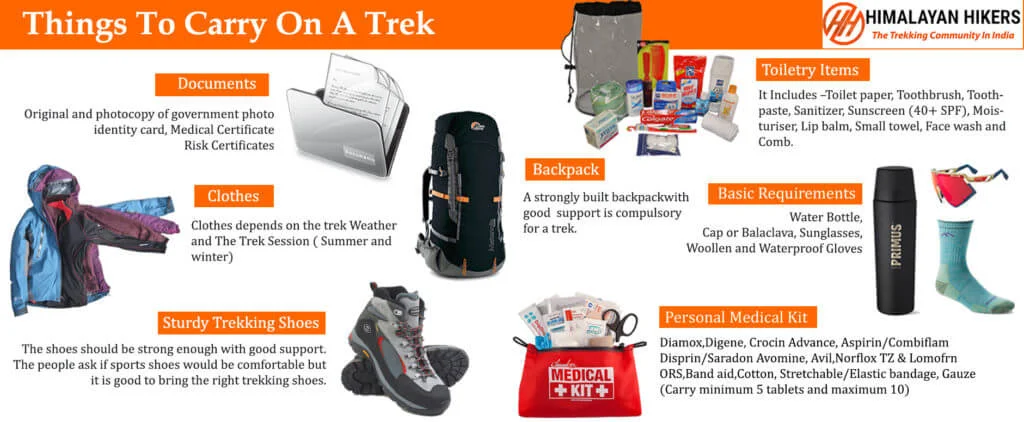
Essential Gear for the Ranthan Kharak Trek Packing List
The Ranthan Kharak Trek is a beautiful high-altitude trek in Uttarakhand that reaches an altitude of around 12,800 ft. The trail passes through dense oak and rhododendron forests, alpine meadows, and offers stunning views of the Kumaon Himalayan peaks. Proper gear and preparation are essential for a safe and comfortable trekking experience.
1. Trekking Gear & Bags
- Main Backpack (50–60 Liters): A durable trekking backpack with strong hip support and a rain cover to protect your belongings from rain.
- Daypack (20 Liters): Useful if you offload your main backpack. Carry essentials like water, snacks, camera, and a light jacket.
- Trekking Poles: Recommended for maintaining balance on steep ascents and descents.
2. Clothing (Layering System)
- Base Layer (2–3 Pairs): Quick-dry thermals (top and bottom) to keep the body warm and dry.
- Mid Layer (2): Fleece jackets or wool sweaters for insulation.
- Outer Layer (1–2): A padded down jacket suitable for temperatures up to -5°C to -10°C.
- Trekking Pants (2): Lightweight, water-resistant trekking pants. Avoid jeans.
- T-shirts (3): Full-sleeve dry-fit t-shirts for sun protection.
3. Footwear & Socks
- Trekking Boots: Waterproof trekking shoes with ankle support and strong grip for forest trails.
- Woolen Socks (3–4 Pairs): For warmth during nights at camps.
- Cotton Socks (3–4 Pairs): For comfortable trekking during the day.
4. Headwear & Accessories
- Sun Cap: Protects your face from strong sunlight.
- Woolen Cap / Balaclava: Keeps your head and ears warm in cold weather.
- Neck Warmer / Buff: Protects against cold wind and dust.
- Gloves: One pair fleece gloves and one pair waterproof gloves.
- Sunglasses: UV-protected sunglasses to protect eyes from glare.
5. Personal Hygiene & Toiletries
- Sunscreen (SPF 50+) and Lip Balm.
- Moisturizer and Hand Sanitizer.
- Toilet paper and biodegradable wet wipes.
- Toothbrush, toothpaste, and a quick-dry towel.
6. Health & First Aid
- Personal Medikit: Band-aids, cotton, crepe bandage, antiseptic lotion.
- Altitude Medicine: Diamox (only after doctor's advice).
- Pain Relief Spray: Volini or Moov for muscle pain.
- Water Purification: Water purification tablets or portable filters.
Quick Tips for a Successful Ranthan Kharak Trek
- Stay Hydrated: Drink at least 3–4 liters of water every day during the trek.
- Battery Care: Cold weather drains batteries quickly. Keep electronic devices warm at night.
- Respect Nature: Carry back all plastic waste and keep the trekking trails clean.
Must-Have Medicines for Ranthan Kharak Trek
1. Altitude & Breathing
- Diamox (Acetazolamide): Helps prevent Acute Mountain Sickness (AMS).
- Camphor: Some trekkers use camphor to help with breathing in thin air.
2. Pain & Inflammation
- Combiflam / Ibuprofen: For muscle pain or body aches.
- Dolo 650: For fever or headaches.
- Volini / Moov Spray: For muscle cramps or knee pain.
3. Digestive Health
- Digene / Pudin Hara: For acidity or stomach discomfort.
- Ondem (Ondansetron): For nausea or vomiting.
- ORS / Electral: Helps prevent dehydration.
4. Respiratory & Cold
- Cough Lozenges: Helps relieve dry mountain cough.
- Cetirizine: For allergies or cold symptoms.
- Avomine: Helps with motion sickness during mountain travel.
5. First Aid Basics
- Band-aids and cotton
- Crepe bandage for ankle support
- Betadine or Dettol antiseptic
- Anti-fungal powder for foot care
Mandatory Documents
- Government Photo ID: Original and photocopy (Aadhar Card, Driving License, or Voter ID).
- Passport & Visa: Mandatory for foreign trekkers.
- Medical Fitness Certificate: Must be signed by a doctor.
- Declaration Form: Required by most trekking organizations.
Note: Avoid carrying unnecessary items that add extra weight to your backpack. The gear required may vary depending on the season. During winter treks carry extra warm layers, while in summer fewer layers are needed.
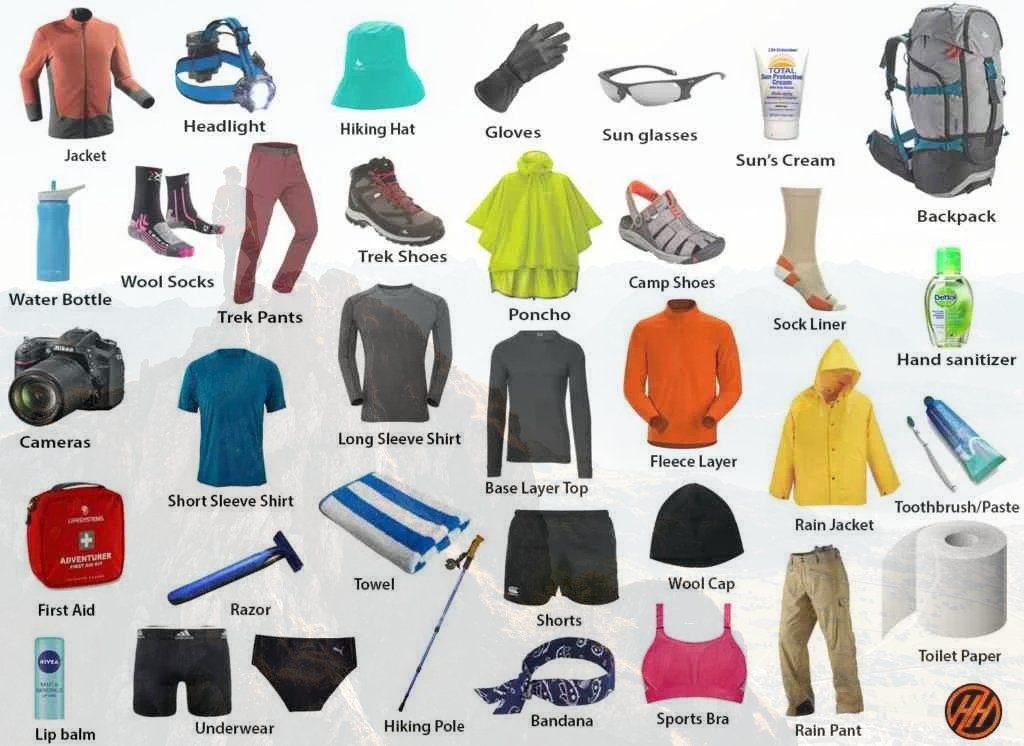
Essential Gear for the Ranthan Kharak Trek – Packing List
1. Trekking Gear & Bags
- Main Backpack (50–60 Liters): Must have good hip support and a rain cover.
- Daypack (20 Liters): Carries water, snacks and a jacket if you offload the main bag.
- Trekking Poles: Recommended for stability on snowy slopes.
2. Clothing (Layering System)
- Base Layer (2–3 Pairs): Quick-dry moisture-wicking thermals.
- Mid Layer (2): Fleece jackets or sweaters for insulation.
- Outer Layer (2): High quality padded down jacket rated for -10°C.
- Trekking Pants (2): Water-resistant and windproof pants. Avoid jeans.
- T-Shirts (3): Full sleeve dry-fit t-shirts.
3. Footwear & Socks
- Trekking Boots: Waterproof boots with good grip.
- Woolen Socks (4 Pairs): For extra warmth during night.
- Cotton Socks (4 Pairs): For trekking during the day.
4. Headwear & Accessories
- Sun Cap: Protection from UV rays.
- Woolen Cap / Balaclava: Must cover ears.
- Neck Warmer / Buff: Protects face from cold winds.
- Gloves: One fleece pair and one waterproof pair.
- Sunglasses: UV protected sunglasses to prevent snow blindness.
5. Personal Hygiene & Toiletries
- Sunscreen (SPF 50+) and Lip Balm
- Moisturizer and Sanitizer
- Toilet paper and Wet wipes
- Toothbrush, Toothpaste and Small towel
6. Health & First Aid
- Personal Medikit: Band-aids, crepe bandage, antiseptic.
- Anti-Altitude Sickness: Diamox (consult doctor first).
- Pain Relief: Volini spray or Moov.
- Water Purification: Tablets or LifeStraw.
Quick Tips for a Successful Trek
- Hydration: Drink 3–4 liters of water daily.
- Batteries: Keep phone and camera batteries inside sleeping bag at night.
- Eco Friendly: Do not leave plastic on the trail.
Must-Have Medicines for Ranthan Kharak Trek
1. Altitude & Breathing
- Diamox: Helps prevent Acute Mountain Sickness.
- Camphor: Helps breathing in thin air.
2. Pain & Inflammation
- Combiflam / Ibuprofen
- Dolo 650
- Diclofenac Gel (Volini / Moov)
3. Digestive Health
- Digene / Pudin Hara
- Ondem (Ondansetron)
- Eldoper / Nor-Metrogyl
- ORS / Electral
4. Respiratory & Cold
- Ascoril / Alex Syrup
- Cetirizine / Okacet
- Avomine
5. First Aid Basics
- Band-aids and Cotton
- Crepe Bandage
- Betadine / Dettol
- Anti-fungal Powder
Mandatory Documents
- Government Photo ID (Aadhar Card, Driving License, Voter ID)
- Passport and Visa (for foreigners)
- Medical Certificate
- Declaration Certificate
Note
Many trekkers carry unnecessary items which make the backpack heavy. Always pack according to the season. In summer carry fewer warm layers and in winter carry enough layers to protect from cold weather.
Why Himalayan Hikers is the Safest Choice for Ranthan Kharak Trek
At Himalayan Hikers, your safety is not just a protocol; it is our heritage. With over 35 years of experience and our roots in Sankri, we provide a level of security that only locals can offer.
1. Elite Safety Standards
- NIM Certified Leaders: Our trek leaders are certified from the Nehru Institute of Mountaineering (NIM). They are experts in high-altitude rescue and wilderness first aid.
- Daily Health Checks: We conduct twice-daily health screenings using Oximeters and BP Monitors to track oxygen saturation and pulse rate.
- Emergency Oxygen & Medical Kits: Every trekking batch carries portable Oxygen Cylinders and a comprehensive medical kit with high-altitude medicines.
- Technical Safety Gear: We provide high-quality Micro-spikes (Crampons) for grip on icy snow and Gaiters to prevent snow entering your boots.
2. Premium Accommodation (Hotels & Tents)
- Basecamp Stay – Instead of crowded guest houses, trekkers stay in Himalayan Hikers Hotel / Homestay in Sankri with clean rooms and warm Garhwali hospitality.
- High-Altitude Camping: We use Premium 4-Season Tents that are designed to withstand heavy snowfall and strong Himalayan winds.
- Insulated Bedding: Trekkers receive high-quality sleeping bags rated for extreme temperatures and thick foam mats to ensure comfortable sleep even at -10°C.
3. Reliable Transport Services
- Kathgodam Railway Station Pickup: We provide pickup and drop services from Kathgodam Railway Station.
- Safe Mountain Driving: Our drivers are local experts who know how to safely navigate the winding Himalayan mountain roads.
- Vehicle Fleet: Comfortable and well-maintained vehicles such as Tempo Traveller and Ertiga taxis ensure a smooth 8–10 hour journey to the base camp.
4. Nutritious & Fresh Meals
We provide three healthy meals daily along with snacks and hot soup. Our menu includes a variety of delicious and nutritious dishes such as Indian, Chinese, and Western meals.
- Special Meals: Veg food, Jain food, and Egg options are available.
- Fresh Fruits: Daily fruits help maintain your energy levels during the trek.
- Hygiene First: Our kitchen team follows strict hygiene standards and provides boiled or filtered drinking water at all campsites.
What is Included in Ranthan Kharak Trek Packages?
- Transport from Kathgodam to Kathgodam
- Forest Permit and entrance fee
- Experienced Trek Leader, Local guide
- Accommodation in tents on a twin/three-share basis
- Sleeping bags, Mattress, Liner
- All meals: Breakfast, Lunch, Tea, Coffee, Snacks, Soup and Dinner
- Dining Tent, Dining Table, Helper, Kitchen team
- Separate Bio Toilet tents – Ladies and Gents
- Radio Walkie-Talkie for Communication
- Medical Kit
What is Excluded in Ranthan Kharak Trek Packages?
- Personal Insurance
- Medical Certificate if you Age 50 and above
- Personal toiletry Items and Personal Medicine kit
- On the first day, En Route to base camp Breakfast and Lunch are Not Included
- Last day, En Route Lunch and Dinner are Not Included
Important Note
Himalayan Hikers – Provided Food During The Ranthan Kharak Trek
We serve 5 meals daily, including Breakfast, Lunch, Evening Snacks, Soup, and Dinner. A variety of delicious and healthy food is provided, which includes Indian, Chinese and other Western meals. They are nutritious and keep you fit and healthy on the trek. (Veg or non-veg food) With our local food and Day Pack.
Note:- This is only a list of the Himalayan Hikers Team or Cook to provide you with more healthy food and more items per day menu.
Nutritional Food For Our Trekkers
Also, the type of food provided during a trek can vary depending on factors like the location, duration, and the trekking company or organization you’re with. However, some common types of food are often included in trekking provisions:
- Carbohydrates: Foods high in Carbohydrates provide energy for the trek. This includes items like rice, pasta, bread, potatoes, etc.
- Proteins: Protein-rich foods help with muscle repair and recovery. Common protein sources include lentils, beans, tofu, meat (if available), eggs, and dairy products.
- Fruits and Vegetables: These provide essential vitamins, minerals, and fiber. While fresh produce may not always be available, dried fruits and vegetables or canned options might be included.
- Snacks: Trekking often involves long hours of physical exertion, so snacks are important for quick energy boosts. Snacks like nuts, energy bars, trail mix, and chocolate are common choices to boost your energy level.
- Local Cuisine: Depending on the region you’re trekking in, you might also get the chance to sample traditional dishes. This can be a delightful way to experience the culture and flavors of the area.
Map not available for this trek.
The best seasons are May to June (spring) and September to early November (post-monsoon) when weather conditions are stable and views are clear.
The trek is rated as moderate difficulty. It’s suitable for beginners with good fitness levels as well as experienced trekkers. Day 5 is the most challenging with a 14.2 km distance and significant elevation change.
The total trekking distance is approximately 38 km, spread over 5 trekking days.
Himalayan Hikers recommends an age range of 12 to 62 years for this trek, though exceptions can be made based on fitness levels and previous trekking experience.
Yes, with adequate physical preparation and basic fitness. However, having some prior trekking experience, even on easier trails, would be beneficial
No, there are no ATMs on the trail, and network connectivity is extremely limited. It’s advisable to carry sufficient cash and inform family about limited connectivity before departing.
When booking with Himalayan Hikers, sleeping bags and mattresses are provided as part of the package. However, you may bring your own if you prefer.


.webp)


