


Highlights of the Trek
Start the trip with two days of acclimatization and sightseeing in Leh to prepare for the high-altitude trekking experience.
The trekking trail passes through a dry cold desert region with very little vegetation, yet it is home to unique high Himalayan wildlife.
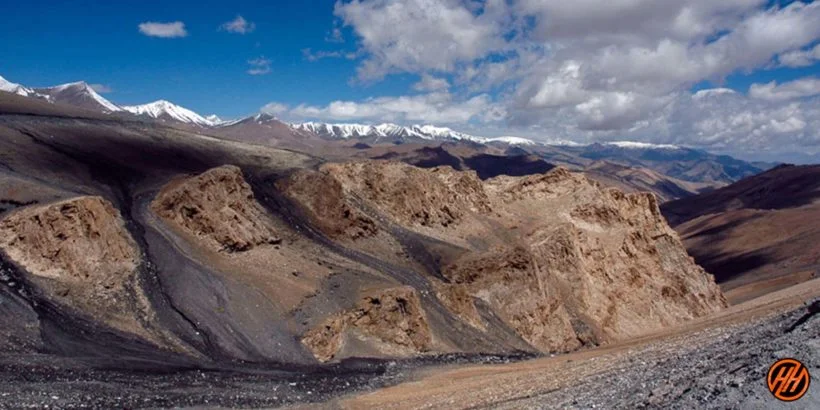
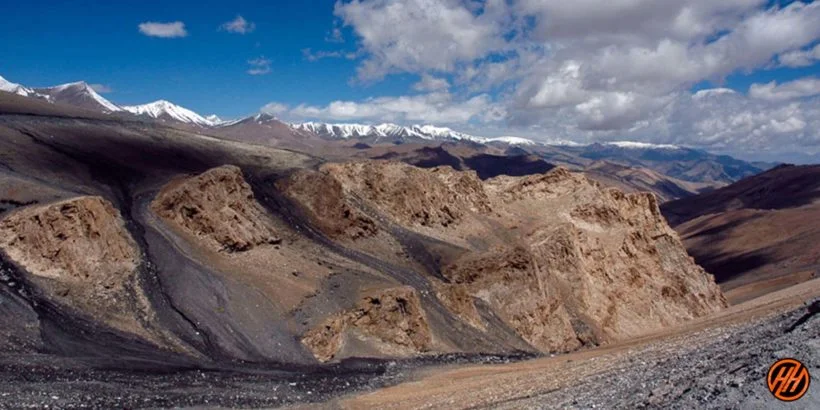
After crossing Digar La, descend into the Nubra Valley which offers magnificent views of the Karakoram Range.
Enjoy a scenic drive to Hunder and Pangong Tso via high mountain passes like Wari La and Chang La.
Get Amused by the Views of Digar La, Nubra and Pangong Tso
From the top of Digar La, witness breathtaking panoramic views of the Stok Range, Karakoram Range, and the majestic Saser Kangri peaks.
Pangong Tso is the largest high-altitude lake in Ladakh and lies along the India–China border.
Half of Pangong Tso lies in India while the other half extends into China. Spend leisure time walking along its banks and soaking in the serene surroundings.
Key Points of Digar La Nubra Pangong Tso Trek
- Level: Moderate
- Proper conditioning and physical training are required
- Need proper gear and clothing for sub-zero temperatures
- Shoes are the single most important equipment
- High altitude requires proper acclimatization
- Carry good photography gear with extra battery backup
- Travel light
- The backpack should not exceed 10 kgs
Digar La with Nubra And Pangong Tso Trek Complete Guide
Our mission has always been to ensure that no trekker steps into the Himalayas without the right perspective. A trek is not just a checklist of summits; it is a serious commitment to the outdoors. Having the right information is what separates a reckless climb from a soulful journey.
This section serves as your definitive manual for the Digar La with Nubra And Pangong Tso Trek. We have distilled years of mountain experience and real-time feedback into this guide to give you a clear, honest picture of the trail.
We provide this depth of information because we want you to be more than just a visitor—we want you to be a prepared, responsible trekker who respects the mountains as much as we do.
Day 1 – Reach Leh (3500 m)
Arrive at Leh, the capital of Ladakh. This day is kept free for complete rest to help your body adjust to the altitude. Avoid any physical exertion. Overnight stay in a hotel at Leh.
Day 2 – Acclimatization Day
This day is reserved for acclimatization. You may explore nearby attractions around Leh such as local markets and monasteries. Staying active but relaxed helps in better altitude adaptation. Overnight stay in Leh.
Day 3 – Drive from Leh to Saboo (3900 m) and Trek to Saboo Phu (4200 m)
After breakfast, drive from Leh to Saboo village. From here, start your trek towards Saboo Phu. The trail gradually ascends through barren landscapes and mountain streams. Reach Saboo Phu campsite by evening and rest overnight.
Day 4 – Saboo Phu to Digar La Base (4850 m) – 5 km
Today’s trek is relatively short but involves gradual ascent. Walk through rocky terrain and alpine surroundings to reach the base camp of Digar La. Set up camps and spend the rest of the day resting to prepare for the summit crossing.
Day 5 – Digar La Base to Digar La (5432 m) and Descend to Chumik Yokma (4650 m) – 12 km
Start early for the most challenging day of the trek. Climb steadily to reach Digar La, which offers breathtaking views of the Karakoram and Stok ranges. After spending some time at the pass, begin a long descent to Chumik Yokma. Overnight stay in tents.
Day 6 – Chumik Yokma to Digar (3950 m) – 7 km | Drive to Hunder (3200 m) – 70 km
Trek downhill through scenic Nubra Valley to reach Digar village. From here, drive to Hunder, famous for its sand dunes and scenic landscapes. Reach the campsite or guesthouse and relax overnight.
Day 7 – Hunder to Wari La (5300 m) – Chag La (5360 m) – Pangong Tso (4400 m) – 240 km
Enjoy a long yet scenic drive crossing high mountain passes like Wari La and Chag La. The journey offers stunning views of rugged mountains and vast landscapes. Reach Pangong Tso by evening and spend leisure time near the lake.
Day 8 – Pangong Tso to Chang La and Leh – 230 km
Wake up early to witness the magical colors of Pangong Tso. After breakfast, drive back to Leh via Chang La. Reach Leh by evening marking the end of this adventurous trek.
Day 1
Day 2
Day 3
Day 4
Day 5
Day 6
Day 7
Day 8
Day 1 – Reach Leh (3500 m)
Leh is the base camp for the trek. Reaching Leh by road takes a considerable amount of time, so it is recommended to board a flight and reach directly. Upon arrival, arrangements will be made at a comfortable hotel. The rest of the day is reserved for rest and acclimatization.
Day 2 – Dalhousie to Kalatop – Khajiyar – Chamba (55 km)
After breakfast, begin your scenic drive from Dalhousie towards Kalatop, a dense forest area known for its tranquil surroundings and panoramic views of the Himalayas. Spend some time enjoying the peaceful environment and natural beauty.
Continue your journey to Khajiyar, often referred to as the “Mini Switzerland of India,” famous for its lush green meadows and breathtaking landscapes. After exploring Khajiyar, proceed towards Chamba.
On arrival in Chamba, check in to your hotel. Spend the evening at leisure exploring the local markets or relaxing by the river. Overnight stay in Chamba.
Day 3 – Drive from Leh to Saboo (3900 m) and Trek to Saboo Phu (4200 m)
After breakfast, drive from Leh to Saboo village. Saboo is a quaint rural settlement of Ladakh, set amidst an idyllic landscape and surrounded by barren mountains.
Drive through the village to reach the trek trailhead. From here, begin the trek by crossing a small bridge and walking through wide grazing pastures used by local herders.
After trekking for around 3 km, reach Saboo Phu, a beautiful alpine grazing ground that is actively used during the summer months. Set up camps here, enjoy the serene surroundings, and retire for the night.
Day 4 – Saboo Phu to Digar La Base (4850 m) | Distance: 5 km
After an early breakfast, begin your trek from Saboo Phu towards the base camp of Digar La. The trail gradually ascends through open valleys and offers splendid views of the towering Stok Range and the vast high-altitude landscapes surrounding you.
As you progress, the scenery becomes more dramatic with barren slopes and expansive mountain vistas. Reach the Digar La base camp, which is located at the confluence of two valleys on a wide knoll.
The prayer flags visible towards the right mark the Digar La pass, which will be crossed the following day. Set up your camps here, rest well, and prepare for the challenging pass crossing ahead.
Day 5 – Digar La Base to Digar La (5432 m) and Descend to Chumik Yokma (4650 m) | Distance: 12 km
Begin the day early with a gradual walk of about 2 km from the base camp. From this point, the steep ascent to Digar La begins. This section is strenuous and demanding, but the trail is clearly marked.
As you climb higher, keep an eye out for Himalayan wildlife. With a bit of luck, trekkers may spot Tibetan wolves or even the elusive snow leopard in this remote terrain.
Upon reaching Digar La, take time to soak in the breathtaking panoramic views of the Stok Range, Karakoram Range, and Saser Kangri. This high pass offers one of the most rewarding viewpoints of the entire trek.
After spending some time at the pass, begin the long descent into the Nubra Valley, widely regarded as one of the most picturesque regions of Ladakh.
Reach Chumik Yokma, a vast open meadow surrounded by mountains. Set up your camps here, relax, and retire for the night after a challenging yet memorable day.
Day 6 – Chumik Yokma to Digar (3950 m) | Distance: 7 km, Drive to Hunder (3200 m) | 70 km
Today marks the last day of trekking. After breakfast, begin the easy and gradual descent from Chumik Yokma to Digar village. The trail is short and comfortable, passing through scenic valley landscapes.
Upon reaching Digar, vehicles will be arranged for the onward journey to Hunder, located in the upper region of the Nubra Valley. The drive offers beautiful views of the surrounding mountains and riverbeds.
On arrival at Hunder, check in to a homestay or guesthouse. Spend the evening relaxing and experiencing the unique culture of the Nubra Valley. Overnight stay at Hunder.
Day 7 – Hunder to Wari La (5300 m) – Chag La (5360 m) – Pangong Tso (4400 m) | Distance: 240 km
After breakfast, begin a long yet scenic drive from Hunder towards Pangong Tso, crossing some of the highest motorable mountain passes in Ladakh. The route takes you over Wari La and Chag La, offering dramatic views of rugged Himalayan landscapes.
As you ascend and descend these high passes, enjoy panoramic vistas of barren mountains, winding roads, and vast open valleys that define the beauty of Ladakh.
Arrive at Pangong Tso, the largest high-altitude lake in Ladakh, located along the India–China border. The lake is famous for its changing shades of blue and surreal surroundings. Half of the lake lies in India, while the remaining portion extends into China.
Spend your leisure time walking along the banks of Pangong Tso and soaking in the tranquil atmosphere. Accommodation arrangements will be made in a homestay or guesthouse near the lake. Overnight stay at Pangong Tso.
Day 8 – Pangong Tso to Chang La and Leh | Distance: 230 km
After breakfast, bid farewell to the serene surroundings of Pangong Tso and begin your return journey to Leh. The drive takes you across the high mountain pass of Chang La, one of the highest motorable passes in the world.
Enjoy the stunning views along the route as you descend towards Karu, passing through dramatic landscapes and winding mountain roads.
Continue the drive from Karu to Leh, marking the end of this adventurous trek and expedition. On arrival in Leh, check in to your hotel and relax after an unforgettable journey through the high Himalayas.
Difficulty Level – Digar La with Nubra Valley & Pangong Tso Trek
The Digar La trek, along with Nubra Valley and Pangong Tso, is considered a moderate to difficult trek. This means it is not very easy, but it is also not extremely hard if you are physically fit. The main reason for its difficulty is the high altitude. The trek goes above 5,300 meters at Digar La Pass, where oxygen levels are low, and your body may feel tired quickly. Because of this, proper acclimatization in Leh is very important before starting the trek.
During the trek, you will walk for around 5 to 7 hours every day on mountain trails that can be rocky, uneven, and sometimes steep. The weather in Ladakh can also be unpredictable, with cold winds and sudden changes in temperature, which can make the trek more challenging. There are limited facilities on the route, so you need to be mentally prepared for basic living conditions.
This trek is suitable for fit beginners and experienced trekkers. If you have good stamina, can walk long distances, and prepare well before the trek, you can complete it comfortably. However, people with no fitness preparation may find it difficult. Overall, the trek is challenging but also very rewarding, offering beautiful views of mountains, valleys, and high-altitude lakes.
Best Time to Visit – Digar La with Nubra Valley & Pangong Tso Trek
The best time to do the Digar La trek along with Nubra Valley and Pangong Tso is from June to September. During these months, the weather in Ladakh is relatively stable, the skies are mostly clear, and the trekking routes are accessible. The snow at higher passes like Digar La melts enough to allow safe crossing, making it ideal for trekking.
In June and early July, you may still find some snow at higher altitudes, which adds to the beauty of the trek. July and August offer pleasant daytime temperatures and greener valleys, making it the most comfortable time for trekking. September is also a great time, with clear skies, fewer crowds, and stunning mountain views.
It is not recommended to do this trek during winter (October to May) as the region experiences heavy snowfall, extreme cold, and blocked routes. Many areas become inaccessible, and the conditions can be risky for trekking.
Overall, planning your trek between June and September ensures a safer and more enjoyable experience with the best views of Ladakh’s high-altitude landscapes.
How to Reach – Digar La with Nubra Valley & Pangong Tso Trek
The starting point for the Digar La trek is Leh, the main town of Ladakh. Leh is well connected by air, while road access is seasonal. Reaching Leh is the first step before beginning your trekking journey.
By Air
The easiest and fastest way to reach Leh is by flight. Kushok Bakula Rimpochee Airport in Leh is well connected to major cities like Delhi, Mumbai, and Srinagar. Regular flights operate throughout the year, and the journey offers stunning aerial views of the Himalayas.
By Road
Leh can also be reached by road, which is a popular option for adventure travelers. There are two main routes:
- Manali to Leh Highway: Open from June to September, this route offers breathtaking views of high mountain passes.
- Srinagar to Leh Highway: Usually opens earlier (May to October) and is considered easier for gradual altitude gain.
By Train
There is no direct railway station in Leh. The nearest major railway station is Jammu Tawi. From there, you can travel by road to Leh via Srinagar.
After reaching Leh, you will need to spend at least 1–2 days for acclimatization before starting the trek. From Leh, the trek starting point (Skiu or nearby village) is accessible by road.
What to Pack (Things to Carry) – Digar La with Nubra Valley & Pangong Tso Trek
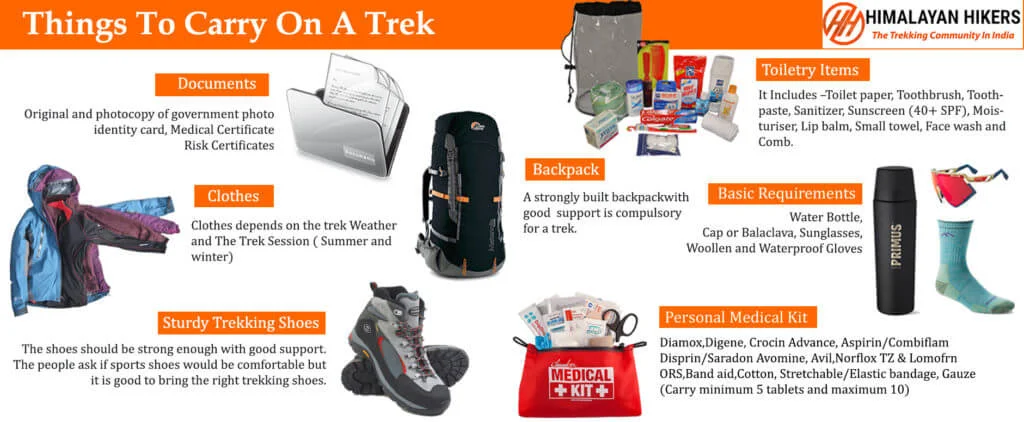
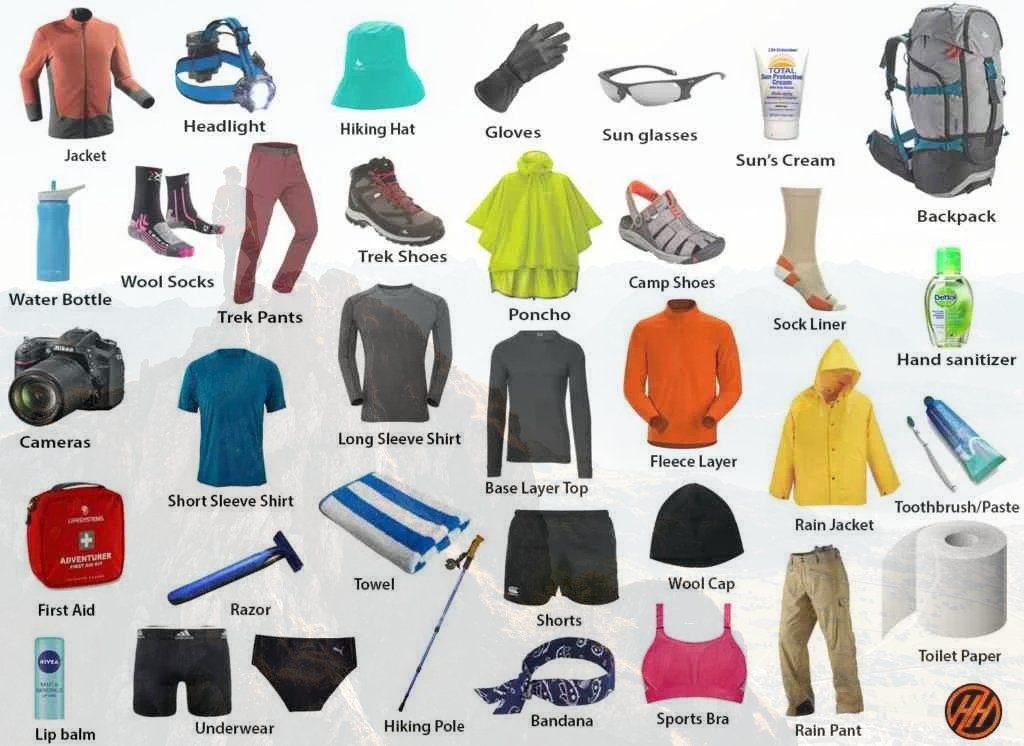
Packing smartly is very important for this trek as you will be traveling in high-altitude and remote regions. Carry only essential items and keep your backpack light (8–10 kg recommended).
Clothing
- Thermal innerwear (top & bottom)
- Quick-dry T-shirts (2–3)
- Fleece jacket
- Down jacket (for cold nights)
- Waterproof/windproof jacket
- Trekking pants (2 pairs)
- Warm cap, sun cap, and gloves
- Woolen socks and regular socks
Footwear
- Good quality trekking shoes (already used/broken-in)
- Slippers/flip-flops for campsite
Bags
- Backpack (50–60L)
- Daypack (20–30L)
- Rain cover for bags
- Dry bags/plastic liners
Trekking Gear
- Sleeping bag (if not provided)
- Trekking poles
- Headlamp/torch with extra batteries
- UV-protected sunglasses
Personal Items
- Sunscreen (SPF 50+)
- Lip balm (with SPF)
- Moisturizer
- Toiletries (toothbrush, toothpaste, towel)
- Wet wipes and hand sanitizer
Medical Kit
- Personal medicines
- Basic first aid kit
- Medicine for altitude sickness (consult doctor)
- Pain relief tablets and ORS
Food & Hydration
- Energy bars, chocolates
- Dry fruits
- Water bottles (2 liters minimum)
- Thermos (optional)
Documents & Misc
- ID proof
- Cash (no ATMs in remote areas)
- Power bank
- Camera (optional)
Always pack light, avoid unnecessary items, and make sure everything is organized properly. Proper packing will make your trek more comfortable and enjoyable.
How to Prepare for the Digar La Trek
Proper preparation is very important for the Digar La trek as it involves high altitude, long walking hours, and remote conditions. Preparing your body and mind in advance will make your trek safer and more enjoyable.
Physical Fitness
Start your fitness routine at least 4–6 weeks before the trek. Focus on building stamina and strength. Include activities like running, brisk walking, cycling, and stair climbing. You should be able to walk 8–10 km comfortably. Add strength exercises like squats and lunges to prepare your legs for uphill climbs.
Acclimatization
Since the trek is at high altitude, acclimatization is very important. Spend at least 1–2 days in Leh before starting the trek. Drink plenty of water, avoid alcohol, and move slowly. This helps your body adjust to low oxygen levels and reduces the risk of altitude sickness.
Gear Preparation
Make sure you have all the necessary trekking gear. Use comfortable trekking shoes and break them in before the trek to avoid blisters. Pack light but carry all essentials like warm clothes, rain protection, and personal items.
Diet & Hydration
Maintain a healthy diet before and during the trek. Eat balanced meals with good carbohydrates and protein. Stay hydrated at all times as it helps your body perform better at high altitude.
Health & Safety
Consult your doctor before the trek, especially if you have any medical conditions. Carry a basic medical kit and necessary medicines. Learn about symptoms of altitude sickness like headache, nausea, and dizziness, and inform your guide if you feel unwell.
Mental Preparation
Trekking at high altitude can be physically and mentally challenging. Be prepared for basic facilities, long walking days, and changing weather. Stay positive, patient, and enjoy the journey.
With proper preparation, you can complete the Digar La trek safely and fully enjoy the beautiful landscapes of Ladakh.
Safety with Himalayan Hikers
Your safety is the top priority with Himalayan Hikers. The team follows proper safety measures and protocols to ensure a secure and comfortable trekking experience, especially in high-altitude regions like Ladakh.
Experienced Trek Leaders
All treks are led by experienced and trained trek leaders who are familiar with the route, weather conditions, and emergency handling. They continuously monitor trekkers’ health and guide the group throughout the journey.
Medical & Emergency Support
Leaders carry a complete first aid kit and essential medical supplies. Oxygen cylinders are available for high-altitude emergencies. The team is trained to handle altitude sickness and provide immediate assistance when needed.
Safe Campsites & Equipment
Campsites are carefully selected for safety and comfort. High-quality tents, sleeping arrangements, and hygienic food preparation are ensured during the trek.
Weather & Route Monitoring
Weather conditions are monitored regularly. The itinerary may be adjusted if required to ensure safety. Risky routes are avoided during bad weather conditions.
Group Safety
A strict group policy is followed where no trekker is left behind. Regular headcounts and a buddy system ensure everyone’s safety during the trek.
Important Safety Guidelines
- Follow instructions given by trek leaders at all times
- Inform immediately if you feel unwell
- Stay with the group and avoid walking alone
- Keep yourself hydrated and maintain energy levels
With proper planning, trained staff, and safety measures, Himalayan Hikers ensures a safe and enjoyable trekking experience for all participants.
Inclusions – Digar La with Nubra Valley & Pangong Tso Trek
| Category | Detail |
|---|---|
| Accommodation | Tents/Camps during trek, Hotel stay in Leh (as per itinerary) |
| Meals | All meals during trek (vegetarian) |
| Guides & Staff | Experienced trek leader, local guides, and support staff |
| Permits & Documentation | All trekking permits and permissions |
| Safety & Medical | First aid kit, basic medical support, oxygen cylinder for emergencies |
| Trekking Gear | Tents, sleeping bags, and common equipment |
| Transport | Transfer from Leh to trek start point and back (if included) |
Exclusions – Digar La with Nubra Valley & Pangong Tso Trek
| Category | Details |
|---|---|
| Travel | Flights, trains, or bus to/from Leh |
| Personal Expenses | Shopping, snacks, tips |
| Meals | Meals in Leh (unless mentioned) |
| Porter & Gear | Personal porter charges, personal trekking gear (shoes, jackets, backpack) |
| Insurance & Emergency | Travel insurance, emergency evacuation charges |
| Other | Any additional services not mentioned in inclusions |
Important Note
Important Notes – Digar La with Nubra Valley & Pangong Tso Trek
- Acclimatization is crucial. Spend at least 1–2 days in Leh before starting the trek to prevent altitude sickness.
- The trek involves high-altitude passes, remote trails, and long walking hours. Physical fitness and stamina are required.
- Weather in Ladakh can change suddenly. Carry warm and waterproof clothing at all times.
- Mobile network is limited during the trek. Do not rely on connectivity for emergencies.
- Follow instructions of trek leaders and guides strictly for safety, especially during river crossings or steep sections.
- Keep your belongings light. Recommended backpack weight is 8–10 kg for personal items.
- Drinking water should be purified. Carry enough water bottles and hydration packs.
- Respect local culture, environment, and wildlife. Avoid littering and follow “Leave No Trace” principles.
- Carry valid ID and permits required for travel in restricted areas of Ladakh.
- This trek is suitable for physically fit beginners and experienced trekkers; consult a doctor if you have medical conditions.
Map not available for this trek.
The trek is moderate to difficult due to high altitude, long trekking hours, and remote terrain.
The best time is from June to September when the weather is stable and routes are accessible.
Not mandatory, but good fitness and some trekking experience are highly recommended.
The highest point is Digar La Pass at around 5,300 meters.
Yes, due to high altitude. Proper acclimatization and hydration are very important.
Mobile network is available in Leh but mostly unavailable during the trek.
Tents are provided during the trek, and hotels are arranged in Leh.
Simple, nutritious vegetarian meals are provided during the trek.
Yes, but it is recommended to join a group trek for better safety and support.
Yes, Inner Line Permits (ILP) are required and usually arranged by the trek organizer.


