
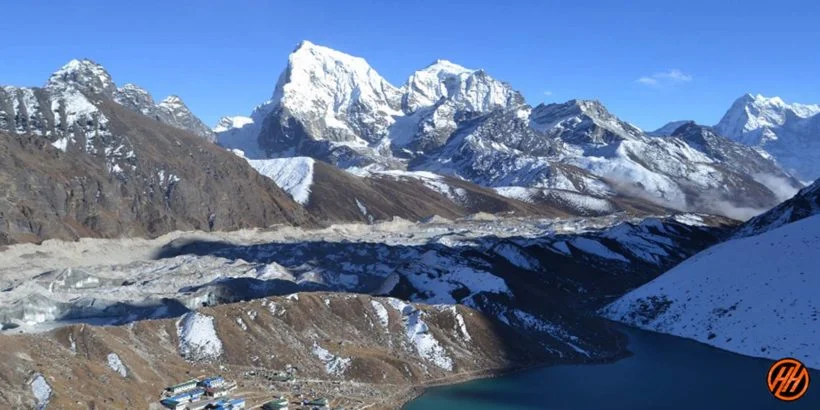


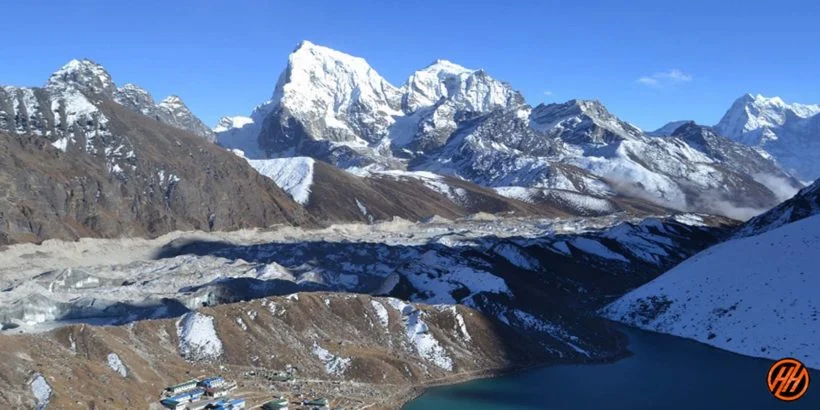
About Darcha Padum Trek
This small village is perched at an altitude of 3360 m in Lahaul and Spiti district on the Manali Leh route. There are many dry stone huts and tent camps too with some modern infrastructure like telephone, power connections and schools.
Darcha is a gateway to Darcha Padum trek and a great stopover for trekkers.
Grab the Opportunity to Explore the Darcha Padum Trek
Pass through barren lands, wide meadows and witness flowing rivulets and scenic valleys.
The Darcha Padum trek gives you the opportunity to explore the heritage sites like Phuktal Monastery which lies on side of a hill and is a masterpiece of architectural skills.
Key Points of Darcha Padum Trek
Level: Difficult
Proper conditioning & training of body required
Need proper gear & clothing for sub-zero temperature
Shoes are the single most important equipment.
High Altitude requires proper acclimatization.
Beautiful landscapes so carry good photo gear & Extra battery backup.
Travel light
The backpack should not exceed 10 kg.
Must Read about Darcha Padum Trek
Duration – 9 days
Best Time – July, August, and September
Level – Difficult
Highest point – 5090 m
Weather – Nights are cold and day temperature is pleasant during the season.
Temperature – Day (20°C to 30°C) Night (5°C to 10°C)
Starting point – Manali
Darcha Padum Trek Complete Guide
Our mission has always been to ensure that no trekker steps into the Himalayas without the right perspective. A trek is not just a checklist of summits; it is a serious commitment to the outdoors. Having the right information is what separates a reckless climb from a soulful journey.
This section serves as your definitive manual for the Darcha Padum Trek. We have distilled years of mountain experience and real-time feedback into this guide to give you a clear, honest picture of the trail.
We provide this depth of information because we want you to be more than just a visitor—we want you to be a prepared, responsible trekker who respects the mountains as much as we do.
Day1 – Manali to Sissu via Rohtang Pass
Day2 – Drive from Sissu to Chumik Nakpo (4640 m) 6 hours)
Day3 – Rest Day
Day4 – Chumik Nakpo to Shingo La (5090 m) Shingo La to Lakhang (4470 m) (6/7 hours)
Day5 – Lakhang to Kargiak River (4050 m) (5/6 hours)
Day6 – Kargiak to Tangtze (3950 m) (7 hours)
Day7 – Tangtze to Phuktal Gompa (3500 m) (2 hours)
Day8 – Phuktal to Hanmu village (3650 m) and Drive to Darcha Padum (6/7 hours)
Day9 – Departure to Leh
Day 1
Day 2
Day 3
Day 4
Day 5
Day 6
Day 7
Day 8
Day 9
Day 1: Manali to Sissu via Rohtang Pass
The vehicle will be arranged from Manali and the departure will be to Sissu. The journey is through Rohtang Pass and winding roads. En route witness the mesmerising beauty of Sorang Nalla.
Reach Sissu, your campsite for today and relax for the day.
Day 2 : Drive from Sissu to Chumik Nakpo (4640 m) (6 hours)
Post breakfast, depart from Sissu and enjoy the drive through galvanizing Lahaul and Spiti famous for apple and potato orchards. Pass through beautiful towns of Keylong and Jispa en route.
Reach Chumik Nakpo and settle for the day.
Day 3 : Rest Day
Today at Chumik Nakpo, explore the surroundings, acclimatize and enjoy the night stay in tents.
Day 4 : Chumik Nakpo to Shingo La (5090 m) Shingo La to Lakhang (4470 m) (6/7 hours)
Start the day young because the ascent to Shingo La pass is steep and strenuous. Just before you reach the top get excellent views of glacier and prayer flags swaying with the wind.
Descend gradually and enjoy staying in camps at Lakhang.
Day 5 : Lakhang to Kargiak River (4050 m) (5/6 hours)
Today, descend gradually along the Kargiak River. The trail becomes impressive because of Mani Walls which are of great significance to the Buddhists.
Pass along the pasturelands where Yaks graze in summers. Reach the campsite and retire for the night.
Day 6 : Kargiak to Tangtze (3950 m) (7 hours)
The trail form Kargiak to Tangtze is going to be the most picturesque one bordered by wide meadows and Barley fields.
Get insight of lifestyle in the Zanskar valley and witness Stupas (Chortens) on the way. Reach your campsite Tangtze and retire for the night.
Day 7: Tangtze to Phuktal Gompa (3500 m) (2 hours)
Today the trek is from Tangtze to ancient Phuktal Monastery. It is located on side of a hill and is a masterpiece in architecture. Today spend stay at this monastery and have get a taste of the lifestyle of the monks living here.
Day 8 : Phuktal to Hanmu village (3650 m) and Drive to Darcha Padum (6/7 hours)
Bid adieu to Phuktal Monastery and head towards Hanmu village by trekking along the Tserap River through Cha village.
From Hanmu the journey starts to Padum in the arranged vehicle. Today visit Mune and Barden Monasteries and on reaching Padum rest in a hotel.
Day 9 : Departure to Leh
Darcha Padum trek ends here. Carry memories with you and depart to Leh.
No difficulty level available.
No best time available.
No How to Reach the Base Camp available.
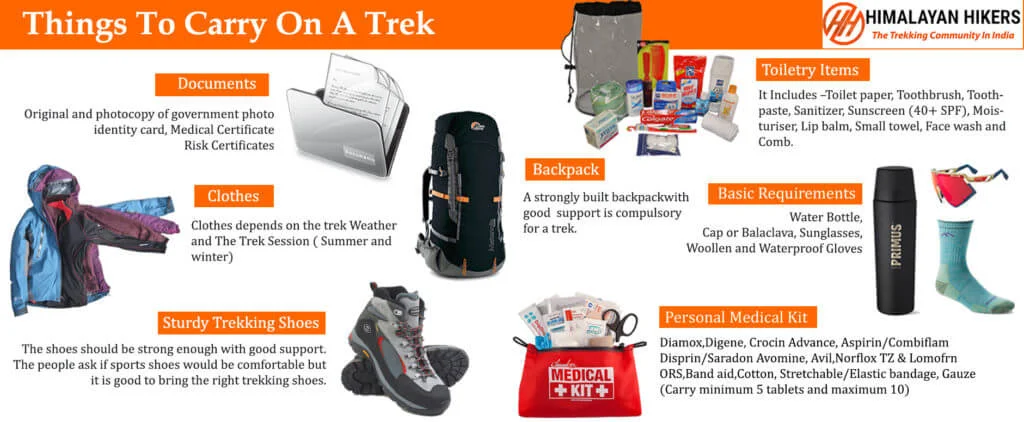
Necessary Items for trekkers
Mandatory Documents
Original and photocopy of government photo identity card- (Aadhar Card, Driving License, Voters ID, etc,)
Passport and Visa important to foreigners
Medical Certificate (First part should be filled by the Doctor and Second part by the Trekker)
Declaration Certificates
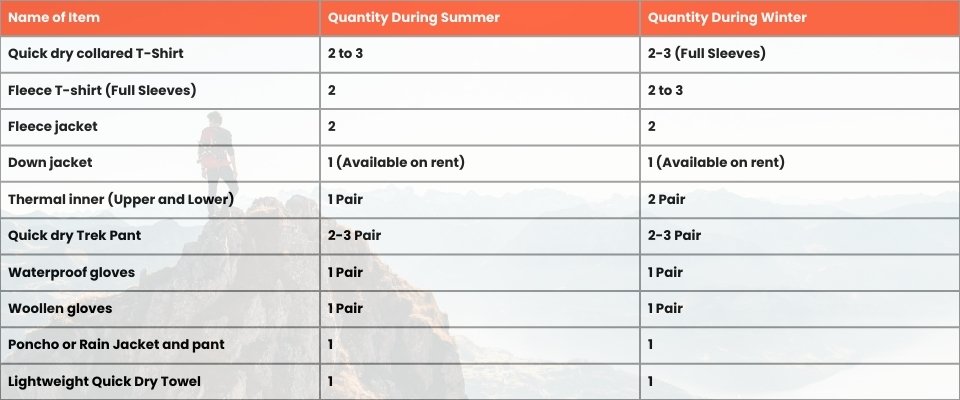
Note: – Many trekkers commit the same mistake of carrying unnecessary items on a trek which only makes the backpack heavy. It is important to know the right items to carry. It differs from season to season if you are trekking in summers then carry less layers of warm clothing and if you are trekking in winters carry enough layers to protect yourself against chilly cold.
Basic Trekking Gears
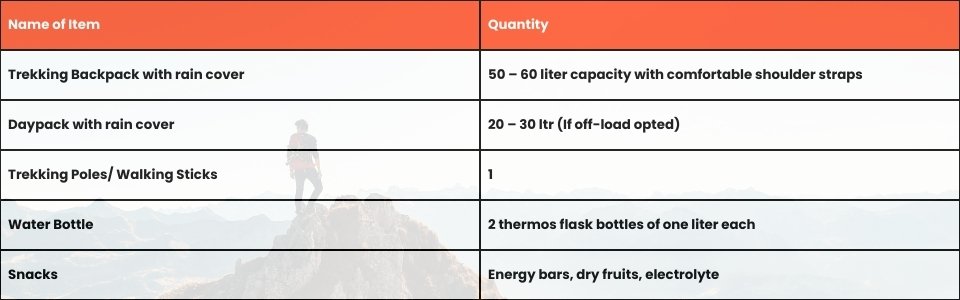
The Clothes You Should Bring On Satopanth Expedition
Head Gears

Foot Gears

Personal Care Essentials

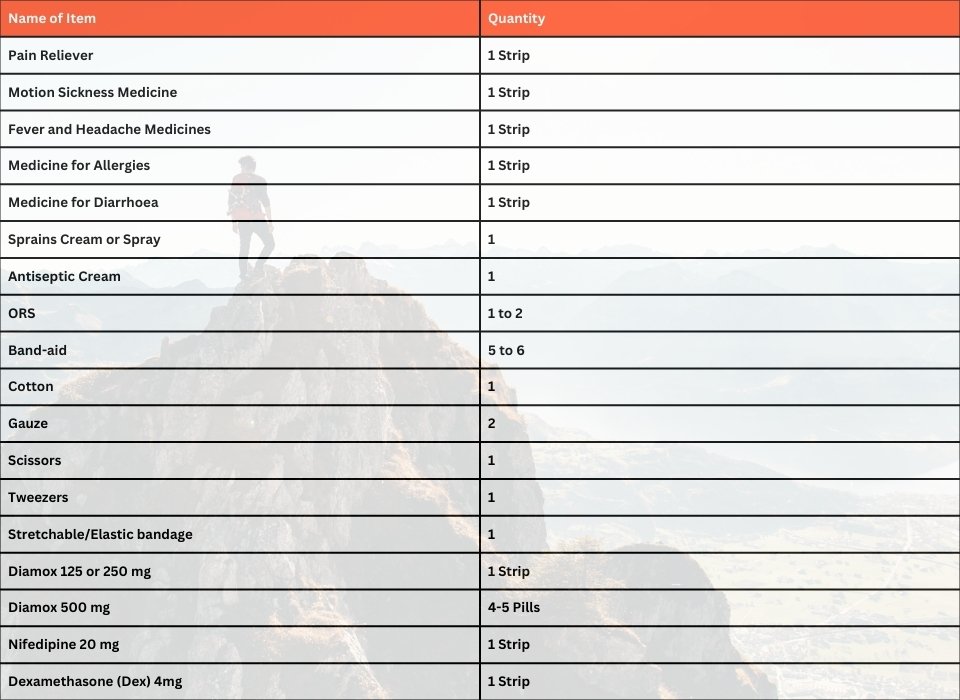
Carry a Personal Medical Kit
Are you Looking for Trekking Equipment on Rent?
If any trekker requires trekking equipment on rent, Himalayan Hikers offers the best-quality gear available for rental. Many individuals are in need of such equipment, and renting provides a cost-effective solution, allowing them to access high-quality gear at an affordable price without the need for a significant investment for short-term use.

Trek Equipment You can book directly on first day at the Base Camp.
Note:-
Please take all medicines only when prescribed by the doctor. In case you face any problem during your trek,
discuss and take advice from the Professional guide.
The Trek is one of the most popular treks in Uttarakhand, Himachal,Kashmir,Laddakh,Sikkim,Nepal, requiring both physical preparation and mental readiness. Although it is categorized as a moderate trek, reaches an elevation of over 12,720 feet and traverses remote Himalayan terrain, which can be physically and mentally challenging. Here's how you can prepare yourself for a safe and successful accomplishment of the Trek:
Physical Fitness
Building a good fitness base is essential for every trekker. The Trek itinerary involves 5 to 6 hours of walking every day. Though the trails are well-marked, they are often bumpy and include steep uphill sections, which may affect your stamina. You can overcome your physical limitation with a 6-week training program that you can begin about 2 months before your Trek. Your 6-week fitness routine should include

Pro Tip: If you have time, you can skip the Sunday training and go for a long-distance walk or mini day-hike (7–10 km) with a loaded backpack to simulate real trekking conditions. A short 1-day hike around your city/town can help a lot.
Mental Preparation
Physical strength is only half the journey, the other half is mental resilience. The trail takes you through remote clearings, steep climbs, cold starry nights, and no mobile connectivity. Be prepared to:
(I) - Detach from the digital world.
(II) - Embrace basic mountain living (camping, toilet tents, limited electricity).
(III) - Push through moments of fatigue, weather discomfort, or altitude effects.
A positive mindset, patience, and the ability to adapt will carry you farther than muscle ever could.Himalayan Hikers is a reputable trekking company that places a high priority on safety. Here are some of the safety measures they take to ensure the safety of their clients during the Trek:
Experienced Guides: Himalayan Hikers hires experienced and certified guides who are well-versed in the terrain, weather conditions, and local culture. These guides have first-hand knowledge of the routes and are equipped to handle any emergency situations that may arise.
Proper Gear: The company provides all the necessary gear and equipment to their clients to ensure comfort and safety during the trek.
Hygiene and Sanitation: Himalayan Hikers places great emphasis on hygiene and sanitation during the Trek. They provide clean drinking water, hand sanitizers, and toilet tents to ensure that their clients are healthy and comfortable.
Emergency Services: The company has a well-defined protocol for handling emergency situations. They have a team of trained medical professionals who are available 24/7 and can be quickly mobilized in case of an emergency.
Acclimatization: Himalayan Hikers follows a gradual acclimatization process during treks to ensure that their clients adjust to the high altitude gradually. They also monitor the health of their clients regularly and provide necessary medical attention if required.
Overall, Himalayan Hikers places a great emphasis on safety and takes all necessary measures to ensure the safety and well-being of their clients during treks.
No inclusions found.
No exclusions found.
Important Note
No important note.
Map not available for this trek.
No FAQs available for this trek.


