
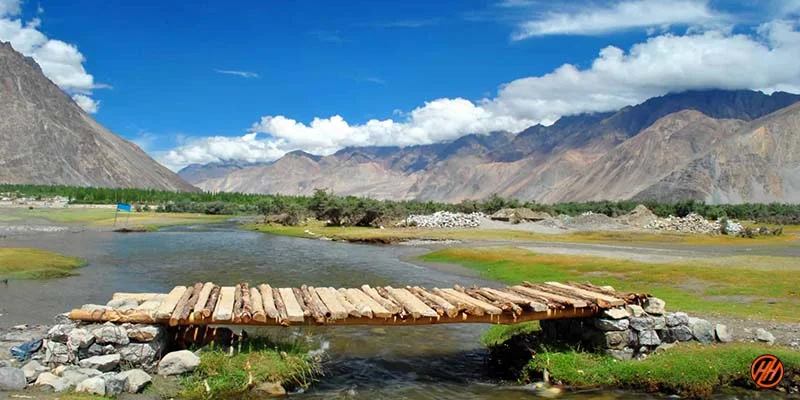


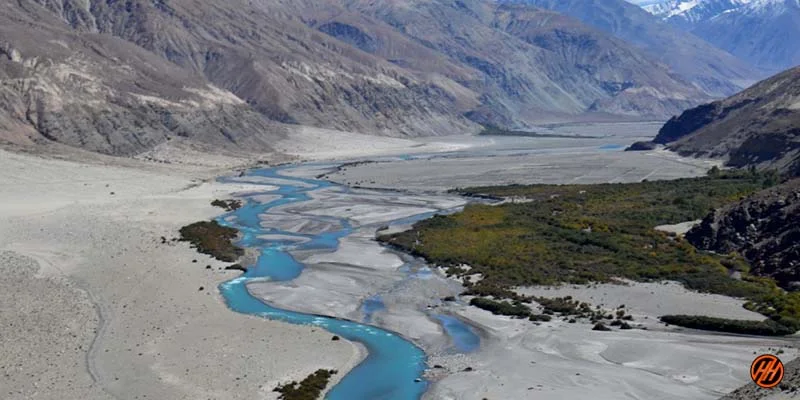
Nubra Valley Trek – The Orchard of Ladakh
Located to the north of Leh, Nubra Valley lies between the mighty Karakoram Range and Ladakh Range. The region is famous for its cold desert terrain, vast sand dunes, double-humped Bactrian camels, and picturesque monasteries. Trekking in this valley allows you to explore a completely different side of the Himalayas, where barren mountains meet lush green villages and flowing rivers.
Unique Experience of Nubra Valley Trek
The trek takes you through remote villages, ancient monasteries, high mountain passes, and scenic valleys. You will witness a fascinating contrast of landscapes—from arid deserts and rocky trails to green oasis-like settlements fed by glacial streams.
- Walk along historic Silk Route trails
- Explore beautiful villages like Diskit, Hunder, and Sumur
- Visit famous monasteries such as Diskit Monastery
- Experience sand dunes and camel rides in a high-altitude desert
Altitude and Terrain
The Nubra Valley Trek typically ranges between 3,000 meters to 5,000 meters, depending on the route. The terrain includes mountain passes, rocky trails, river crossings, and desert landscapes, making it moderately challenging and exciting.
Culture and Local Life
One of the highlights of this trek is the opportunity to experience the traditional Ladakhi lifestyle. The valley is home to warm and welcoming communities who follow Buddhist traditions. Trekkers can interact with locals, explore monasteries, and gain insight into the region’s unique culture and history.
Why Choose Nubra Valley Trek?
- Diverse Landscapes: Mountains, deserts, rivers, and green villages
- Cultural Experience: Monasteries and traditional Ladakhi life
- Adventure: High-altitude trekking and mountain passes
- Photography: Stunning views and unique terrains
Who is This Trek For?
The Nubra Valley Trek is suitable for adventure enthusiasts, photographers, and trekkers who want to explore something beyond typical Himalayan trails. It is ideal for those with moderate fitness and some trekking experience.
Summary
The Nubra Valley Trek offers a rare opportunity to explore a cold desert in the Himalayas while experiencing breathtaking landscapes and rich cultural heritage. It is a journey that combines adventure, serenity, and cultural exploration, making it one of the most memorable treks in Ladakh.
The Nubra River is a tributary of the Shyok River, flowing on the northern side of Ladakh parallel to the Indus. The valley is rich in vegetation and is often called the “Orchard of Ladakh” due to its lush greenery and fertile landscapes.
The Striking Buddhist Monasteries of Ladakh
The Nubra Valley is home to ancient Buddhist monasteries that are culturally and historically significant. On this trek, explore notable monasteries including Sumur Monastery, Disket Monastery, and Hundar Monastery. The valley is accessible from Leh via multiple high passes, making it a scenic and spiritual journey.
Key Points of Nubra Valley Trek
- Level: Moderate
- Proper conditioning & training of the body required
- Need proper gear & clothing for sub-zero temperatures
- Shoes: The single most important equipment
- High altitude requires proper acclimatization
- Beautiful landscapes – carry good photo gear & extra battery backup
- Travel light
- Backpack should not exceed 10 kgs
Nubra Valley Trek Complete Guide
Our mission has always been to ensure that no trekker steps into the Himalayas without the right perspective. A trek is not just a checklist of summits; it is a serious commitment to the outdoors. Having the right information is what separates a reckless climb from a soulful journey.
This section serves as your definitive manual for the Nubra Valley Trek. We have distilled years of mountain experience and real-time feedback into this guide to give you a clear, honest picture of the trail.
We provide this depth of information because we want you to be more than just a visitor—we want you to be a prepared, responsible trekker who respects the mountains as much as we do.
Day 1 – Leh to Hundar (Nubra Valley)
Drive from Leh to Hundar in Nubra Valley. Enjoy the scenic journey through high mountain passes and picturesque landscapes. On arrival, settle in and rest for the day.
Day 2 – Hundar to Wachan
Trek from Hundar to Wachan, which takes approximately 5–6 hours. The trail passes through remote valleys, small streams, and offers beautiful views of the surrounding mountains. Overnight stay at Wachan.
Day 3 – Wachan to Sarathang
Continue trekking from Wachan to Sarathang. This trek takes around 6–7 hours and includes gradual ascents through isolated terrain. Experience the peaceful environment and raw beauty of the Nubra region. Overnight stay at Sarathang.
Day 4 – Sarathang to Muru Dok via Lasarmola
Trek from Sarathang to Muru Dok via Lasarmola Pass (5330 m). This is one of the most challenging days of the trek and takes approximately 6–7 hours. The pass offers breathtaking panoramic views of the surrounding Himalayan ranges. Overnight stay at Muru Dok.
Day 5 – Muru Dok to Thachungtse
Begin the descent from Muru Dok to Thachungtse, trekking for about 5–6 hours. The trail passes through high-altitude landscapes, rocky terrain, and open valleys. Rest and overnight stay at Thachungtse.
Day 6 – Thachungtse to Leh
Trek for 5–6 hours from Thachungtse and then drive back to Leh. Upon arrival, check into your hotel and relax, marking the successful completion of the Nubra Valley Trek.
Day 1
Day 2
Day 3
Day 4
Day 5
Day 6
Day 1 – Leh to Nubra Valley
The base camp for the Nubra Valley Trek is Leh. Reaching Leh by road takes a long time, so it is recommended to board a flight and arrive directly in Leh.
The journey begins from Leh, driving over the world’s highest motorable road at an altitude of around 5500 meters. This scenic drive offers breathtaking views of Saser Peak and the vast Nubra Valley.
On the way, visit Sumur village to explore the peaceful Sumur Monastery. Afterward, drive back to Diskit to visit the famous Diskit Monastery, known for its rich history and panoramic views.
Continue driving to Hundar. In the evening, explore Hundar Monastery and the surrounding area. Return to the campsite, enjoy dinner, and retire for the night.
Day 2 – Hundar to Wachan
The trek from Hundar to Wachan takes approximately 5–6 hours. Follow the left side of the Hundar River as it gently flows through a narrow valley.
The trail involves a gradual zig-zag ascent through scenic terrain. Along the way, pass through small villages and cultivated fields, offering a glimpse into the local lifestyle and agriculture of the region.
Reach Wachan by afternoon. Set up your camps near the fields and relax for the rest of the day. Overnight stay at Wachan.
Day 3 – Wachan to Sarathang
The trek from Wachan to Sarathang takes approximately 6–7 hours. Leave Wachan and begin a gentle climb along the trail.
Cross the Hunda River over a bridge and continue walking through open landscapes. On the left side of the trail, you will come across a few Hundar Dok huts used by local shepherds.
Along the route, witness grazing sheep, yaks, goats, and other domestic animals, offering a glimpse into the pastoral life of the region. Reach Sarathang by evening and settle in for an overnight stay.
Day 4 – Sarathang to Muru Dok via Lasarmola
After breakfast, begin the trek from Sarathang towards Lasarmola Pass (5330 m). Follow the right ascending trail that leads towards the glacier. The climb is tough and demanding, passing through rocky and rugged terrain.
Upon reaching the glacier, you are rewarded with magnificent views of the Stok Kangri summit and the surrounding Himalayan peaks. Spend some time enjoying the scenery before beginning the descent.
The descent from the pass is long and gradual, taking around 4–5 hours to reach Muru Dok. This campsite is beautifully located between two rivers, offering a peaceful and scenic setting. Set up your camps here and retire for the night.
Day 5 – Muru Dok to Thachungtse
The trek from Muru Dok to Thachungtse takes approximately 5–6 hours. Continue along the Markha Valley trail, passing old stone mills, a ruined castle, and the pristine Techa Monastery, which is dramatically perched on a cliff above the valley.
Along the route, cross several small streams before reaching the final settlements of the valley. After leaving Umlung village, you will get the first clear sight of Mt. Kang Yatse, and this stunning view accompanies you for a large part of the trek.
Stop for lunch at Hangkar, the last village in the Markha Valley. After lunch, continue hiking towards Thachungtse. On arrival, choose a suitable campsite, set up your tents, and relax for the night amidst the serene mountain surroundings.
Day 6 – Thachungtse to Leh
The journey from Thachungtse to Leh takes approximately 5–6 hours. From the campsite, walk along the river and cross it before beginning a gradual ascent.
Climb steadily to Gyamtsa La, situated at an elevation of around 4200 meters. From the pass, enjoy scenic views of the surrounding mountains before starting the descent.
Descend towards Gyamtsa and continue your journey back to Leh, marking the successful completion of the Nubra Valley Trek.
Nubra Valley Trek – Difficulty Level
The Nubra Valley Trek is generally classified as a moderate to difficult trek, depending on the specific route and altitude covered. It is suitable for trekkers who have good physical fitness and some prior trekking experience.
Difficulty Overview
- Category: Moderate to Difficult
- Altitude Range: 3,000 meters to 5,000 meters
- Duration: 5 to 8 days (varies by route)
- Terrain: Rocky trails, mountain passes, desert landscapes, and river crossings
Trek Challenges
The trek involves a mix of terrains and conditions that can be physically demanding:
- Long walking hours of 5–7 hours per day
- Steep ascents and descents across high mountain passes
- Walking on rocky and uneven terrain
- Exposure to high-altitude conditions and thin air
Altitude Factor
Since the trek takes place at high altitudes, proper acclimatization is essential. Trekkers may experience symptoms like headache, fatigue, or breathlessness if not acclimatized properly.
Weather Conditions
- Day temperatures can be pleasant, but nights can be cold and windy.
- Weather can change quickly in the mountains.
Who Can Do This Trek?
- Experienced Trekkers: Ideal for those with prior high-altitude trekking experience
- Fit Beginners: Can attempt with proper preparation and guidance
- Adventure Seekers: Suitable for those looking for a challenging Himalayan trek
Preparation Tips
- Build stamina and endurance through regular walking or jogging
- Practice trekking with a backpack
- Focus on acclimatization before starting the trek
Best Time to Visit Nubra Valley Trek
The best time to undertake the Nubra Valley Trek is from June to September, when the weather conditions are most favorable and the region is accessible. During these months, trekkers can experience clear skies, stable weather, and breathtaking views of the unique landscapes of Ladakh.
1. Summer Season (June to July)
- Ideal time with pleasant daytime temperatures and clear skies.
- Snow begins to melt, making high mountain passes accessible.
- Perfect for enjoying lush green villages and flowing rivers.
2. Peak Season (July to August)
- Most popular trekking period with stable weather.
- Best time to witness the contrast of desert landscapes and greenery.
- Excellent for photography and cultural exploration.
3. Late Season (September)
- Cooler weather with clear visibility and fewer crowds.
- Ideal for trekkers seeking a peaceful and quiet experience.
- Great time for capturing sharp mountain views.
Weather Conditions
- Day Temperature: 15°C to 25°C
- Night Temperature: 0°C to 10°C
- Temperatures may drop further at higher altitudes.
Things to Keep in Mind
- Avoid trekking during winter months due to extreme cold and heavy snowfall.
- Carry warm clothing even in summer, as nights can be cold.
- Always check weather and road conditions before planning your trek.
How to Reach Nubra Valley Trek
The Nubra Valley Trek is located in the northern region of Ladakh, and the journey typically begins from Leh, the main hub of the region. Leh is well connected by air and road, making it the primary gateway for reaching Nubra Valley.
By Air
The most convenient way to reach Leh is by air.
- The nearest airport is Kushok Bakula Rimpochee Airport (Leh Airport).
- Well connected to major cities like Delhi, Mumbai, and Srinagar.
- Regular flights operate during the trekking season.
- From the airport, taxis are available to reach your hotel in Leh.
By Road
Leh is accessible via two major highways that offer scenic journeys through the Himalayas:
- Manali to Leh Highway: Open from June to September, known for high mountain passes and dramatic landscapes.
- Srinagar to Leh Highway: A more gradual route with beautiful valleys and smoother acclimatization.
- The road journey usually takes 2 days with an overnight stop.
By Train
There is no direct railway connectivity to Leh.
- The nearest major railway station is Jammu Tawi Railway Station.
- From Jammu, you can travel to Leh by road or flight.
Leh to Nubra Valley
- From Leh, Nubra Valley is around 120 km away.
- The journey is via the famous Khardung La Pass (5,359 m), one of the highest motorable roads in the world.
- Travel time is approximately 5–6 hours by road.
- Taxis and shared vehicles are easily available.
Permits
- Nubra Valley is a restricted area, so Inner Line Permit (ILP) is required.
- Permits can be obtained online or from Leh.
Travel Tips
- Spend at least 1–2 days in Leh for proper acclimatization.
- Carry valid ID proof and permits.
- Check road and weather conditions before traveling.
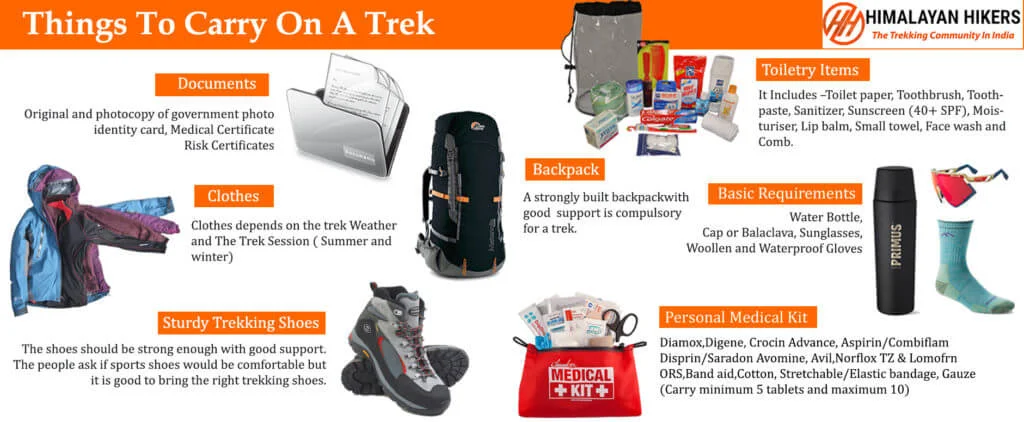
What to Pack (Things to Carry) – Nubra Valley Trek
Packing the right gear is essential for a safe and comfortable experience on the Nubra Valley Trek. Since this trek takes place in a high-altitude cold desert region, you must be prepared for strong sunlight during the day and cold temperatures at night.
1. Clothing
- Thermal Wear: Essential for cold nights.
- Fleece Jacket / Down Jacket: For warmth in high-altitude conditions.
- Trekking T-Shirts: Quick-dry and breathable.
- Trekking Pants: Lightweight and comfortable.
- Warm Accessories: Woolen cap, gloves, and scarf.
- Socks: 4–5 pairs (woolen and cotton).
- Windproof Jacket: Protection from cold winds.
2. Footwear
- Trekking Shoes: High-ankle shoes with good grip are essential.
- Extra Shoes/Slippers: For campsite use.
3. Trekking Gear
- Backpack: 40–50 liters with rain cover.
- Daypack (Optional): For carrying essentials during short walks.
- Trekking Poles: Helpful for balance on uneven terrain.
- Water Bottles: At least 2 liters capacity.
- Sunglasses: UV protection for strong mountain sunlight.
- Cap/Hat: To protect from sun exposure.
4. Personal Essentials
- Toiletries: Toothbrush, toothpaste, tissues, wet wipes.
- Sunscreen: SPF 30+ or higher.
- Lip Balm: To prevent dryness and chapping.
- Personal Medicines: Basic first-aid and prescribed medicines.
- Hand Sanitizer: For hygiene in remote areas.
5. Food & Snacks
- Energy Bars: For quick energy during the trek.
- Dry Fruits: Lightweight and nutritious.
- Chocolates: Instant energy source.
6. Electronics & Accessories
- Mobile/Camera: To capture scenic views.
- Power Bank: Charging options are limited.
- Headlamp/Flashlight: Useful during nights and early mornings.
- Extra Batteries: Cold weather drains battery quickly.
7. Important Tips
- Keep your backpack light, ideally under 10–12 kg.
- Use layering to adjust to changing temperatures.
- Carry sufficient sun protection due to strong UV rays.
- Pack essentials in an organized manner for easy access.
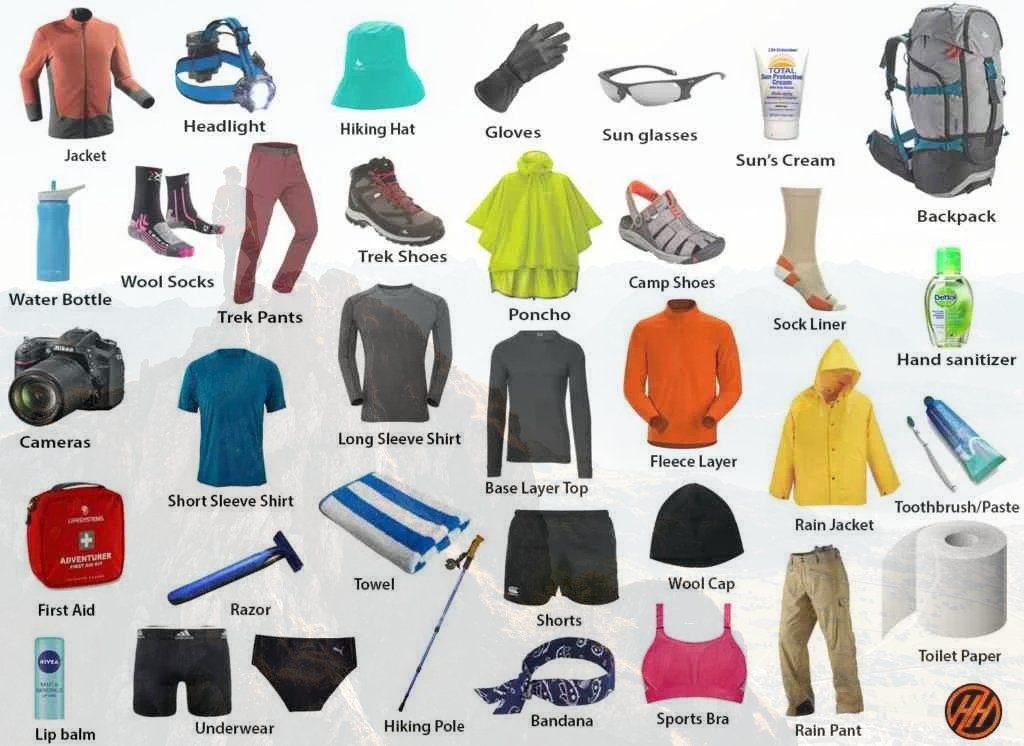
How to Prepare for the Nubra Valley Trek
The Nubra Valley Trek is a moderate to difficult high-altitude trek, and proper preparation is essential to ensure a safe and enjoyable experience. With the right combination of physical fitness, mental readiness, and proper planning, trekkers can successfully complete this adventurous journey.
1. Physical Fitness
- Build Stamina: Start jogging, brisk walking, or cycling at least 4–6 weeks before the trek.
- Endurance Training: Practice walking 5–8 km daily with a light backpack.
- Strength Training: Focus on legs with exercises like squats, lunges, and step-ups.
- Cardio Workouts: Improve lung capacity through running or skipping.
2. Acclimatization
- Spend at least 2 days in Leh before starting the trek.
- Gradual acclimatization helps prevent altitude sickness.
- Stay hydrated and avoid alcohol or smoking.
3. Gear Preparation
- Carry high-quality trekking shoes, warm clothing, and windproof layers.
- Use a durable backpack with rain cover.
- Ensure all essential trekking gear is well-tested before the trek.
4. Mental Preparation
- Be ready for long trekking hours (5–7 hours daily).
- Stay patient and maintain a positive mindset.
- Be prepared for basic facilities and remote conditions.
5. Health & Safety
- Carry a personal medical kit and prescribed medicines.
- Consult your doctor if you have any pre-existing medical conditions.
- Be aware of symptoms of altitude sickness such as headache, nausea, or dizziness.
6. Travel Planning
- Plan your travel to Leh in advance.
- Keep buffer days for weather delays.
- Arrange required permits (Inner Line Permit) before traveling to Nubra Valley.
7. Important Tips
- Maintain proper hydration and nutrition during the trek.
- Avoid overexertion and walk at a steady pace.
- Follow instructions given by your trek leader.
Safety with Himalayan Hikers – Nubra Valley Trek
Your safety is the highest priority while trekking with Himalayan Hikers. The Nubra Valley Trek takes place in a high-altitude cold desert region, so proper safety measures, experienced staff, and reliable equipment are essential for a secure and successful trekking experience.
1. Experienced Trek Leaders
- Each trek is led by certified and experienced trek leaders.
- They are trained in high-altitude trekking, navigation, and emergency response.
- Ensure safe pacing, route management, and group coordination.
2. Medical Support
- A well-equipped first-aid kit is carried throughout the trek.
- Oxygen cylinders are available for altitude-related emergencies.
- Trek leaders are trained to identify and manage Altitude Sickness (AMS).
3. Communication System
- Radio and walkie-talkies are used for communication in remote areas.
- Ensures quick coordination and response during emergencies.
4. Quality Equipment
- High-quality tents, sleeping bags, and camping gear are provided.
- All equipment is regularly checked for safety and durability.
- Ensures protection against cold weather and harsh conditions.
5. Support Staff
- Dedicated porters, helpers, mules, and kitchen team support the trek.
- Reduces physical load on trekkers and enhances comfort.
6. Safety Briefing
- A detailed pre-trek briefing is conducted before starting.
- Includes information about route, weather, altitude, and safety guidelines.
7. Emergency Protocols
- Clear evacuation plans are in place for emergencies.
- Coordination with local authorities and rescue teams if required.
8. High-Altitude Safety
- Proper acclimatization schedule is followed.
- Regular monitoring of trekkers for altitude-related symptoms.
- Guidance on hydration, pacing, and rest.
9. Environmental Responsibility
- Follow Leave No Trace principles.
- Maintain cleanliness and respect local culture and environment.
Nubra Valley Trek – Inclusions
| Category | Details |
|---|---|
| Transport | Srinagar/Leh to Srinagar/Leh transport facility (as per itinerary) |
| Permits | All required permits including Inner Line Permit (ILP) and entry fees |
| Accommodation | Hotel stay in Leh and camps during trek (Twin / Triple Sharing) |
| Meals | All meals during the trek: breakfast, lunch, snacks, tea, soup, and dinner |
| Camping Gear | High quality tents, sleeping bags, mattress, liner, and pillow |
| Toilet Facilities | Separate toilet tents for ladies and gents |
| Dining Setup | Dining tent and dining table |
| Support Staff | Porters, helpers, mules, and kitchen team |
| Guides | Experienced trek leader and local guide |
| Communication | Radio walkie-talkie for communication |
| Safety Equipment | Medical kit, oxygen cylinders, and basic safety equipment |
Nubra Valley Trek – Exclusions
| Category | Details |
|---|---|
| Travel | Travel to and from Leh/Srinagar (flights, trains, or buses) |
| Insurance | Personal travel insurance is not included |
| Medical | Medical certificate and personal medicines |
| Personal Expenses | Personal toiletry items, laundry, phone calls, and additional expenses |
| Meals (Transit) | Meals during travel days (first and last day en route) |
| Extra Costs | Any cost arising due to delays, weather conditions, natural calamities, or emergencies |
Important Note
Important Note – Nubra Valley Trek
Please read the following important guidelines carefully before planning your Nubra Valley Trek to ensure a safe, smooth, and enjoyable experience in the high-altitude region of Ladakh.
- Acclimatization is Mandatory: Spend at least 2 days in Leh before starting the trek to adjust to high altitude and avoid altitude sickness.
- High Altitude Awareness: The trek reaches elevations above 3,000–5,000 meters, so proper precautions are essential.
- Weather Conditions: Weather in Ladakh is unpredictable. Be prepared for sudden temperature drops, strong winds, and changing conditions.
- Physical Fitness: This is a moderate to difficult trek. Good stamina and fitness are required.
- Medical Fitness: Carry a valid medical certificate and inform the team about any pre-existing health conditions.
- Permits Required: Inner Line Permit (ILP) is mandatory to visit Nubra Valley.
- Packing: Travel light. Your backpack should ideally not exceed 10–12 kg.
- Proper Gear: Good trekking shoes, warm clothing, sunglasses, and sun protection are essential.
- Follow Trek Leader Instructions: Always follow instructions given by your trek leader and guides for safety.
- Hydration: Drink sufficient water to prevent dehydration and altitude-related issues.
- Limited Connectivity: Mobile network is limited in Nubra Valley. Inform your family in advance.
- Delays & Buffer Days: Weather and road conditions may cause delays. Keep 1–2 buffer days in your plan.
- Environmental Responsibility: Follow Leave No Trace principles. Avoid littering and respect local culture.
- Insurance: Personal travel insurance is recommended but not included in the package.
Map not available for this trek.
The Nubra Valley Trek is considered a moderate to difficult trek, suitable for trekkers with good fitness and some prior trekking experience.
The best time is from June to September, when weather conditions are stable and the region is accessible.
The trek can reach altitudes of up to 5,000 meters, depending on the route.
The trek usually takes around 5 to 8 days, depending on the chosen itinerary.
Yes, basic trekking experience is recommended due to the high altitude and challenging terrain.
Yes, spending at least 2 days in Leh for acclimatization is very important to avoid altitude sickness.
Yes, an Inner Line Permit (ILP) is required for Indian nationals and can be obtained from Leh.
Accommodation includes hotel stays in Leh and tents during the trek, usually on twin or triple sharing basis.
Carry warm clothing, trekking shoes, sunglasses, sunscreen, and personal medicines for a comfortable experience.
Yes, the trek is safe when done with experienced guides, proper gear, and preparation.
Yes, most packages include all meals during the trek such as breakfast, lunch, snacks, and dinner.
Mobile network is available in Leh, but is limited or unavailable in Nubra Valley and during trekking.
Fit beginners can attempt it with proper preparation and guidance, but it is better suited for experienced trekkers.
The trek is unique for its cold desert landscapes, sand dunes, monasteries, and cultural experiences, making it one of the most diverse treks in Ladakh.
Yes, due to high altitude, trekkers may face Altitude Sickness (AMS). Proper acclimatization helps reduce risks.


