
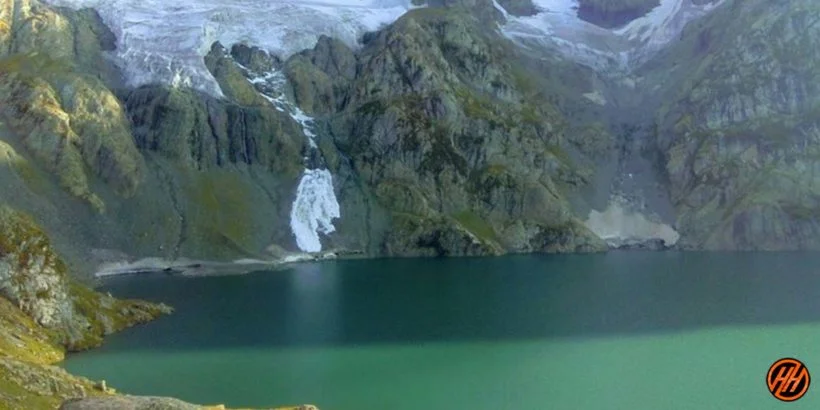


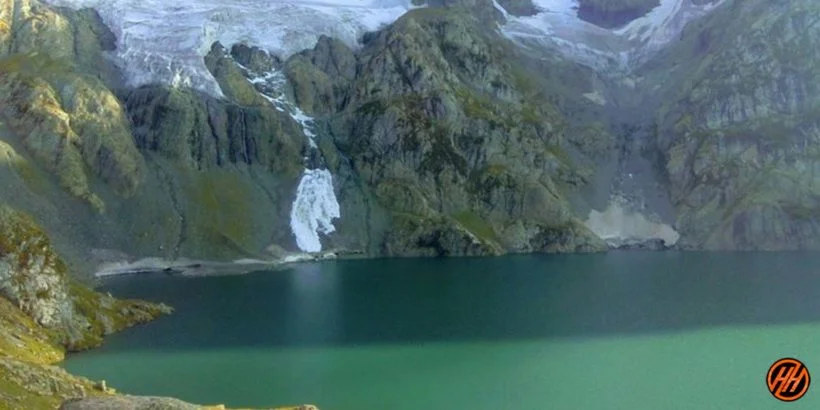
Gangabal Lake Trek begins from Srinagar and takes you through the scenic regions of Sonamarg, Nichinai, Krishansar, and Dubta Pani before finally reaching the pristine Gangabal Lake.
This trek leads to one of the lesser-explored yet most beautiful high-altitude destinations in Kashmir, offering untouched landscapes and serene surroundings.
The Picturesque Trail of Gangabal Lake Trek
The trail winds through breathtaking terrain filled with rich alpine flora and diverse Himalayan wildlife, making every step visually rewarding.
Walk across flower-strewn meadows, pass enchanting alpine lakes, and enjoy magnificent views of Mount Haramukh and the surrounding Karakorum peaks.
Key Points of Gangabal Lake Trek
Level: Moderate
Proper physical conditioning and basic trekking experience are recommended
Warm clothing and proper gear required for sub-zero temperatures
Good trekking shoes are the most important equipment
High altitude demands proper acclimatization
Best time to visit is winter, post-monsoon, or pre-monsoon; the region is prone to landslides during heavy rains
Carry good photography gear with extra battery backup to capture the stunning landscapes
Travel light for better comfort
The backpack weight should not exceed 10 kg
Gangabal Lake Trek Complete Guide
Our mission has always been to ensure that no trekker steps into the Himalayas without the right perspective. A trek is not just a checklist of summits; it is a serious commitment to the outdoors. Having the right information is what separates a reckless climb from a soulful journey.
This section serves as your definitive manual for the Gangabal Lake Trek. We have distilled years of mountain experience and real-time feedback into this guide to give you a clear, honest picture of the trail.
We provide this depth of information because we want you to be more than just a visitor—we want you to be a prepared, responsible trekker who respects the mountains as much as we do.
Day 1 – Srinagar (1585 m) to Sonamarg (2800 m) via Ganderbal
Day 2 – Sonamarg to Nichinai
Trek Distance: 13 Km | Trek Duration: 4/5 hours | Altitude: 3620 Mtr
Day 3 – Nichinai to Krishansar
Trek Distance: 15 Km | Trek Duration: 5/6 hours | Altitude: 3680 Mtr
Day 4 – Krishansar to Dubta Pani
Trek Distance: 16 Km | Trek Duration: 5/6 hours | Altitude: 3280 Mtr
Day 5 – Dubta Pani to Gangabal Lakes
Trek Distance: 19 Km | Trek Duration: 7/8 hours | Altitude: 3570 Mtr
Day 6 – Exploration Day / Rest Day
Day 7 – Gangabal Lake to Naranag and drive to Srinagar
Drive Duration: 1 hours | Altitude: 1585 Mts
Day 1
Day 2
Day 3
Day 4
Day 5
Day 6
Day 7
Day 1: Srinagar (1585 m) to Sonamarg (2800 m) via Ganderbal
The journey begins in the heart of Kashmir, Srinagar, where the mountains quietly rise in the distance, hinting at the adventure ahead. As you leave the city behind, the road gradually unfolds into a scenic drive filled with changing landscapes, taking you deeper into the raw beauty of the Himalayas.
Traveling via Ganderbal, the route follows the gentle flow of the Sind River, which becomes your constant companion along the way. A refreshing halt at Wayil offers a peaceful moment by the riverbank—where the sound of flowing water and the crisp mountain air set the tone for the trek ahead. It is here that the transition begins, from the noise of everyday life to the calm rhythm of the mountains.
As the drive continues, the valley opens up into wide stretches of greenery, dotted with small villages, grazing fields, and towering pine forests. The air grows cooler, the surroundings quieter, and the sense of anticipation stronger with every passing kilometer.
By the time you reach Sonamarg, perched at an altitude of 2800 meters, you are welcomed by vast golden meadows framed by snow-clad peaks. Often called the “Meadow of Gold,” Sonamarg feels like a gateway to a different world—untouched, serene, and full of promise.
This day is not just a transfer; it is a gradual immersion into the mountains, allowing your body and mind to adjust to the altitude and environment. As evening sets in, the cool breeze, the silence of the valley, and the towering peaks around you prepare you for the journey that truly begins the next day.
Day 2: Sonamarg to Nichinai (3620 m) | 13 km | 4–5 Hours
After a hearty breakfast in Sonamarg, the trek officially begins, taking you into the heart of the Himalayas. The initial section involves a gentle descent through dense pine forests, where the morning light filters through the trees and the scent of pine invigorates the senses. The trail leads to a charming bridge over the Sindh River, its waters sparkling as they flow through the valley below.
Beyond the bridge, the trek intensifies with a steep ascent toward Shkoder, a natural vantage point that rewards every drop of sweat. From here, the grandeur of the glacier unfolds before your eyes, and the Sindh Valley stretches endlessly, a mosaic of green meadows, rugged cliffs, and flowing rivers. The panoramic views at Shkoder serve as a perfect reminder of why the Himalayas are revered by trekkers and nature lovers alike.
The journey then transitions into a long, gradual descent, winding through alpine meadows and rocky paths until you arrive at Nichinai. Nestled amidst towering peaks, Nichinai offers a serene and picturesque campsite for the night. The crisp mountain air, the gentle rustling of the trees, and the distant murmur of streams create a tranquil setting, ideal for resting and soaking in the majesty of the mountains before the next day’s adventure.
Day 3: Nichinai to Krishansar (3680 m) via Nichinai Pass (4084 m) | 15 km | 4–5 Hours
Rise early to embrace the crisp morning air as the trek continues from Nichinai toward the iconic Nichinai Pass, perched at 4084 meters. The ascent is steady but demanding, winding through rugged trails and alpine terrain, rewarding trekkers with a profound sense of accomplishment as they climb higher into the mountains.
At the summit of Nichinai Pass, the Himalayas unveil themselves in all their glory. Panoramic views stretch in every direction—jagged peaks, glacial streams, and sweeping valleys—creating a breathtaking vista that leaves you momentarily speechless. It is a perfect spot to pause, breathe deeply, and absorb the immensity of the surrounding landscape.
The trek then descends gently into expansive alpine meadows, which burst into color during the blooming season. The trail leads to two pristine alpine lakes: Vishansar Lake and Krishansar Lake. The calm waters reflect the surrounding peaks, offering a serene and almost surreal experience.
Camp is set up near Krishansar Lake, where the tranquility of the mountains envelops you. After a wholesome and refreshing meal, the night is spent under the stars, surrounded by silence, the occasional distant call of wildlife, and the gentle whisper of mountain winds—a perfect respite before the next day’s journey.
Day 4: Krishansar to Dubta Pani (3280 m) | 16 km | 4–5 Hours
The day begins with an invigorating climb from Krishansar toward Gadsar Pass. As you ascend, the terrain becomes increasingly rugged, but each step brings a deeper connection with the Himalayas. Upon reaching the pass, you are rewarded with sweeping, awe-inspiring views of the distant Karakoram ranges, their snow-clad peaks shimmering under the sunlight—a panorama that etches itself into memory.
The trek then transitions into a gradual descent, passing by the crystal-clear Gadsar Lake, often called the “Lake of Fishes.” The lake lies nestled amid alpine meadows and rocky ridges, reflecting the surrounding peaks like a mirror. The tranquil waters and serene environment provide a moment of pause and reflection.
Continuing the trail, you make your way to Dubta Pani, where the campsite awaits beside a gentle mountain stream. The calming sounds of flowing water and the cool breeze of the high-altitude valley create a perfect setting to relax. Set up your camp, enjoy a refreshing meal, and retire for the night, letting the serenity of the mountains wash over you as stars twinkle above in the clear Himalayan sky.
Day 5: Dubta Pani to Gangabal Lakes (3570 m) | 19 km | 7–8 Hours
After an early breakfast at Dubta Pani, the trek begins with a peaceful crossing of a mountain stream, signaling the start of a long and rewarding day. The trail gradually ascends toward Postpatri, a stunning stretch adorned with vibrant alpine flowers, creating a tapestry of colors against the backdrop of the distant Karakoram Mountains. The scenery is both invigorating and humbling, reminding trekkers of the raw beauty of the high Himalayas.
The path continues toward the Mangandub Saddle, where the climb steepens. From here, you make your way to Zagibal Peak at 4210 meters. The ascent is challenging, demanding endurance and focus, but reaching this vantage point is nothing short of spectacular. From the peak, the serene expanse of Gangabal Lake comes into view, framed by the majestic Mount Haramukh and surrounding peaks—a scene that epitomizes Himalayan grandeur.
The descent from Zagibal Peak is long but rewarding, guiding you through rocky terrain and alpine meadows. Crossing a small rivulet along the way adds a touch of adventure before the final ascent to the shores of Gangabal Lake. Nestled amidst towering peaks and crystal-clear waters, the lake serves as both a visual and emotional climax of the trek. The campsite is set up nearby, where trekkers can rest, soak in the surroundings, and relish a well-earned sense of accomplishment after a strenuous but unforgettable day.
Day 6: Exploration Day / Rest Day
Day 6 is a day of leisure and immersion in the serene beauty of Gangabal Lake. After several days of trekking, this day allows you to rest, recharge, and truly connect with the pristine environment around you.
Spend the morning strolling along the shores of the lake, taking in the reflections of the towering peaks in the crystal-clear waters. The calm, untouched surroundings make it an ideal time for photography, meditation, or simply soaking in the tranquility of the high-altitude landscape.
For those seeking light adventure, the nearby Kolsar Lake offers a short and rewarding hike. The trail to Kolsar winds through alpine meadows and gentle ridges, providing stunning views of Gangabal Lake from above. Return to Gangabal by evening to enjoy the peaceful ambiance of the campsite.
Anglers can try their hand at fishing for brown trout, while others may simply relax and appreciate the crisp mountain air. The night is spent at the campsite beside Gangabal Lake, under a clear starlit sky, marking a restful pause in this Himalayan journey.
Day 7: Gangabal Lake to Naranag and Drive to Srinagar (1585 m) | 1 Hour
On the final day of the trek, after a nourishing breakfast at Gangabal Lake, you begin the descent toward Naranag, retracing your steps while savoring the last glimpses of the pristine alpine lakes and the majestic peaks surrounding them. The journey is a reflective one, allowing trekkers to soak in the memories and serene beauty of the mountains.
The trail winds through dense forests and the expansive Bodpathri meadows, where the gentle breeze and alpine flora create a calming atmosphere. Passing through the hamlets of Trunkhol and Butsheri, you experience glimpses of local village life set against the backdrop of the towering Himalayas.
Upon reaching Naranag village, a vehicle arranged for the group awaits to drive you back to Srinagar. The journey back is filled with reflections on the trek—the challenges overcome, the sights witnessed, and the tranquil moments spent in one of the most beautiful high-altitude landscapes of Kashmir. This marks the conclusion of an unforgettable Himalayan adventure.
The Gangabal Lake Trek is not just a moderate trek—it is a true test of endurance, discipline, and mental resilience set against the raw beauty of the Himalayas. While it does not demand technical climbing skills, the combination of altitude, terrain, and weather makes it a journey that requires both physical strength and inner determination.
Rising to an altitude of 3751 meters, the trek challenges your body’s ability to adapt to thinner air. Each step forward is not just a movement across land, but a gradual climb into a harsher, more demanding environment where preparation becomes your greatest ally.
- Endurance Challenge: Daily trekking hours can stretch between 5–7 hours across uneven and often demanding terrain.
- Altitude Impact: Reduced oxygen levels can lead to fatigue, breathlessness, and altitude sickness if not properly managed.
- Terrain Variation: From steep ascents and rocky trails to vast alpine meadows, the route constantly tests balance and stamina.
- Weather Extremes: Temperatures can drop suddenly, even in summer, demanding both physical toughness and proper gear.
- Mental Strength: Remote landscapes and long stretches of isolation require focus, patience, and a strong mindset.
This trek rewards those who come prepared—not just with gear, but with the will to push forward. It is a journey where the difficulty shapes the experience, turning every challenge into a story and every step into an achievement.
Best Time to Visit Gangabal Lake Trek
The best time to experience the Gangabal Lake Trek depends on what kind of landscape and adventure you seek. Due to its high altitude, the region undergoes dramatic seasonal changes, each offering a unique perspective of the Himalayas.
Pre-Monsoon (May – June)
This is one of the most favorable times for trekking. The snow begins to melt, revealing lush green meadows and blooming alpine flowers. The weather remains relatively stable, making the trails more accessible and visually stunning.
Post-Monsoon (September – October)
Considered the best overall season, this period offers crystal-clear skies, crisp air, and breathtaking views of surrounding peaks. The landscapes appear fresh and vibrant after the monsoon, making it ideal for photography and scenic exploration.
Winter (November – April)
The region transforms into a snow-covered wonderland during winter. However, heavy snowfall and extreme cold make the trek challenging and suitable only for experienced trekkers with proper gear and guidance.
Monsoon (July – August)
Trekking during monsoon is generally not recommended. The area is prone to landslides, slippery trails, and unpredictable weather conditions, which can make the journey risky.
Overall Recommendation: Plan your trek during May–June or September–October for the safest and most rewarding experience.
How to Reach Gangabal Lake Trek
Reaching the starting point of the Gangabal Lake Trek is convenient as it begins from Srinagar, the summer capital of Jammu & Kashmir. Srinagar is well-connected to major cities in India by air, road, and limited rail connectivity.
By Air
The nearest airport is Srinagar International Airport (SXR), which has regular flights from major cities like Delhi, Mumbai, and Chandigarh. From the airport, you can hire a taxi to reach the trek starting point (usually Sonamarg or Naranag).
By Train
The nearest major railway station is Jammu Tawi Railway Station, located about 250–300 km from Srinagar. From Jammu, you can take a taxi or bus to Srinagar, which takes around 7–9 hours depending on road conditions.
By Road
Srinagar is well connected by road via National Highway NH-44. You can reach Srinagar by:
- Private taxis or self-drive vehicles
- State transport or private buses from cities like Jammu and Delhi
From Srinagar to Base Camp
From Srinagar, drive to Sonamarg or Naranag (common base camps for the trek), which takes around 2–3 hours. Taxis are easily available, and the route itself offers scenic views of valleys, rivers, and mountains.
Tip: Start early from Srinagar to avoid traffic and make the most of daylight for your journey to the base camp.
What to Pack (Things to Carry)
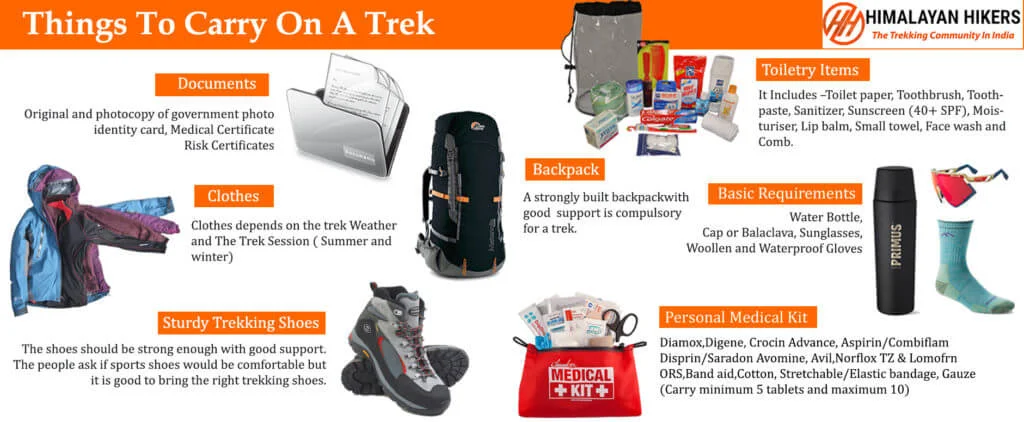
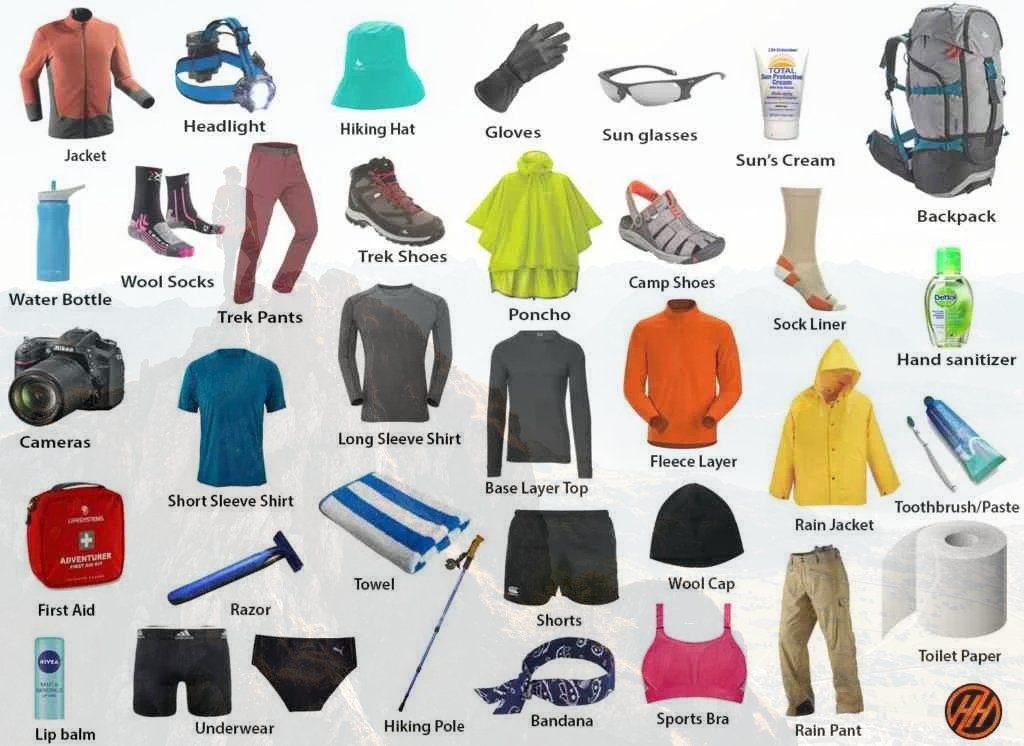
Packing wisely for the Gangabal Lake Trek is crucial, as the high-altitude environment demands both preparedness and minimalism. Carry only essentials while ensuring you are equipped to handle cold weather, rough terrain, and limited resources.
Clothing
- Thermal inner wear (top & bottom)
- Fleece jacket / down jacket
- Waterproof & windproof jacket
- Trekking pants (quick-dry)
- Warm cap, sun cap, and gloves
- Woolen socks (2–3 pairs)
Footwear
- Good quality trekking shoes with strong grip
- Extra pair of comfortable slippers/sandals
Essentials Gear
- Backpack (50–60L) with rain cover
- Daypack (optional for short walks)
- Trekking pole (highly recommended)
- Headlamp/torch with extra batteries
- Reusable water bottles / hydration pack
Food & Hydration
- Energy bars, dry fruits, chocolates
- Electrolyte powders / ORS
Personal & Medical
- Basic first aid kit
- Personal medications
- Sunscreen (SPF 50+), lip balm
- Toiletries & quick-dry towel
- Hand sanitizer & wet wipes
Extras
- Camera with extra batteries
- Power bank
- Sunglasses (UV protection)
Important Tip: Keep your backpack light (ideally under 10 kg). Smart packing ensures better mobility and a more comfortable trekking experience.
How to Prepare for the Gangabal Lake Trek
Preparing for the Gangabal Lake Trek goes beyond just packing your bags—it requires building physical endurance, mental strength, and understanding high-altitude conditions. A well-prepared trekker not only enjoys the journey more but also stays safe in the challenging Himalayan environment.
Physical Fitness
- Start training at least 3–4 weeks before the trek
- Focus on cardio exercises like running, cycling, or brisk walking
- Aim to walk 4–5 km daily with a light backpack
- Include strength training for legs (squats, lunges, stair climbing)
Mental Preparation
- Be ready for long walking hours and basic living conditions
- Stay patient and maintain a positive mindset
- Prepare for limited network connectivity and remote surroundings
Acclimatization
- Spend time adjusting to altitude before ascending further
- Ascend gradually and avoid rushing
- Stay hydrated to help your body adapt
Nutrition & Hydration
- Eat balanced meals rich in carbohydrates and protein
- Drink plenty of water (3–4 liters daily)
- Avoid alcohol and smoking before and during the trek
Gear Check
- Test your trekking shoes before the trip
- Ensure all gear is lightweight and weather-appropriate
- Pack essentials but avoid overpacking
Safety Tips
- Listen to your body and watch for signs of altitude sickness
- Follow your guide or trek leader’s instructions
- Always inform someone about your travel plan
Final Thought: Preparation is the foundation of a successful trek. The more effort you put in before the journey, the more rewarding and enjoyable your experience will be in the mountains.
Safety with Himalayan Hikers
Trekking with Himalayan Hikers ensures a safe, well-organized, and professionally guided experience on the Gangabal Lake Trek. Safety in the Himalayas is not just a priority—it is a responsibility, and experienced trek organizers play a crucial role in managing risks effectively.
Experienced Trek Leaders
- Certified and trained trek leaders with extensive Himalayan experience
- Knowledge of terrain, weather patterns, and emergency handling
- Regular monitoring of trekkers’ health and pace
Medical Support
- Well-equipped first aid kits carried by trek leaders
- Basic high-altitude medical knowledge and emergency response training
- Immediate assistance in case of altitude sickness or injuries
Safe Camping & Logistics
- Carefully selected safe campsites
- Proper tents, sleeping arrangements, and hygiene standards
- Nutritious meals prepared under hygienic conditions
Communication & Backup
- Support staff available throughout the trek
- Emergency evacuation plans in place
- Use of communication devices in remote areas (where possible)
Safety Practices
- Proper acclimatization schedule followed
- Daily briefings about route and weather conditions
- Strict adherence to safety guidelines and group discipline
Conclusion: Choosing a reliable trekking organization like Himalayan Hikers adds a strong layer of safety and confidence, allowing you to focus on enjoying the journey while professionals handle the risks of the high-altitude environment.
Tulian Lake Trek – Inclusions
| Category | Details |
|---|---|
| Transport | Transport Facility from Srinagar to Srinagar |
| Permits | Forest Permit and Entrance Fee |
| Accommodation | Accommodation in tents on twin share basis |
| Meals | All meals: breakfast, packed lunch, tea, coffee, snacks, soup and dinner |
| Camping Gear | All camping gears including high quality tents, sleeping bags, mattress, liner, and pillow |
| Toilet Facilities | Separate toilet tents for ladies and gents |
| Dining Setup | Dining tent and dining table |
| Support Staff | Porters, helper, mules, and kitchen team |
| Guides | Experienced trek leader guide and technical guide |
| Communication | Radio walkie-talkie for communication |
| Safety Equipment | Medical kit, oxygen cylinders, crampons, and gaiters |
Tulian Lake Trek – Exclusions
| Category | Details |
|---|---|
| Insurance | Personal insurance is not included |
| Medical Requirements | Medical certificate is not included |
| Personal Items | Personal toiletry items and personal medicine kit are not included |
| Meals (First Day) | Breakfast and lunch on the first day en route to the base camp are not included |
| Meals (Last Day) | Lunch and dinner on the last day en route are not included |
Important Note
Important Note – Tulian Lake Trek
Please read the following important points carefully before planning your Tulian Lake Trek to ensure a safe and smooth trekking experience.
- Weather Conditions: Weather in the mountains can change rapidly. Be prepared for sudden rain, snowfall, or temperature drops.
- Physical Fitness: This is a moderate to difficult trek. Proper physical fitness and stamina are required.
- Acclimatization: Spend at least one day in Srinagar or Pahalgam before starting the trek to adjust to the altitude.
- Medical Fitness: Carry a valid medical certificate and inform the team about any existing health issues.
- Packing: Carry only essential items. Your backpack should not exceed 8–10 kg.
- Trekking Gear: Proper trekking shoes, warm clothing, and rain protection are mandatory.
- Follow Instructions: Always follow the instructions given by the trek leader and guides for your safety.
- Environmental Responsibility: Maintain cleanliness and follow Leave No Trace principles. Do not litter.
- Mobile Network: Network connectivity is limited after Pahalgam. Inform family in advance.
- Delays: Delays due to weather, road conditions, or unforeseen circumstances are possible. Keep buffer days in your travel plan.
- Insurance: Personal travel insurance is recommended but not included in the package.
Map not available for this trek.
The Gangabal Lake Trek is considered a moderate-level trek. It involves steep ascents, rocky trails, and long walking hours, making it suitable for trekkers with basic experience and good fitness.
The best time to visit is from June to September, when the weather is favorable, and the meadows are lush green with clear views of the surrounding mountains.
The highest point of the trek is around Gangabal Lake at approximately 3570 meters (11,700 feet).
The trek usually takes 3 to 4 days, depending on the itinerary and trekking pace.
Prior trekking experience is helpful, but fit beginners can also complete this trek with proper preparation.
Yes, it is recommended to spend at least one day in Srinagar before starting the trek to adjust to the altitude.
Accommodation is generally in tents on a twin-sharing basis during the trek.
You should carry warm clothes, trekking shoes, rain gear, sunglasses, sunscreen, and personal medicines for a safe trekking experience.
Yes, the trek is safe when done with experienced guides and proper equipment. Always follow safety instructions during the trek.
Yes, most trek packages include meals like breakfast, lunch, snacks, and dinner. It is advisable to carry extra snacks and water.
Mobile network is available in Naranag, but connectivity is very limited or unavailable during the trek.
The trek is known for its pristine alpine lakes, views of Mount Harmukh, and vast meadows, making it one of the most scenic treks in Kashmir.
Yes, fit beginners with good stamina and preparation can complete this trek successfully.
Yes, there may be small stream crossings along the route, depending on the season and weather conditions.


