


Kang Yatse (II) Trek Trail Overview
The trek trail to Kang Yatse (2) is a beautiful walk across the Markha Valley, covering many quaint villages en route. Markha Valley is one of the prettiest Ladakh valleys, featuring exquisite monasteries, incredible views of the far-stretched neighboring Himalayas, refreshing snack stalls, and interactive locals. These elements keep trekkers entertained while staying grounded to the breathtaking scenery. Considering the stunning trek scenery, it can greatly assist climbers in choosing their next expedition.
Highlights of Kang Yatse II Trek
- Level: Difficult (first-time trekkers should avoid this expedition)
- Follow the Guidelines and Rules of the IMF for a safe expedition
- Proper conditioning & training of the body is required
- Group size: Minimum 5, Maximum 10 people
- Proper expedition gear & clothing for sub-zero temperatures needed
- Shoes: Single most important equipment
- High altitude requires proper acclimatization
- Best season: Post-monsoon or pre-monsoon; avoid rainy season due to landslides
- Phones don’t work on the trek; walkie-talkies are provided for communication
- Carry good photo gear for the beautiful landscapes
- Travel light (recommended backpack: 12–15 kg)
- Keep an extra day in your itinerary for summit attempts in case of bad weather
- Alcohol and smoking: Not allowed during the expedition
Highlights Along the Trek
The trek will take you through monasteries, ancient Himalayan culture, and the famous alpine meadows of the Ladakh valley. Trekkers begin their journey in Siku and end at the summit. The descent follows a different route, culminating at Chokdo.
The first rest day is in Markha Valley, passing through Hemis National Park, home to vibrant wildlife including snow leopards, Arghal, Bharal, and Shapu. The breathtaking view of Kang Yatse (2) is visible as trekkers near the end of their Markha Valley journey.
The meadows just before Namling, after leaving Markha Valley, offer some of the best views of the trek, with grazing sheep, shepherd trails, and lush greenery. The journey after base camp is challenging, requiring intense physical and mental effort. Kang Yatse (II) expedition is designed for experienced mountaineers aiming to climb peaks of 6000 meters or higher. Prior technical and mountaineering knowledge is highly beneficial.
Things to Look Forward To
- Sense of accomplishment and preparation for higher, harsher peaks
- Explore the beauty of Hemis National Park
- Captivating meadows with memorable fortitude
- Experience native culture across three villages in Markha Valley
- Old monasteries showcasing ancient history and providing serenity
- Confluence of the Zanskar River with the Indus River before traveling to Chilling
Views Along the Journey
- Hemis National Park: Wild fauna and opportunity to spot snow leopards
- Kang Yatse (2): Distant view at the end of Markha Valley, a perfect natural canvas
- Breathtaking beauty of Markha Valley, Zanskar range, and surrounding Karakoram peaks from the summit
- Possibility to see K2 peak and distant Tibet mountains depending on sky clarity
Nearby Places to Visit
Trekkers typically stay at least 2 days in Leh for acclimatization, allowing exploration of local culture:
- Thiksey Monastery: Home to over 500 monks and one of the most beautiful monasteries in Ladakh
- Gurudwara Pathar Sahib: Highly religious and impactful site in Leh
- Local markets for souvenirs and culturally guided items
- Explore additional monasteries to learn about local culture
Altitude Covered in Kang Yatse (II) Trek
- Leh – 3500m
- Siku – 3399m
- Markha Valley – 3703m
- Hangkar – 4000m
- Namling – 4699m
- Base Camp – 5099m
- Summit – 6250m
Kang Yatse (II) Trek Complete Guide
Our mission has always been to ensure that no trekker steps into the Himalayas without the right perspective. A trek is not just a checklist of summits; it is a serious commitment to the outdoors. Having the right information is what separates a reckless climb from a soulful journey.
This section serves as your definitive manual for the Kang Yatse (II) Trek. We have distilled years of mountain experience and real-time feedback into this guide to give you a clear, honest picture of the trail.
We provide this depth of information because we want you to be more than just a visitor—we want you to be a prepared, responsible trekker who respects the mountains as much as we do.
Day 1 – Arrival in Leh
Drive Distance: Airport transfer | Altitude: 3,500 m | Stay: Hotel in Leh
Arrive in Leh and transfer to your hotel. Rest for the day to adjust to the high altitude.
Day 2 – Acclimatization Day in Leh
Altitude: 3,500 m | Stay: Hotel in Leh
Acclimatization day. Explore local monasteries, markets, and Ladakhi culture.
Day 3 – Drive from Leh to Chilling, Trek to Skiu
Drive Distance: 65 km (Leh to Chilling) | Trek Distance: 9 km (Chilling to Skiu) | Altitude: 3,400 m | Stay: Guesthouse/Camp at Skiu
Drive to Chilling and begin the trek to Skiu through scenic valleys.
Day 4 – Trek from Skiu to Markha
Trek Distance: 20 km | Altitude: 3,700 m | Stay: Camp/Guesthouse at Markha
A long trekking day with beautiful landscapes and river crossings.
Day 5 – Trek from Markha to Hangkar
Trek Distance: 12 km | Altitude: 4,000 m | Stay: Camp at Hangkar
Gradual ascent with views of mountains and traditional Ladakhi settlements.
Day 6 – Trek from Hangkar to Nimaling
Trek Distance: 10 km | Altitude: 4,700 m | Stay: Camp at Nimaling
Trek to the beautiful Nimaling plateau surrounded by high peaks.
Day 7 – Trek to Kang Yatse Base Camp
Trek Distance: 5 km | Altitude: 5,100 m | Stay: Camp at Base Camp
Short but steep climb to the base camp with stunning mountain views.
Day 8 – Rest & Acclimatization at Base Camp
Altitude: 5,100 m | Stay: Camp at Base Camp
Rest day with training on mountaineering equipment like ropes, crampons, and ice axes.
Day 9 – Summit Day: Base Camp → Kang Yatse Summit → Base Camp
Trek Distance: 12–14 km (round trip) | Altitude: 6,250 m (Summit) | Stay: Camp at Base Camp
Midnight start for summit attempt. Reach the summit and return to base camp.
Day 10 – Trek to Chokdo via Nimaling, Drive to Leh
Trek Distance: 15 km | Drive Distance: 60 km (Chokdo to Leh) | Altitude: 3,500 m
Stay: Hotel in Leh
Descend to Chokdo and drive back to Leh for rest and celebration.
Day 1
Day 2
Day 3
Day 4
Day 5
Day 6
Day 7
Day 8
Day 9
Day 10
Day 1 – Arrival in Leh
Welcome to Leh, the capital of Ladakh and the starting point of your Kang Yatse II Trek. Upon arrival, you will be transferred to your hotel for check-in. Situated at an altitude of around 3,500 meters, Leh offers breathtaking views of the surrounding Himalayan ranges.
This day is reserved primarily for rest and acclimatization. Due to the high altitude, your body needs time to adjust to lower oxygen levels. It is highly recommended to relax, stay hydrated, and avoid any strenuous activity. Taking proper rest on the first day is crucial for preventing altitude sickness in the coming days.
You may take a short and slow walk around your hotel or nearby market areas to help your body adapt gradually. Enjoy the fresh mountain air and get a glimpse of the unique Ladakhi culture, but ensure you do not overexert yourself.
Tip: Drink plenty of water, avoid alcohol, and have light meals to help your body acclimatize better.
Altitude: 3,500 m
Stay: Hotel in Leh
Day 2 – Acclimatization Day in Leh
Today is dedicated to acclimatization in Leh, a crucial step before beginning the Kang Yatse II Trek. At an altitude of around 3,500 meters, your body needs time to adjust to the reduced oxygen levels. Proper acclimatization helps prevent altitude sickness and ensures a safer trekking experience in the coming days.
You can spend the day exploring some of Leh’s famous attractions such as Thiksey Monastery, known for its stunning architecture and spiritual ambiance, and Shanti Stupa, which offers panoramic views of Leh town and the surrounding mountains. A visit to the vibrant Leh Market allows you to experience local life, shop for souvenirs, and interact with the friendly Ladakhi people.
This is also a great opportunity to try traditional Ladakhi cuisine, giving you a taste of the region’s unique culture. However, keep your activities light and avoid overexertion. Short walks, proper hydration, and adequate rest are key to successful acclimatization.
Tip: Drink plenty of water, eat light meals, and avoid alcohol or smoking to help your body adapt effectively.
Altitude: 3,500 m
Stay: Hotel in Leh
Day 3 – Drive from Leh to Chilling, Trek to Skiu
After an early breakfast in Leh, check out from your hotel and begin a scenic drive towards Chilling, the starting point of your trek into the beautiful Markha Valley. The drive offers stunning views of barren landscapes, winding roads, and the mighty Indus River flowing alongside.
Upon reaching Chilling, your trekking journey officially begins. The trail to Skiu is relatively easy and follows the Markha River through a picturesque valley. As you walk, you will be surrounded by rugged mountains, small streams, and vast open landscapes that define the raw beauty of Ladakh.
Along the way, you may encounter local villagers and small settlements, offering a glimpse into the traditional lifestyle of the region. Stop for lunch en route and take time to enjoy the peaceful surroundings and fresh mountain air.
By late afternoon, you will arrive at Skiu, a charming village nestled in the valley. Check into a local guesthouse or camp, relax, and soak in the serene environment after your first day of trekking.
Drive Distance: 65 km (Leh to Chilling)
Trek Distance: 9 km (Chilling to Skiu)
Altitude: 3,400 m
Stay: Guesthouse/Camp at Skiu
Day 4 – Trek from Skiu to Markha
Begin your day early from Skiu as you continue your journey deeper into the stunning Markha Valley. Today’s trek is one of the longest and most rewarding sections, taking you through a mix of scenic landscapes, river crossings, and traditional Ladakhi villages.
The trail winds along the Markha River, crossing several suspension bridges and passing through small settlements where you can observe the simple lifestyle of the local people. The valley opens up to reveal breathtaking views of rugged mountains and vast open terrains, making it a visually enriching experience for trekkers.
As you progress, enjoy the changing landscapes—from narrow gorges to wide valleys—with spectacular views of the surrounding Himalayan peaks. This stretch offers great opportunities for photography and peaceful moments in nature.
After approximately 7–8 hours of trekking, you will reach Markha village by evening. Markha is one of the largest villages in the valley and offers a unique cultural experience. Settle into your camp or local guesthouse, enjoy a warm dinner with fellow trekkers, and rest for the night.
Trek Distance: 20 km
Altitude: 3,700 m
Stay: Camp/Guesthouse at Markha
Day 5 – Trek from Markha to Hangkar
After breakfast in Markha, begin your trek towards Hangkar, continuing through the heart of the beautiful Markha Valley. Today’s trail offers a gradual ascent, allowing your body to adjust to increasing altitude while enjoying the serene surroundings of Ladakh.
As you move forward, the landscape becomes more open and dramatic, with stunning views of rugged mountain terrain and distant snow-capped peaks. The trail passes through small traditional villages, ancient monasteries, and lush patches of greenery nourished by crystal-clear streams flowing through the valley.
This section of the trek provides a perfect blend of natural beauty and cultural richness. You may also witness locals tending to their fields and livestock, offering a glimpse into the authentic Ladakhi lifestyle.
By evening, arrive at Hangkar, one of the highest villages in the Markha Valley. Settle into your campsite or local guesthouse, relax, and enjoy a warm meal while surrounded by peaceful mountain scenery.
Trek Distance: 12 km
Altitude: 4,000 m
Stay: Camp/Guesthouse at Hangkar
Day 6 – Trek from Hangkar to Nimaling
After breakfast at Hangkar, begin your gradual ascent towards Nimaling, one of the most scenic highlights of the Markha Valley Trek. As you gain altitude, the landscape opens up into vast high-altitude plains surrounded by towering Himalayan peaks.
The trail offers breathtaking views of the majestic Kang Yatse massif, along with wide open meadows where you may spot grazing yaks and sheep. The peaceful surroundings, fresh mountain air, and untouched natural beauty make this stretch truly unforgettable.
Nimaling is a stunning high-altitude plateau known for its lush grasslands and panoramic mountain views. It is considered one of the best camping spots in the region and a paradise for photographers seeking dramatic Himalayan landscapes.
Upon arrival, settle into your campsite, relax, and take in the tranquility of the mountains as you prepare for the upcoming higher altitude sections of the trek.
Trek Distance: 10 km
Altitude: 4,700 m
Stay: Camp at Nimaling
Day 7 – Trek to Kang Yatse Base Camp
Start your day early from Nimaling as you head towards the Kang Yatse II Base Camp, a crucial stage of your high-altitude expedition. The trail involves a steady ascent across rugged terrain, gradually taking you closer to the mighty Kang Yatse massif.
As you gain altitude, the views become increasingly dramatic, with panoramic vistas of snow-covered peaks and vast Himalayan landscapes. The route offers excellent opportunities to witness the raw beauty of Ladakh in its purest form.
By afternoon, you will arrive at the base camp, situated in a remote and breathtaking location surrounded by towering mountains. Set up your tents, relax, and allow your body to adjust to the higher altitude. This day plays a vital role in acclimatization and preparation for the upcoming summit attempt.
Spend the evening resting, hydrating, and mentally preparing for the challenging climb ahead while enjoying the peaceful high-altitude environment.
Trek Distance: 5 km
Altitude: 5,100 m
Stay: Camp at Base Camp
Day 8 – Rest and Acclimatization at Base Camp
Today is a crucial rest and acclimatization day at the Kang Yatse II Base Camp. At this high altitude, allowing your body to adapt properly is essential for a safe and successful summit attempt. Take this day to relax, conserve energy, and stay well-hydrated.
During the day, experienced guides will conduct a technical training session covering the use of important mountaineering equipment such as ropes, crampons, ice axes, and safety gear. You will also learn basic climbing techniques, movement on snow, and safety procedures required for summit day.
This training not only builds confidence but also ensures that trekkers are physically and mentally prepared for the challenging climb ahead. Pay close attention to instructions and practice under supervision to become comfortable with the equipment.
Spend the rest of the day soaking in the stunning high-altitude surroundings, resting well, and preparing yourself for the most exciting part of the trek—the summit attempt.
Altitude: 5,100 m
Stay: Camp at Base Camp
Day 9 – Summit Day: Base Camp → Kang Yatse Summit → Base Camp
The most awaited and challenging day of the Kang Yatse II Trek begins around midnight. Equipped with headlamps and full mountaineering gear, start your summit push under the star-lit Himalayan sky. The climb demands physical endurance, mental strength, and focus as you navigate steep slopes, snow sections, and high-altitude terrain.
Using the techniques learned during your training, carefully ascend towards the summit while following your guide’s instructions. As you gain altitude, the surroundings transform into a breathtaking panorama of snow-covered peaks and vast mountain ranges.
Reaching the Kang Yatse II Summit (6,250 m) is a moment of pure achievement. From the top, witness 360-degree panoramic views of the majestic Himalayas, including the Zanskar Range and distant Karakoram peaks. This unforgettable view makes every step of the climb worthwhile.
After spending some time at the summit, begin your careful descent back to the base camp. Descending safely is equally important, as fatigue can set in. Return to the base camp by evening, rest, and celebrate your incredible accomplishment.
Trek Distance: 12–14 km (round trip)
Altitude: 6,250 m (Summit)
Stay: Camp at Base Camp
Day 10 – Trek to Chokdo via Nimaling, Drive to Leh
After an early breakfast at the base camp, begin your descent towards Chokdo, retracing your steps through the beautiful Nimaling plateau. This final trekking day offers one last chance to soak in the breathtaking views of alpine meadows, grazing yaks, and the majestic Himalayan landscapes.
As you descend, enjoy the changing scenery and reflect on the incredible journey through the Markha Valley and the successful summit of Kang Yatse II. The trail gradually leads you down to Chokdo, marking the end of your trekking expedition.
From Chokdo, drive back to Leh, where you will check into your hotel. Take time to relax, refresh, and celebrate the successful completion of your high-altitude adventure. The evening is perfect for sharing experiences, enjoying local food, and cherishing unforgettable memories.
Trek Distance: 15 km
Drive Distance: 60 km (Chokdo to Leh)
Altitude: 3,500 m
Stay: Hotel in Leh
Difficulty Level of Kang Yatse II Trek
The Kang Yatse II Trek is classified as difficult/high due to its high altitude, technical terrain, long trekking days, extreme weather, and remote locations. This trek is recommended for experienced trekkers and mountaineers who are physically and mentally prepared.
Because the top is relatively high in elevation, we recommend a reasonable level of physical fitness. We strongly advise trekkers to be physically and mentally prepared for an endurance process as the arduous journey might throw obstacles at unexpected hours. Throughout the course, all groups will be guided by our experts for trekking equipment and any impending terrain. Trekkers must be aware of any AMC conditions and must notify our teams before continuing their ascent.
Factors Contributing to Difficulty
- High Altitude: The trek starts from Leh at 3,500 meters and reaches the summit of Kang Yatse II at 6,250 meters. Low oxygen levels make breathing harder and increase the risk of Acute Mountain Sickness (AMS). Proper acclimatization is essential to avoid altitude-related problems.
- Technical Terrain: The eastern summit (6,400 m) is particularly challenging, featuring knife-edge ridges and steep slopes. It requires mountaineering experience, climbing knowledge, and comfort with exposure to heights. The western summit is easier but still involves high-altitude trekking and rocky paths.
- Long Trekking Days: Daily trekking can take 6–10 hours on steep ascents and descents. Carrying a backpack, wearing proper shoes, and maintaining physical stamina are crucial for success.
- Extreme Weather Conditions: Temperatures can drop below freezing, especially near the summit. Sudden weather changes, strong winds, and snow increase the difficulty. Proper gear like insulated jackets, gloves, and high-quality trekking shoes is mandatory.
- Remoteness: The trail passes through remote villages and valleys with limited or no phone connectivity. Walkie-talkies or guides are used for communication, adding an extra layer of self-sufficiency.
- Physical & Mental Preparation Required: This trek is not recommended for first-time trekkers. Endurance, core strength, and mental resilience are needed to handle long treks, high-altitude camps, and technical climbing sections.
Best Time to Visit Kang Yatse II Trek
The Kang Yatse II Trek is best undertaken during clear, dry weather to ensure safe and enjoyable trekking conditions. Choosing the right season is crucial for high-altitude treks due to unpredictable weather, snow, and temperature fluctuations in Ladakh.
Recommended Seasons
- Pre-Monsoon (May to June): This is an ideal time as the snow starts melting, and the trails become accessible. The weather is moderately cold, skies are clear, and landscapes are vibrant.
- Post-Monsoon (September to October): Another excellent period to trek. The skies are clear, the air is crisp, and the views of the Himalayas, Markha Valley, and surrounding peaks are spectacular. Trails are dry, making the climb safer.
Seasons to Avoid
- Monsoon (July to August): Heavy rains can cause landslides, slippery trails, and unsafe trekking conditions. Trekking during this period is not recommended.
- Winter (November to April): Extremely cold temperatures, heavy snowfall, and harsh winds make the trek extremely challenging and risky. Only experienced mountaineers with proper gear should attempt it during winter.
Kang Yatse (II)’s ascent and descent are both challenging with occasional tough terrain and acclimatization. The best time to hike these paths is between July and October, when Himalayan region experiences moderate climate. The temperature usually ranges between 20 and 25 degrees Celsius during the day with substantially colder nights; the higher the trekkers ascend, the colder it becomes.
How to Reach in Kang Yatse (II) Trek
If you are travelling from any metropolitan city in India or from outside India, getting to the capital city of Delhi may be the first and most important step. All major modes of transportation, such as air, road, and rail, can take you to Delhi.
Leh is connected to most major cities in India via all chief modes of transportation. Trekkers could perhaps conduct extensive research for their direct mode of transportation to ensure a much smoother arrival.
How to reach Leh from Delhi
By air– Kushok Bakula Rimpochee Airport is the nearest airport to Leh. It is well connected to Delhi with many flights in a week. Cabs are easily available from the airport to Leh.
By road-Delhi have road routes to Leh via Manali or via Srinagar. Trekkers will have to book either a bus or private cabs. Prior booking for cabs and bus are easily available at various sites.
Delhi Leh Chilling
By railway
- Please note that we don’t provide timings schedules for transportation before Leh. Subjected to various conditions the scheduled timings and availability of particular rides may differ. We recommend trekkers to reach out our teams for any queries. You can drop an email or call us for an initial guided session.
- Our teams will be collecting trekkers at fixed points of airports, railway stations and bus stands.
- It is recommended that unless any delay arrives, trekkers are advised to reach the destinations at least 2 hours prior
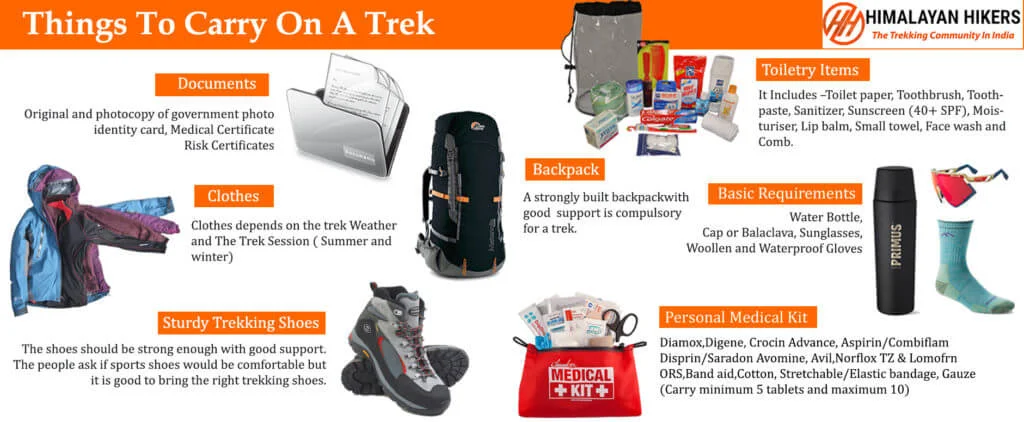
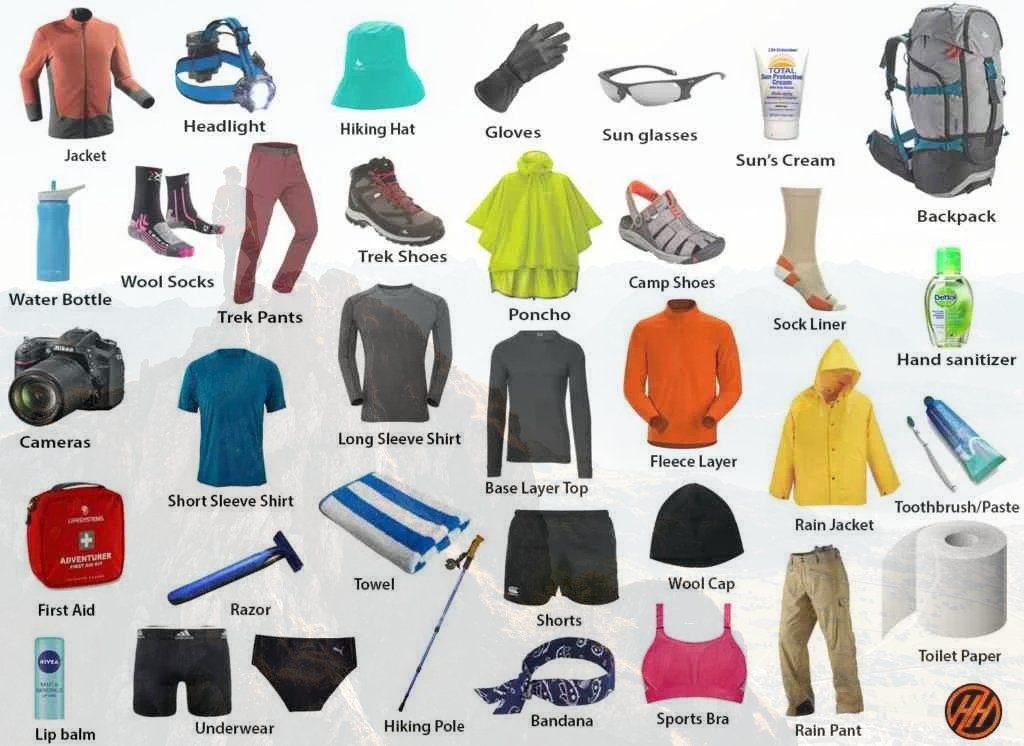
What to Pack for Kang Yatse II Trek
Proper packing is crucial for a safe and comfortable Kang Yatse II Trek. The trek involves high-altitude trails, cold temperatures, and remote regions of Ladakh. Carrying the right clothing, gear, and essentials ensures you stay warm, safe, and prepared for unpredictable conditions.
Clothing
- Insulated jacket: Essential for cold mornings, evenings, and summit nights.
- Thermal innerwear: Helps retain body heat in sub-zero temperatures.
- Quick-dry trekking pants & t-shirts: Comfortable for long trekking days.
- Fleece jacket or warm layers: Useful for layering during cold weather.
- Gloves, woolen hat, and scarf: Protects extremities from cold and wind.
- Rain jacket or windproof shell: Protects against rain and snow.
Footwear & Accessories
- Trekking shoes/boots: Sturdy, waterproof, and suitable for rocky terrains.
- Sandals/flip-flops: For relaxing at camps.
- Socks: Woolen or moisture-wicking socks to prevent blisters.
- Trekking poles: Helpful for balance on steep or rocky trails.
- Sunglasses and sunscreen: Protects against strong high-altitude sun rays.
Gear & Essentials
- Backpack: 12–15 kg recommended for carrying personal items.
- Sleeping bag: Rated for sub-zero temperatures for summit nights.
- Headlamp/torch: Essential for early morning starts or camps at night.
- Water bottles & purification tablets: Stay hydrated and safe.
- Camera or smartphone: Capture the stunning landscapes and memories.
- Personal medication & first-aid kit: Include altitude sickness medicine if necessary.
Additional Tips
Travel light and pack only essentials. Avoid carrying unnecessary heavy items. Always check your gear before departure and ensure it is suitable for high-altitude trekking. Remember, the right preparation ensures a safe and enjoyable Kang Yatse II Trek.
How to Prepare for Kang Yatse II Trek
Preparing for the Kang Yatse II Trek is essential due to its high altitude, technical terrain, and challenging weather conditions. Proper preparation ensures safety, helps prevent altitude sickness, and allows trekkers to enjoy the stunning landscapes of Ladakh to the fullest.
Physical Preparation
- Cardio Training: Activities like running, cycling, swimming, and stair climbing improve stamina and endurance for long trekking days.
- Strength Training: Focus on legs, core, and back muscles with squats, lunges, planks, and weighted exercises to handle steep ascents and carrying a backpack.
- Endurance Hikes: Practice multi-hour hikes with a loaded backpack to simulate real trekking conditions.
- Flexibility & Balance: Yoga and stretching help prevent injuries and improve stability on uneven terrain.
Acclimatization & Health
- Acclimatization Days: Spend at least 2–3 days in Leh or nearby regions to adapt to high altitudes.
- Hydration: Drink plenty of water to reduce the risk of altitude sickness.
- Diet: Eat light, high-energy meals and avoid alcohol or heavy foods before and during the trek.
- Medical Check: Ensure you are physically fit and consult a doctor if you have pre-existing conditions.
- Medication: Carry altitude sickness medicine and a basic first-aid kit.
Mental Preparation
- Plan Your Trek: Understand the route, terrain, and expected weather conditions.
- Mental Endurance: Prepare for long trekking days, cold nights, and physically demanding climbs.
- Team Coordination: Be ready to follow guides’ instructions and cooperate with your trekking group for safety.
Gear & Essentials Preparation
- Check all trekking gear, clothing, and footwear in advance.
- Pack efficiently: limit backpack weight to 12–15 kg.
- Ensure you have essentials like sleeping bags, trekking poles, and water bottles ready.
- Practice using gear such as boots, backpacks, and jackets during training hikes.
Summary
Successful preparation for the Kang Yatse II Trek combines physical fitness, proper acclimatization, mental readiness, and careful gear planning. By training in advance and following recommended health and safety measures, trekkers can safely enjoy the breathtaking Himalayan landscapes, alpine meadows, and remote villages of Ladakh.
Safety with Himalayan Hikers
Safety is the top priority on the Kang Yatse II Trek. Trekking in the high-altitude regions of Ladakh requires proper planning, experienced guidance, and adherence to safety protocols. Himalayan Hikers ensures that every trekker has a secure and enjoyable experience while exploring the remote valleys and peaks of the Himalayas.
Guided Trekking
- Experienced Guides: Himalayan Hikers provides certified and knowledgeable local guides who understand the terrain, weather, and high-altitude challenges.
- Trained Support Staff: Trekkers are accompanied by trained staff for logistics, cooking, and safety support at every stage of the trek.
- Small Group Sizes: Groups are limited to 5–10 participants to ensure personalized attention and quick response in emergencies.
Health & Acclimatization
- Acclimatization Days: Scheduled stops in Leh and key points along the trek allow trekkers to adjust to high altitudes.
- Monitoring Health: Guides monitor each trekker for signs of altitude sickness or fatigue and provide advice on hydration, nutrition, and rest.
- Medical Support: Himalayan Hikers carries a well-stocked first-aid kit and essential medicines for emergencies.
Safety Equipment & Protocols
- Communication: Walkie-talkies are provided for areas with limited mobile connectivity.
- Technical Gear: Proper trekking gear, ropes, and equipment are available for technical sections of the trek.
- Emergency Plans: Evacuation and contingency plans are in place for adverse weather, injuries, or other emergencies.
Guidelines for Trekkers
- Follow all instructions from guides and support staff.
- Maintain physical fitness and stay hydrated.
- Respect altitude limits and don’t push beyond your capability.
- Avoid alcohol and smoking during the trek.
Kang Yatse II Trek: Inclusions
| Category | Included Items |
|---|---|
| Accommodation | Camp stays during trek, guesthouse/hostel in Leh for acclimatization |
| Food & Beverages | Breakfast, lunch, dinner during trek; tea/coffee at camps |
| Guides & Staff | Certified trekking guides, porters, support staff, cooks |
| Transport | Pick-up/drop from Leh airport, local transport during trek |
| Permits & Fees | Trekking permits, park entry fees |
| Medical & Safety | First-aid kit, oxygen cylinders, emergency evacuation plans |
| Gear & Equipment | Camping gear, tents, cooking equipment |
Kang Yatse II Trek: Exclusions
| Category | Excluded Items |
|---|---|
| Accommodation | Luxury hotels, personal room upgrades |
| Food & Beverages | Extra snacks, personal beverages Meals on Day First and the last day are not included in the package. |
| Guides & Staff | Personal guides or private staff beyond group size |
| Transport | International flights, private taxis, optional sightseeing tours |
| Permits & Fees | Optional activities requiring additional permits |
| Medical & Safety | Personal medical insurance, personal medications (except basic aid) |
| Gear & Equipment | Personal trekking shoes, clothing, sleeping bags |
Important Note
Please read the following important guidelines carefully before planning your Kang Yatse II Trek to ensure a safe and smooth experience in Ladakh.
- Meals: Meals on Day 1 (arrival) and the last day (departure) are not included in the trek package.
- Fitness Requirement: This is a difficult trek and requires a good level of physical fitness and prior trekking experience.
- Acclimatization: Proper acclimatization is mandatory to avoid altitude sickness.
- Weather Conditions: Weather in the Himalayas is unpredictable and may affect the itinerary.
- Buffer Day: It is highly recommended to keep an extra day for summit attempts due to possible weather changes.
- Network Connectivity: Mobile networks are limited or unavailable during the trek.
- Follow Guidelines: Trekkers must follow instructions given by guides and staff at all times.
Map not available for this trek.
The Kang Yatse II Trek is classified as a difficult trek. It involves high altitude, long trekking days, and technical sections, making it suitable for experienced trekkers and mountaineers.
The best time to visit is during May to June and September to October, when the weather is stable, skies are clear, and trekking conditions are safe in Ladakh.
Yes, prior trekking experience is highly recommended. Beginners should avoid this trek due to its high altitude and physical demands.
You should have good physical fitness, including stamina and strength. Regular cardio exercises, strength training, and practice hikes are essential before attempting the trek.
The maximum altitude reached during the trek is approximately 6,250 meters at the summit of Kang Yatse II.
Yes, due to high altitude, there is a risk of Acute Mountain Sickness (AMS). Proper acclimatization, hydration, and gradual ascent help reduce the risk.
No, mobile connectivity is limited or unavailable in most parts of the trek. Communication is usually managed through walkie-talkies or guides.
Accommodation includes tents during the trek and basic guesthouse or hostel stays in Leh for acclimatization.
All meals during the trek are provided. However, meals on Day 1 (arrival) and the last day (departure) are not included.
Yes, the trek is safe when done with experienced guides, proper preparation, and adherence to safety guidelines. Following instructions and being physically prepared is essential.


