


The Ultimate Guide to Indrahar Pass Trek the Celestial Divide of the Dhauladhar
The Indrahar Pass Trek (4,342m) is not merely a trail; it is a dramatic gateway between two worlds. Perched on the jagged spine of the Dhauladhar range, this "notch in the skyline" connects the lush, tropical greenery of the Kangra Valley with the rugged, high-altitude wilderness of Chamba.
Whether you are a geology enthusiast or a soul-seeking adventurer, Indrahar offers a vertical odyssey through every climatic zone the Himalayas have to offer.
1. A Living Geological Masterpiece
The Dhauladhar range is a literal "working model" of Himalayan tectonics. It marks the precise point where the Indian Subcontinent plate wedges itself beneath the Eurasian plate with immense force.
- Verticality: Unlike other ranges that rise gradually, the Dhauladhar shoots up like a granite wall from the plains.
- The Climatic Ladder: In a single day’s climb, you transition from sub-tropical forests filled with rhododendron and oak to sub-arctic wastes where only lichen and snow-hardened rocks survive.
- The Granite Giants: The range is composed of massive boulders of Dharamsala Granite, carved by ancient glaciers into the sharp ridges and deep "glens" that define the landscape.
2. The Tale of Two Valleys: Kangra vs. Chamba
Standing at the pass is like standing on the edge of a blade. The contrast on either side is breathtaking:
The Kangra Ascent (South Face)
The ridges rise swiftly and steeply. The valleys here are narrow, wooded "chasms" where the sound of rushing streams follows you through dense forests. It is a vertical climb—sharp, rapid, and physically demanding.
The Chamba Descent (North Face)
Once you cross the watershed, the landscape shifts. The valleys of the Ravi River are long, winding, and secluded. This is the land of the Gaddi shepherds, a place where time slows down amidst deep gorges and high-altitude pastures (Goths).
3. The Monsoon Odyssey: A Green Inferno
Trekking Indrahar in the monsoon (July to August) is a rare, ethereal experience. While most avoid the Dhauladhar during the rains, those who brave it find a world transformed.
- The Emerald Overload: The mountains "swim" in every shade of green imaginable. The mist clings to the ridges, playing a game of hide-and-seek with the towering Mon Peak.
- A Floral Symphony: The meadows explode with wild irises, blue poppies, and the sacred Brahma Kamal tucked into the rocks.
- The Raw Power of Nature: The intensity is palpable—thunder reverberates through the granite walls, and hundreds of temporary waterfalls cascade down the cliff faces like silver threads.
The Challenge: Monsoon trekking is not for the faint-hearted. You will navigate wet granite, falling scree, and stinging nettles. The rivers run in spate, and the trail becomes a test of grit. But the reward? You have the entire range to yourself, shared only with the drifting clouds and the Gaddi herds.
4. Cultural Pulse: The Path of the Gaddis
The Indrahar Pass is an ancient migratory route. Along the way, you will encounter the Gaddi herders—the nomadic masters of the Dhauladhar.
- The Shepherd’s Vigil: Watch as they navigate vertical cliffs with their flocks of thousands.
- The Sound of Silence: The only sounds are the rhythmic tinkling of sheep bells and the occasional whistle of a shepherd echoing across the gorge.
Indrahar Pass Trek Complete Guide
Our mission has always been to ensure that no trekker steps into the Himalayas without the right perspective. A trek is not just a checklist of summits; it is a serious commitment to the outdoors. Having the right information is what separates a reckless climb from a soulful journey.
This section serves as your definitive manual for the Indrahar Pass Trek. We have distilled years of mountain experience and real-time feedback into this guide to give you a clear, honest picture of the trail.
We provide this depth of information because we want you to be more than just a visitor—we want you to be a prepared, responsible trekker who respects the mountains as much as we do.
Day 1 – Mcleodganj (5865 feet) to Triund (9750 feet) (9 km)
Day 2 – Triund (9750 feet) to Laka Got (11,480 feet) (7 km)
Day 3 – Laka Got (11,480 feet) to Indrahar Pass (14,245 feet) and return to Laka Got (12 km)
Day 4 – Laka Got (11,480 feet) to Mcleodganj (5865 feet)
Day 1
Day 2
Day 3
Day 4
Day 1: Mcleodganj (5865 feet) to Triund (9750 feet) (9 km)
Meet the team at Mcleodganj Bus Stand and start the trek to Triund. Today’s trek will be amazing through mixed dense forest of Oaks, Deodar and Rhododendrons.
Triund is on the ridge top and offers exotic views of Dhauladhar ranges on one side and Kangra valley on the other. Setup your camps there in the peaceful environments and spend your night in the tranquil charm of Triund.
Day 2 : Triund (9750 feet) to Laka Got (11,480 feet) (7 km)
Wake up early to watch the sunrise view and changing colors of lofty Himalayan peaks. Have sumptuous breakfast at Triund and head towards Laka Got.
2 km ahead is a snowline cafe, from this point start climbing a ridge. Laka Got is located at snout of the glacier and it is your campsite for today. Setup your camps here and retire for the night.
Day 3 : Laka Got (11,480 feet) to Indrahar Pass (14,245 feet) via Ilaga Pass and return to Laka Got (12 km)
Start the day early, the trekking distance is long and the trail is challenging. The trail is very steep from Ilaga Pass to Indrahar Pass. The treeline recedes and the now the area turns to rocky with no vegetation.
Pass through Lahesh Caves and after a steep and tiring ascent reach Indrahar Pass (14,271 feet). Relish the spell binding views of high Himalayan ranges and mesmerizing wide valleys. Spend some time there and plan your descent to Laka Got.
Day 4 : Laka Got (11,480 feet) to Mcleodganj (5865 feet) (16 km) (5/6 hours)
Post breakfast leave for Mcleodganj via Triund. Halt there for some time, have lunch there and continue the trek. The terrain is rocky so walk carefully.
This distance is long but descending takes less time. Reach Mcleodganj; the start and end point of this trek.
No difficulty level available.
No best time available.
No How to Reach the Base Camp available.
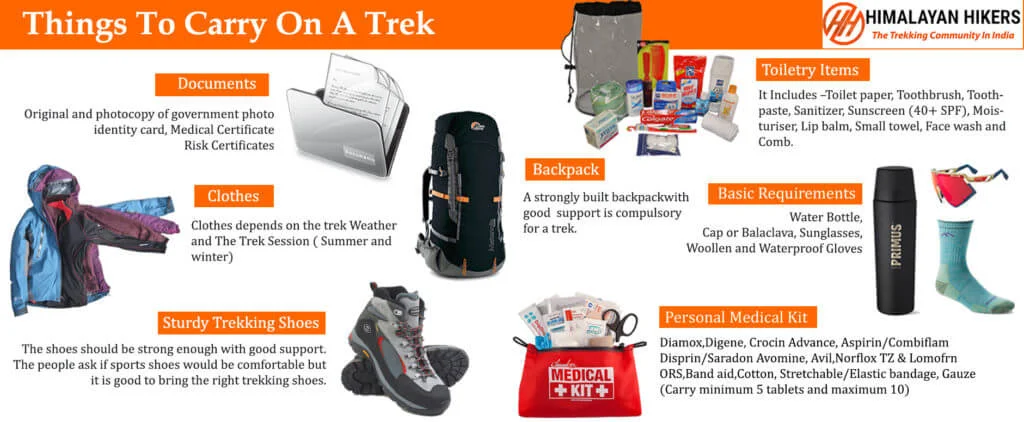
Necessary Items for trekkers
Mandatory Documents
Original and photocopy of government photo identity card- (Aadhar Card, Driving License, Voters ID, etc,)
Passport and Visa important to foreigners
Medical Certificate (First part should be filled by the Doctor and Second part by the Trekker)
Declaration Certificates
Note: – Many trekkers commit the same mistake of carrying unnecessary items on a trek which only makes the backpack heavy. It is important to know the right items to carry. It differs from season to season if you are trekking in summers then carry less layers of warm clothing and if you are trekking in winters carry enough layers to protect yourself against chilly cold.
Basic Trekking Gears
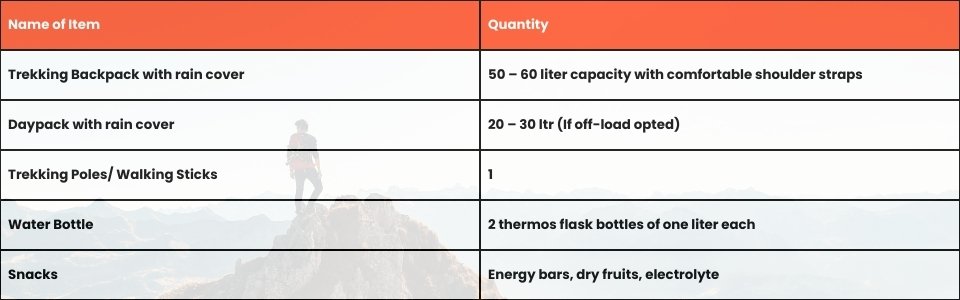
The Clothes You Should Bring On Satopanth Expedition
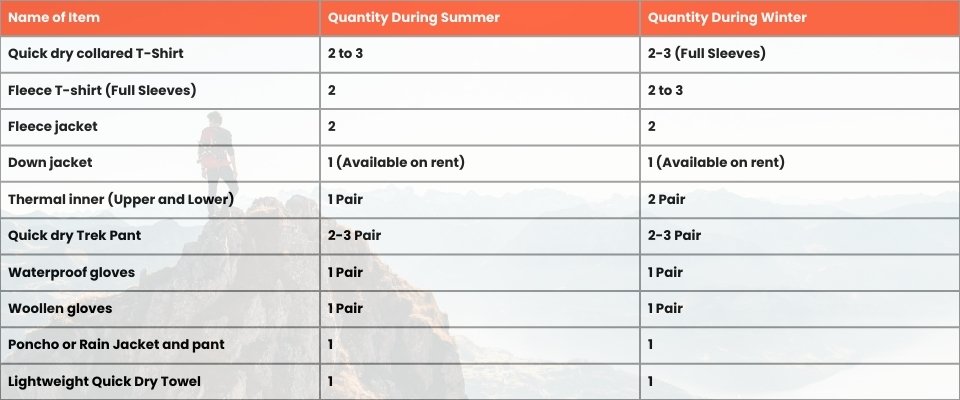
Head Gears
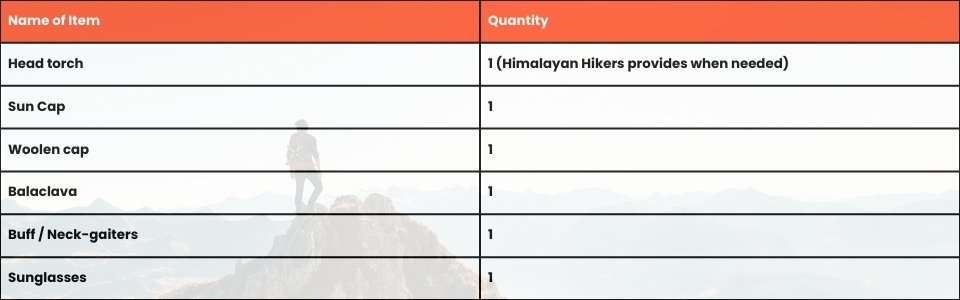
Foot Gears
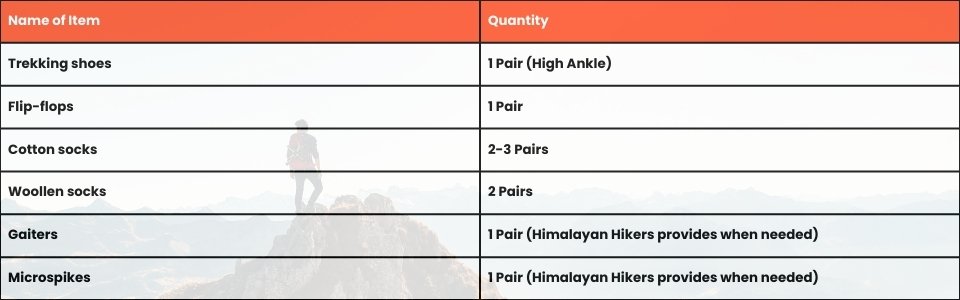
Personal Care Essentials

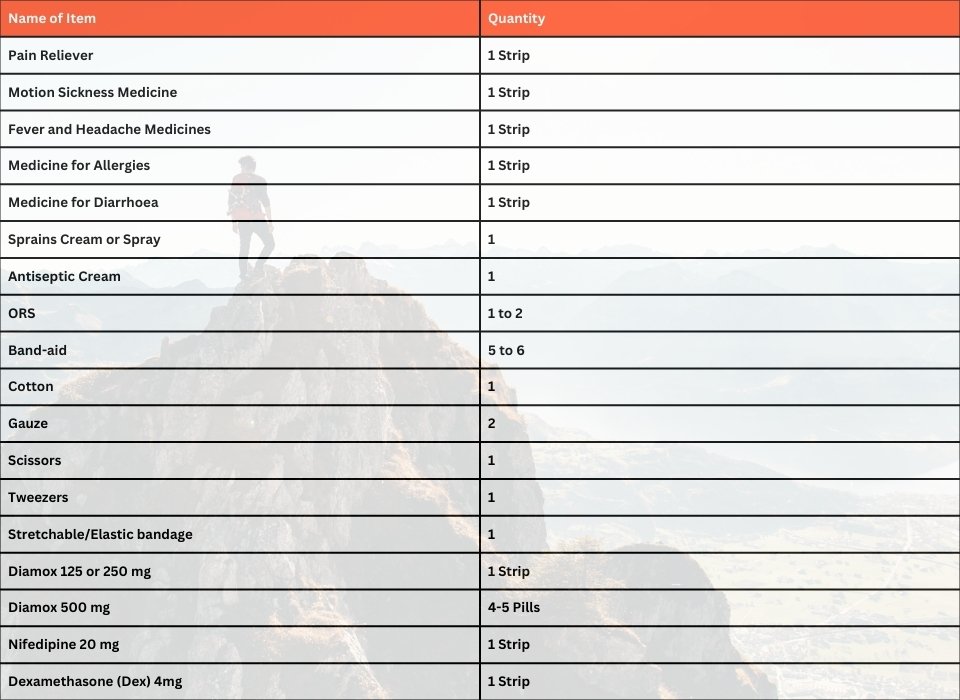
Carry a Personal Medical Kit
Are you Looking for Trekking Equipment on Rent?
If any trekker requires trekking equipment on rent, Himalayan Hikers offers the best-quality gear available for rental. Many individuals are in need of such equipment, and renting provides a cost-effective solution, allowing them to access high-quality gear at an affordable price without the need for a significant investment for short-term use.
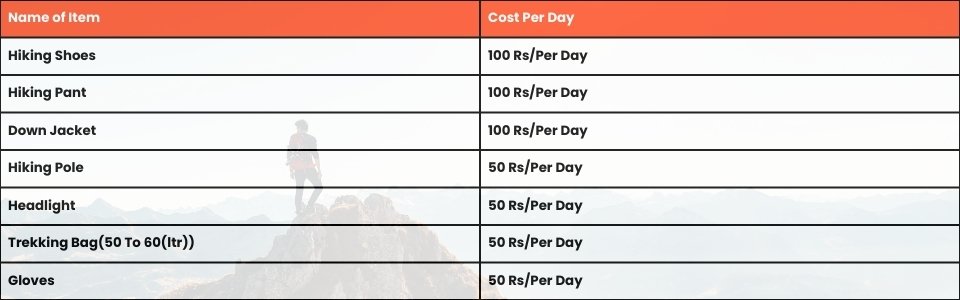
Trek Equipment You can book directly on first day at the Base Camp.
Note:-
Please take all medicines only when prescribed by the doctor. In case you face any problem during your trek,
discuss and take advice from the Professional guide.
The Trek is one of the most popular treks in Uttarakhand, Himachal,Kashmir,Laddakh,Sikkim,Nepal, requiring both physical preparation and mental readiness. Although it is categorized as a moderate trek, reaches an elevation of over 12,720 feet and traverses remote Himalayan terrain, which can be physically and mentally challenging. Here's how you can prepare yourself for a safe and successful accomplishment of the Trek:
Physical Fitness
Building a good fitness base is essential for every trekker. The Trek itinerary involves 5 to 6 hours of walking every day. Though the trails are well-marked, they are often bumpy and include steep uphill sections, which may affect your stamina. You can overcome your physical limitation with a 6-week training program that you can begin about 2 months before your Trek. Your 6-week fitness routine should include

Pro Tip: If you have time, you can skip the Sunday training and go for a long-distance walk or mini day-hike (7–10 km) with a loaded backpack to simulate real trekking conditions. A short 1-day hike around your city/town can help a lot.
Mental Preparation
Physical strength is only half the journey, the other half is mental resilience. The trail takes you through remote clearings, steep climbs, cold starry nights, and no mobile connectivity. Be prepared to:
(I) - Detach from the digital world.
(II) - Embrace basic mountain living (camping, toilet tents, limited electricity).
(III) - Push through moments of fatigue, weather discomfort, or altitude effects.
A positive mindset, patience, and the ability to adapt will carry you farther than muscle ever could.Himalayan Hikers is a reputable trekking company that places a high priority on safety. Here are some of the safety measures they take to ensure the safety of their clients during the Trek:
Experienced Guides: Himalayan Hikers hires experienced and certified guides who are well-versed in the terrain, weather conditions, and local culture. These guides have first-hand knowledge of the routes and are equipped to handle any emergency situations that may arise.
Proper Gear: The company provides all the necessary gear and equipment to their clients to ensure comfort and safety during the trek.
Hygiene and Sanitation: Himalayan Hikers places great emphasis on hygiene and sanitation during the Trek. They provide clean drinking water, hand sanitizers, and toilet tents to ensure that their clients are healthy and comfortable.
Emergency Services: The company has a well-defined protocol for handling emergency situations. They have a team of trained medical professionals who are available 24/7 and can be quickly mobilized in case of an emergency.
Acclimatization: Himalayan Hikers follows a gradual acclimatization process during treks to ensure that their clients adjust to the high altitude gradually. They also monitor the health of their clients regularly and provide necessary medical attention if required.
Overall, Himalayan Hikers places a great emphasis on safety and takes all necessary measures to ensure the safety and well-being of their clients during treks.
Transport Facility Mcleodganj To Mcleodganj
Forest Permit and entrance fee
Accommodation in tents on twin share basis
All meals: breakfast, packed lunch, tea, coffee, snacks, soup and dinner
(All camping gears)
High quality tents
Sleeping bags
Mattress
Liner
Pillow
Separate Toilet tents – Ladies and Gents
Dining Tent
Dining Table
Porters
Helper
Mules
Kitchen team
Radio Walkie Talkie for Communication
Good Experience Trek Leader guide and Technical guide
Medical Kit
Oxygen Cylinders
Crampons and Gaiters
Personal Insurance
Medical Certificate
Personal toiletry Items and Personal Medicine kit
On first day En Route to base camp the Breakfast and Lunch are Not Included
Last Day En Route Lunch and Dinner are Not Included
Important Note
No important note.
Map not available for this trek.
No FAQs available for this trek.


