


One of the main reasons this trek is so famous is because of the incredible mountain views it offers. From various points along the route, trekkers can see some of the highest peaks in the world, including Mount Everest, Lhotse, Makalu, and Cho Oyu. The highlight of the trek is the climb to the summit of Gokyo Ri, which stands at an altitude of 5,357 meters. From this viewpoint, trekkers are rewarded with a breathtaking panoramic view of the Himalayan range, making it one of the best viewpoints in Nepal.
Another major attraction of the Gokyo Ri Trek is the famous Gokyo Lakes. These are a series of six glacial lakes known for their bright turquoise color and crystal-clear water. Surrounded by towering mountains, these lakes create a peaceful and magical atmosphere that leaves a lasting impression on every visitor. The lakes are also considered sacred by local people, adding cultural and spiritual importance to their natural beauty.
In addition to mountains and lakes, the trek is also known for the Ngozumpa Glacier, which is the largest glacier in Nepal. Walking near this massive glacier is a unique experience, as it showcases the raw and powerful beauty of nature. The changing landscapes, from green valleys to icy terrains, make the journey even more exciting and memorable.
Pass through the picturesque trail and enter Gokyo Ri Trek
The Gokyo Ri Trek is not only about natural beauty but also about cultural exploration. Along the route, trekkers pass through traditional Sherpa villages where they can learn about the local lifestyle, customs, and traditions. Places like Namche Bazaar provide an opportunity to interact with local people, taste traditional food, and understand the unique culture of the region.
Overall, the Gokyo Ri Trek is famous for its perfect combination of scenic beauty, adventure, and cultural richness. It offers a complete trekking experience that includes stunning mountain views, peaceful lakes, glaciers, and cultural encounters. For those seeking a memorable and less crowded Himalayan adventure, this trek is an excellent choice.
Isolated trails of Gokyo Ri trek pass through rich sections of Himalayan flora and fauna and offer an opportunity for trekkers to witness the raw landscapes of Nepal.
Mark your entry into the Gokyo Lake valley and come across exotic alpine lakes en route.
Gokyo Ri Trek – Summit: Best Viewpoint in the Everest Region
The summit of Gokyo Ri is widely regarded as one of the finest viewpoints in the entire Everest Region. What makes this viewpoint truly special is its breathtaking panoramic view of the Himalayan range. Unlike many other viewpoints, Gokyo Ri offers a clear and wide-angle perspective of multiple high peaks at once, giving trekkers an unforgettable visual experience.
Spectacular Mountain Views
From the top of Gokyo Ri, trekkers can witness a stunning lineup of some of the world’s tallest and most majestic mountains. These include:
- Mt Everest (8,848 m)
- Makalu (8,475 m)
- Lhotse (8,501 m)
- Cho Oyu (8,153 m)
- Gyangchung Kang (7,922 m)
- Thamsreku (6,808 m)
- Kantega (6,685 m)
- Taweche (6,542 m)
- Cholatse (6,440 m)
- Kusum Kanguru (6,367 m)
- Lobuche (6,145 m)
These peaks together create a dramatic and awe-inspiring skyline, making the summit one of the most visually rewarding locations in the Himalayas.
View of Ngozumpa Glacier
One of the most fascinating aspects of this viewpoint is the view looking downward. Below the summit lies the massive Ngozumpa Glacier, the largest glacier in Nepal. Its vast icy surface stretches across the valley, adding depth and contrast to the surrounding snow-covered peaks.
Overall Experience
Overall, the Gokyo Ri summit offers a complete Himalayan experience—snow-covered peaks, largest glaciers, and endless natural beauty all visible from one single point. This unique combination is why it is often considered the best viewpoint in the Everest region and a major highlight of the entire trek.
Gokyo Ri Trek Complete Guide
Our mission has always been to ensure that no trekker steps into the Himalayas without the right perspective. A trek is not just a checklist of summits; it is a serious commitment to the outdoors. Having the right information is what separates a reckless climb from a soulful journey.
This section serves as your definitive manual for the Gokyo Ri Trek. We have distilled years of mountain experience and real-time feedback into this guide to give you a clear, honest picture of the trail.
We provide this depth of information because we want you to be more than just a visitor—we want you to be a prepared, responsible trekker who respects the mountains as much as we do.
Day 1 – Reach Kathmandu
Day 2 – Kathmandu to Lukla (2800 m) and Phakding (2,652 m)
Day 3 – Phakding to Namche Bazaar (3440 m)
Day 4 – Acclimatization Day
Day 5 – Namche Bazaar to Mongla (3970 m)
Day 6 – Mongla to Dole (4038 m)
Day 7 – Dole to Machhermo (4465 m)
Day 8 – Machhermo to Gokyo (4720 m)
Day 9 – Gokyo to Gokyo Ri (5483 m) and descend to Machhermo
Day 10 – Machhermo to Namche Bazaar (3440 m)
Day 11 – Namche Bazaar to Lukla (2800 m)
Day 12 – Lukla to Kathmandu
Day 1
Day 2
Day 3
Day 4
Day 5
Day 6
Day 7
Day 8
Day 9
Day 10
Day 11
Day 12
Day 1: Reach Kathmandu
Today arrive in Kathmandu and get yourself prepared for the trek. Meet the team at the airport and you will be briefed about the trek. Check in at a hotel, then we will check if you have the proper trekking gear or if something is missing. Prepare the essentials for the trek and stay comfortably in a hotel.
Day 2: Flight from Kathmandu to Lukla and trek to Phakding (2,652 m)
Post breakfast, reach Tribhuvan Domestic Airport of Kathmandu and take a flight to Lukla. You can reach there in half an hour. The experience of flying will be one of the best, as it passes through valleys, mountain ranges, and quaint villages.
Arrive in Lukla where the team members will receive you. From here, trek to Phakding, which will take approximately 3.5 hours. Pass through beautiful villages and lush green mountains. Reach Phakding and stay in a guesthouse for the night.
Day 3: Phakding to Namche Bazaar (3,440 m)
Today the trek is to Namche Bazaar, which lies at an altitude of 3,440 metres. The beautiful, huge green mountains surround this place, and it is a pleasure to trek along the Dudh Koshi River till Namche.
Take a break at Monjo, and from here the ascent starts through dense green forest. As you approach Namche, you’ll get a glimpse of the huge Mt. Everest and Lhotse if the weather remains clear.
Stay at a lodge for the night.
Day 4: Acclimatization Day
Today is for rest and acclimatization. You can explore the surrounding area. Just above Namche Bazaar is the Namche Museum, from where Mt. Everest and Lhotse are clearly visible.
You can also visit Namche Bazaar or the Namche Monastery.
Day 5: Namche Bazaar to Mongla (3970 m)
After breakfast, start the climb from Namche Bazaar to Kyangjuma, a small village that offers magnificent views of Ama Dablam (6,856 m), Thamserku (6,808 m), and Kantega (6,685 m).
From Kyangjuma, gradually climb to Mongla, a small hamlet with some tea houses and breathtaking views of lofty snow-capped peaks. Enjoy your overnight stay in a lodge.
Day 6: Mongla to Dole (4038 m)
From Mongla, descend towards the Dudh Kosi and follow the river to its source. Gradually gain altitude as the trail becomes more isolated, passing through forests of Rhododendrons and Fir.
Cross this section and reach Dole, a small settlement with a few tea houses, offering stunning views of Thamserku (6,808 m) and Kantega (6,685 m).
Day 7: Dole to Machhermo (4465 m)
Start your trek with a steep incline from Dole to Luza (4,360 m) via Lahframa (4,220 m). The trail then becomes easier and takes you through small, quaint villages of Nepal.
Follow the Dudh Kosi towards its source and reach the small hamlet of Machhermo, which has a few tea houses. You will stay overnight in a lodge here.
Day 8: Machhermo to Gokyo (4720 m)
After a short climb, reach Phangka. The valley broadens here, and you descend towards the river. Begin climbing the trail that leads to the terminal moraine of the Ngozumba Glacier. Climb up the moraine and cross an old iron bridge, marking the entry to the fascinating “Gokyo Lake Valley”.
After a short hike from here, you will see the first lake of the valley, “Longpongo”. A short distance ahead lies another lake, “Taboche Tso”, which is connected to Dudh Pokhri, the third lake. Gokyo village is located on its bank.
Gokyo is your destination for today. You will stay overnight in a lodge here.
Day 9: Gokyo to Gokyo Ri (5483 m) and descend to Machhermo
Across Dudh Pokhri, the lofty Gokyo Ri stands in glory. Start early today and head towards the Gokyo peak. The climb is tough and steep, but it rewards you with breathtaking views of the Himalayas.
Gokyo Ri is one of the best scenic spots in the region, offering a panorama of the lofty Himalayan peaks. The high peaks visible from here include Mt. Everest (8848 m), Makalu (8475 m), Lhotse (8501 m), Cho Oyu (8153 m), Gyangchung Kang (7922 m), Thamsreku (6808 m), Kantega (6685 m), Taweche (6542 m), Cholatse (6440 m), Kusum Kanguru (6367 m), Lobuche (6145 m), and other snow-covered peaks.
After spending ample time at the summit, retrace your steps and descend back to Machhermo for overnight stay.
Day 10: Machhermo to Namche Bazaar (3440 m)
From Machhermo, retrace your steps back to Dole, following the Dudh Kosi River and passing through forests of Rhododendrons and rich sections of Birch trees.
The trail is mostly downhill with a few ascents. Reach Namche Bazaar and spend the night in a lodge.
Day 11: Namche Bazaar to Lukla (2800 m)
Today, return from Namche Bazaar to Lukla and enjoy the last day of trekking in the Khumbu region. The trek is relatively easy but feels long due to the distance covered. Take in the scenic beauty along the trail and celebrate the completion of your trek.
Day 12 : Lukla to Kathmandu
Go to the Airport and board a flight to Kathmandu. Do not miss the valley and high mountain views while you are flying.
Reach Kathmandu and explore the Nepali culture and traditions in your leisure time. Stay in a guest house or hotel there.
The Gokyo Ri Trek is generally considered a moderate to challenging trek. While it does not require technical climbing skills, it demands good physical fitness, stamina, and proper acclimatization due to its high altitude.
Key Factors Affecting Difficulty
High Altitude: The trek reaches up to 5,357 meters at Gokyo Ri, where oxygen levels are low. This can lead to altitude sickness if not managed properly.
Long Walking Hours: Trekkers usually walk 5–7 hours per day on uneven and rugged terrain, which can be physically demanding.
Steep Ascents: Certain sections, especially the climb to the Gokyo Ri summit, involve steep and tiring uphill trekking.
Weather Conditions: Weather in the Everest Region can change quickly, with cold temperatures and strong winds at higher altitudes.
Who Can Do This Trek?
This trek is suitable for:
- People with basic trekking experience
- Physically fit beginners with good preparation
- Adventure seekers willing to handle high-altitude conditions
Spring Season (March to May)
Spring is one of the best times to visit the Gokyo Ri Trek. During this season, the weather is mild and comfortable, making trekking easier and more enjoyable. One of the biggest highlights of spring is the blooming rhododendron flowers, which add bright colors to the trails and make the landscape look vibrant and lively. The skies are usually clear in the morning, allowing trekkers to enjoy beautiful views of the Himalayan peaks, including Mount Everest. Overall, spring offers a perfect mix of good weather and natural beauty.
Autumn Season (September to November)
Autumn is considered the best overall season for trekking in the Everest Region. After the monsoon rains, the air becomes fresh and clean, providing excellent visibility of the mountains. The weather remains stable, with warm days and cool nights, making it ideal for long trekking days. The views from the Gokyo Ri summit are especially clear and breathtaking during this time. In addition, major Nepali festivals like Dashain and Tihar take place in autumn, giving trekkers a chance to experience local culture and traditions.
Winter Season (December to February)
Winter is the coldest season in the region and is less suitable for trekking. Temperatures can drop significantly, especially at higher altitudes, making the journey challenging. Heavy snowfall can block trails and make climbing difficult. Although the views can still be beautiful, the extreme cold and harsh conditions make this season less recommended for most trekkers.
Monsoon Season (June to August)
The monsoon season brings heavy rainfall to the region, making the trails slippery and difficult to walk on. Clouds and fog often block mountain views, reducing visibility. There is also a higher risk of landslides in some areas. Because of these challenges, monsoon is generally not considered a good time for the Gokyo Ri Trek.
Reach Kathmandu (Starting Point)
To begin the journey to the Gokyo Ri Trek, travelers first need to reach Kathmandu, the capital city of Nepal. Kathmandu is well connected to major international cities by air, and it serves as the main gateway to the Everest region.
Flight from Kathmandu to Lukla
From Kathmandu, trekkers take a domestic flight to Lukla, which is the starting point of the trek. The flight is short (about 30–40 minutes) but very scenic, offering stunning aerial views of the Himalayas. Lukla Airport is known for its small runway and thrilling landing experience.
Trek from Lukla to Gokyo Ri
After reaching Lukla, the trekking journey begins on foot. The route passes through beautiful villages and landscapes, including Phakding and Namche Bazaar, where trekkers usually stop for acclimatization. From Namche, the trail moves towards quieter paths leading to Dole, Machhermo, and finally Gokyo village.
From Gokyo, trekkers climb up to the summit of Gokyo Ri to enjoy breathtaking views of the surrounding mountains.
Alternative Option (Helicopter)
For those who want a faster or more comfortable option, helicopter services are also available from Kathmandu to Gokyo or Lukla. This option is more expensive but saves time and offers a unique aerial experience of the Himalayan region.
What to Pack for Gokyo Ri Trek
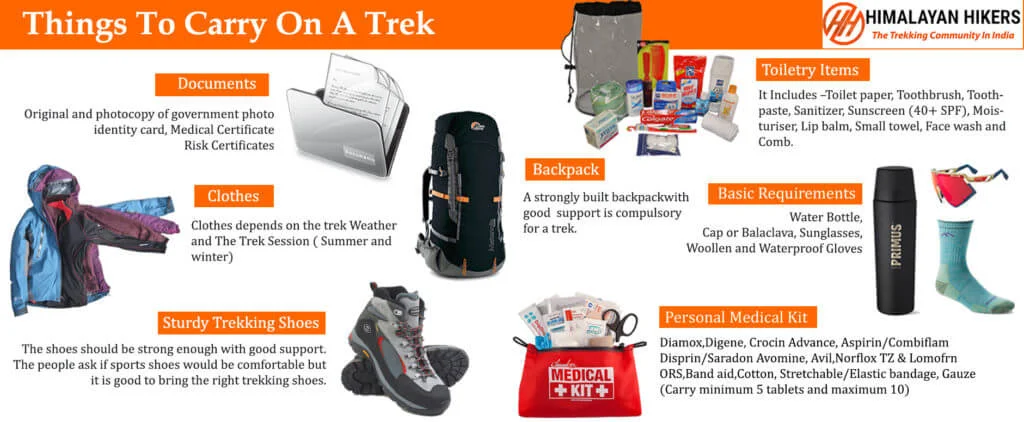
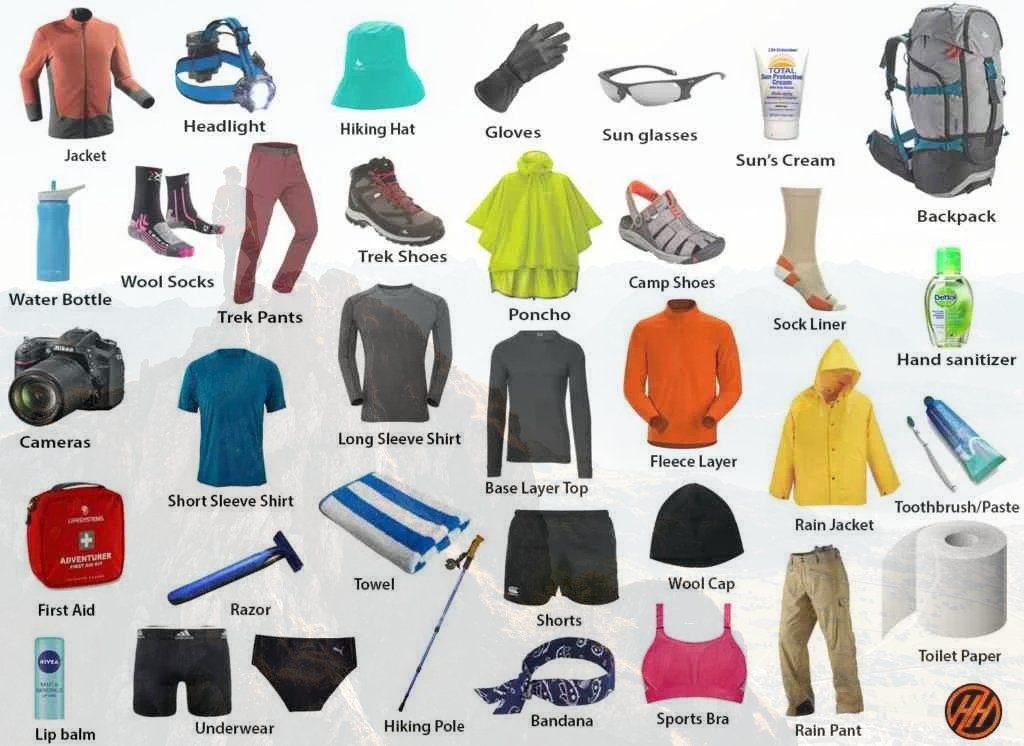
Packing for the Gokyo Ri Trek requires careful planning because of high-altitude conditions, cold weather, and long trekking days. Here’s a detailed guide on what to carry:
Clothing
- Base Layers: Thermal tops and bottoms to keep warm at high altitudes.
- Insulating Layer: Fleece or down jacket for cold mornings and evenings.
- Outer Layer: Waterproof and windproof jacket and pants to protect against rain and snow.
- Trekking Pants & Shirts: Lightweight, quick-dry clothing for daytime trekking.
- Gloves, Hat & Scarf: Warm gloves, a woolen hat, and a scarf or buff for sun and wind protection.
- Socks: Multiple pairs of warm trekking socks to keep feet dry and blister-free.
Footwear
- Trekking Boots: Sturdy, waterproof, and comfortable boots with good ankle support.
- Camp Shoes/Sandals: Lightweight shoes for evenings in teahouses.
Backpack Essentials
- Daypack: 30–40 liters for daily essentials like water, snacks, camera, and extra clothing.
- Sleeping Bag: A high-quality sleeping bag suitable for temperatures as low as -10°C to -15°C.
- Trekking Poles: Helpful for steep and uneven trails.
Health & Safety Items
- Water Bottle / Hydration System: To stay hydrated at high altitude.
- Water Purification Tablets or Filter: Safe drinking water is important.
- First Aid Kit: Include medications for altitude sickness, pain relief, and minor injuries.
- Sunscreen & Lip Balm: High SPF to protect from strong Himalayan sun.
- Sunglasses: UV-protected sunglasses for snow glare.
Miscellaneous
- Snacks & Energy Bars: For quick energy during trekking.
- Headlamp / Flashlight: Useful in teahouses or for early morning climbs.
- Camera / Smartphone: To capture stunning landscapes.
- Power Bank & Chargers: Electricity may be limited in teahouses.
- Toiletries: Travel-sized essentials, tissues, and hand sanitizer.
Tips for Packing
- Pack lightweight and layered clothing for flexibility.
- Avoid carrying too much; most trekking lodges provide basic amenities.
- Keep important documents (passport, permits, insurance) in a waterproof pouch.
How to Prepare for the Gokyo Ri Trek
Proper preparation is key to enjoying the Gokyo Ri Trek, especially because it involves high-altitude trekking, long walking hours, and variable weather conditions. Here’s a detailed guide on how to prepare:
Physical Preparation
- Cardiovascular Training: Running, cycling, swimming, or brisk walking to improve stamina and lung capacity. Aim for 2–3 months before the trek.
- Strength Training: Focus on legs, core, and back. Exercises like squats, lunges, step-ups, and planks help handle uphill climbs and backpacks.
- Hiking Practice: Practice trekking on uneven terrain with a weighted backpack, gradually increasing distance and elevation.
Acclimatization
- Plan rest days at key stops like Namche Bazaar and Machhermo to adjust to high altitude.
- Ascend gradually to avoid altitude sickness.
- Monitor symptoms like headache, nausea, or dizziness.
Gear & Equipment
- Invest in quality trekking boots with ankle support.
- Use a reliable backpack and trekking poles.
- Carry layered clothing suitable for cold and windy conditions.
- Bring essentials: sleeping bag, headlamp, water purification tablets, and first-aid kit.
Permits & Documentation
- Obtain a TIMS Card (Trekkers’ Information Management System).
- Get a Sagarmatha National Park Permit.
- Carry a valid passport and travel insurance that covers high-altitude trekking.
Nutrition & Hydration
- Eat a balanced diet before and during the trek to maintain energy.
- Drink plenty of water daily to prevent dehydration.
- Carry energy bars or snacks for long trekking days.
Mental Preparation
- Be ready for long walking hours and physical challenges.
- Accept that weather may change quickly and some days may be tiring.
- Stay positive and patient; mental resilience is key.
Tips for Success
- Start training at least 2–3 months before the trek.
- Travel light but carry essential gear.
- Listen to your body and rest when needed.
- Acclimatize properly and never rush to higher altitudes.
Safety with Himalayan Hikers
Safety is one of the most important aspects of trekking in the high-altitude Everest Region. Trekking with experienced Himalayan hikers or local guides ensures a secure and enjoyable journey on the Gokyo Ri Trek. Here are the key safety considerations:
Guided Trekking
- Professional guides help navigate tricky terrain and avoid unsafe paths.
- Guides provide local knowledge about weather, altitude, and cultural etiquette.
- Trained guides are skilled in emergency response and first aid.
Navigation and Communication
- Guides carry maps, GPS devices, and radios for communication in remote areas.
- They can coordinate with rescue teams in case of emergencies.
- Trekking in groups reduces the risk of getting lost and increases overall safety.
Health and Altitude Safety
- Guides monitor trekkers for signs of altitude sickness and advise proper acclimatization.
- They recommend rest days at key stops like Namche Bazaar.
- Trained guides can administer first aid or arrange medical evacuation if necessary.
Risk Management
- Guides help trekkers avoid landslide-prone areas and slippery trails.
- They provide safety instructions for river crossings, steep ascents, and glacier paths.
- Experienced guides can adjust the itinerary in case of sudden weather changes.
Conclusion
- Trekking with Himalayan hikers or local guides improves safety, comfort, and overall experience.
- Following their guidance ensures a secure and memorable journey on the Gokyo Ri Trek.
Accommodation: Day 1st accommodation in hotel. Day 2nd to Day 14th accommodation in Tea House.
Permit: All Necessary Trek permit. Transportation: Ramechap to Lukla & Lukla to Ramechap Both Way by Flight.
Offloading: 10 kg Offloading facilities for every trekker (we provide duffle bag individually).
Medical Support: Strong Medical kit, Oxygen can, Oximeter.
Safety Equipment: Micro Spike and Gaiter (as per snow condition)
Group Leader: Experienced Trek leader.
Additional Service: Cloakroom room facility available at Lukla.
Food Service: Three time meal include (Breakfast, Lunch and Dinner)
Trek Completion Certificate.
Transport - 4,000 /- INR. Raxaul to Ramechap and return to Raxaul by car.
Emergency evacuation and hospitalization charges.
Insurance cost not included. For trekkers aged 50 and above, personal insurance is mandatory (no trek permit will be issued without insurance).
Important Note
Note: You must carry your original Voter and Aadhaar cards with you when traveling Gokyo Ri Trek.
Note 1: In the event that an extra day is required for the trekking itinerary due to unforeseen weather conditions, government orders, socio political unrest, self-injury or any others illness during trek. Additional cost of ₹3,500/- (Three Thousand Five Hundred Indian Rupees) per day will be incurred. This cost must be paid by the trekkers.
Note 2: In case any trekker is injured or medically not fit to carry out the trek, He or She has to descend, we could be arranged for the same however the trekkers have to bear the expenses for the descend. The same is applicable for someone wiling not to continue the trek.
Map not available for this trek.
The best time to visit is during spring (March to May) and autumn (September to November). These seasons offer clear skies, stable weather, and excellent mountain visibility.
The trek is considered moderate to challenging. It involves long walking hours, steep ascents, and high altitude (up to 5,357 meters), so good physical fitness and proper acclimatization are necessary.
While it is possible to trek independently, hiring a local guide or porter is highly recommended for navigation, safety, and carrying heavy luggage.
Trekkers must obtain a TIMS Card (Trekkers’ Information Management System) and a Sagarmatha National Park Permit.
Yes, beginners with good fitness and proper preparation can complete the trek. Gradual acclimatization and trekking in a group or with a guide is recommended.
Fly from Kathmandu to Lukla, then trek through villages like Phakding, Namche Bazaar, Dole, Machhermo, and Gokyo before climbing the Gokyo Ri summit. Helicopter transfers are also available as an alternative.
Essential items include layered clothing, trekking boots, gloves, hat, sleeping bag, water, snacks, first aid kit, and trekking poles. Proper gear is crucial for comfort and safety.
Yes, altitude sickness can occur above 3,000 meters. Gradual ascent, rest days, hydration, and monitoring symptoms are essential to prevent serious issues.
Yes, basic teahouses and lodges are available along the route, providing meals and sleeping arrangements. Facilities are simple but adequate for trekkers.
Yes, travel insurance covering high-altitude trekking, medical emergencies, and evacuation is highly recommended for safety.


