


The meadows play a vital role in one of the most significant festivals in the Himalayas: Fulaich.
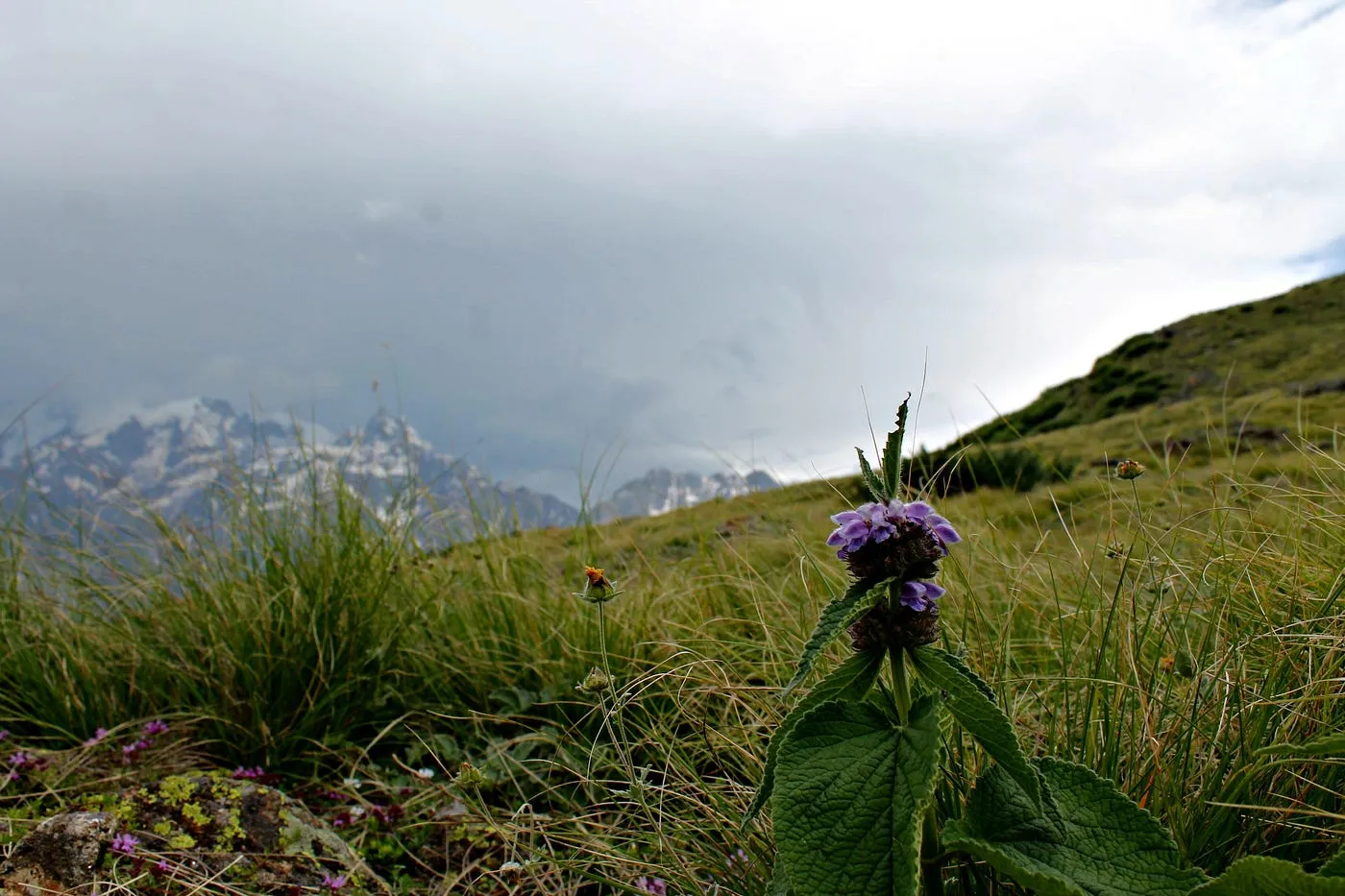
- The Flower Seekers: Every September, designated village youths (often from Kalpa or Roghi) trek past the Chaka Meadows into the higher ridges to collect rare high-altitude wildflowers like the Brahmakamal (Saussurea obvallata).
- Ancestral Spirits: Historically, the meadows were seen as the "waiting room" for spirits. During Fulaich, these flowers are brought down to the village temples to honor the dead and invite the blessings of the local deity, Chandika Devi.
The Path of the Monks
Kalpa sits at a unique cultural crossroads where Hinduism and Tibetan Buddhism blend seamlessly.
- The 10th-Century Legacy: The proximity to the Hu-Bu-Lan-Kar Monastery (founded by the "Great Translator" Rinchen Zangpo around 950–1055 AD) means this trail was historically frequented by monks seeking solitude.
- Meditation Caves: Local lore suggests that the rocky outcrops higher up the Chaka ridge contain small natural shelters used by wandering ascetics for Tapasyā (deep meditation) while facing the sacred Kinner Kailash.
The Myth of the "Color-Changing" Guardian
From the meadows, your primary view is the Kinner Kailash Shivling ($6,050m$).
- The Legend of the Sentinel: To a hiker, it’s a geological wonder. To a local, it’s a living entity. Historically, travelers used the Shivling as a weather barometer.
- The Tonal Shift: Ancient texts describe the rock changing color throughout the day (from copper-red at dawn to grey-black at dusk). In the past, specific colors were interpreted by village elders as omens for the coming harvest or winter severity.
Hiker’s Historical Context
- The Name "Chaka": Locally, the word often refers to the "peak" or "top" that guards the village.
- Stone Mounds (Chortens): Along the trail, you may see small piles of stones. These aren't just trail markers; they are Lhatos (shrines to mountain spirits). Hikers historically added a stone to the pile to ask for safe passage through the "unpredictable" weather of the Kinnaur Kailash range.
Chakka Meadows Trek Complete Guide
Our mission has always been to ensure that no trekker steps into the Himalayas without the right perspective. A trek is not just a checklist of summits; it is a serious commitment to the outdoors. Having the right information is what separates a reckless climb from a soulful journey.
This section serves as your definitive manual for the Chakka Meadows Trek . We have distilled years of mountain experience and real-time feedback into this guide to give you a clear, honest picture of the trail.
We provide this depth of information because we want you to be more than just a visitor—we want you to be a prepared, responsible trekker who respects the mountains as much as we do.
Day 1 Shimla to Kalpa Drive along the Sutlej; 8–10 hours of mountain roads.
Day 2 Acclimatization / Exploration Visit Roghi Village, Suicide Point, and Hu-Bu-Lan-Kar Monastery.
Day 3 Trek to Chakka Meadows 4–6 hour round trip hike; stunning Kinner Kailash views.
Day 4 Kalpa to Shimla Early morning departure for the return leg.
Day 1
Day 2
Day 3
Day 4
Day 1: The Long Road to Kinnaur
- Distance: 235 km | Drive Time: 8–10 hours.
- The Route: Shimla -Narkanda - Rampur -Jeori -Reckong Peo -Kalpa.
- Hiker's Tip: Stop at Narkanda for breakfast. As you enter Kinnaur near Wangtu, watch the landscape shift from lush green to rugged, vertical granite cliffs.
- Stay: Overnight in Kalpa (Homestays are best for local history).
Day 2: Cultural Warm-up & Acclimatization
- Purpose: At 2,960m, you shouldn't rush the trek. Use this day to prep your lungs.
- Activities: Walk the 4 km stretch from Kalpa to Roghi Village. It’s a flat walk but perched over a 1,000-foot drop (Suicide Point). Visit the Narayan-Nagini Temple, a masterpiece of Kinnauri wood carving.
- The "Kuhl" Walk: Find the local water channel (kuhl) in Kalpa and follow it for a kilometer to get used to the pace.
Day 3: The Ascent to Chakka Meadows
- Altitude Gain: 2,960m to 3,800m.
- The Trek: Start by 8:00 AM. The trail begins near the Kalpa-Roghi road (often behind the HRTC guest house or near the water channel).
- The Experience: You'll climb through pine forests into the high alpine meadows. Keep the Kinner Kailash (6,050m) and Jorkanden (6,473m) peaks to your left.
- Top Tip: Carry a packed lunch and a windcheater. Even in summer, the wind at the meadows can be biting. Spend 1-2 hours at the top before descending.
Day 4: Return to Shimla
- Departure: 7:00 AM.
- Hiker's Bonus: If you have an extra day, consider stopping at Sarahan on the way back to visit the
Difficulty level of the Chakka Meadows Trek
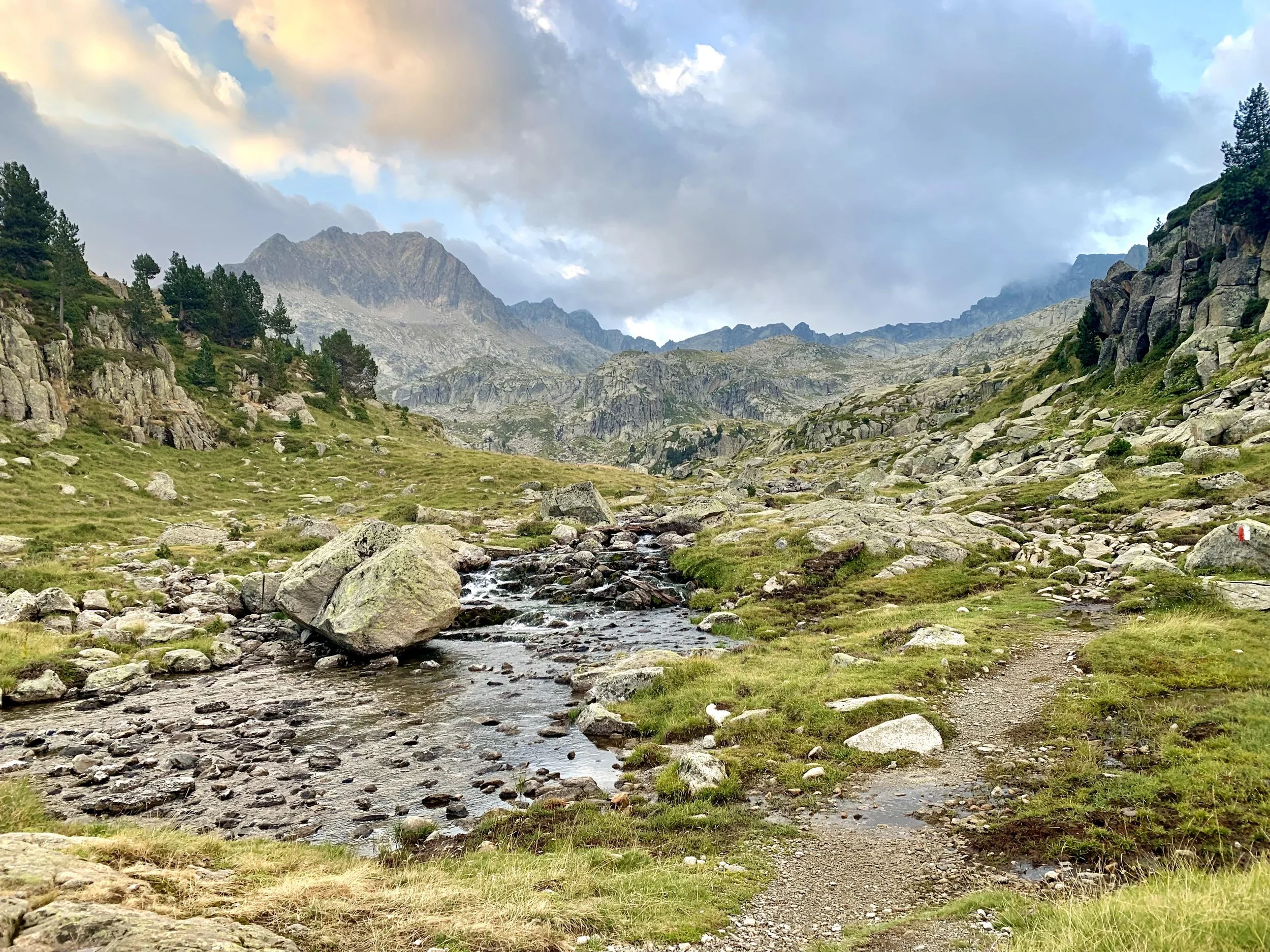
- Terrain: The route to Chakka Meadows typically passes through a mix of dense alpine forests, rhododendron and pine trails, open grassland meadows, and occasional rocky and uneven mountain paths. As you gain altitude, the landscape opens into vast high-altitude meadows with panoramic Himalayan views.
- Slope: The trekking sections are generally moderate in difficulty. There are steady ascents through forested sections, with some steeper patches near ridge lines and meadow clearings. The climb is more about sustained uphill walking rather than technical scrambling.
- Altitude: Chakka Meadows is a high-altitude Himalayan meadow trek, generally ranging roughly between 2,800 meters and 4,200 meters depending on the exact route and campsite used. Because of the elevation, there is a moderate risk of Acute Mountain Sickness (AMS), especially for those not acclimatised.
- Accessibility: The trek usually begins from a nearby road-connected base village (often in regions like Himachal Pradesh’s Kinnaur/Sangla side, depending on the chosen route). The initial approach is accessible by vehicle up to a point, after which the journey continues on foot through marked mountain trails. The area is remote but not heavily restricted like border-zone treks.
Important Notes:
- Alternative Path: Chakka Meadows is not a single fixed trail but part of a broader alpine trekking region. Depending on the route, trekkers may approach via forest routes or ridge-based trails, both eventually leading to open meadow basins with expansive views of surrounding peaks.
- Connection: The trek is known for its sweeping Himalayan scenery, snow-capped peaks, glacial valleys, and lush green summer meadows filled with wildflowers. It is often combined with nearby valley exploration for a longer trekking experience.
- Preparation: Even though it is considered a moderate Himalayan trek, proper preparation is important. Carry layered warm clothing, rain protection, trekking shoes with good grip, and basic first aid/AMS medication. Good fitness is recommended due to continuous uphill walking and limited facilities on the route. Weather can change quickly, so flexibility in planning is essential.
Best Time to Visit Chakka Meadows Trek
The ideal time to visit the Chakka Meadows Trek is May to June and September to October, when the weather is stable, forest trails are accessible, and the alpine meadows are at their most scenic. Since this is a high-altitude Himalayan meadow trek, seasonal conditions strongly affect trail safety, visibility, and overall experience.
April to June (Summer Season)
- Ideal Weather: Spring and early summer offer pleasant daytime temperatures and mostly clear skies, making forest trekking and meadow exploration comfortable. Snow from higher sections gradually melts, opening up the trails.
- Accessible Trails: Forest routes, ridge climbs, and meadow clearings become fully accessible, allowing trekkers to experience the lush green landscapes of Chakka Meadows.
- Scenic Beauty: This is the peak flowering season, with rhododendrons, alpine flowers, and fresh greenery covering the lower and mid-altitude zones. Snow-capped Himalayan peaks remain visible on clear days.
- Best Overall Season: Considered the most favourable time for trekking due to stable weather, safer trails, and excellent visibility.
July–August (Monsoon Season)
- Heavy Rainfall: Frequent rains make forest trails extremely slippery and increase the difficulty of uphill and downhill sections.
- Risk of Landslides & Leech Infestation: Certain stretches may face landslides, and dense forest areas often have leeches, making trekking uncomfortable.
- Visibility Issues: Cloud cover and fog often block mountain views, reducing the scenic experience of the trek.
- Trail Disruptions: Some routes may become temporarily unsafe or inaccessible due to erosion and waterlogging. Trekking is generally not recommended during this period.
September to October (Post-Monsoon Season)
- Crystal Clear Views: One of the best times for panoramic views of surrounding Himalayan peaks, with sharp visibility after the monsoon clears the air.
- Stable Trail Conditions: Forest paths dry out and become firmer, making trekking smoother and more predictable.
- Pleasant Temperatures: Cool and comfortable weather conditions are ideal for long trekking days and camping in meadows.
- Golden Landscape: Autumn colours enhance the beauty of forests and alpine zones, offering excellent photography opportunities.
November to March (Winter Season)
- Heavy Snowfall: Upper trails and meadow zones often receive heavy snowfall, covering routes and making access difficult or impossible.
- Extreme Cold: Temperatures drop significantly, especially at night, making camping and trekking highly challenging.
- Route Closures: Many forest trails and high-altitude sections become inaccessible due to snow accumulation.
- Limited Trekking Activity: This period is generally avoided unless part of a specialised winter expedition with proper gear and guidance.
How to Reach Shimla for Chakka Meadows Trek with Himalayan Hikers
To reach Shimla for your Chakka Meadows Trek with Himalayan Hikers, you need to arrive at the assembly point in the city by early morning on Day 1. Himalayan Hikers coordinates transport from Shimla to the base camp at Janglik Village Started point Chakka Meadows Trek
Assembly Point & Time
- Location: Old Bus Stand, Shimla.
- Pickup Time: Between 7:00 AM and 7:30 AM on Day 1.
- Final Destination: Janglik Village (approx. 160 km / 8-hour drive).
How to Reach Shimla
1. By Train (The Most Scenic Route)
- Nearest Major Station: Kalka (KLK).
- From Delhi: Take the Kalka Shatabdi or Himalayan Queen from New Delhi Railway Station. These trains are timed to connect with the toy train.
- From Kalka to Shimla The Toy Train: A UNESCO World Heritage ride (5–6 hours). It’s beautiful but slow.
- Taxi/Bus: If you are short on time, a taxi from Kalka takes about 3 hours to reach Shimla.
2. By Road (The Most Convenient Route)
- From Delhi: Most trekkers take an overnight Volvo bus from ISBT Kashmiri Gate or Majnu-ka-Tilla. Buses leave between 8:00 PM and 11:00 PM and reach Shimla around 5:00 AM to 7:00 AM—perfectly timed for the Himalayan Hikers pickup.
- From Chandigarh: Frequent buses and taxis are available from the Sector 43 Bus Stand (approx. 3.5 hours).
3. By Air
- Shimla Airport (Jubbarhatti): Limited flights and often cancelled due to weather.
- Chandigarh Airport (IXC): The most reliable airport. After landing, take a taxi or bus to Shimla (approx. 4 hours).
Pro-Tips for Your Group
- Arrive a Day Early: It is highly recommended to reach Shimla on "Day 0." This allows you to rest after a long journey and ensures you don't miss the 7:00 AM pickup due to bus delays.
- Last-Minute Supplies: Use your evening in Shimla to buy any last-minute trekking gear (socks, raincoats) at the Mall Road or Lakkar Bazar.
- Connectivity: Shimla is your last stop with high-speed internet. Mobile network becomes extremely spotty once you head toward Janglik base camp.
Necessary Items for trekkers
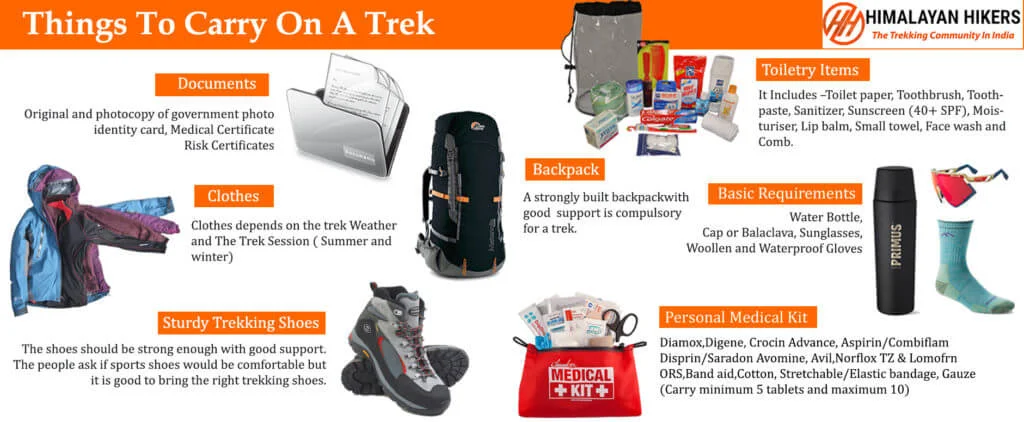
Mandatory Documents
Original and photocopy of government photo identity card- (Aadhar Card, Driving License, Voters ID, etc,)
Passport and Visa important to foreigners
Medical Certificate (First part should be filled by the Doctor and Second part by the Trekker)
Declaration Certificates
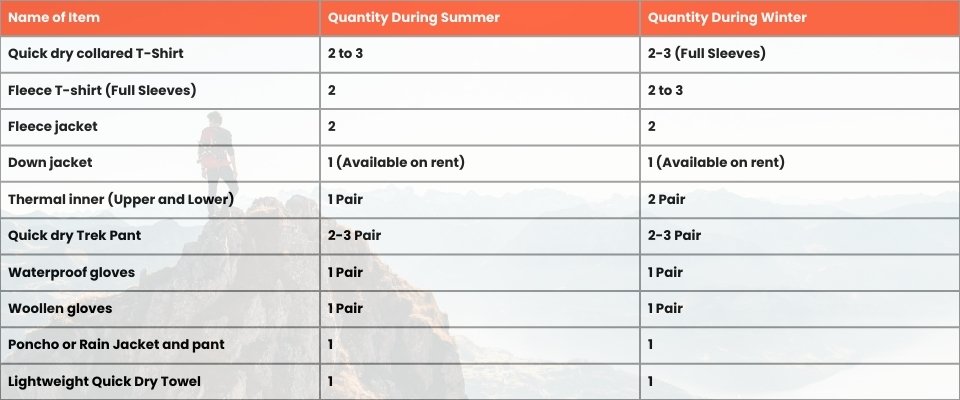
Note: – Many trekkers commit the same mistake of carrying unnecessary items on a trek which only makes the backpack heavy. It is important to know the right items to carry. It differs from season to season if you are trekking in summers then carry less layers of warm clothing and if you are trekking in winters carry enough layers to protect yourself against chilly cold.
Basic Trekking Gears
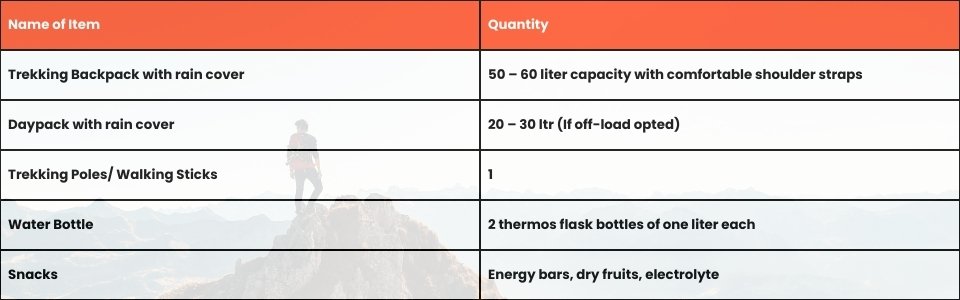
The Clothes You Should Bring On Satopanth Expedition
Head Gears

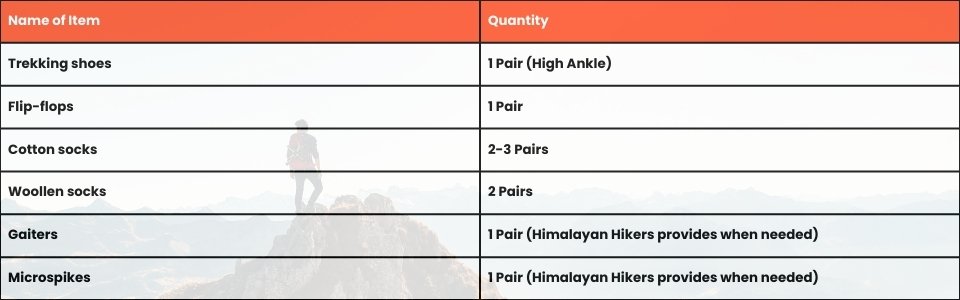
Foot Gears
Personal Care Essentials

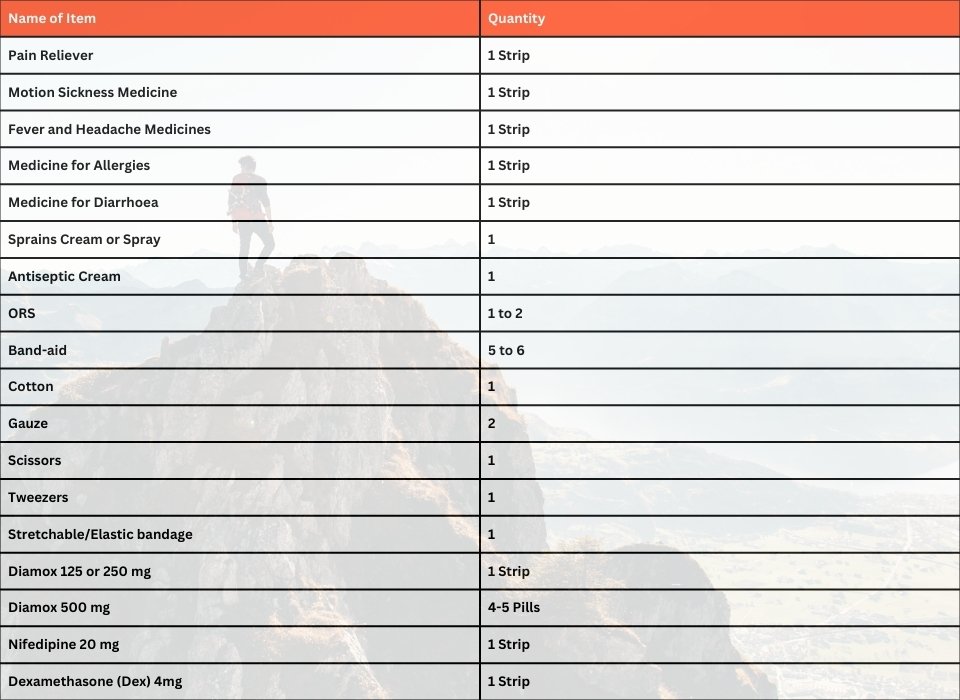
Carry a Personal Medical Kit
Are you Looking for Trekking Equipment on Rent?
If any trekker requires trekking equipment on rent, Himalayan Hikers offers the best-quality gear available for rental. Many individuals are in need of such equipment, and renting provides a cost-effective solution, allowing them to access high-quality gear at an affordable price without the need for a significant investment for short-term use.

Trek Equipment You can book directly on first day at the Base Camp.
Note:-
Please take all medicines only when prescribed by the doctor. In case you face any problem during your trek,
discuss and take advice from the Professional guide.
The Trek is one of the most popular treks in Uttarakhand, Himachal,Kashmir,Laddakh,Sikkim,Nepal, requiring both physical preparation and mental readiness. Although it is categorized as a moderate trek, reaches an elevation of over 12,720 feet and traverses remote Himalayan terrain, which can be physically and mentally challenging. Here's how you can prepare yourself for a safe and successful accomplishment of the Trek:
Physical Fitness
Building a good fitness base is essential for every trekker. The Trek itinerary involves 5 to 6 hours of walking every day. Though the trails are well-marked, they are often bumpy and include steep uphill sections, which may affect your stamina. You can overcome your physical limitation with a 6-week training program that you can begin about 2 months before your Trek. Your 6-week fitness routine should include

Pro Tip: If you have time, you can skip the Sunday training and go for a long-distance walk or mini day-hike (7–10 km) with a loaded backpack to simulate real trekking conditions. A short 1-day hike around your city/town can help a lot.
Mental Preparation
Physical strength is only half the journey, the other half is mental resilience. The trail takes you through remote clearings, steep climbs, cold starry nights, and no mobile connectivity. Be prepared to:
(I) - Detach from the digital world.
(II) - Embrace basic mountain living (camping, toilet tents, limited electricity).
(III) - Push through moments of fatigue, weather discomfort, or altitude effects.
A positive mindset, patience, and the ability to adapt will carry you farther than muscle ever could.Himalayan Hikers is a reputable trekking company that places a high priority on safety. Here are some of the safety measures they take to ensure the safety of their clients during the Trek:
Experienced Guides: Himalayan Hikers hires experienced and certified guides who are well-versed in the terrain, weather conditions, and local culture. These guides have first-hand knowledge of the routes and are equipped to handle any emergency situations that may arise.
Proper Gear: The company provides all the necessary gear and equipment to their clients to ensure comfort and safety during the trek.
Hygiene and Sanitation: Himalayan Hikers places great emphasis on hygiene and sanitation during the Trek. They provide clean drinking water, hand sanitizers, and toilet tents to ensure that their clients are healthy and comfortable.
Emergency Services: The company has a well-defined protocol for handling emergency situations. They have a team of trained medical professionals who are available 24/7 and can be quickly mobilized in case of an emergency.
Acclimatization: Himalayan Hikers follows a gradual acclimatization process during treks to ensure that their clients adjust to the high altitude gradually. They also monitor the health of their clients regularly and provide necessary medical attention if required.
Overall, Himalayan Hikers places a great emphasis on safety and takes all necessary measures to ensure the safety and well-being of their clients during treks.
| Category | Details |
|---|---|
| Transport | Shimla to Shimla Round-Trip via Tempo Traveler (Pickup & Drop) |
| Permits & Entry | Forest Permit and Entrance Fees |
| Accommodation | Homestay, Tented Accommodation on Twin / Triple Sharing |
| Meals | Breakfast, Lunch, Tea, Coffee, Snacks, Soup, Dinner (All meals included) |
| Camping Gear | High-Quality Dome Tents, Sleeping Bags, Mattress, Liner |
| Sanitation Setup | Separate Toilet Tents (Ladies & Gents), Dining Tent, Dining Table, Camping Chair |
| Support Staff | Kitchen Team, Trek Helpers |
| Communication Tools | Radio Walkie-Talkie |
| Trek Guides | Experienced Trek Leader & Technical Guide |
| Safety Equipment | Medical Kit, Oxygen Cylinders, Pulse Oximeter |
| Trekking Equipment | Crampons, Gaiters, Helmate , Ice ax |
| Category | Details |
|---|---|
| Meals (Not Included) | – Day 1: En route Breakfast & Lunch to base camp – Day 4: En route Dinner (not included) |
| Insurance & Documents | – Personal Insurance– Medical Certificate (Mandatory) |
| Personal Essentials | – Personal Toiletry Items– Personal Medical Kit |
| Porter Service | – Porter fee: ₹500 per day (to be paid directly at Kalpa base camp)– Minimum bag weight for porter: 8 kg |
| Foreign Nationals | – ₹1200 extra for trekking permit– Passport and valid Visa required |
Important Note
Himalayan Hikers offers both online and offline booking options for their treks. Here’s a breakdown of both options:
1. Online Booking:
- Website: Himalayan Hikers has an official website where trekkers can browse through different treks, check details (itineraries, costs, difficulty level, etc.), and make bookings. Payment gateways are integrated for secure online transactions.
- Third-Party Platforms: They might also be listed on various trekking or adventure booking platforms, where you can compare prices, read reviews, and make bookings.
- Email Communication: Trekkers can inquire about treks via email and complete the booking process online, following email communication and payment.
2. Offline Booking:
- Direct Office Visit: Himalayan Hikers has physical offices (especially in Uttarakhand), where trekkers can visit in person, discuss treks, and complete bookings directly.
- Phone Booking: You can also call their office to make a booking. Details about payment methods, trek dates, and other logistics can be confirmed over the phone.
Yes, Himalayan Hikers requires a 25% advance payment for booking treks, Via- Google pay or UPI, Directly Himalayan Hikers Account with the remaining amount to be paid in cash at their Basecamp office in Kalpa before the trek starts.
Map not available for this trek.
It is a moderate trek with steady uphill walking and no technical climbing.
It usually takes 2 to 4 days
The best time is May to June and September to October.
It ranges roughly between 2,800 m and 4,200 m.
Yes, there is a moderate risk of AMS due to high altitude.
No, but basic fitness is recommended.
Expect forests, rocky paths, ridge walks, and alpine meadows.
It is reached via a road-accessible base village in the Kinnaur/Sangla region, followed by trekking.
The weather is generally pleasant but cold at night and changeable.
Carry warm clothes, rain gear, trekking shoes, and basic medicines.
No, the network is very limited or unavailable.
It is known for scenic alpine meadows, forests, and Himalayan views.


