
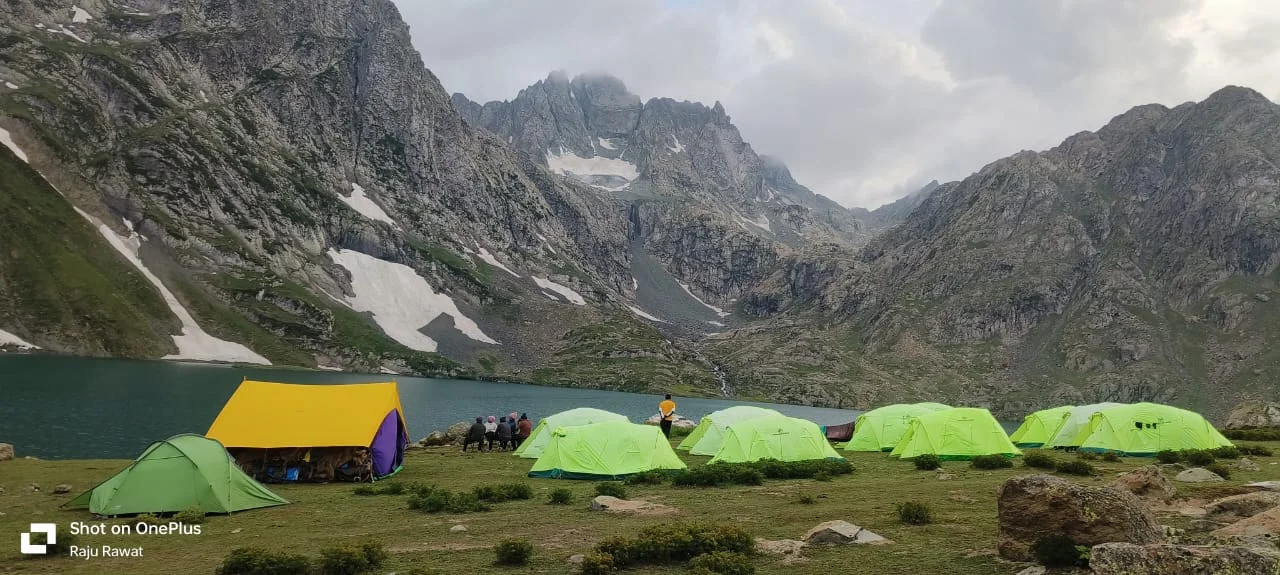


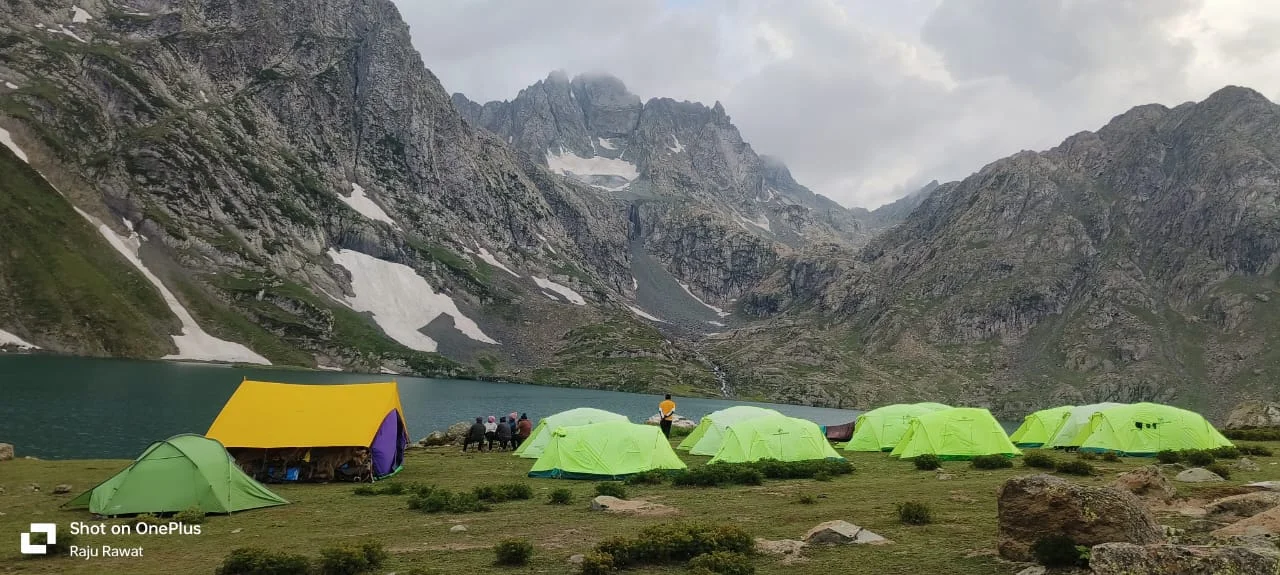
The Naranag Gangabal Trek is a short yet incredibly scenic trek located in the Ganderbal district of Kashmir. Naranag lies on the other side of the valley and is well known for its lush green meadows and the ancient temple dedicated to Lord Shiva. The region holds both natural beauty and historical significance, making it a rewarding destination for trekkers.
This trek takes you through picturesque trails that pass across wide alpine meadows, clear mountain brooks, wooden bridges, and dramatic gorges. The refreshing mountain climate and untouched landscapes make the journey peaceful and rejuvenating.
The highlight of the trek is the pristine Gangabal Lake, set against the majestic backdrop of the Harmukh range. The lake is famous for its crystal-clear waters and is home to brown trout and rainbow fish, offering breathtaking views and serene camping experiences.
Highlights of Naranag Gangabal Trek
Visit the ancient Buddhist monastery and historic ruins at Naranag.
Explore the scenic and culturally rich Naranag village.
Witness the stunning Gangabal Lake, surrounded by alpine landscapes and snow-clad peaks.
Key Points to Know Before the Trek
Difficulty Level: Moderate
Proper physical conditioning and body training are required.
Carry suitable trekking gear and warm clothing for sub-zero temperatures.
Trekking shoes are the most important piece of equipment.
High altitude trekking requires proper acclimatization.
The best time to trek is during winter and post-monsoon or pre-monsoon seasons. During heavy rains, the region may be prone to landslides.
The landscapes are ideal for photography, so carry good camera gear along with extra battery backup.
Travel light; the backpack weight should not exceed 10 kgs.
Naranag Gangabal Trek Complete Guide
Our mission has always been to ensure that no trekker steps into the Himalayas without the right perspective. A trek is not just a checklist of summits; it is a serious commitment to the outdoors. Having the right information is what separates a reckless climb from a soulful journey.
This section serves as your definitive manual for the Naranag Gangabal Trek. We have distilled years of mountain experience and real-time feedback into this guide to give you a clear, honest picture of the trail.
We provide this depth of information because we want you to be more than just a visitor—we want you to be a prepared, responsible trekker who respects the mountains as much as we do.
Day 1 – Drive from Srinagar to Naranag and trek to Trunkhol via Butsheri.
Day 2 – Trunkhol to Gangabal Lake via Bodpathri
Day 3 – Exploration Day
Day 4 – Gangabal to Srinagar via Naranag
Day 1
Day 2
Day 3
Day 4
Day 1 : Drive from Srinagar to Naranag and trek to Trunkhol via Butsheri.
Depart from Srinagar to Naranag, it is the basecamp of this trek. Pass through the Ganderbal village and amusing Sindh valley which lies en route.
Visit the ancient Buddhist monastery, built-in 9th century.
Reach Naranag village and start trekking to Butcher, the trail is steep and goes through dense pine forests. Set your camps at Trunkhol and settle for the day.
Day 2 : Trunkhol to Gangabal Lake via Bodpathri
From Lama Dugh today head towards next campsite Riyali Thach. Cross a steep ridge lying below Khand Pari Tibba (4000 m).
From here get fantastic view of Manali, located on Beas River’s left bank and the whole Kullu valley. Reach the campsite Riyali Thach, set up your camps there and retire for the night.
Day 3 : Exploration Day
Today is exploration day! Spend your day roaming around Gangabal Lake or enjoy fishing brown trout’s activity.
Trekkers can walk towards Kolsar Lake and get back to the Gangabal Lake and spend your night there.
Day 4 : Gangabal to Srinagar via Naranag
Post breakfast, retrace your steps to Naranag and for the last time witness the picturesque lakes. Descend through the dense forests and Bodpathri meadows to reach Naranag village via Trunkhol and Butcher.
The vehicle will be arranged from Naranag to Srinagar.
1. Difficulty Level
The trek is classified as Moderate, which means:
- It’s not extremely technical or risky, but it requires good stamina, basic trekking experience, and fitness.
- Beginners who are physically fit can attempt it with proper preparation.
- Intermediate trekkers will find it challenging but manageable.
2. Trail Characteristics
- Gradual Ascents: Most of the trek involves slow, steady climbs rather than steep slopes.
- Rocky Sections: Certain areas have rocky terrain, requiring careful footing and balance.
- High-Altitude Walking: Parts of the trek reach significant altitude, making it physically demanding.
- Daily Distance: Trekkers walk for several hours each day across alpine meadows, streams, and uneven trails.
3. Altitude & Acclimatization
The trek goes up to high altitudes (around 13,000–14,000 feet) at Gangabal Lake. Proper acclimatization is essential to prevent altitude sickness.
- Ascend slowly and take short breaks.
- Stay hydrated and avoid alcohol or heavy meals before and during the trek.
- Monitor for symptoms like headaches, fatigue, or nausea, and inform guides immediately if they occur.
4. Who Can Attempt This Trek?
- Fit Beginners: Can successfully complete the trek with proper training and preparation.
- Intermediate Trekkers: Those with prior trekking experience will find the trek rewarding and scenic.
- Requirements: Good endurance for 5–7 hours of trekking per day, ability to carry a backpack, and mental readiness for rugged terrain and high-altitude conditions.
5. Why the Trek is Rewarding
- Scenic Beauty: Stunning alpine meadows, snow-capped peaks, and pristine Gangabal Lake.
- Adventure: Moderate physical challenge without extreme technical difficulty.
- Sense of Achievement: Completing a high-altitude trek provides immense personal satisfaction.
Key Takeaways
- Moderate difficulty: suitable for fit beginners and intermediates.
- Prepare physically and mentally for 5–7 hours of trekking per day.
- Gradual acclimatization is essential due to high-altitude sections.
- The trek offers spectacular views, adventure, and a sense of accomplishment.
The ideal time to undertake the Naranag Gangabal Trek is from June to September, when the trail is fully accessible and weather conditions are most favorable for trekking.
1. Weather Conditions
- Daytime Temperatures: Pleasant, ranging from 15°C to 20°C, making trekking comfortable.
- Nighttime Temperatures: Cooler, around 5°C to 8°C, so warm clothing is necessary for camps.
- Clear Skies: Days are generally clear, providing excellent visibility and breathtaking views of surrounding peaks.
2. Scenic Beauty
- The alpine meadows are lush green during this period.
- Streams and waterfalls flow at their fullest due to melting snow from higher altitudes.
- High-altitude flowers and vegetation are in full bloom, enhancing the trek’s visual appeal.
3. Avoiding Hazards
- Monsoon Risks: Heavy rainfall can lead to slippery trails and potential landslides.
- Snow Hazards: Before June, some trails may still be blocked by snow.
- Planning the trek within June–September ensures safety, accessibility, and uninterrupted trail access.
How to Reach the Naranag Gangabal Trek
The trek begins from Naranag village, which serves as the base for the Gangabal Lake route. Trekkers typically reach Naranag via Srinagar, which is the main hub for air, rail, and road transport.
1. By Air
The nearest airport is Srinagar International Airport, well connected to major cities like Delhi, Mumbai, and Bangalore.
- Hire a taxi from the airport to Srinagar city for overnight stay or travel directly to Naranag.
- The drive from Srinagar to Naranag usually takes around 2–3 hours depending on traffic and road conditions.
- Tip: Book taxis in advance during trekking season to ensure availability.
2. By Train
The nearest major railway station is Jammu Tawi Railway Station, about 250 km from Srinagar.
- From Jammu, travel by taxi or bus to Srinagar (8–10 hours through scenic mountain roads).
- Overnight buses or shared taxis are available, though private taxis provide more flexibility.
- Tip: Train travel is ideal if you prefer a rail journey combined with a road transfer to Srinagar.
3. By Road
- Srinagar is connected to Jammu via National Highway NH44.
- From Srinagar, Naranag is approximately 50 km and accessible by taxi or local transport.
- Road conditions are mostly paved, but check for delays due to monsoon landslides or winter snow.
4. Recommendations
- Arrive in Srinagar at least one day before the trek for rest, acclimatization, and final preparations.
- Keep trekking essentials in your daypack; luggage can often be handled by porters.
- Monitor weather conditions before departure to avoid delays or hazards.
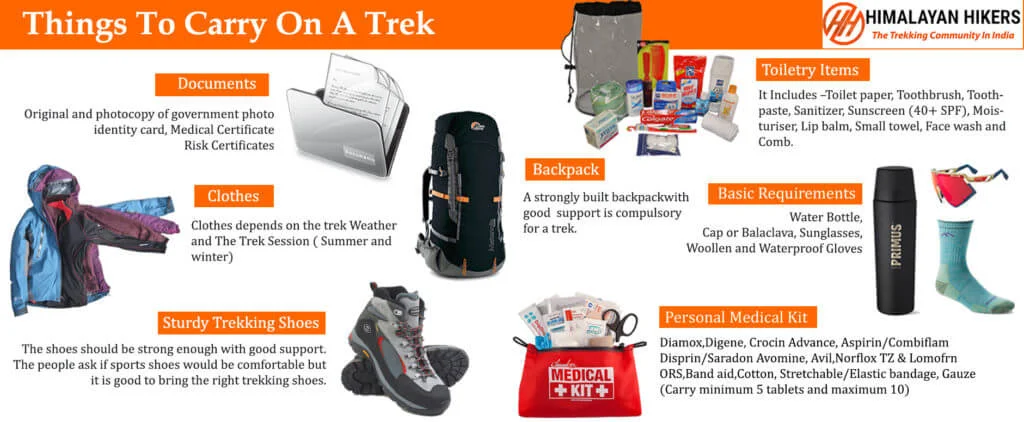
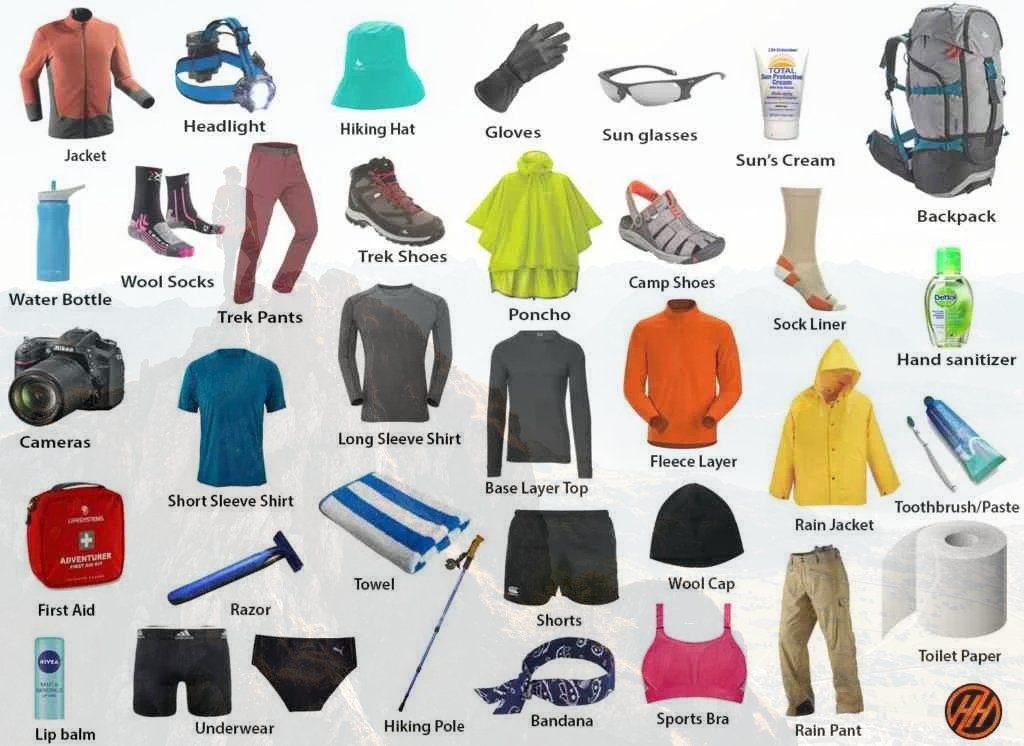
What to Pack for the Naranag Gangabal Trek
1. Clothing
- Layered clothing: thermal base layers, fleece/wool mid-layers, waterproof jacket
- Trekking pants and shorts: quick-dry and comfortable
- Warm accessories: gloves, hats, caps, buff/scarf for sun and wind protection
- Socks: moisture-wicking trekking socks; carry extra pairs
- Nightwear: comfortable clothes for camping nights
2. Footwear
- Trekking boots: waterproof, broken-in, with ankle support
- Camp shoes/flip-flops: for relaxing at the campsite
- Gaiters: to prevent dust, mud, or snow from entering shoes
3. Trekking Gear
- Backpack: 40–50 liters for day hikes
- Trekking poles: helpful for uneven terrain
- Sleeping bag: suitable for 5°C–10°C temperatures
- Headlamp/flashlight with extra batteries
- Sunglasses: UV protection for high-altitude glare
4. Personal Items
- Water bottles or hydration bladder (at least 2 liters)
- Personal toiletries: toothbrush, toothpaste, biodegradable soap, towel, tissue paper
- Sunscreen and lip balm: SPF 30+
- Personal medications and small first-aid kit
- Snacks: energy bars, nuts, chocolates for quick energy
5. Electronics & Miscellaneous
- Camera or phone with power bank or solar charger
- Plastic bags or dry bags to keep electronics and clothes dry
- Notebook/pen for journaling or notes
6. Optional Items
- Binoculars for birdwatching or panoramic views
- Lightweight trekking umbrella
- Trekking guidebook or trail map
Tips: Pack light as the trek can be physically demanding. Use waterproof covers for your backpack, and rely on layering clothing for temperature regulation at varying altitudes.
How to Prepare for the Naranag Gangabal Trek
1. Physical Preparation
- Cardiovascular Fitness: Jogging, cycling, swimming, or brisk walking to improve stamina.
- Strength Training: Focus on legs, core, and back with squats, lunges, planks, and stair climbing.
- Endurance Hikes: Practice day hikes with a loaded backpack; gradually increase distance and elevation.
- Flexibility & Balance: Stretching, yoga, or balance exercises to prevent injuries and improve agility.
2. Acclimatization
- The trek reaches high altitudes (~13,000–14,000 ft); gradual exposure reduces altitude sickness risk.
- Stay hydrated, rest adequately, and avoid alcohol before trekking.
3. Gear Preparation
- Ensure all trekking gear is ready and tested: boots, backpack, sleeping bag, trekking poles, rain gear.
- Carry layered clothing to adjust for temperature changes.
- Use waterproof covers or dry bags to protect gear from rain or streams.
4. Mental Preparation
- Prepare for long walking hours and challenging terrain.
- Be ready for changing weather conditions and occasional discomfort.
- Maintain a positive attitude and patience to enhance the trekking experience.
5. Health & Safety
- Consult a doctor if you have pre-existing medical conditions.
- Carry a personal first-aid kit with medications for headaches, motion sickness, and minor injuries.
- Learn the signs of altitude sickness and inform your guide immediately if symptoms appear.
6. Planning & Logistics
- Research the trek route, daily distances, and camping points.
- Ensure permits and necessary documents are arranged.
- Arrive at Srinagar at least a day before the trek for rest and acclimatization.
Safety on the Naranag Gangabal Trek with Himalayan Hikers
1. Experienced Guides
- Trained and certified trek leaders familiar with the terrain and weather conditions.
- Ensures group safety, navigation, and adherence to trekking schedules.
2. Support Staff
- Porters and helpers assist in carrying camping gear and supplies.
- Kitchen team ensures hygienic preparation of meals at the campsite.
3. Communication & Coordination
- Groups are equipped with radios and walkie-talkies for easy communication.
- Regular check-ins ensure quick response in emergencies.
4. Medical Preparedness
- First-aid kits available with every trek group.
- Oxygen cylinders for high-altitude emergencies.
- Guides trained to recognize signs of altitude sickness and other trek-related conditions.
5. Equipment Safety
- High-quality tents, sleeping bags, and trekking gear provided.
- Crampons and gaiters for snow or slippery terrain.
- Safety briefings on gear use, campsite rules, and trail conduct conducted before the trek.
6. Emergency Protocols
- Established evacuation plans for injuries or severe weather.
- Guides coordinate with local authorities for rapid medical assistance if required.
7. Group Safety Measures
- Trekkers encouraged to stay with the group at all times.
- Strict rules regarding trail conduct, campfires, and waste disposal ensure environmental and personal safety.
What is include in the Naranag Gangabal Trek?
- Forest permit and entry fees
- Accommodation in tents on twin-sharing basis
- All meals during the trek: breakfast, packed lunch, snacks, tea/coffee, soup, and dinner
- High-quality camping gear: tents, sleeping bags, mattresses, liners, and pillows
- Separate toilet tents for ladies and gents (Twin/Triple Sharing basis).
- Dining arrangements: tents and tables at campsites
- Support staff: helpers, kitchen team, and mules for gear transport
- Guides: experienced trek leader and technical guides
- Communication & safety: radios, walkie-talkies, medical kits, oxygen cylinders, crampons, and gaiters
What is not include in the Naranag Gangabal Trek?
- Transport to and from the trek starting point (Srinagar/Naranag)
- Personal insurance for accidents, health, or evacuation
- Medical certificates required for the trek
- Personal toiletries, medicines, or snacks
- Meals on the first day en route to base camp and the last day from base camp to Srinagar
- Optional expenses like personal shopping, photography, or leisure activities
Important Note
Important Notes for the Naranag Gangabal Trek
1. Trek Difficulty
The trek is classified as Moderate, suitable for fit beginners and intermediate trekkers. Long walking hours, uneven terrain, and gradual ascents require physical fitness and endurance.
2. Altitude Considerations
- The trek reaches high altitudes (around 13,000–14,000 ft).
- Proper acclimatization is essential to prevent altitude sickness.
- Stay hydrated and avoid alcohol prior to and during the trek.
3. Weather Conditions
- Best trekking period: June to September.
- Avoid peak monsoon or heavy rainfall days due to slippery trails and potential landslides.
4. Personal Responsibility
- Carry personal toiletries, medicines, and other essentials not included in the package.
- Be prepared for changing weather and temperature variations, especially at higher altitudes.
5. Travel & Arrival
- Arrive in Srinagar at least one day before the trek for rest and acclimatization.
- Plan travel considering road and weather conditions, especially during monsoon or snowfall.
6. Environmental Responsibility
- Follow "Leave No Trace" principles.
- Dispose of waste responsibly, avoid littering, and respect local flora and fauna.
7. Safety
- Stay with the group and follow guide instructions at all times.
- Inform guides immediately in case of any health issues or discomfort.
Map not available for this trek.
The Naranag Gangabal Trek is classified as Moderate. It is suitable for fit beginners and intermediate trekkers with some basic trekking experience. The trail involves long walking hours, gradual ascents, and uneven terrain.
The ideal trekking period is from June to September. During this time, the weather is stable, alpine meadows are lush green, and streams flow at their fullest. Avoid peak monsoon and heavy rainfall days due to slippery trails and landslide risks.
The trek starts from Naranag village. The nearest major transport hub is Srinagar. Options include:
- By Air: Srinagar International Airport → taxi to Naranag.
- By Train: Jammu Tawi Railway Station → road journey to Srinagar → Naranag.
- By Road: Srinagar to Naranag (~50 km) via taxi or local transport.
Essential items include:
- Layered clothing for varying temperatures.
- Trekking boots, gaiters, and camp shoes.
- Backpack, trekking poles, sleeping bag, and waterproof covers.
- Personal toiletries, medicines, sunscreen, water bottles, and snacks.
- Optional: Camera, binoculars, trekking guidebook, and notebook.
Focus on building stamina, strength, and endurance. Recommended activities include:
- Cardiovascular workouts: jogging, cycling, or swimming.
- Strength training: squats, lunges, planks, stair climbing.
- Practice day hikes with a loaded backpack.
- Flexibility exercises like yoga to prevent injuries.
Trekking with Himalayan Hikers ensures safety with:
- Experienced trek leaders and technical guides.
- Support staff including porters, helpers, and kitchen team.
- Medical kits, oxygen cylinders, radios, and walkie-talkies.
- Proper gear: tents, sleeping bags, crampons, and gaiters.
- Established emergency protocols and evacuation plans.
- Forest permits and entry fees.
- Accommodation in twin-sharing tents.
- All meals during the trek.
- High-quality camping gear and dining arrangements.
- Support staff, guides, and safety equipment.
- Travel to/from the trek starting point (Srinagar/Naranag).
- Personal insurance and medical certificates.
- Personal toiletries, medicines, and snacks.
- Meals on the first day to base camp and last day from base camp to Srinagar.
- Optional personal expenses like shopping or photography.
- Arrive in Srinagar at least one day before the trek.
- Stay hydrated and acclimatize properly at high altitudes.
- Follow environmental and safety guidelines during the trek.
- Stay with the group and follow guide instructions at all times.


